

As the vernal equinox approaches, ushering in spring, a renewed focus on health and fitness often permeates public consciousness. For many, this season signifies a commitment to improved well-being, frequently involving dietary adjustments aimed at weight management. Central to the success of any such endeavor is the strategic optimization of one’s food environment, particularly the contents of the grocery list. The availability of appropriate food items can significantly influence adherence to dietary goals, with snacking often representing a critical juncture where efforts can either be reinforced or undermined. The phenomenon of late-night snacking, in particular, has been identified as a common pitfall that can derail a carefully constructed calorie deficit, especially when individuals are ill-prepared with nutritious alternatives.
Recognizing this pervasive challenge, experts in nutritional science are increasingly emphasizing the importance of informed snack choices. To provide clarity and actionable guidance, Dr. Kezia Joy, RDN, a Medical Advisor with Welzo, has outlined a definitive list of healthy snacks specifically recommended for those pursuing weight loss. Dr. Joy’s recommendations are not merely suggestions but represent a curated selection designed to maximize nutritional benefit while supporting satiety and metabolic health. These five specific snacks are presented as foundational elements for a successful weight management strategy.
The Scientific Imperative of Strategic Snacking for Weight Loss
The conventional understanding of snacking often conjures images of highly processed, calorie-dense foods that offer minimal nutritional value and contribute to excess caloric intake. However, when approached strategically, snacking can be a powerful tool in a weight loss regimen. The key lies in selecting foods that provide sustained energy, promote satiety, and stabilize blood glucose levels, thereby preventing the extreme hunger that often leads to overeating at main meals or succumbing to unhealthy cravings.
Modern dietary patterns, characterized by busy lifestyles and pervasive marketing of convenience foods, have exacerbated the prevalence of mindless snacking. A significant portion of the population routinely consumes snacks high in refined carbohydrates, unhealthy fats, and added sugars. These foods, while palatable, are typically low in essential macronutrients like protein and fiber. Their rapid digestion leads to sharp spikes and subsequent crashes in blood sugar, triggering renewed hunger and a cycle of continuous eating. This cycle not only contributes to weight gain but also negatively impacts overall metabolic health, increasing the risk of conditions such as insulin resistance and type 2 diabetes.
Dr. Joy’s approach to snacking directly addresses these issues by focusing on nutrient density and the physiological mechanisms of satiety. She underscores that effective weight loss snacks must be more than just low-calorie; they must be satiating and nutritionally robust.
Three Pillars of Weight-Loss-Approved Snacks: Protein, Healthy Fats, and Fiber
The cornerstone of effective weight management, particularly concerning snacking, rests upon three critical macronutrients: protein, healthy fats, and fiber. Each plays a distinct yet synergistic role in promoting satiety, stabilizing blood sugar, and supporting metabolic functions.
Protein, often considered the foundation of a weight-loss-approved snack, is crucial for several reasons. It has the highest thermic effect of food (TEF), meaning the body expends more energy digesting protein compared to carbohydrates or fats. More importantly, protein triggers the release of satiety hormones like cholecystokinin (CCK) and peptide YY (PYY), signaling fullness to the brain and significantly reducing appetite. This prolonged feeling of satiety helps to prevent overeating at subsequent meals and curbs impulsive snacking. Furthermore, adequate protein intake is vital for preserving lean muscle mass during weight loss, which is essential for maintaining a healthy metabolic rate.
Healthy fats, contrary to past misconceptions, are indispensable for weight management and overall health. Fats provide a concentrated source of energy and, like protein, contribute significantly to satiety. They slow down gastric emptying, keeping food in the stomach longer and extending the feeling of fullness. Beyond satiety, healthy fats, particularly monounsaturated and polyunsaturated fats found in foods like nuts, seeds, and avocados, are crucial for hormone production, nutrient absorption, and reducing inflammation, all of which indirectly support weight loss efforts.
Fiber, a non-digestible carbohydrate, is a powerhouse for weight loss. Soluble fiber forms a gel-like substance in the digestive tract, slowing down digestion and nutrient absorption, which helps to stabilize blood sugar levels and promote sustained satiety. Insoluble fiber adds bulk to stool, aiding in digestive regularity and contributing to a feeling of fullness. High-fiber foods often require more chewing, which can also contribute to a greater sense of satisfaction. Moreover, fiber feeds beneficial gut bacteria, supporting a healthy gut microbiome, which is increasingly recognized for its role in weight regulation and overall metabolic health.
Dr. Joy emphasizes that snacks incorporating these three components are designed for efficiency and long-term success. "Each [of these options] allows for quick preparation, can be easily incorporated into your daily routine, and will allow you to have a variety of options as you work on losing weight, and help keep you from feeling like you’re being deprived by eating a ‘snack’," Dr. Joy explains. She adds, "When you eat snacks that are good for you and allow you to meet your nutritional needs, but also limit the amount of calories you consume, you are more likely to continue to make good choices over time." This perspective highlights the psychological aspect of dieting, where feeling satisfied and not deprived is critical for sustained adherence.
The Five Dietitian-Approved Snacks for Sustainable Weight Loss
Dr. Kezia Joy’s recommended snacks are meticulously chosen to embody the principles of protein, healthy fats, and fiber, ensuring they are both nutritious and satiating.
-
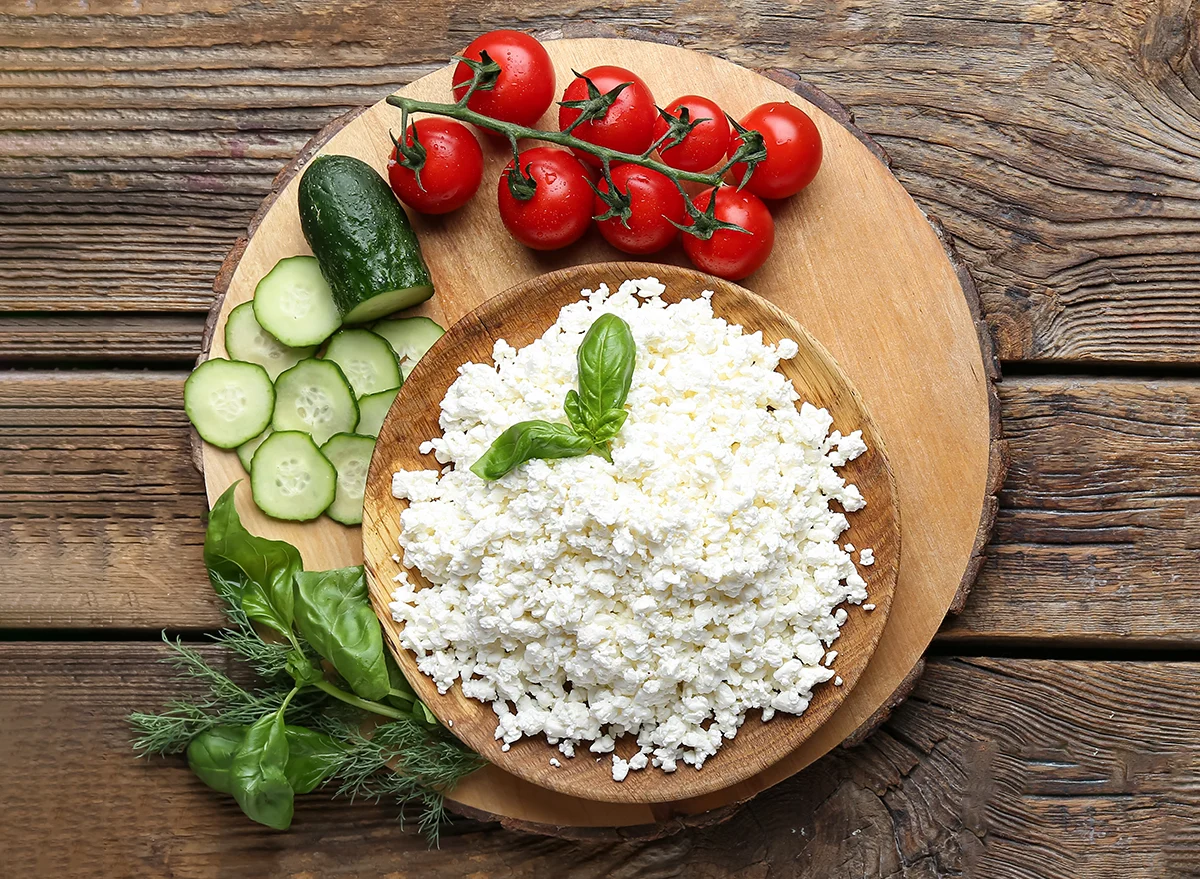
Cottage Cheese with Vegetables: Cottage cheese is an excellent source of casein protein, a slow-digesting protein that provides a sustained release of amino acids, promoting prolonged satiety. A half-cup serving of cottage cheese can provide upwards of 12-14 grams of protein with relatively few calories. When paired with an assortment of raw vegetables such as cucumber slices, bell pepper strips, cherry tomatoes, or carrot sticks, this snack becomes a powerhouse of fiber, vitamins, and minerals. The crunch and volume from the vegetables further enhance the feeling of fullness without adding significant calories. This combination supports muscle maintenance and provides essential micronutrients often lacking in processed snacks.
-
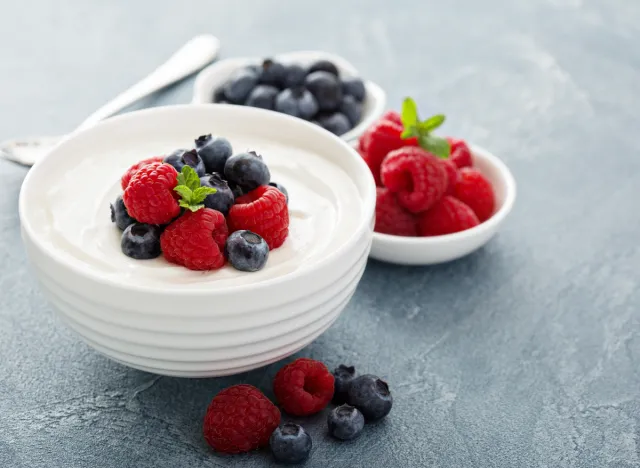
Greek Yogurt with Fresh Berries: Greek yogurt stands out due to its significantly higher protein content compared to regular yogurt, often providing 15-20 grams per single serving. This makes it exceptionally effective at curbing hunger. Opting for plain, unsweetened Greek yogurt avoids added sugars, which can undermine weight loss efforts. Fresh berries (strawberries, blueberries, raspberries, blackberries) are rich in antioxidants, vitamins, and dietary fiber. A cup of mixed berries can offer 4-8 grams of fiber, contributing to digestive health and prolonged satiety. The natural sweetness of the berries provides a satisfying flavor profile without the need for artificial sweeteners or refined sugars. The combination creates a balanced snack that supports gut health through probiotics in yogurt and offers a robust nutrient profile.
-
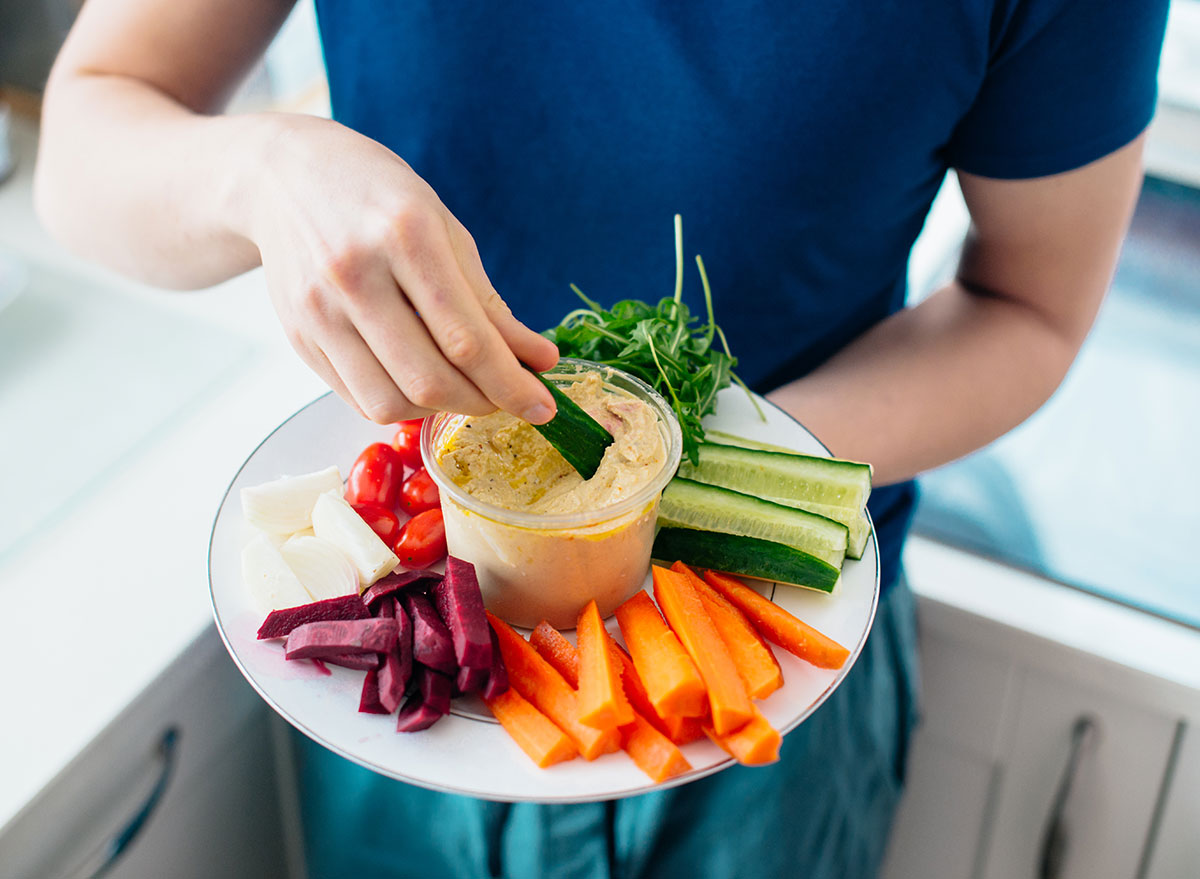
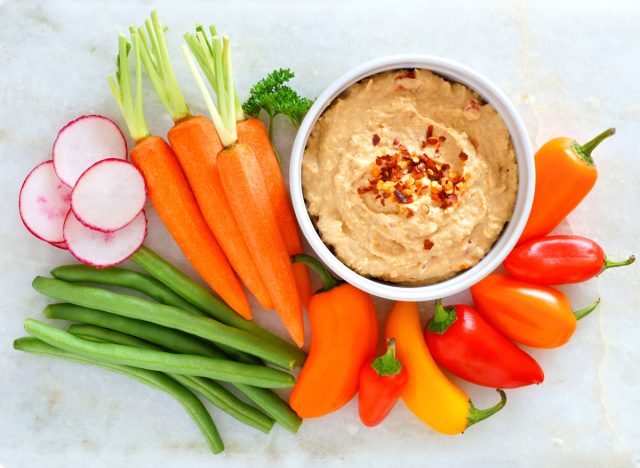
Hummus with Raw Vegetables: Hummus, a dip made from chickpeas, tahini (sesame paste), lemon juice, and olive oil, is a fantastic plant-based source of protein, fiber, and healthy fats. Chickpeas are legumes renowned for their fiber and protein content, while tahini contributes healthy monounsaturated fats. A typical serving of hummus (about 2 tablespoons) can offer 2-3 grams of protein and 2-3 grams of fiber. Pairing hummus with a generous portion of raw, crunchy vegetables like carrots, celery, bell peppers, broccoli florets, or snap peas creates a highly satisfying and nutrient-dense snack. This option is particularly beneficial for those seeking vegetarian or vegan-friendly weight loss snacks, providing sustained energy and supporting gut health.
-
An Ounce of Nuts (or a Few) with a Piece of Fruit: This classic combination offers a balanced mix of healthy fats, fiber, and some protein. Nuts such as almonds, walnuts, pistachios, or cashews are calorie-dense but packed with heart-healthy monounsaturated and polyunsaturated fats, fiber, and essential minerals like magnesium and zinc. Portion control is paramount here, as an ounce (approximately a small handful) provides adequate satiety without excessive calories. For instance, 23 almonds contain about 160 calories, 6 grams of protein, and 3.5 grams of fiber. Pairing nuts with a piece of whole fruit like an apple, banana, pear, or orange provides natural sugars for quick energy, along with additional fiber and a wealth of vitamins and antioxidants. The fiber in the fruit helps to temper the absorption of its natural sugars, preventing rapid blood glucose spikes, while the fats and fiber from the nuts ensure sustained fullness.
-
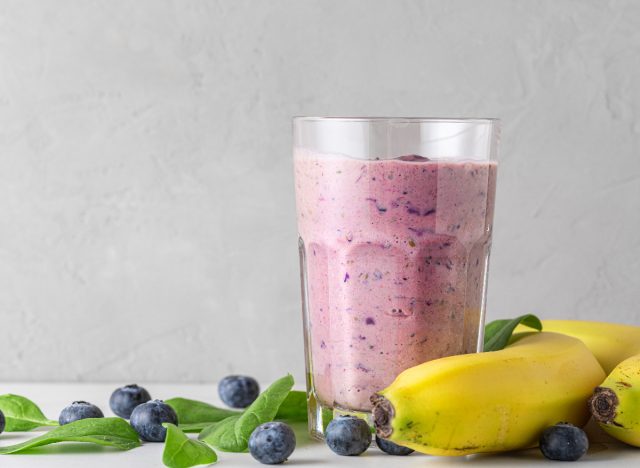
A Smoothie Using Whole Food Ingredients and Protein: Smoothies can be incredibly versatile and effective weight loss tools when constructed correctly. The emphasis is on "whole food ingredients and protein." This means avoiding fruit juices or excessive added sugars. A well-designed smoothie might include a base of unsweetened almond milk or water, a scoop of protein powder (whey, casein, pea, or soy), a handful of leafy greens (spinach, kale) for vitamins and fiber, and a small portion of fruit (berries or half a banana) for natural sweetness and antioxidants. Healthy fats can be incorporated via a tablespoon of chia seeds, flax seeds, or almond butter. This combination delivers a significant dose of protein, fiber, vitamins, and minerals in a convenient, portable format. The blend of macronutrients ensures satiety and provides a sustained energy release, making it an ideal meal replacement or a substantial snack.
How These Snacks Promote Satiety and Stabilize Blood Glucose
The efficacy of these dietitian-approved snacks in supporting weight loss hinges on their ability to promote satiety and maintain stable blood glucose levels. The high fiber and protein content in each option are critical factors. Both macronutrients take longer to digest compared to simple carbohydrates. This extended digestion period translates to a prolonged feeling of fullness, significantly decreasing the desire to overeat during subsequent meals. By establishing more balanced eating habits and reducing instances of excessive caloric intake, individuals are more likely to achieve and maintain a calorie deficit.
Dr. Joy elaborates on the physiological benefits: "These types of snack food can assist with maintaining consistent blood glucose levels, and consistent blood glucose levels are very important to regulate your hunger. The less your blood glucose levels fluctuate, the less you will experience hunger." This consistent regulation is paramount. When blood glucose levels surge rapidly after consuming refined carbohydrates and then plummet, it triggers a strong hunger response and cravings, often for more sugary foods. By providing a steady release of energy, these balanced snacks prevent these dramatic fluctuations, thus mitigating physiological hunger signals. This proactive approach helps to preemptively control appetite and reduce the likelihood of succumbing to less healthy food choices later in the day.
The Pitfalls of Conventional Snacking and Its Impact on Weight Loss Goals
Many widely available snacks actively undermine weight loss efforts due to their inherent nutritional profile. These products are often characterized by high concentrations of refined carbohydrates and added sugars, while simultaneously offering negligible nutritional value. They are engineered to be hyper-palatable and easily digestible, which, ironically, is their downfall from a weight management perspective.
"They’re easily digested, but do little to suppress our desire for additional food," Dr. Joy observes. This rapid digestion leads to a fleeting sense of satisfaction, quickly followed by renewed hunger, prompting individuals to consume more, thereby leading to excess calorie consumption throughout the day. A prime example is a bag of potato chips or a candy bar: while they might provide a momentary energy boost, they lack the fiber and protein necessary for sustained satiety, leaving one feeling hungry again shortly after.
Moreover, typical snack foods are often low in nutrient density. Dr. Joy explains, "Another reason why the snacks I recommend are better than typical snacks is that they have a larger volume of nutrients per serving than typical snacks. Most snack foods are designed so that we can eat too much of them with very little nutritional value. Therefore, when you choose to eat one of the snacks I recommend, the calories will provide satiety, or fullness." This distinction is crucial. Calories from highly processed snacks are often "empty calories," providing energy without essential micronutrients or macronutrients that contribute to lasting fullness. In contrast, the calories from dietitian-approved snacks are "fullness calories," delivering substantial nutritional benefits alongside satiety.
The Critical Role of Snack Timing and Mindful Eating
Beyond the selection of what to eat, the timing of snacks plays a more significant role in weight management than commonly perceived. Strategic snacking can act as a bridge between main meals, preventing excessive hunger that often leads to overconsumption.
"Snacks at appropriate times may prevent an interval of time from one meal to another in which individuals are likely to consume excess calories due to a large gap in time since the last meal. Snacking maintains consistent levels of energy throughout the day," Dr. Joy advises. For instance, a mid-morning or mid-afternoon snack can effectively curb hunger pangs that might otherwise lead to impulsive, unhealthy food choices.
Furthermore, timed snacking can be a potent defense against energy crashes and the subsequent craving for sweet treats. The typical mid-afternoon slump, often characterized by fatigue and reduced focus, is a common trigger for reaching for sugary snacks or caffeinated beverages. A balanced snack, rich in protein and fiber, can stabilize blood sugar and provide sustained energy, thereby supporting cognitive function and productivity.
Regarding evening snacking, Dr. Joy emphasizes a purposeful approach: "Evening snacking should be purposeful (not routine) and based on your body’s need for food as opposed to just eating out of habit. Protein-based snacks are usually the best choice." This distinction is vital. Many individuals snack out of habit, boredom, or stress in the evenings, rather than genuine hunger. Mindful eating practices, where one assesses true hunger cues before eating, are particularly important in the evening. If hunger is genuine, a protein-rich snack can prevent excessive hunger overnight without disrupting sleep or contributing to unwanted weight gain.
Broader Implications for Public Health and Sustainable Lifestyle Changes
The adoption of strategic snacking, as advocated by Dr. Joy, holds significant implications beyond individual weight loss. On a broader public health level, widespread implementation of these principles could contribute to a reduction in the prevalence of obesity and related chronic diseases such as type 2 diabetes, heart disease, and certain cancers. By empowering individuals with knowledge about nutrient-dense, satiating foods, it fosters a more proactive approach to health.
Moreover, these recommendations promote sustainable lifestyle changes rather than restrictive dieting. The emphasis on whole, unprocessed foods and balanced macronutrient intake encourages a harmonious relationship with food, moving away from deprivation and towards nourishment. This approach is more likely to lead to long-term success, as individuals learn to integrate healthy choices seamlessly into their daily routines. It also educates consumers on how to navigate the complex food environment, making informed decisions that benefit their health and well-being.
In conclusion, optimizing one’s grocery list to include dietitian-approved snacks is a critical, yet often overlooked, component of effective weight management. By focusing on foods rich in protein, healthy fats, and fiber, individuals can effectively curb mindless snacking, stabilize blood glucose, and maintain consistent energy levels. Dr. Kezia Joy’s five recommended snacks – cottage cheese with vegetables, Greek yogurt with fresh berries, hummus with raw vegetables, nuts with fruit, and whole-food protein smoothies – offer practical, versatile, and scientifically sound choices. Adopting these strategic snacking habits not only supports weight loss but also contributes to overall metabolic health and sustainable dietary practices, paving the way for lasting well-being.
