








The supplement industry, a rapidly expanding sector driven by consumer demand for health and wellness solutions, is once again under the spotlight following revelations of significant quality control issues within its product offerings. A recent independent testing initiative, commissioned by nutraceutical company Cata-Kor, has exposed alarming inconsistencies in the potency and purity of berberine supplements available on the market. The findings raise critical questions about consumer protection, regulatory oversight, and the integrity of product labeling, impacting both established brands and emerging players.
Cata-Kor, a company dedicated to advancing the efficacy and transparency of dietary supplements, initiated a comprehensive analysis of 20 berberine products purchased from the e-commerce giant Amazon. The selection included a diverse range of brands, notably featuring Cata-Kor’s own liposomal berberine supplement for comparative purposes. The rigorous testing, conducted by Swift Laboratories, employed high-performance liquid chromatography (HPLC), a widely recognized analytical technique for determining the precise concentration of chemical compounds. This method was applied to verify either the berberine or dihydroberberine content, as declared on each product’s label.
The results of this independent assessment were stark and concerning. Seven out of the 20 products tested failed to meet their stated label claims. In a particularly troubling instance, one product was found to contain no detectable levels of berberine whatsoever, despite being marketed as a potent supplement. This discrepancy highlights a critical failure in the supply chain and manufacturing processes of some supplement producers, leaving consumers vulnerable to purchasing ineffective or even fraudulent products.

Vlad Seuruk, CEO of Cata-Kor, expressed his profound concern over these findings, emphasizing the direct impact on consumers. "Someone who buys a 1,500 mg berberine supplement and gets almost none of it has no way to find out," Seuruk stated in a press release. "They take it for a couple months, see no change and decide berberine doesn’t work for them, while the bottle keeps selling." This sentiment underscores a systemic issue where consumers are often left to rely on brand trust and product claims, which, as this testing demonstrates, can be misleading. The financial implications for consumers are also significant, with individuals potentially spending money on products that offer no tangible health benefits.
Berberine, a bioactive compound derived from various plants such as Berberis vulgaris (European barberry) and Coptis chinensis (Chinese goldthread), has garnered considerable attention in recent years for its purported health benefits. Scientific research has explored its potential roles in managing blood sugar levels, supporting cardiovascular health, and influencing the gut microbiome. These promising applications have fueled a surge in consumer interest and, consequently, the market for berberine supplements. However, the integrity of these products is paramount to realizing their therapeutic potential.
The implications of Seuruk’s observation extend beyond individual consumer disappointment. If a significant portion of the market offers substandard products, it can erode public trust in the entire supplement industry. This can have a chilling effect on legitimate businesses that invest in quality control and rigorous testing, as they may struggle to compete with cheaper, less scrupulous competitors. Furthermore, the lack of transparency can hinder scientific progress, as flawed products might be used in anecdotal accounts or even informal studies, leading to misinterpretations of berberine’s efficacy.
Seuruk further commented on the achievability of accurate dosing, noting that based on the test results, "accurate dosing is entirely achievable." This suggests that the failures observed are not due to inherent limitations in the production of berberine supplements but rather a lack of commitment to quality assurance by certain manufacturers. The ease with which some brands met label claims, including Cata-Kor’s own liposomal formulation, indicates that adherence to stringent manufacturing practices is feasible.
The recent Cata-Kor testing adds to a growing body of evidence highlighting the need for greater transparency and accountability within the supplement industry. While regulatory bodies like the U.S. Food and Drug Administration (FDA) oversee supplements, their oversight is generally less stringent than that of pharmaceuticals. The onus often falls on manufacturers to ensure the safety and accuracy of their products, a responsibility that appears to be unmet by a segment of the industry. This situation underscores the importance of third-party testing and certifications to provide consumers with reliable assurances of product quality.
Broader Industry Context: The Challenge of Quality Control in Supplements

The berberine supplement issue is emblematic of broader challenges faced by the dietary supplement industry. The market is characterized by a vast array of ingredients, complex formulations, and diverse manufacturing processes. Ensuring consistent quality across this landscape is a monumental task. Several factors contribute to these challenges:
- Ingredient Sourcing and Purity: The raw materials used in supplements can vary significantly in quality depending on their origin, harvesting methods, and processing. Contamination with heavy metals, pesticides, or other harmful substances is a persistent concern.
- Manufacturing Practices: Inconsistent adherence to Good Manufacturing Practices (GMPs) can lead to variations in potency, the presence of contaminants, and incorrect ingredient ratios.
- Labeling Accuracy: As demonstrated by the berberine testing, a significant number of products fail to accurately reflect their contents on the label. This can be due to intentional misrepresentation, poor quality control, or inadequate analytical capabilities.
- Regulatory Gaps: While the FDA has regulations in place, the pre-market approval process for dietary supplements is not as rigorous as for pharmaceuticals. This means that many products are on the market before their safety or efficacy has been thoroughly vetted.
The situation necessitates a multi-pronged approach to improvement. Industry self-regulation, exemplified by Cata-Kor’s initiative, plays a crucial role. However, this must be complemented by stronger regulatory enforcement and increased consumer awareness. Educational campaigns can empower consumers to make informed choices, look for third-party certifications (such as NSF, USP, or ConsumerLab), and understand the limitations of supplement claims.
Emerging Trends and Innovations in the Supplement Landscape
Beyond the critical issues of quality control, the supplement industry continues to be a vibrant space for scientific innovation and product development. Recent developments highlight this dynamism:
Mushroom Supplements Gain Traction for Mood and Gut Health:
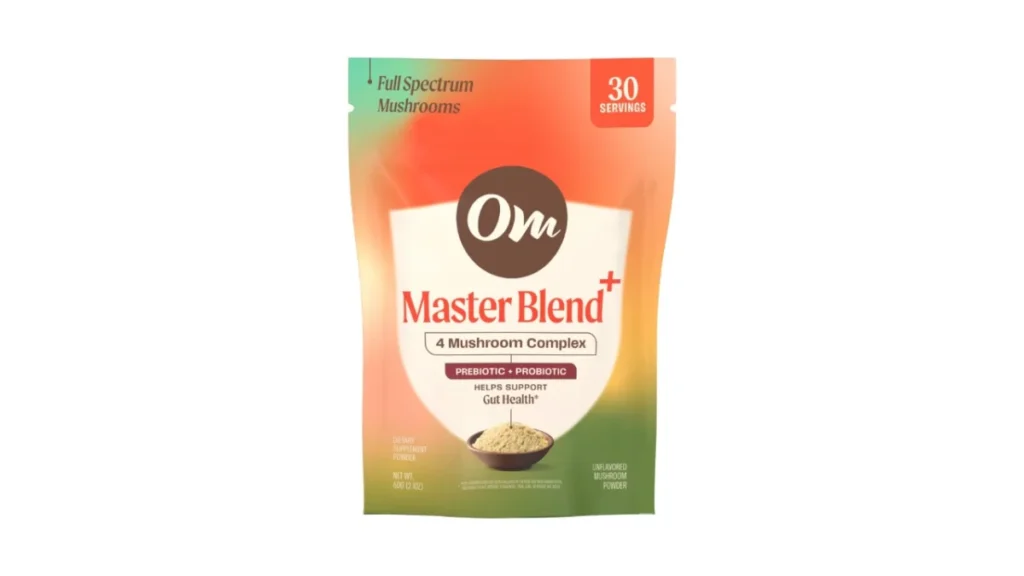
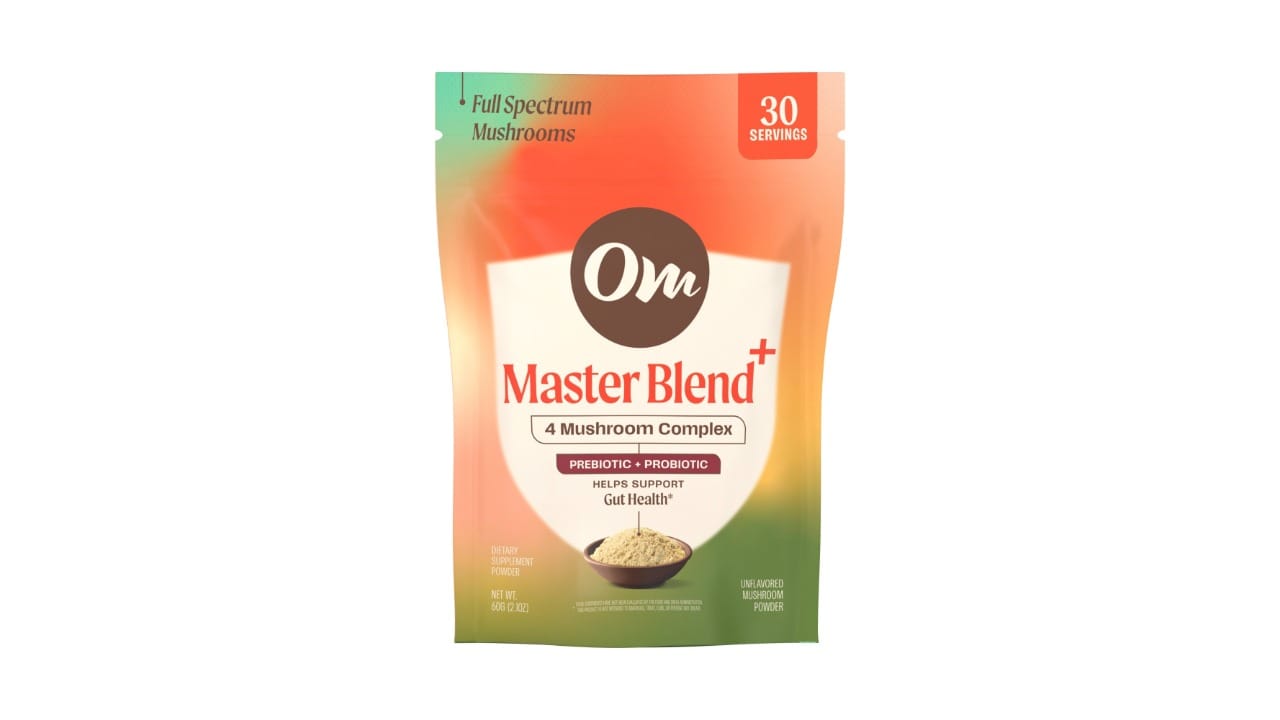
In parallel with the concerns surrounding berberine, research continues to illuminate the potential benefits of other natural compounds. Mushroom-based supplements, in particular, are demonstrating promising effects on both mental well-being and the intricate ecosystem of the gut microbiome. A recent announcement from mushroom supplement brand Om highlights the growing sophistication of these products. Om has launched a new prebiotic and probiotic mushroom powder formulated with mycelia, fruiting bodies, and/or primordia from four distinct mushroom species.
This innovative product leverages the synergistic properties of mushrooms, which contain a complex array of bioactive compounds. Psilocybe and other medicinal mushrooms are being studied for their potential to alleviate symptoms of depression and anxiety, with research exploring their impact on neurotransmitter pathways and brain plasticity. Simultaneously, the rich polysaccharide content in many mushrooms acts as prebiotics, feeding beneficial gut bacteria and promoting a healthier gut environment. This, in turn, can influence mood through the gut-brain axis, a bidirectional communication pathway between the digestive system and the central nervous system.
The inclusion of probiotics alongside prebiotics in Om’s formulation is a strategic move, aiming to directly introduce beneficial bacteria while simultaneously nourishing them. This integrated approach reflects a growing understanding of the interconnectedness of dietary interventions and overall health, moving beyond single-ingredient approaches to more holistic formulations. The development of such advanced mushroom supplements underscores the industry’s capacity for innovation when focused on scientific evidence and consumer needs.
Company and Organization Updates: Navigating Growth and Compliance
The supplement industry is not only a hub for product innovation but also for organizational growth and strategic development. Companies are continuously announcing new appointments, certifications, and partnerships that shape the competitive landscape and reflect evolving industry standards.
While specific details of recent company and organization updates were not elaborated upon in the provided text, such announcements typically include:
- New Leadership Appointments: Experienced professionals are often brought in to guide companies through periods of expansion, regulatory change, or strategic repositioning. These appointments can signal a company’s commitment to growth, quality, and innovation.
- Acquisitions and Mergers: Consolidation within the industry is common, as larger companies acquire smaller ones to expand their product portfolios or market reach.
- New Facility Openings or Expansions: Investment in state-of-the-art manufacturing facilities and research laboratories demonstrates a commitment to quality and production capacity.
- Obtaining Certifications: Securing certifications such as GMP, ISO, or specific ingredient certifications (e.g., organic, non-GMO) signifies adherence to stringent quality and safety standards, enhancing consumer confidence.
- Research and Development Milestones: Announcing breakthroughs in ingredient development, clinical trial results, or new product formulations showcases a company’s dedication to scientific advancement.
These organizational updates are crucial indicators of the industry’s health and direction. They reflect how companies are adapting to market demands, regulatory pressures, and the ongoing pursuit of scientific validation for their products.
The Path Forward: Ensuring Consumer Trust and Industry Integrity
The recent findings regarding berberine supplements serve as a critical reminder that the supplement industry must prioritize transparency, rigorous quality control, and ethical business practices. While innovation and scientific discovery continue to drive the sector forward, these advancements must be built on a foundation of trust.
For consumers, vigilance remains key. Seeking out brands that are transparent about their sourcing and manufacturing processes, and that support their claims with scientific evidence, is essential. Third-party certifications can provide an additional layer of assurance.
For the industry, the path forward involves a commitment to continuous improvement. This includes:
- Investing in Robust Quality Control: Implementing comprehensive testing protocols at every stage of production, from raw material sourcing to finished product.
- Enhancing Transparency: Providing consumers with clear and accurate information about ingredients, dosages, and manufacturing processes.
- Collaborating with Regulatory Bodies: Working proactively with agencies like the FDA to address regulatory gaps and improve oversight.
- Promoting Ethical Marketing: Ensuring that product claims are substantiated by scientific evidence and are not misleading.
The berberine supplement scandal, while concerning, presents an opportunity for the industry to reaffirm its commitment to consumer well-being. By addressing these quality control issues head-on and embracing a culture of accountability, the supplement industry can continue to grow responsibly, offering valuable health solutions backed by integrity and scientific rigor. The journey towards a more trustworthy and effective supplement market is ongoing, and initiatives like Cata-Kor’s independent testing are vital steps in that direction.
The author, Devon Gholam, Ph.D., an editor at SupplySide Supplement Journal, brings nearly two decades of experience in the functional food and nutraceutical industry. Her expertise spans product development, innovation, technical sales, and technical writing, having worked with companies such as Kellogg Co., Ganeden Biotech (now part of Kerry), and Step Change Innovations. Dr. Gholam’s passion for women’s health and her keen interest in the impact of GLP-1 medication on the food, beverage, and supplement industries highlight her commitment to staying at the forefront of industry trends and scientific discourse. She aims to foster an innovative and collaborative spirit within the nutraceutical community by sharing her knowledge and advocating for credible science.