








Whey protein powder stands as a cornerstone supplement for individuals seeking to augment their daily protein intake efficiently and effectively. Its status as a complete protein, furnishing all nine essential amino acids crucial for muscle synthesis, coupled with its rich supply of branched-chain amino acids (BCAAs) like leucine—known for promoting muscle growth—solidifies its popularity. To navigate the diverse market and identify top-tier options, this report consulted Pete Nastasi, a Certified Nutrition Coach (C.N.C.), who lent his expertise to evaluate over 50 protein powders. This comprehensive guide delves into the different types of whey protein (concentrate, isolate, and hydrolysate), offers guidance on selecting the most suitable option for individual needs, and highlights key nutritional considerations.
Methodology: A Rigorous Approach to Identifying Top Whey Proteins
The selection process for the best whey protein powders was guided by a multifaceted scoring methodology, ensuring a thorough evaluation of each product. This approach incorporated a range of critical factors, including ingredient quality, protein content per serving, taste, mixability, and the presence of any unnecessary additives. Furthermore, input from a distinguished panel of expert contributors, comprising registered dietitians and highly credentialed specialists in sports nutrition and exercise science, provided an additional layer of validation and insight. This collaborative effort aimed to present a list that is not only data-driven but also grounded in expert opinion and practical testing.
Our Top Selections for the Best Whey Protein Powders of 2025
Based on extensive testing and expert consultation, several whey protein powders emerged as frontrunners in the 2025 market. These selections represent a commitment to quality, efficacy, and user satisfaction, catering to a spectrum of dietary needs and preferences.

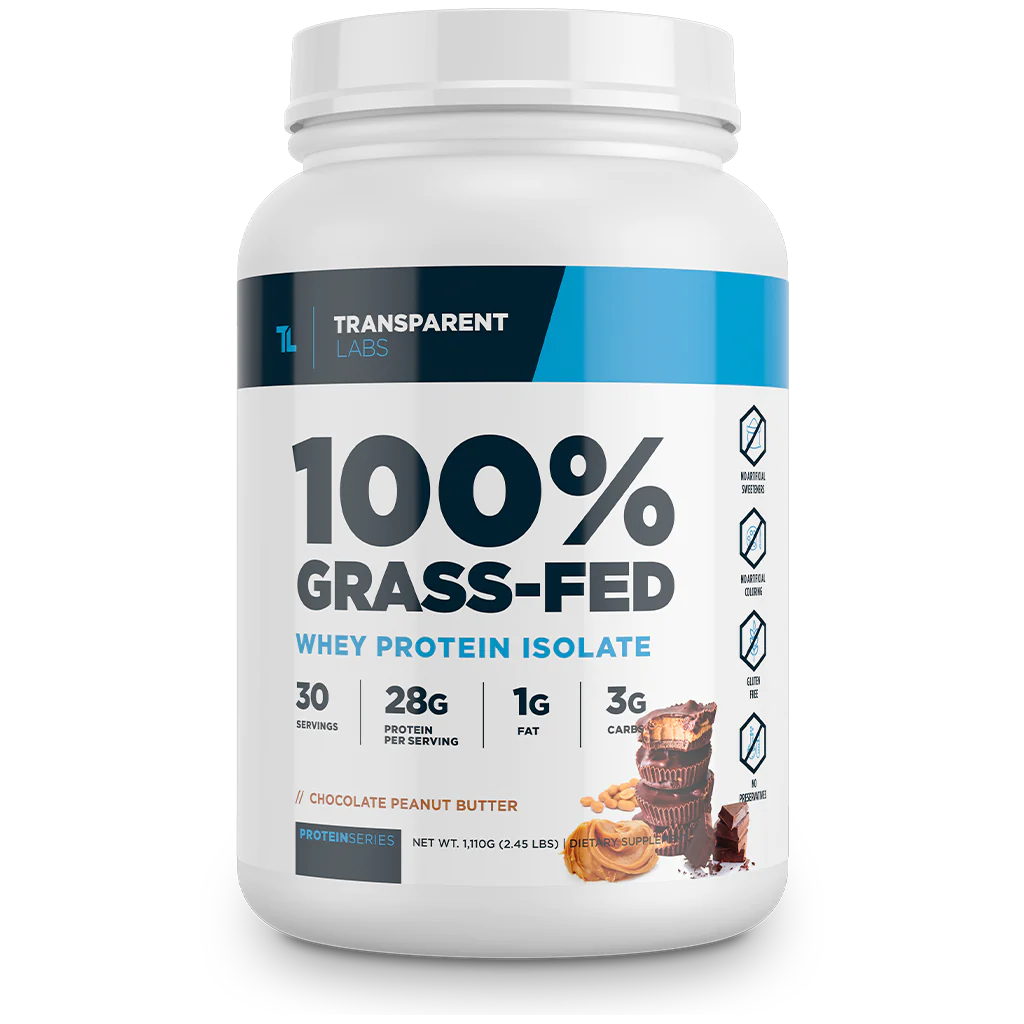
Best Overall Whey Protein Powder: Transparent Labs 100% Grass-Fed Whey Protein Isolate
Transparent Labs’ commitment to purity is evident in its 100% Grass-Fed Whey Protein Isolate. This product is meticulously filtered to strip away excess sugar, fat, carbohydrates, and lactose, delivering a concentrated dose of protein essential for muscle repair and growth. Whey protein isolate boasts the highest protein concentration among whey variants, making it an ideal choice for those aiming to manage carbohydrate and fat intake while maximizing protein consumption.
Each serving of Transparent Labs’ Whey Protein Isolate delivers an impressive 28 grams of protein, one of the highest amounts featured on this list. The brand also distinguishes itself with an appealing range of flavors, including unique options like Cinnamon French Toast. Notably, the sweetness profile is well-balanced, preventing an overly saccharine taste that could clash with fruit juices or smoothies, thus allowing for versatile consumption.
- Pros: High protein concentration, minimal sugar and fat, excellent flavor variety, grass-fed sourcing.
- Cons: May be more expensive than other options.
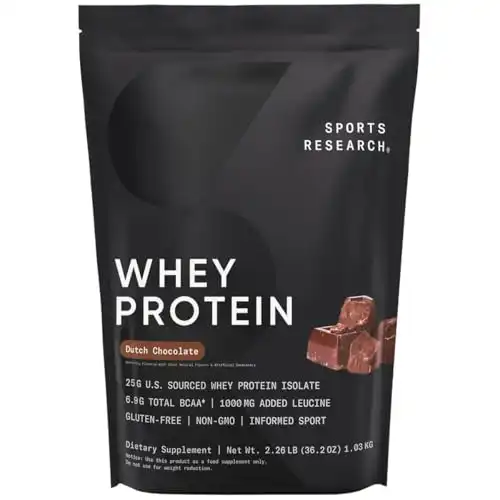
Best Chocolate Whey Protein: Sports Research Whey Protein
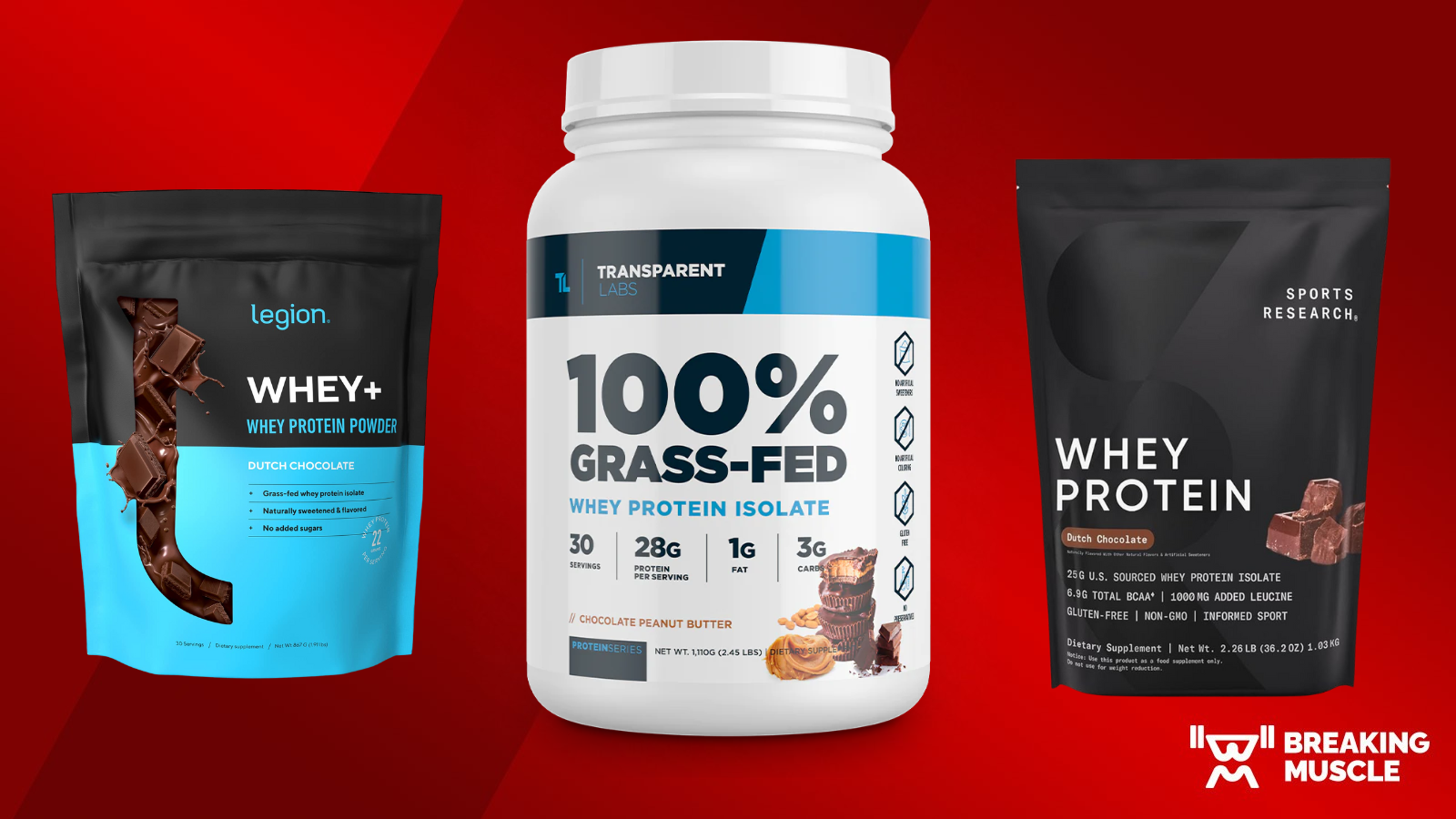
Sports Research Whey Protein stands out for its robust BCAA content, including 6.9 grams of BCAAs and 1,000 milligrams of L-leucine per serving. Research indicates that leucine plays a significant role in reducing delayed onset muscle soreness (DOMS), a common concern for athletes and active individuals. Depending on the flavor, this Informed Sport Certified protein powder is sweetened with either stevia or sucralose, a consideration for individuals sensitive to these sweeteners.
Rachel Pasche, a vocal proponent of this product, shares her positive experience, often enjoying a shake made with the Dutch Chocolate flavor as a nightly treat. She notes that while some might find it too sweet, she personally loves the taste, describing it as her favorite protein powder flavor to date. Pasche also commends its mixability, whether blended with a handheld mixer or shaken in a cup, noting that the initial foam dissipates quickly and there’s no clumping. Furthermore, after six months of consistent use, Pasche reports no instances of bloating, a common side effect she has experienced with other whey proteins.
- Pros: High in BCAAs and leucine, Informed Sport Certified, good mixability, palatable for those who prefer sweeter profiles, no reported bloating.
- Cons: Sweetened with stevia or sucralose, which may not suit everyone.
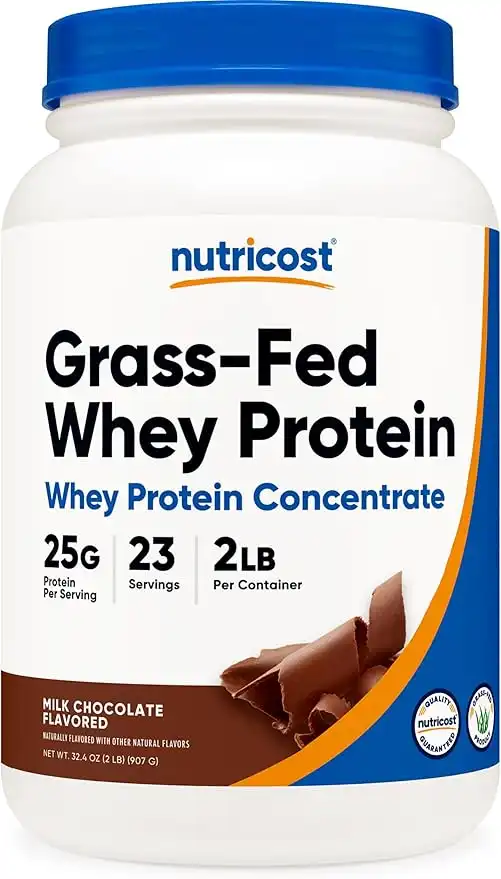
Best Grass-Fed Whey Protein: Nutricost Grass-Fed Whey Protein Concentrate
The benefits of grass-fed whey protein are well-documented, with studies suggesting that dairy from grass-fed cows contains a higher concentration of whey proteins and amino acids, potentially enhancing muscular training adaptations. Nutricost’s offering aligns with this, providing a non-GMO, gluten-free, and third-party tested grass-fed whey protein concentrate. Whey protein concentrate, like this product, often incorporates sunflower lecithin to improve mixability.
Testers have lauded the taste and mixability of Nutricost Grass-Fed Whey Protein Concentrate. Grant Smith, a tester, described the flavor as "nostalgic," likening it to Nesquik, and praised its mixability as comparable to superior protein powders he has previously used. He was particularly impressed by the absence of small clumps when mixed with milk. Smith conducted a separation test by letting a portion of his shake sit for nearly 10 minutes after initial mixing, observing only slight separation between the protein and skim milk, which he deemed not to detract from the overall enjoyment of the beverage.
- Pros: Grass-fed sourcing, non-GMO, gluten-free, third-party tested, pleasant nostalgic flavor, good mixability.
- Cons: May exhibit slight separation over time.
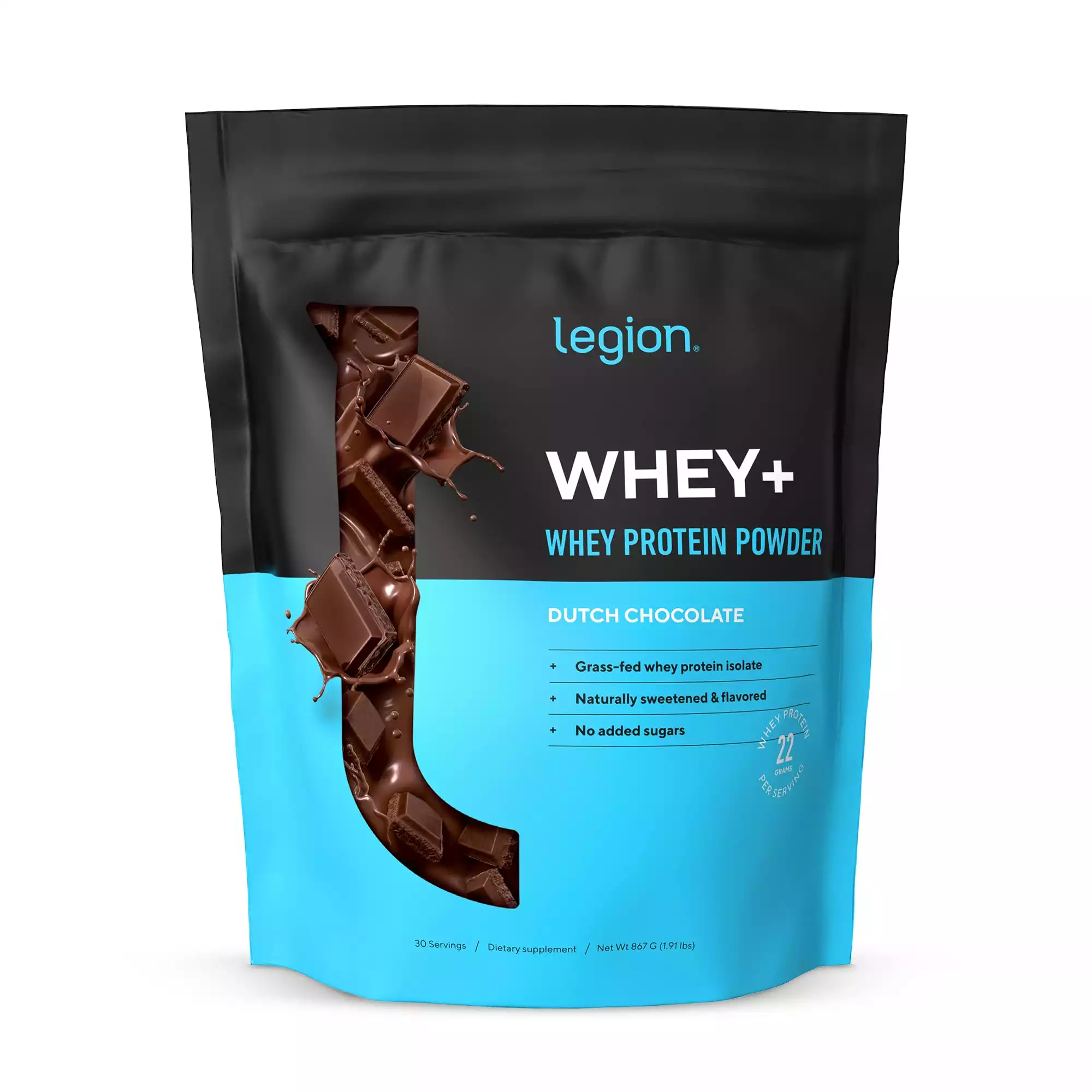
Best Vanilla Whey Protein: Legion Whey+
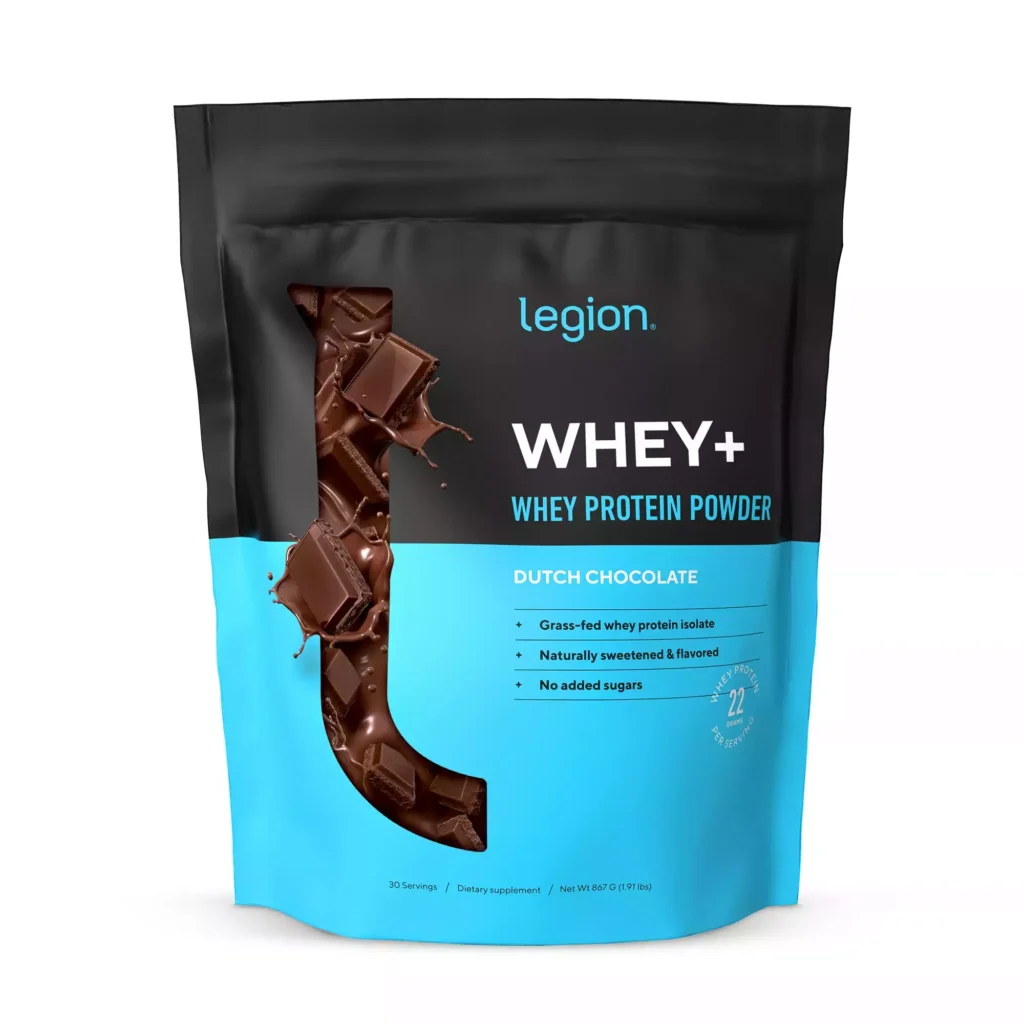
Legion Whey+ distinguishes itself through its rigorous third-party testing by Labdoor, a recognized standard for ensuring product purity and potency. This certification guarantees that the protein isolate is in its most nutritionally dense form, free from contaminants like pesticides and growth hormones. The whey in Legion Athletics is also filtered to remove excess carbohydrates and fats, a process designed to promote bloat-free digestion.
Testers have consistently praised the taste of Legion Whey+, with particular commendation for the French Vanilla flavor. Kayla Godfrey described it as tasting "like a vanilla creamer," while Carlo Barajas echoed this sentiment, calling it "delicious" with a "great vanilla taste." This focus on flavor, combined with its purity and digestive benefits, positions Legion Whey+ as a top choice for vanilla enthusiasts.
- Pros: Labdoor certified for purity, filtered to reduce carbs and fats, excellent vanilla flavor, promotes bloat-free digestion.
- Cons: May be on the higher end of the price spectrum.
Best Tasting Whey Protein: Gainful Protein Powder
A common criticism of protein powders is their tendency to taste chalky or leave an unpleasant aftertaste. Gainful Protein Powder aims to address this head-on. The testing team found the Caffe Mocha flavor to possess a subtle, not overly sweet profile. Barry Bridges likened it to an "at-home cappuccino mix," while Rachael Harris noted that the coffee flavor was light, leaning more towards a chocolate profile.
For those who prefer variety or are not fond of coffee flavors, Gainful offers nine distinct flavors available in individual-use packets. This allows consumers to customize their protein intake based on daily cravings. Nastasi, a seasoned user of Gainful, highlights Chocolate Peanut Butter, Caffe Mocha, and Sea Salt Caramel as his personal favorites, underscoring the brand’s commitment to diverse and appealing flavor options.
- Pros: Addresses chalky taste concerns, subtle and pleasant flavors, customizable flavor options, good for variety seekers.
- Cons: Individual packets might be less economical for frequent users.
Understanding Whey Protein: A Nutritional Powerhouse
Whey protein is a highly bioavailable protein source derived from cow’s milk, which is composed of two primary proteins: casein and whey. Whey constitutes approximately 20% of the milk protein and is recognized as a high-quality protein. Its classification as a complete protein stems from its comprehensive amino acid profile, including all nine essential amino acids that the human body cannot synthesize independently. Beyond its basic nutritional value, whey protein has been linked to potential health benefits, including enhanced immune function and improved cardiometabolic health. Typically available in powder form, it can be easily incorporated into beverages or soft foods, and even used in cooking to boost the nutritional content of baked goods, offering a high-protein, low-fat alternative to traditional ingredients like cream, butter, or eggs.
The Three Forms of Whey Protein: A Detailed Breakdown
When selecting a whey protein product, understanding the different processing methods that yield concentrate, isolate, and hydrolysate is crucial for making an informed decision. These distinctions primarily relate to the level of processing and subsequent nutritional composition.
Whey Protein Concentrate (WPC)
Whey protein concentrate represents the least processed form of whey. Consequently, it retains the highest levels of lactose (milk sugar), fat, carbohydrates, and other naturally occurring nutrients. Food manufacturers often utilize WPC as a cost-effective substitute for dairy and eggs in products such as sauces, soups, and baked goods, leveraging its ability to impart flavor, color, and texture while extending shelf life. However, WPC generally contains the lowest protein content among the three types, typically ranging from 70% to 80% protein.
Whey Protein Isolate (WPI)
Whey protein isolate undergoes further filtration and processing compared to concentrate. This refinement process results in a product with a significantly higher protein content, often exceeding 90%, and a reduced amount of lactose. Its high protein concentration makes WPI a preferred choice for sports nutrition companies developing supplements, protein bars, and other protein-fortified products. A notable trade-off, however, is that WPI may contain fewer of the beneficial micronutrients found in whey concentrate.
Whey Protein Hydrolysate (WPH)
Whey protein hydrolysate, also known as hydrolyzed whey, is produced through a process called partial hydrolysis. This enzymatic or acid-based treatment breaks down the protein chains into smaller peptides, theoretically making it easier and faster for the body to absorb. WPH is digested more rapidly than WPC or WPI, and studies have shown it can lead to a notable increase in blood sugar levels post-consumption. Despite this, research also indicates that whey protein, in general, may contribute to improved glycemic control, suggesting that the impact on blood sugar is manageable within a balanced dietary context.
Key Benefits of Incorporating Whey Protein Powder
The primary advantage of whey protein powder lies in its convenience and high-quality protein profile. While individuals who consistently meet their protein requirements through whole foods like meat, dairy, legumes, and vegetables may not need supplements, whey protein can be a valuable addition for those struggling to achieve adequate protein intake.
Muscle Building and Growth Support
Whey protein is exceptionally rich in essential amino acids, particularly BCAAs, which are fundamental for maintaining muscle integrity and promoting muscle hypertrophy (growth) in conjunction with resistance training. Incorporating a protein powder designed for muscle gain can significantly enhance dietary protein intake, thereby optimizing the stimulus for muscle protein synthesis.
Preservation of Lean Muscle Mass
During periods of caloric deficit aimed at weight loss, preserving lean muscle mass is paramount. A protein-rich diet aids in this objective by signaling the body to prioritize fat metabolism for energy, rather than breaking down muscle tissue. Whey protein’s contribution to satiety further supports weight management goals.
Assistance with Weight Management
Whey protein consumption has been shown to induce a feeling of fullness, or satiety, which can help regulate appetite and reduce overall caloric intake throughout the day. This satiating effect, coupled with its role in muscle preservation, makes whey protein a beneficial component of a weight loss strategy.
Optimal Utilization of Whey Protein Powder
Effective use of whey protein powder begins with understanding individual daily protein requirements. This is influenced by factors such as fitness objectives, body weight, activity level, and body composition. A general guideline for calculating daily protein intake involves multiplying body weight in pounds by 0.8. For most active individuals, this calculation yields a sufficient protein target. It is crucial to remember that whey protein powder is a supplement, intended to complement, not replace, primary dietary protein sources.
Following the instructions on the product label is essential for proper preparation, typically involving mixing one scoop with 10 to 12 ounces of a preferred beverage. Protein powders can also be seamlessly integrated into smoothies, oatmeal, pancake batter, and other food items. While whey protein can be consumed at any time, it is commonly used as a post-workout supplement to initiate muscle tissue repair and recovery processes.
Potential Side Effects and Considerations
When consumed in moderation, whey protein powder is generally considered safe for healthy adults and is unlikely to cause adverse effects. However, excessive intake can potentially lead to digestive discomfort, dehydration, and, in rare cases, nutrient deficiencies. It is imperative to integrate whey protein powder into a balanced dietary plan and avoid relying on it as the sole protein source. Any unusual symptoms experienced after consumption should prompt immediate cessation of use and consultation with a healthcare professional.
Who Stands to Benefit from Whey Protein?
Whey protein powder offers advantages to individuals seeking to increase their daily protein intake, particularly those who find it challenging to meet their needs through diet alone. This is especially relevant for highly active individuals, including athletes, bodybuilders, and fitness enthusiasts, who have elevated protein requirements due to their training regimens.
Moreover, older adults may also benefit from whey protein supplementation. As individuals age, the body’s efficiency in protein absorption from food can diminish. Protein supplements can provide an accessible means for older adults to meet their daily protein requirements and support muscle health, which is critical for maintaining mobility and independence.
Navigating the Selection Process: Choosing Your Ideal Whey Protein
Selecting the best whey protein powder involves considering several key factors to align with personal needs and preferences.
Type of Protein: Concentrate, Isolate, or Hydrolysate
Examine the product’s ingredient list to identify the specific type(s) of whey protein used. Some brands offer blends that combine different forms of whey.
Taste and Palatability
The market offers a vast array of flavors, from unflavored to complex combinations. Choosing a protein powder you enjoy is vital for consistent consumption. Experimenting with smaller quantities or sample packs before committing to larger sizes is advisable. Creative additions like fruits, flavored milks, or juices can also enhance flavor profiles.
Nutritional Profile
Review the nutritional label for protein content per serving, typically around 25 grams, which is considered optimal for stimulating muscle protein synthesis. Also, pay attention to calories, fat, carbohydrates, fiber, vitamins, minerals, and amino acid profiles to ensure the product provides maximum benefit without unnecessary additives.
Additives and Allergen Considerations
Scrutinize the ingredient list for any additives or allergens you wish to avoid. Labels often indicate the presence of common allergens such as soy or if the product was manufactured in a facility handling nuts.
Price and Value
Whey protein supplements vary significantly in price, with per-serving costs ranging from approximately $1.16 to $3.41, and container prices from $34 to $95. Identifying an option that fits your budget without compromising quality is key.
Frequently Asked Questions About Whey Protein
-
How often should I consume whey protein?
Consumption frequency depends on individual needs and goals. Integrating protein with meals or snacks every three to five hours is recommended. However, protein powder should not be the sole protein source. One serving per day is generally considered reasonable, but consult a doctor if considering replacing more than one meal with a protein shake. -
Is whey protein powder safe?
For healthy individuals, whey protein powder is generally safe when consumed in moderation. Those with pre-existing medical conditions or severe lactose intolerance should consult a healthcare professional prior to use. -
What is the best time to take whey protein powder?
There is no definitive "best time." Timing can be flexible, aligning with individual goals and lifestyles. Some prefer it in the morning for a quick breakfast, while others opt for post-workout consumption to aid muscle recovery. Consistency in overall daily protein intake is more critical than precise timing.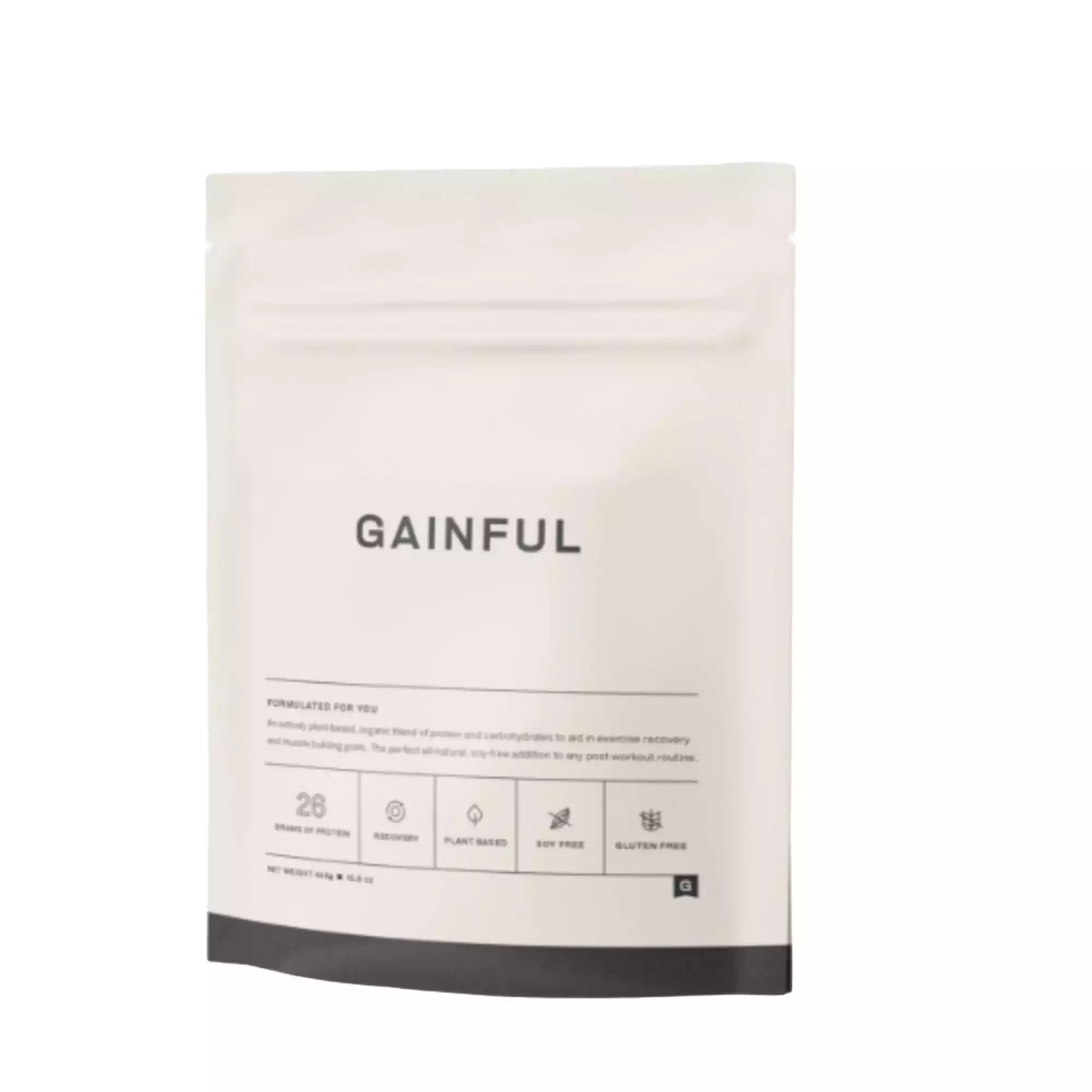
-
Can whey protein powder help with weight loss?
Yes, whey protein can support weight loss by promoting satiety, regulating hunger, and helping to preserve lean muscle mass during caloric deficits. Some research suggests it may also reduce abdominal fat when combined with weight training. -
What are the disadvantages of whey protein?
Overconsumption can lead to side effects such as digestive issues, potential kidney or liver strain, acne, and disruptions to gut bacteria. These are typically associated with excessive intake over prolonged periods. Ensuring adequate hydration and a varied diet rich in fruits and vegetables can mitigate some risks. -
How do I know if my whey is good quality?
High-quality whey protein can be identified by reviewing the label for the whey source, nutritional profile, and ingredient list. Look for traceable, organic, and certified ingredients, and a lack of fillers and artificial sweeteners. Reputable brands often display third-party certifications and seals as indicators of quality assurance.