







The supplement industry is witnessing significant shifts, driven by robust consumer spending on weight management, emerging scientific validation for key ingredients, and strategic corporate consolidation. A recent survey reveals that nearly three-quarters of consumers have invested in weight-loss solutions over the past year, underscoring a pervasive health-conscious trend. Concurrently, scientific reports are shedding light on the efficacy of ingredients like curcumin and grape pomace, bolstering their market potential. In a move that signals a significant industry realignment, Procter & Gamble has announced its agreement to acquire Thorne, a prominent player in the dietary supplement market. These developments, spanning from consumer behavior to scientific innovation and corporate strategy, paint a vivid picture of a dynamic and evolving supplement landscape.
Weight-Loss Efforts Intensify: Affordability Dictates Consumer Choices
The pursuit of weight loss has become a substantial financial undertaking for American consumers, with an average annual expenditure nearing $1,400 on products and services dedicated to this goal. This figure, derived from a recent survey conducted by telehealth provider Trimi, indicates that approximately seven out of ten Americans have allocated funds towards weight-loss initiatives within the last twelve months. This widespread engagement highlights a profound societal focus on health and wellness, often necessitating significant financial commitment.

The survey, which polled over 1,000 respondents, further details the allocation of these substantial expenditures. Gym memberships emerged as the most common expense, cited by 37% of participants. Closely following, at 36%, were dietary supplements, illustrating their integral role in consumers’ weight-management strategies. This near-parity between gym memberships and supplements suggests that consumers are employing a multi-faceted approach, combining physical activity with nutritional support.
Interestingly, when consumers were asked to identify the most overpriced aspect of their weight-loss journey, prescription medications were identified as such by a considerable 45% of respondents. In stark contrast, only 9% of those surveyed viewed supplements as overpriced. This perception suggests that consumers find greater value and affordability in the supplement category, despite the significant investment. This differential perception could be attributed to several factors, including the accessibility and perceived efficacy of supplements compared to the often high cost and potential side effects associated with prescription weight-loss drugs.
"Americans are spending significant money on weight loss, cutting back elsewhere to afford it, and largely believe that investment is worthwhile," stated Trimi in their report. This sentiment underscores a consumer conviction in the benefits of weight-loss pursuits. However, the report also acknowledges a significant segment of the population whose access to potentially beneficial prescription weight-loss medication is hampered by cost. "At the same time, a substantial share of the country wants access to prescription weight-loss medication but is held back by cost, not doubt about its potential," Trimi elaborated. This presents a clear market opportunity for accessible and cost-effective alternatives, a space where the supplement industry is well-positioned to thrive.
The burgeoning market for weight-loss solutions, particularly those influenced by the rise of glucagon-like peptide-1 (GLP-1) medications, is a focal point for industry stakeholders. SupplySide Global is set to address this critical topic during its October event with a new "pick your path" educational session. This initiative will feature three distinct breakout sessions designed to cater to various industry needs: supporting consumers currently on GLP-1 medication, assisting those transitioning off these drugs, and providing alternatives for consumers seeking non-pharmacological approaches. This forward-thinking approach reflects the industry’s proactive stance in adapting to evolving therapeutic landscapes and consumer demands. Further details regarding this session and the comprehensive educational program schedule can be found on the SupplySide Global website.

Clinical Currents and Scientific Breakthroughs: Unlocking the Potential of Natural Ingredients
Beyond consumer spending trends, the scientific community continues to validate the efficacy of natural compounds for various health benefits, including weight management. Emerging research is highlighting the significant potential of curcumin and grape pomace derivatives, offering new avenues for product development and innovation within the supplement sector.
Curcumin, the active compound in turmeric, has long been recognized for its potent anti-inflammatory and antioxidant properties. Recent scientific reports have further elucidated its role in metabolic health and weight management. Studies indicate that curcumin can influence various molecular pathways involved in fat metabolism, adipogenesis (the formation of fat cells), and energy expenditure. For instance, research published in journals such as the Journal of Nutritional Biochemistry has demonstrated that curcumin supplementation can lead to reductions in body weight, body mass index (BMI), and waist circumference in overweight and obese individuals. It has also been shown to improve lipid profiles and reduce inflammatory markers associated with metabolic syndrome. The bioavailability of curcumin has historically been a challenge, but advancements in formulation technologies, such as the development of liposomal or phytosome-based curcumin, have significantly enhanced its absorption and efficacy, making it a more attractive ingredient for supplement manufacturers targeting the weight-loss market.
Similarly, grape pomace, a byproduct of winemaking, is gaining traction as a valuable source of bioactive compounds, including polyphenols like resveratrol and anthocyanins. These compounds possess antioxidant and anti-inflammatory properties and are increasingly being studied for their contributions to cardiovascular health, cognitive function, and metabolic regulation. Scientific investigations have suggested that grape pomace extracts can exert beneficial effects on blood sugar control and lipid metabolism, potentially aiding in weight management by improving insulin sensitivity and reducing the absorption of dietary fats. Furthermore, the antioxidant capacity of grape pomace polyphenols can help mitigate oxidative stress, a common factor in obesity-related health complications. The sustainable sourcing of grape pomace also aligns with growing consumer demand for environmentally conscious products.
The ongoing research into these natural ingredients signifies a critical juncture for the supplement industry. As scientific evidence mounts, manufacturers are empowered to develop more targeted and efficacious products, backed by robust scientific data. This not only builds consumer trust but also differentiates products in a crowded marketplace. The ability to substantiate health claims with peer-reviewed research is paramount, and the continuous exploration of ingredients like curcumin and grape pomace ensures a pipeline of innovation for the industry.
Dietary Supplement Finished Product News: Innovation and Strategic Acquisitions Shape the Market
The supplement industry is characterized by a constant flow of new product launches and significant corporate transactions, reflecting both innovation and strategic market consolidation. In a noteworthy development, Procter & Gamble (P&G), a global consumer goods giant, has entered into an agreement to acquire Thorne, a highly regarded company in the health and wellness sector known for its premium supplements and commitment to scientific rigor.
This acquisition is poised to have a considerable impact on the dietary supplement market. Thorne, established in 1994, has built a strong reputation for its high-quality ingredients, extensive research and development, and stringent quality control measures. The company’s product portfolio spans a wide range of health categories, including sports nutrition, general wellness, and targeted health solutions. P&G’s decision to acquire Thorne signals a strategic move to expand its presence in the rapidly growing health and wellness space, a segment that has seen increased consumer interest, particularly in the wake of global health events.
For Thorne, the acquisition by P&G offers access to broader distribution channels, enhanced marketing capabilities, and greater resources for expansion. P&G, in turn, gains a significant foothold in the premium supplement market, leveraging Thorne’s established brand equity and scientific credibility. This synergy could lead to accelerated product development and wider accessibility of Thorne’s offerings to a global consumer base. The integration of Thorne into P&G’s existing portfolio, which includes brands like Vicks and Crest, could also present opportunities for cross-promotional activities and the development of integrated health solutions.
The acquisition also comes at a time when the supplement industry is facing increased scrutiny regarding product quality, efficacy, and marketing claims. Thorne’s commitment to third-party testing and its focus on science-backed formulations are likely to be key assets in this evolving regulatory environment. P&G’s extensive experience in navigating global regulatory landscapes will undoubtedly benefit Thorne as it continues to grow.
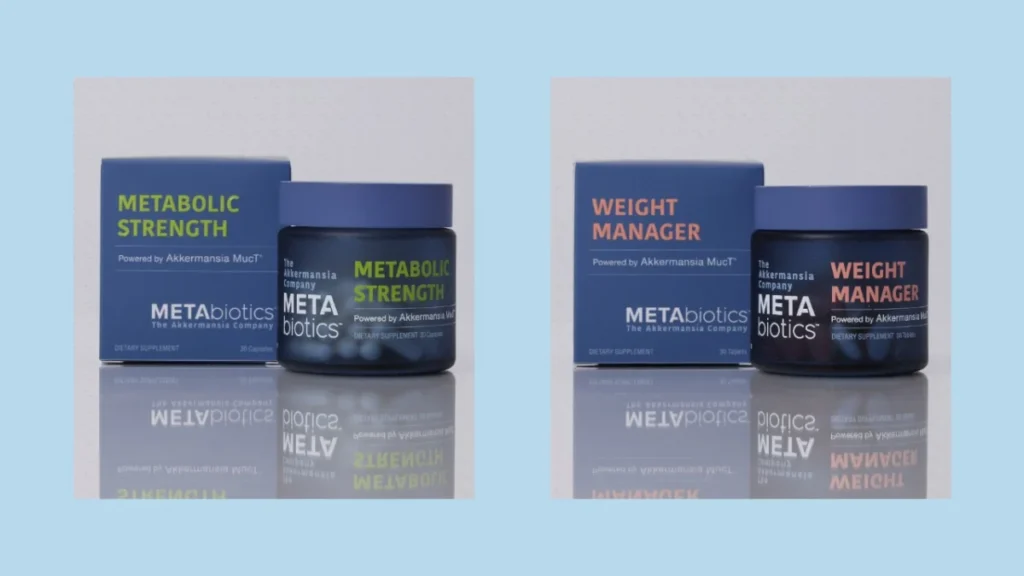
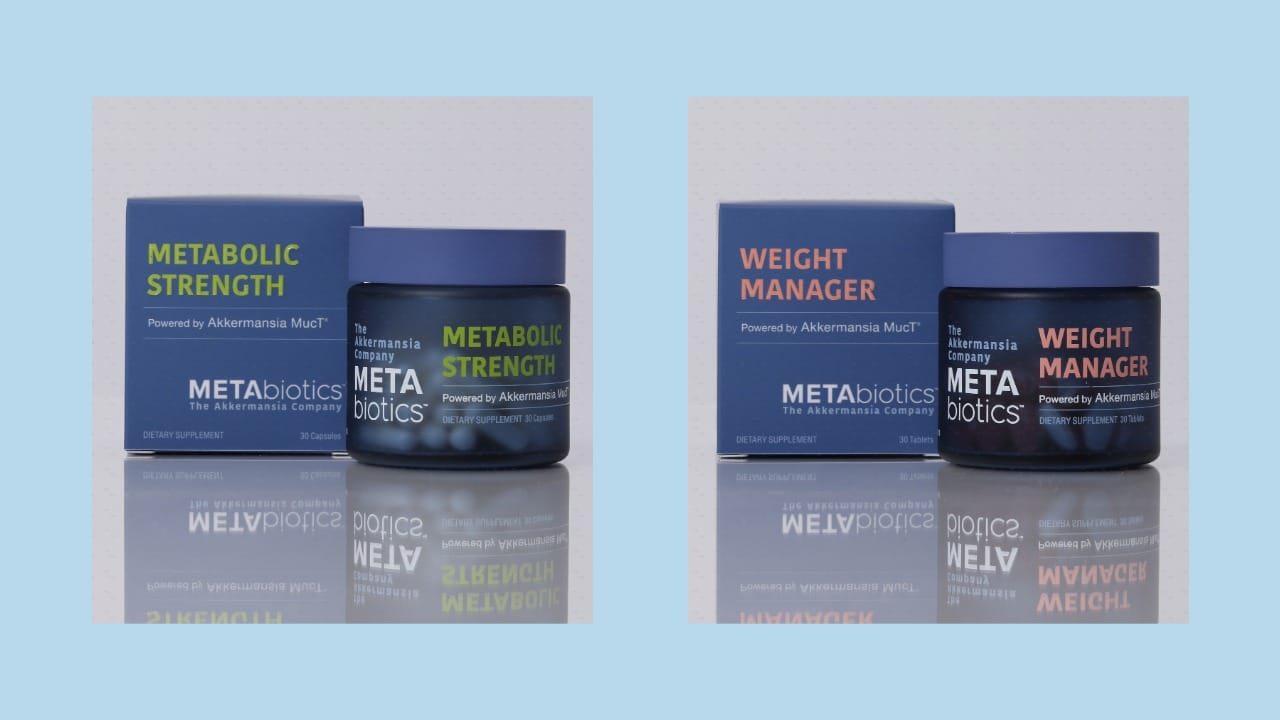
Beyond major acquisitions, the finished product segment of the dietary supplement market remains vibrant with innovation. Companies are continuously introducing new formulations and delivery systems to meet specific consumer needs. For example, The Akkermansia Company recently launched METAbiotics, a new dietary supplement line featuring the postbiotic Akkermansia muciniphila MucT. Postbiotics, which are the beneficial compounds produced by probiotics, are gaining significant attention for their potential to support gut health and influence various physiological processes, including metabolism and immunity. The introduction of such novel ingredients in finished product formats reflects the industry’s ongoing commitment to leveraging cutting-edge scientific research to develop advanced health solutions.
Company and Organization Updates: A Call for Collaboration and Innovation
The supplement industry thrives on the continuous exchange of information and the celebration of innovation. SupplySide Supplement Journal actively seeks to highlight groundbreaking developments within the sector. Manufacturers and researchers are encouraged to share news about the launch of innovative ingredients and products, the publication of new clinical trials, and any significant upcoming announcements. Such contributions are vital for fostering a collaborative and informed industry environment.
For those with news to share, reaching out to Devon Gholam, Editor at SupplySide Supplement Journal, at [email protected] is the designated channel. Devon Gholam brings nearly two decades of experience in the functional food and nutraceutical industry, with a background encompassing product development, innovation, technical sales, and technical writing at prominent companies such as Kellogg Co., Ganeden Biotech (now part of Kerry), and Step Change Innovations. Her expertise and passion for credible science, particularly in areas like women’s health and the impact of GLP-1 medication, make her an invaluable resource for connecting industry developments with a broader audience. Gholam’s dedication to fostering an innovative and collaborative spirit within the nutraceutical community underscores the importance of open communication and shared knowledge in driving the industry forward.
The confluence of robust consumer demand for weight management solutions, the growing scientific validation of natural ingredients, and strategic industry consolidation, as exemplified by the P&G acquisition of Thorne, paints a picture of a sector poised for continued growth and transformation. The commitment to scientific integrity and innovative product development will be crucial in navigating the evolving landscape and meeting the diverse health needs of consumers worldwide.