


The evolution of modern nutritional science has increasingly prioritized the role of protein as the foundational macronutrient for both metabolic health and athletic performance. While historically associated primarily with the bodybuilding community, high-protein and low-carbohydrate dietary strategies have moved into the mainstream as effective tools for weight management, muscle preservation, and the stabilization of blood glucose levels. Registered dietitians now emphasize a "protein-first" approach to meal planning, acknowledging that the quality and variety of protein sources are as critical as the quantity consumed.
The Evolution of Macronutrient Recommendations
The shift toward high-protein, low-carbohydrate diets represents a significant departure from the late 20th-century nutritional guidelines, which favored high-carbohydrate, low-fat intake. Since the early 2000s, a growing body of clinical research has challenged the traditional food pyramid, suggesting that higher protein intake can mitigate the loss of lean muscle mass during caloric deficits and improve overall metabolic rate.
Modern dietary protocols often distinguish between the Recommended Dietary Allowance (RDA)—the minimum amount required to prevent deficiency (0.8 grams per kilogram of body weight)—and optimal intake for active individuals. Current consensus among sports nutritionists suggests that athletes and those engaged in resistance training require between 1.76 and 2.75 grams of protein per kilogram (approximately 0.8 to 1.25 grams per pound) of body weight to support tissue repair and hypertrophy.
The Metabolic Advantages of Protein Consumption
Protein offers unique physiological benefits compared to fats and carbohydrates. One of the primary mechanisms is the Thermic Effect of Food (TEF). Clinical data indicates that the body expends significantly more energy processing protein (approximately 20–30% of the calories consumed) than it does for carbohydrates (5–10%) or fats (0–3%). This metabolic "tax" on protein makes it an inherently more efficient macronutrient for those seeking fat loss.
Furthermore, protein has a superior satiating effect. By stimulating the release of satiety hormones such as cholecystokinin (CCK) and peptide YY (PYY), while simultaneously suppressing the "hunger hormone" ghrelin, high-protein meals help regulate appetite over longer periods. This hormonal response is a critical factor in dietary compliance, reducing the likelihood of overconsumption.
A Comprehensive Analysis of High-Protein, Low-Carb Sources
To avoid dietary fatigue and ensure a broad spectrum of micronutrients, registered dietitians recommend a diverse selection of animal and plant-based proteins. The following 20 foods are classified by their nutritional density and versatility.
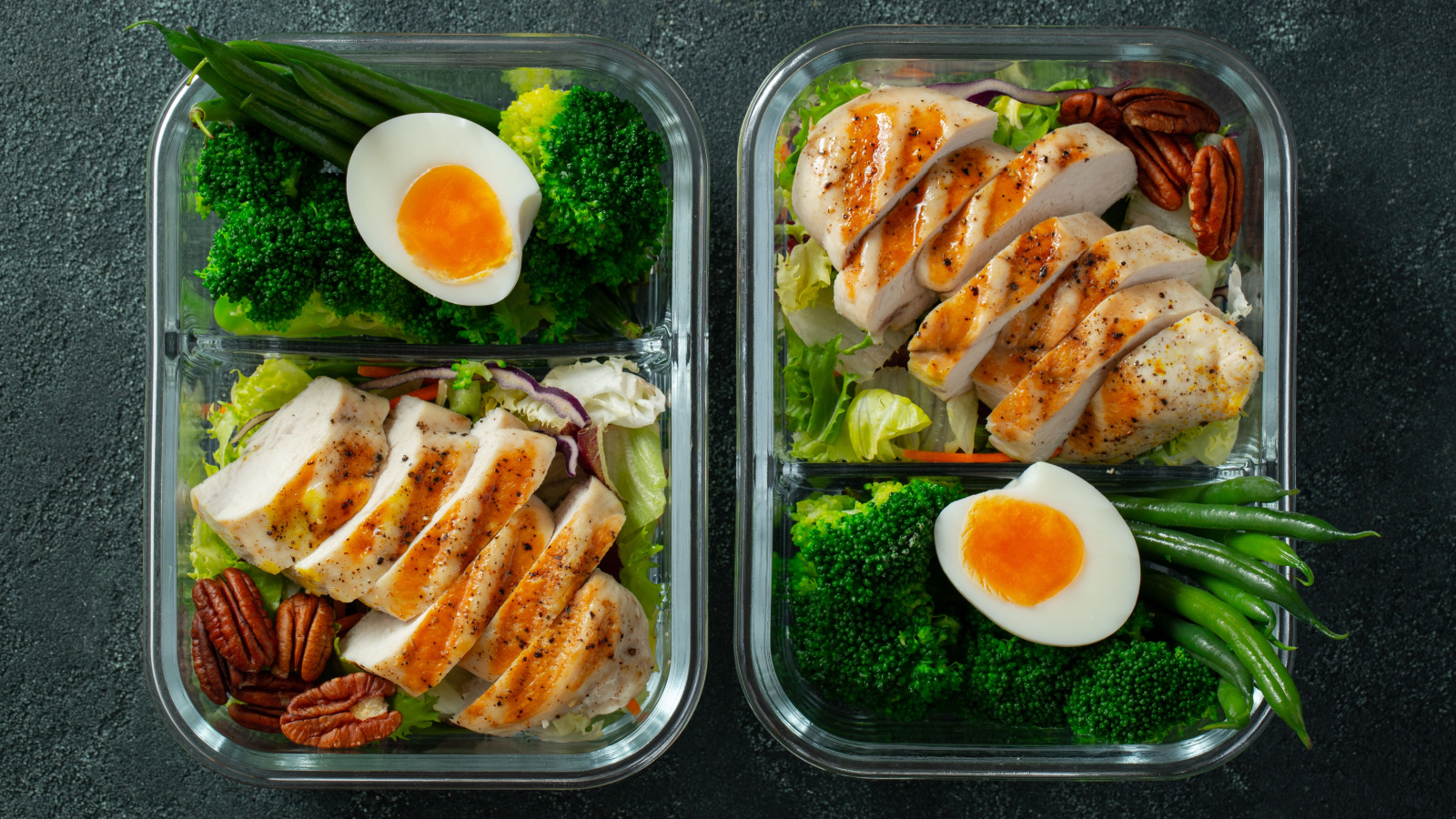
1. Whole Eggs
Eggs remain the "gold standard" for protein quality due to their complete amino acid profile and high bioavailability. Beyond the 6–7 grams of protein per egg, the yolks contain essential fat-soluble vitamins (A, D, E, and K) and choline, which is vital for brain health.
2. Egg Whites
For those seeking to maximize protein intake while minimizing caloric density, egg whites provide a pure protein source. They are devoid of fat and carbohydrates, making them an ideal "volume food" for adding to scrambles or oats without significantly altering the macronutrient balance.
3. Salmon
Salmon is a dual-purpose food, providing high-quality protein alongside heart-healthy omega-3 fatty acids (EPA and DHA). These fats are essential for reducing systemic inflammation, a common concern for high-intensity athletes.
4. Sardines
Often overlooked, sardines are nutrient powerhouses. They offer a similar omega-3 profile to salmon but with the added benefit of calcium and phosphorus when consumed with their soft, edible bones. Their low position on the food chain also means they contain fewer heavy metals like mercury.
5. Tuna
Tuna, particularly when packed in water, is one of the leanest protein sources available. It is highly portable and provides significant amounts of selenium, a trace mineral that acts as a powerful antioxidant.
6. Shrimp
Shrimp offers a high protein-to-calorie ratio, making it an excellent choice for restrictive diets. A 3-ounce serving typically contains 18–20 grams of protein with less than 100 calories.
7. Pork Chops
Modern lean cuts of pork, such as the loin or chop, are comparable to chicken breast in terms of fat content. They are rich in thiamine (Vitamin B1), which is essential for energy metabolism.

8. Pork Shoulder
While higher in fat than the chop, pork shoulder provides a moderate-fat protein source that is ideal for slow-cooking methods. It contains significant amounts of zinc and B vitamins.
9. Ham
Cured ham serves as a lean, pre-cooked protein option. However, dietitians often advise monitoring sodium levels, as processed meats can contribute to water retention and elevated blood pressure in sensitive individuals.
10. Sirloin Steak
Sirloin is a lean red meat option that provides heme iron, which is more easily absorbed by the body than non-heme iron found in plants. This makes it crucial for preventing anemia and maintaining energy levels.
11. Strip Steak
Similar to sirloin, strip steak offers a high protein density. It is particularly rich in Vitamin B12, which is necessary for proper nerve function and the formation of red blood cells.
12. Ribeye Steak
For those on ketogenic or higher-fat diets, ribeye provides significant marbling. While higher in calories, the fat content provides a dense energy source and aids in the absorption of fat-soluble vitamins.
13. Lean Ground Beef (95/5)
Ground beef with a 5% fat ratio allows for the creation of versatile meals like burgers or meat sauces while keeping saturated fat intake within recommended limits.
14. Beef Liver
Often referred to as "nature’s multivitamin," beef liver is exceptionally high in Vitamin A, copper, and riboflavin. While its flavor profile is polarizing, its nutrient density is unmatched by muscle meats.

15. Cottage Cheese
Cottage cheese is a unique dairy source containing high levels of casein protein. Because casein is digested slowly, it provides a steady release of amino acids into the bloodstream, making it a popular pre-sleep snack for muscle recovery.
16. Greek Yogurt
Strained Greek yogurt contains double the protein of traditional yogurt. It also provides probiotics, which support gut health and may improve the absorption of other nutrients.
17. Chicken Breast
The staple of the fitness industry, chicken breast is almost entirely protein. Its mild flavor allows it to be adapted to various cuisines, ensuring it remains a sustainable part of a long-term diet.
18. Chicken Thighs
Chicken thighs offer a slightly higher fat content than breasts, which many find more palatable. They are also higher in certain minerals, such as iron and zinc, compared to white meat.
19. Whey Protein Powder
Whey is a fast-digesting byproduct of cheesemaking. It is particularly high in leucine, the primary amino acid responsible for triggering muscle protein synthesis.
20. Casein Protein Powder
Like cottage cheese, casein powder is used for its slow-release properties. It is often used in baking or as a thick pudding to provide long-lasting satiety.
Strategic Implementation: A Sample 3,500-Calorie Protocol
To illustrate the practical application of these foods, consider a 200-pound athlete requiring high caloric intake to support intense training. The following distribution balances 1.25 grams of protein per pound of body weight with a moderate carbohydrate and low-fat approach.
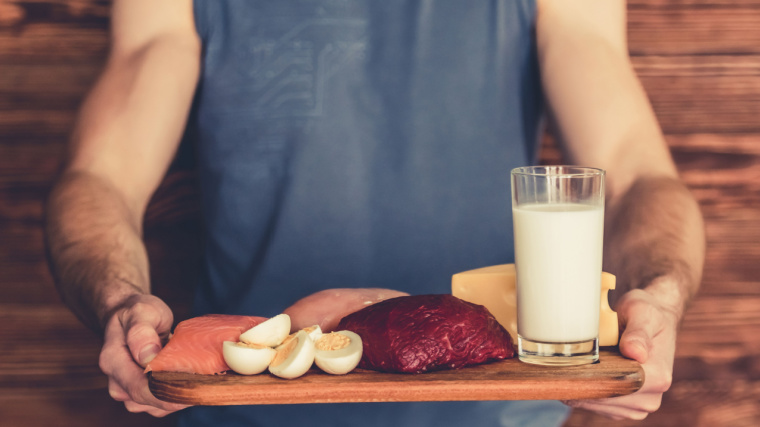
- Breakfast: A combination of five large egg whites and two whole eggs, paired with a high-fiber carbohydrate source like oats. (50g Protein)
- Mid-Morning Snack: Two scoops of whey protein mixed with water or a low-calorie milk alternative, supplemented with a piece of fruit. (45g Protein)
- Lunch: 8 ounces of grilled chicken breast served with a large portion of complex carbohydrates, such as brown rice and fibrous vegetables. (65g Protein)
- Afternoon Snack: 1.5 cups of low-fat cottage cheese topped with berries or nuts. (34g Protein)
- Dinner: 8 ounces of lean sirloin steak or salmon, accompanied by a large sweet potato and steamed greens. (67g Protein)
This sample daily total reaches approximately 261 grams of protein, aligning with the upper end of performance recommendations.
Broader Implications and Public Health
The move toward higher protein consumption has broader implications for public health, particularly in the management of metabolic syndrome and type 2 diabetes. By replacing refined carbohydrates with high-quality proteins, individuals often see improvements in insulin sensitivity and lipid profiles.
However, registered dietitians caution that a "high protein" label does not automatically equate to "healthy." The sourcing of these proteins—prioritizing whole foods over highly processed deli meats or low-quality supplements—is vital. Furthermore, the environmental and economic impact of protein sourcing has led to a rise in "flexitarian" approaches, where individuals rotate high-quality animal proteins with plant-based alternatives like tempeh or lupin beans to manage costs and ecological footprints.
In conclusion, a successful high-protein, low-carb diet is built on variety and strategic planning. By utilizing a diverse list of nutrient-dense foods, individuals can meet their physiological needs while maintaining dietary enjoyment and long-term adherence. The integration of professional guidance ensures that these dietary choices align with specific health markers and performance objectives.
