










The dietary supplement industry continues its dynamic evolution, with recent developments highlighting shifting consumer priorities, promising scientific advancements, and a robust pipeline of new product introductions. This week’s insights reveal that cognitive health is now the primary driver for creatine supplementation, a notable departure from its traditional association with athletic performance. Concurrently, emerging clinical trials are underscoring the significant health benefits of collagen peptides and fucoidan, while manufacturers are actively engaging the market with novel ingredients and finished products. These trends, spanning from cutting-edge scientific discoveries to consumer-facing innovations, paint a comprehensive picture of the vibrant and expanding supplement landscape.
Cognitive Health Emerges as Primary Driver for Creatine Use
A groundbreaking survey of over 2,100 creatine users has revealed a significant trend: approximately two-thirds of consumers now cite cognitive health as their principal reason for incorporating creatine into their supplement regimen. This finding, published in a recent report by the Journal of the International Society of Sports Nutrition, marks a substantial pivot in the perceived utility of this widely recognized compound. Traditionally lauded for its role in enhancing athletic performance, energy production, and muscle growth, creatine’s application is evidently broadening into the realm of brain health and cognitive function.
The survey, a collaborative effort between researchers at Oklahoma State University and the dietary supplement tracking application SuppCo, captured a diverse demographic. Respondents were nearly evenly split between men and women, with an average age of 55, suggesting that the appeal of creatine extends beyond younger athletic populations to encompass an older demographic increasingly focused on maintaining mental acuity. This demographic consideration is crucial, as age-related cognitive decline is a growing concern for a significant portion of the population, and consumers are actively seeking proactive nutritional strategies to support brain health.

While the intention to continue creatine use remains exceptionally high, with 98% of respondents indicating their plans to do so, a notable disconnect exists between user expectations and perceived benefits. Only 55% of those surveyed reported experiencing a tangible benefit from their creatine intake. This figure dips even lower for the substantial segment of users (67.8%) who specifically endorse creatine for cognitive enhancement. Within this group, a mere 35.6% reported experiencing a perceived benefit in cognitive function.
The study’s authors astutely address this "cognitive expectation gap," suggesting it may not necessarily indicate a lack of efficacy but rather a potential "dose-translation issue." This implies that current dosing strategies, which have historically been geared towards physical performance, might need re-evaluation or optimization for cognitive benefits. The research highlights the complexity of translating scientific findings into practical consumer outcomes and underscores the need for further investigation into optimal dosages and formulations for specific health outcomes.
Jordan Glenn, Ph.D., head of science at SuppCo, emphasized the unique value of this "untraditional" study. "We were able to get information and insights from people in the real world using these products, from all over the United States," he stated in a LinkedIn post, underscoring the authenticity and breadth of the data collected. The use of a real-world data platform like SuppCo provides a valuable counterpoint to controlled clinical trials, offering a glimpse into how supplements are actually used and perceived by a broad consumer base.
Glenn also pointed to a gender-specific observation from the survey: women reported experiencing more side effects than men. This finding warrants further research to understand potential physiological differences in how men and women respond to creatine supplementation, particularly concerning cognitive applications. Such nuanced insights are critical for developing more personalized and effective supplementation strategies.
Clinical Currents and Scientific Advancements
Beyond the consumer-focused creatine study, the supplement industry is abuzz with promising clinical findings related to other key ingredients. Recent research is shedding light on the multifaceted health benefits of collagen peptides and fucoidan, two compounds garnering increasing attention for their therapeutic potential.

Collagen Peptides: Beyond Skin Deep
Collagen, the most abundant protein in the human body, is a cornerstone of connective tissues, including skin, bones, tendons, and cartilage. As the body’s natural collagen production declines with age, supplementation has become a popular strategy to support structural integrity and overall health. While collagen’s role in enhancing skin elasticity and reducing wrinkles has long been recognized, new clinical trials are expanding our understanding of its broader systemic benefits.
Emerging research suggests that collagen peptides, through their unique amino acid profile and bioavailability, can positively impact joint health, bone density, and even gut health. Studies are investigating the potential of collagen supplementation to alleviate symptoms of osteoarthritis, reduce joint pain, and improve mobility in athletes and older adults. Furthermore, preliminary evidence indicates that collagen may play a role in strengthening the gut lining and supporting a healthy gut microbiome, contributing to improved digestive health and potentially influencing immune function. The growing body of evidence supporting these diverse applications is driving increased interest from both consumers and formulators.
Fucoidan: Unlocking Marine-Derived Potential
Fucoidan, a complex sulfated polysaccharide found in the cell walls of brown seaweed, is another ingredient attracting significant scientific scrutiny. Traditionally used in Asian medicine, fucoidan is now being explored for its potent bioactive properties, including immunomodulatory, antioxidant, antiviral, and anticoagulant effects.
Recent clinical trials are exploring fucoidan’s potential in areas such as immune support, cancer prevention and treatment adjunct therapy, and cardiovascular health. Its ability to modulate immune responses suggests applications in managing inflammatory conditions and enhancing the body’s defense mechanisms. Furthermore, ongoing research is investigating its potential role in supporting a healthy gut microbiome and improving metabolic health. As the demand for natural, science-backed ingredients grows, fucoidan stands out as a promising compound with a rich history and a compelling future in the supplement industry.
The continuous unveiling of new clinical data for ingredients like collagen and fucoidan is critical for substantiating product claims, guiding product development, and educating consumers about the scientifically validated benefits of dietary supplements. This ongoing commitment to research fosters trust and credibility within the industry.
Dietary Supplement Finished Product Innovations
Complementing the scientific advancements, the market is witnessing a surge of innovative finished product launches. Companies are leveraging emerging scientific insights and consumer trends to develop novel formulations that address specific health needs and preferences.
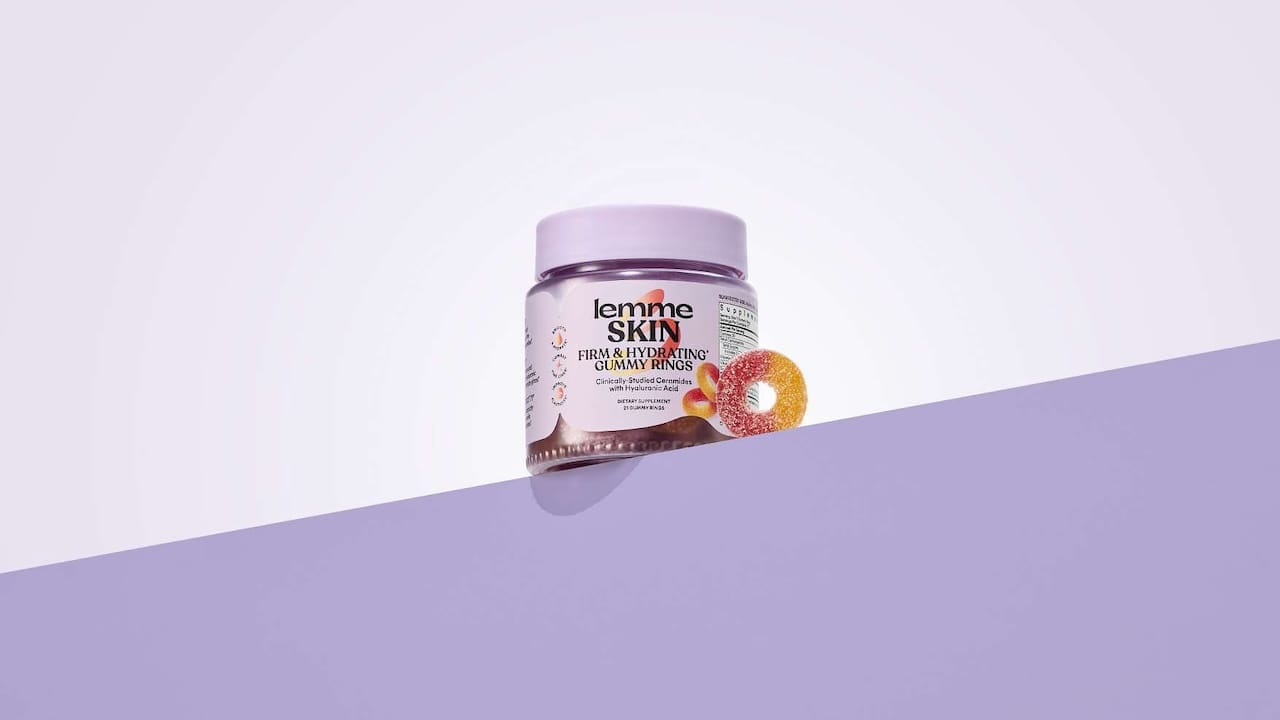
One such example is the recent launch of gummy rings formulated with ceramides, hyaluronic acid, and sea buckthorn to support skin health. This product, by Lemme, exemplifies a growing trend towards ingestible beauty and functional gummies that offer a convenient and enjoyable way to consume beneficial ingredients. The combination of these ingredients targets multiple facets of skin health, from hydration and elasticity to protection against environmental stressors.
The proliferation of functional gummies, as well as other novel delivery formats such as powders, beverages, and chewables, reflects a broader industry strategy to enhance consumer experience and accessibility. These innovations are not merely about convenience; they often involve sophisticated formulation techniques to ensure ingredient stability, bioavailability, and palatability.
The continuous stream of new product introductions underscores the industry’s responsiveness to consumer demand for targeted solutions. Whether addressing the growing interest in cognitive health, joint support, immune function, or beauty from within, manufacturers are actively translating scientific research into accessible and appealing consumer products. This competitive landscape drives innovation and provides consumers with an ever-expanding array of options to support their health and wellness goals.
Company and Organization Updates
The dynamism of the supplement industry is further reflected in the ongoing activities of companies and organizations within the sector. From ingredient suppliers announcing new proprietary compounds to finished product manufacturers expanding their portfolios, the pace of development remains high. The industry thrives on a continuous cycle of research, development, and market introduction, fostering a collaborative ecosystem.
SupplySide Supplement Journal actively seeks to document these developments. The publication encourages companies and researchers to share their latest innovations, clinical trial results, and upcoming announcements. This open communication channel is vital for disseminating knowledge, fostering partnerships, and highlighting the scientific progress that underpins the industry’s growth. Companies are urged to reach out to editors with their news, ensuring that groundbreaking research and novel products receive the visibility they deserve within the functional food and nutraceutical community.
The commitment to sharing information extends to fostering a deeper understanding of emerging trends. For instance, the impact of GLP-1 medications on the food, beverage, and supplement industries is a topic of significant interest. Publications like SupplySide Supplement Journal are dedicated to exploring these intersections, providing valuable insights for industry stakeholders navigating this evolving landscape.
The editorial team, comprised of seasoned professionals with extensive experience in the functional food and nutraceutical industries, plays a crucial role in curating and contextualizing this information. Their expertise in product development, innovation, and technical writing ensures that the content is not only informative but also credible and forward-thinking. This dedication to scientific rigor and industry engagement is paramount in building a more innovative and collaborative nutraceutical community.
In conclusion, the supplement industry is characterized by its constant evolution, driven by scientific discovery, changing consumer needs, and relentless innovation. The current landscape highlights a significant shift in consumer focus towards cognitive health, underscored by the growing popularity of creatine for mental well-being. Simultaneously, promising research into collagen peptides and fucoidan continues to expand the therapeutic potential of these ingredients. This scientific progress, coupled with a vibrant market for finished products and ongoing company developments, positions the supplement industry for continued growth and impact on global health and wellness.