







Creatine, a compound synthesized naturally within the human body and also found in certain foods, has long been recognized for its significant role in energy production, particularly during high-intensity physical activities. Its efficacy in enhancing muscle growth, improving athletic performance, and accelerating recovery has cemented its status as one of the most researched and widely used supplements globally. While often associated with elite athletes and bodybuilders, creatine’s benefits extend to a broader audience seeking to optimize their physical capabilities and well-being. This comprehensive guide explores the top creatine supplements available, detailing their formulations, benefits, and considerations for consumers.
Understanding Creatine’s Mechanism and Benefits
Creatine is an amino acid derivative that plays a crucial role in the body’s energy systems. Specifically, it aids in the regeneration of adenosine triphosphate (ATP), the primary energy currency of cells, which is vital for muscle contractions. During strenuous exercise, ATP stores are depleted rapidly. Creatine supplementation helps to replenish these stores more efficiently, allowing for greater power output, increased work capacity during training sessions, and a delay in fatigue.
The scientific literature extensively supports creatine’s multifaceted benefits:

- Enhanced Athletic Performance: Numerous studies have demonstrated creatine’s ability to improve performance in activities requiring short bursts of intense energy, such as sprinting, weightlifting, and interval training. A meta-analysis published in the Journal of the American College of Nutrition confirmed that creatine supplementation consistently enhances maximal strength and power output.
- Increased Muscle Mass: Creatine facilitates muscle hypertrophy through several mechanisms, including increased cell hydration (leading to a "cell volumization effect") and potential enhancements in muscle protein synthesis. Research in Nutrients indicates that combining creatine with resistance training significantly boosts muscle mass gains compared to resistance training alone.
- Accelerated Recovery: Post-exercise muscle damage and soreness can be mitigated with creatine supplementation. Studies published in journals like Sports Medicine suggest that creatine can reduce markers of muscle damage and inflammation, leading to faster recovery between training sessions.
- Cognitive Function: Emerging research suggests that creatine may also benefit brain health. As the brain is an energy-demanding organ, creatine’s role in ATP production could enhance cognitive functions, particularly those requiring rapid processing and quick thinking. A study in BMC Medicine highlighted potential improvements in cognitive performance, especially in tasks involving speed and memory.
- Bone Density and Musculoskeletal Health: Beyond athletic performance, creatine supplementation, in conjunction with resistance training, has shown promise in improving bone density and muscle mass in older adults, contributing to overall musculoskeletal health and potentially reducing the risk of age-related decline.
Types of Creatine
The market offers various forms of creatine, each with purported benefits. However, creatine monohydrate remains the most extensively studied and recommended form.
- Creatine Monohydrate: This is the foundational form of creatine, consisting of a creatine molecule bound to a water molecule. It is widely available, cost-effective, and backed by decades of research confirming its efficacy and safety.
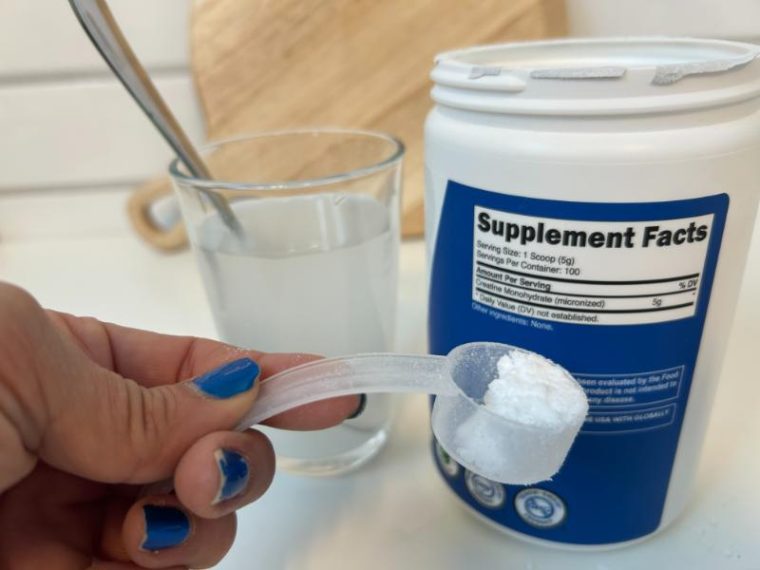
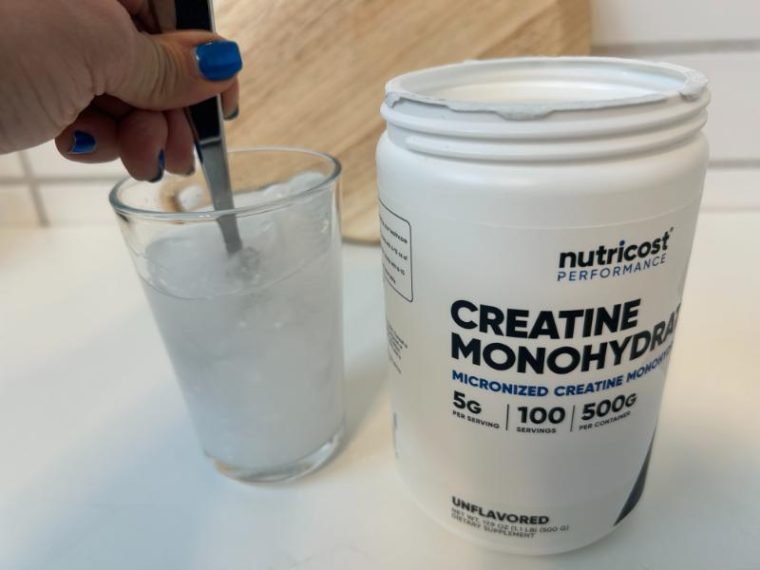
- Micronized Creatine Monohydrate: This is essentially creatine monohydrate that has been processed to reduce particle size. The intention is to improve its solubility in water, potentially leading to faster absorption and reduced gastrointestinal discomfort for some individuals. While it mixes more easily, research, as noted by R.D. Anna Marie Clear, indicates that micronized creatine is not necessarily more bioavailable than standard monohydrate.
- Other Forms (e.g., Creatine Ethyl Ester, Creatine Nitrate, Buffered Creatine): While these forms are marketed with claims of enhanced absorption or effectiveness, scientific evidence supporting their superiority over creatine monohydrate is often mixed or limited. For instance, creatine ethyl ester has shown less efficacy in some studies, and buffered creatine has not demonstrated significant advantages in training outcomes compared to monohydrate.
Top Creatine Supplements Reviewed
The selection of creatine supplements involved rigorous testing by product testers and expert consultation, focusing on formulation, taste, mixability, ingredient quality, dosage, and affordability.
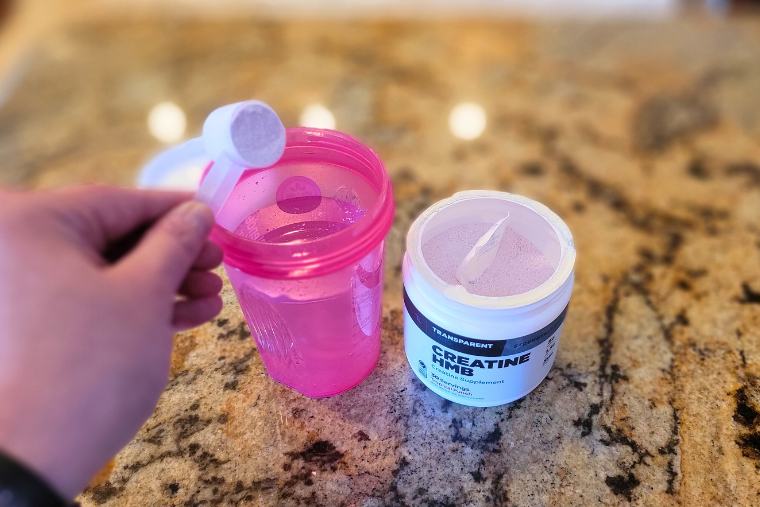
Transparent Labs Creatine HMB
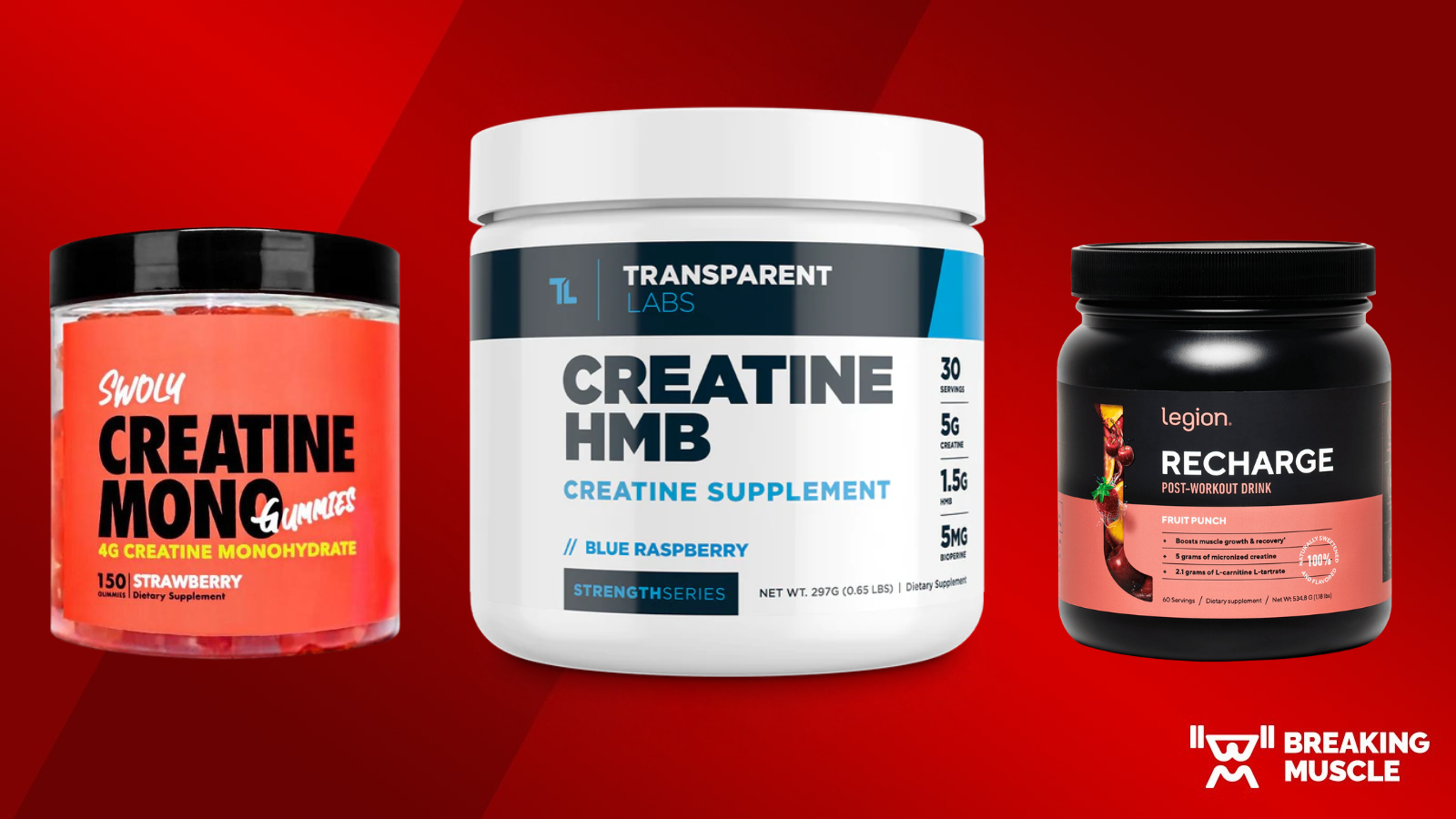
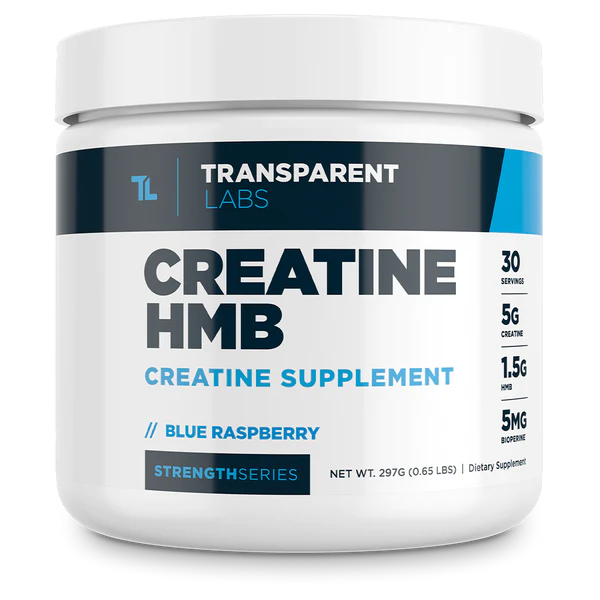
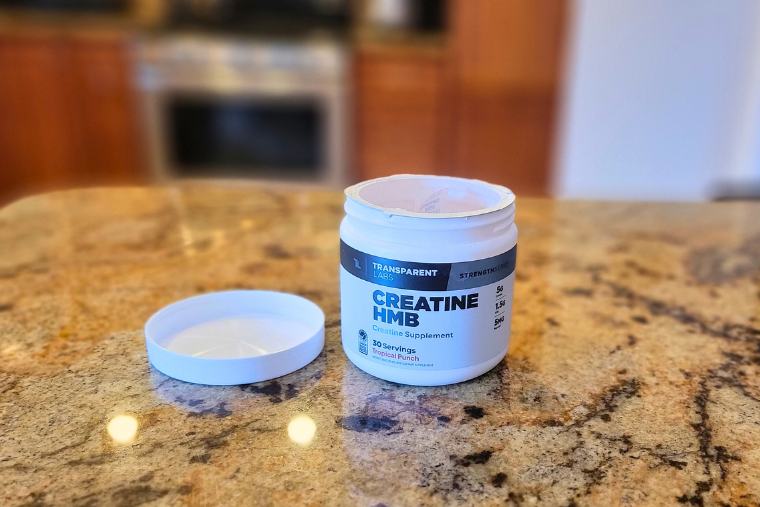
Best Creatine Monohydrate: Transparent Labs Creatine HMB stands out for its comprehensive formulation. Each serving provides 5 grams of creatine monohydrate, the research-backed dosage for optimal performance enhancement. Notably, it includes beta-hydroxy beta-methylbutyrate (HMB), a metabolite of the amino acid leucine, which some research suggests may support muscle growth, although further studies are ongoing. The addition of BioPerine, a black pepper extract, is intended to enhance nutrient bioavailability.
- Pros: Optimal dosage of creatine, inclusion of HMB and BioPerine, excellent formulation score, wide variety of flavors.
- Cons: Some testers noted a slightly bitter or watered-down taste in certain flavors, possibly due to BioPerine.
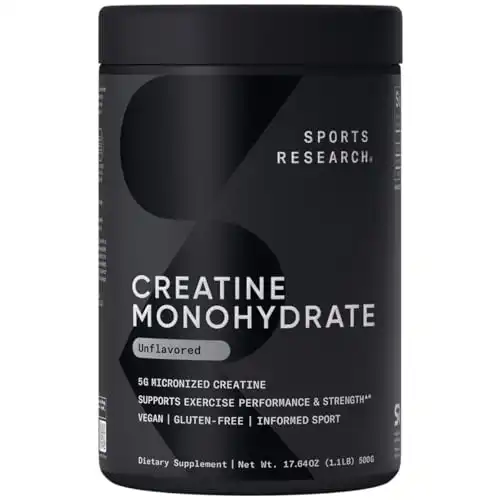
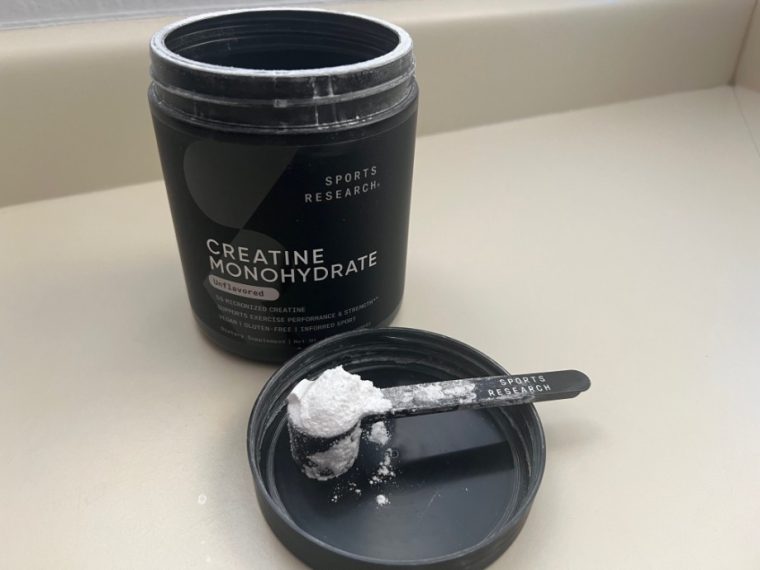
Sports Research Creatine Monohydrate
Best Creatine for Athletes: Sports Research Creatine Monohydrate is an excellent choice for athletes, particularly those subject to drug testing. It delivers 5 grams of creatine per serving and is Informed Sport Certified, meaning it has undergone third-party testing for purity and banned substances. The use of micronized creatine contributes to its superior solubility, earning it high marks for mixability.
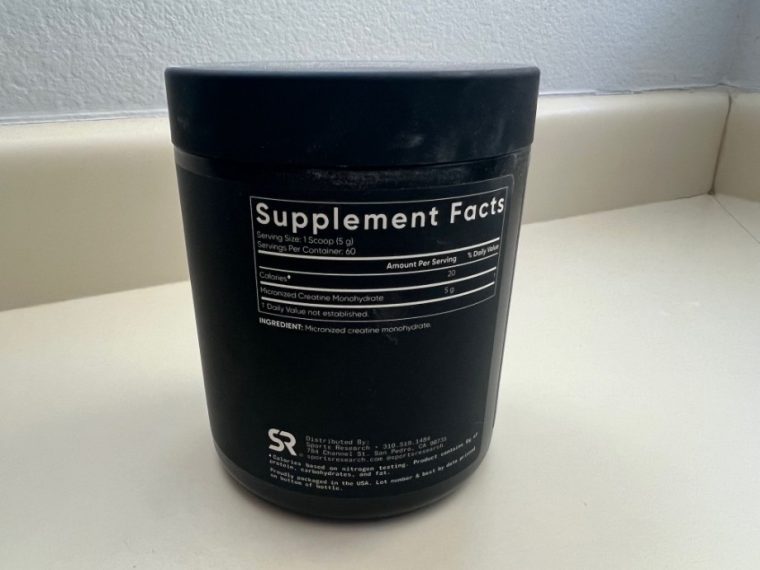
- Pros: Informed Sport Certified, micronized for better solubility, tasteless and mixes easily, optimal creatine dosage.
- Cons: Available only in an unflavored version, only in powder form.
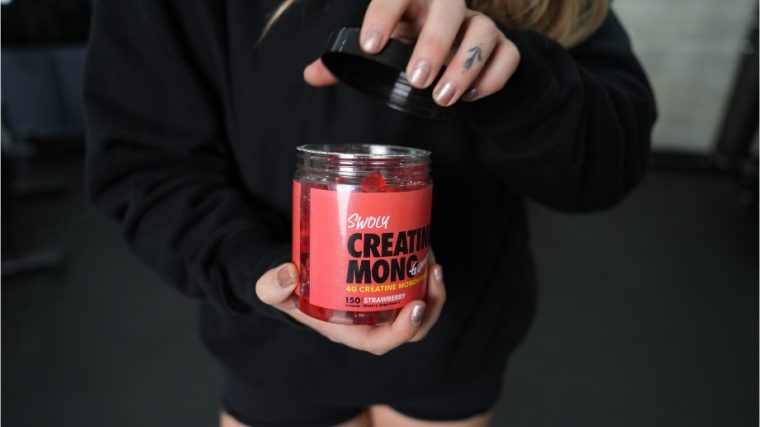
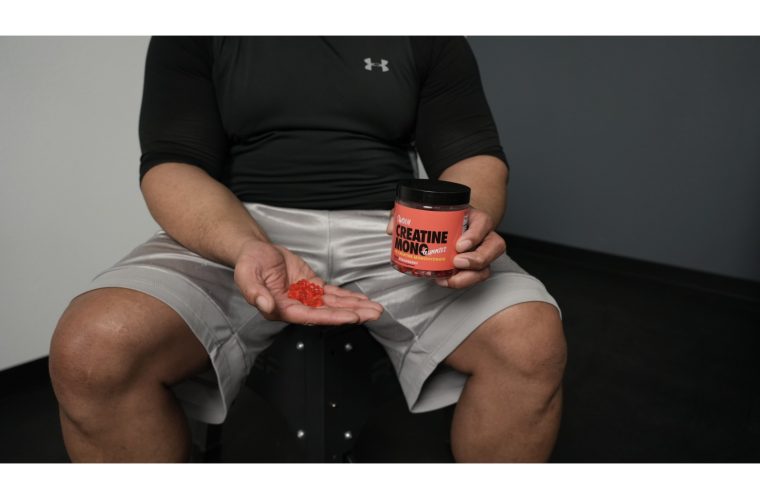
Swoly Creatine Mono Gummies
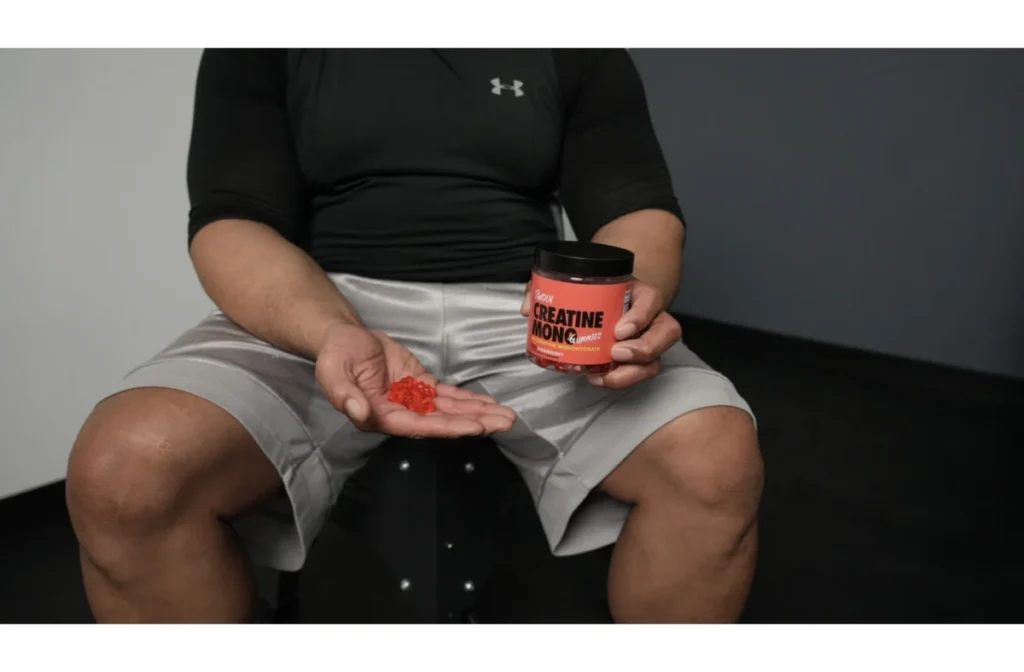
Best Creatine Gummies: For individuals seeking convenience and an alternative to powders, Swoly Creatine Mono Gummies offer a palatable solution. While tasting exceptionally good, reminiscent of fruit snacks, one serving comprises five gummies, providing 4 grams of creatine monohydrate. This dosage is slightly below the optimal 5-gram recommendation, and larger individuals may need to consume more, potentially leading to gastrointestinal discomfort due to added sugars and gums.
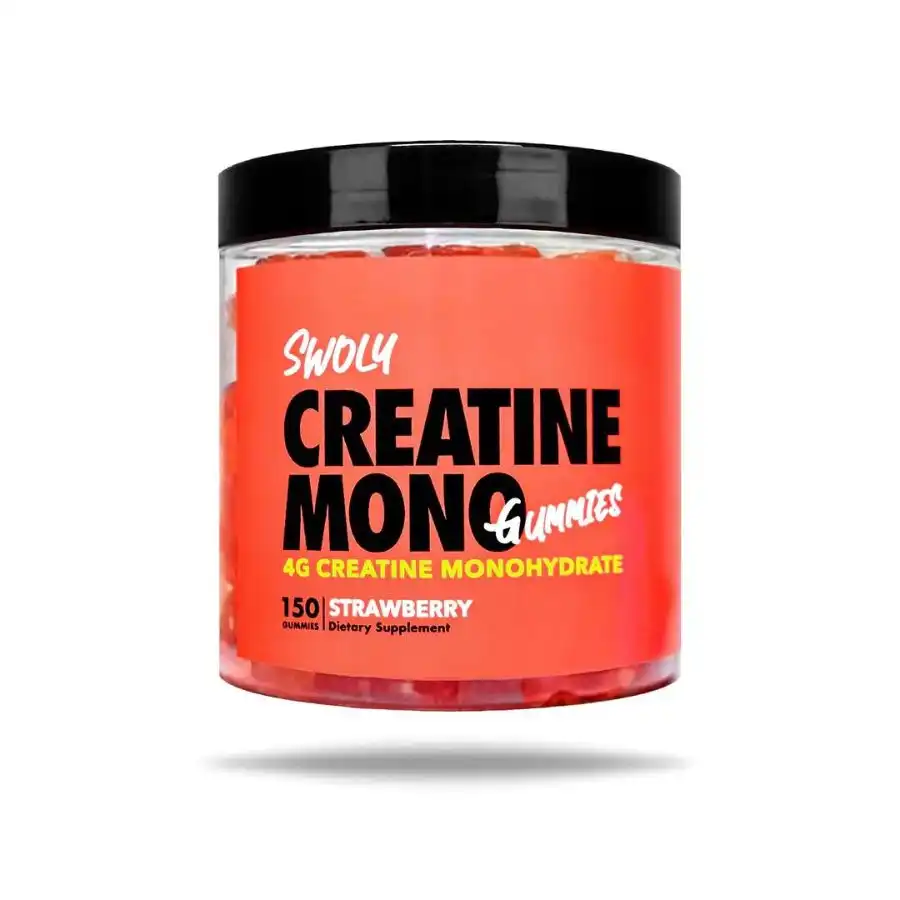
- Pros: Highly palatable and convenient, excellent taste and texture.
- Cons: Lower creatine dosage per serving (4g), contains added sugars and artificial ingredients, less transparent third-party testing compared to other options.
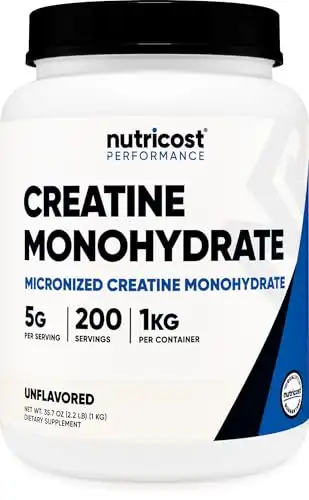
Nutricost Micronized Creatine Monohydrate
Best Value Creatine: Nutricost Micronized Creatine Monohydrate offers a budget-friendly option without compromising on essential quality. Priced at approximately $0.20 per serving, it provides 5 grams of creatine monohydrate. The supplement is third-party tested, a rarity at this price point, although the specifics of the testing process are not detailed. It comes in several flavors, sweetened with sucralose, which may be a concern for some consumers.
- Pros: Highly affordable, 5 grams of creatine per serving, third-party tested.
- Cons: Limited transparency regarding third-party testing details, solubility could be improved, flavors use sucralose.
Legion Recharge Post-Workout
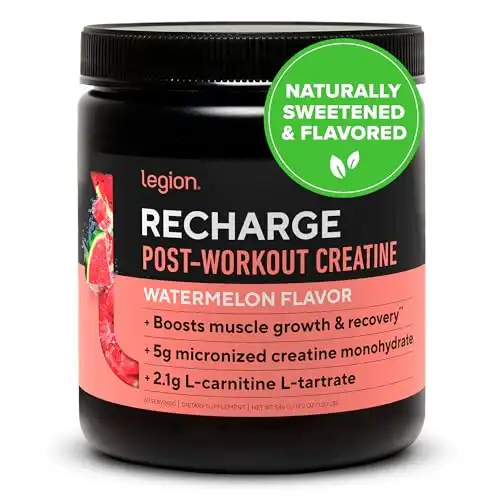
Best Flavored Creatine: Legion Recharge Post-Workout is lauded for its excellent flavor profiles, making it an enjoyable option for those who dislike the taste of unflavored creatine. It contains 5 grams of creatine per serving and includes L-carnitine and corosolic acid, which are associated with fat metabolism and blood sugar regulation, respectively. However, its premium price point makes it one of the more expensive options.
- Pros: Delicious and varied flavor options, good mixability, includes additional beneficial ingredients.
- Cons: High price per serving, unflavored version has been reported to have a bitter taste.
Optimum Nutrition Micronized Creatine Capsules
Best Creatine Pills: For ultimate convenience and a tasteless experience, Optimum Nutrition Micronized Creatine Capsules are a strong contender. Each serving (two capsules) provides 2.5 grams of creatine, requiring users to take multiple capsules per serving to reach the recommended 5-gram dose. While convenient, this can increase the cost per serving and may be impractical for larger individuals requiring higher doses. The capsules contain gelatin, making them unsuitable for vegetarians or vegans.
- Pros: Convenient, tasteless, easy to transport.
- Cons: Lower creatine dosage per serving (2.5g), requires multiple capsules for a full dose, contains gelatin.
Gnarly Creatine
Best Creatine for Muscle Growth: Gnarly Creatine utilizes CreaPure®, a branded form of creatine monohydrate recognized for its exceptional purity and quality, manufactured in Germany. Each serving delivers 5 grams of this high-grade creatine. It is NSF Certified for Sport and NSF Content Certified, ensuring purity, accurate labeling, and absence of banned substances, making it an ideal choice for competitive athletes.
- Pros: Utilizes high-purity CreaPure®, NSF Certified for Sport, 5 grams of creatine per serving.
- Cons: Mixability can be an issue, with some users reporting that it settles at the bottom of the glass.
Creatine Loading Phase Considerations
A creatine loading phase, typically involving a higher daily intake (20-25 grams) for 5-7 days, is an optional strategy to rapidly saturate muscle creatine stores. While it can accelerate the onset of benefits by a few days, it is not essential. Consistent daily intake of 3-5 grams over a longer period will achieve similar saturation levels. For individuals prone to gastrointestinal distress, splitting the loading dose into smaller, more frequent servings throughout the day is recommended.
Safety and Precautions
Creatine supplementation is widely considered safe for healthy individuals when consumed within recommended dosages. Long-term studies have shown no significant adverse effects from daily intake of up to 30 grams for several years. However, individuals with pre-existing kidney or liver conditions should exercise caution and consult with a healthcare professional before use, as creatine metabolism involves these organs. Similarly, individuals on medications that affect kidney function should seek medical advice. It is generally not recommended for individuals under 18 due to the limited understanding of long-term effects in this age group.
Choosing the Right Creatine Supplement
When selecting a creatine supplement, several factors should guide the decision:

- Dosage: Aim for supplements providing 3-5 grams of creatine per serving, which aligns with research-backed recommendations for maximizing benefits. Larger individuals may need to adjust their intake based on body weight (0.1 grams per kilogram).
- Form: Powders are the most common and cost-effective. Capsules offer convenience, and gummies provide a palatable, on-the-go option.
- Additional Ingredients: Decide whether a pure creatine supplement is preferred or if additional ingredients like HMB or L-carnitine are desired for synergistic effects.
- Third-Party Testing: Look for certifications from organizations like Informed Sport or NSF Certified for Sport, especially for competitive athletes, to ensure product purity and safety.
- Cost: Creatine supplements vary significantly in price. Budget-friendly options like Nutricost offer good value, while premium products like Legion Recharge come at a higher cost.
Conclusion
Creatine remains a cornerstone supplement for individuals seeking to enhance muscle growth, improve athletic performance, and expedite recovery. The array of available products, from pure creatine monohydrate powders to flavored options and convenient capsules, caters to diverse preferences and needs. By understanding the science behind creatine and carefully evaluating product formulations, consumers can make informed choices to support their fitness goals effectively and safely.