






When the goal is weight loss, the underlying objective is typically the reduction of excess body fat. However, without a carefully constructed plan, a calorie deficit can lead to the loss of both fat and valuable muscle tissue. To mitigate muscle loss during a weight reduction journey, a comprehensive strategy incorporating resistance training, adequate sleep, and a high-protein diet is paramount. Protein’s role in weight management is multifaceted, significantly influencing hunger levels, metabolic rate, and the crucial preservation of muscle mass. While intense resistance training provides the necessary physiological signal to retain muscle, a diet rich in protein ensures the body has an abundant supply of amino acids, thereby preventing the catabolism of muscle tissue for energy. Protein powders offer a convenient and lean source of this essential macronutrient, enabling individuals to meet their daily protein requirements while maintaining a calorie deficit. Following an extensive evaluation of over 100 protein powders, nine products have been identified as optimal for individuals prioritizing weight loss.
Understanding the Science: Protein’s Role in Weight Management
The scientific consensus underscores protein’s pivotal role in successful and sustainable weight loss. Beyond its role in muscle synthesis and repair, protein exerts a thermic effect, meaning the body expends more energy to digest, absorb, and metabolize protein compared to carbohydrates and fats. This increased thermogenesis can contribute to a higher daily calorie expenditure. Furthermore, protein has a profound impact on satiety hormones, such as ghrelin and peptide YY, leading to a greater feeling of fullness and reduced overall food intake. Studies published in journals like the American Journal of Clinical Nutrition have consistently demonstrated that higher protein diets are associated with improved appetite control and reduced cravings, making adherence to a calorie-restricted diet more manageable.
The preservation of lean muscle mass during weight loss is another critical aspect where protein excels. Muscle tissue is metabolically active, meaning it burns more calories at rest than fat tissue. Losing muscle can therefore slow down metabolism, making further weight loss more challenging and increasing the likelihood of weight regain. Protein intake, coupled with resistance training, signals to the body that muscle tissue is needed and should be preserved, even in a calorie deficit. This is why protein powders, offering a concentrated and easily digestible source of protein, have become a popular tool for individuals seeking to optimize their body composition during weight loss.
Methodology: Rigorous Testing for Optimal Choices
The selection process for the best protein powders for weight loss was comprehensive, involving the testing of over 100 distinct products. The evaluation criteria were designed to identify powders that not only support weight loss goals but also offer quality, taste, and transparency. Key factors considered included:
- Protein Content and Quality: The percentage of protein per serving and the quality of the protein source (e.g., whey isolate, plant-based blends) were primary considerations. Powders with a high protein-to-calorie ratio were prioritized.
- Calorie and Macronutrient Profile: The total calorie count per serving, alongside the breakdown of carbohydrates and fats, was meticulously assessed to ensure alignment with weight loss objectives. Low carbohydrate and fat content were favored.
- Ingredient Transparency and Quality: The presence of artificial sweeteners, fillers, added sugars, and other unnecessary additives was carefully scrutinized. A preference was given to products with minimal, high-quality ingredients.
- Taste and Mixability: Subjective but crucial, the palatability and ease of mixing were evaluated. A protein powder that is enjoyable to consume is more likely to be incorporated consistently into a diet.
- Third-Party Testing and Certifications: Products that underwent independent testing for purity, potency, and the absence of contaminants or banned substances (especially for athletes) were given a higher rating. Certifications from organizations like Informed Choice or NSF International provided an additional layer of assurance.
- Value for Money: While quality is paramount, the cost per serving was also considered to provide options across different budget ranges.
Top Protein Powders for Weight Loss in 2024: Expert Selections
Based on the rigorous testing and analysis, the following protein powders have been identified as the leading choices for individuals focused on weight loss:
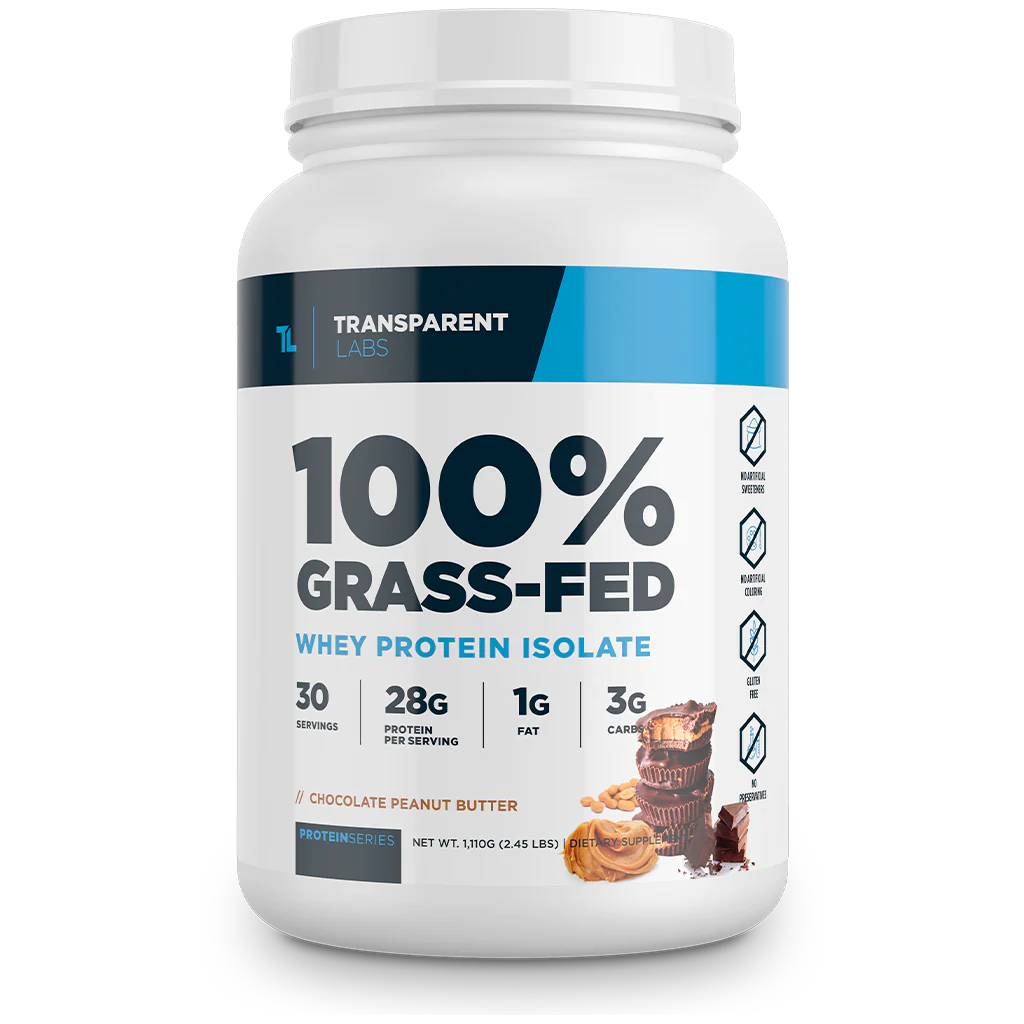
Best Overall Protein Powder for Weight Loss: Transparent Labs 100% Grass-Fed Whey
Transparent Labs 100% Grass-Fed Whey stands out for its exceptional protein-to-calorie ratio, delivering 28 grams of protein for just 130 calories. This makes it an ideal choice for maximizing protein intake during a calorie deficit, thereby aiding in muscle preservation. The product is third-party tested, Informed Choice certified, and free from artificial ingredients. Its availability in 15 distinct flavors, including popular options like Chocolate Peanut Butter and Mocha, further enhances its appeal. Testers noted its excellent mixability in both blenders and shaker bottles, and its ability to effectively curb sweet cravings between meals. A minor point of consideration, as noted in some customer reviews, is the potential challenge in contacting the customer service team.
Best Affordable Protein Powder for Weight Loss: Jacked Factory Authentic Iso
Jacked Factory Authentic Iso emerges as a highly cost-effective option, with certain flavors priced as low as $1.05 per serving. Despite its affordability, it maintains a robust nutritional profile suitable for weight loss, offering 25 grams of protein with only 2 grams of carbohydrates and a mere 0.5 grams of fat per serving—the lowest fat content among the reviewed powders. Testers lauded its great taste and impressive mixability, with one noting it "didn’t settle at all" and tasted like dessert. However, it’s important to note that this powder is sweetened with sucralose, an artificial sweetener that has been linked to potential health concerns in some studies. Additionally, Jacked Factory does not conduct third-party testing on its products, which may raise concerns for consumers prioritizing ingredient purity verification.
Best Plant-Based Protein Powder for Weight Loss: Ka’Chava
For those seeking a vegan option that supports weight loss, Ka’Chava presents a compelling choice. Marketed as a "whole-body meal," it functions as a meal replacement, which explains its higher calorie, carbohydrate, and fat content (240 calories, 25 grams carbohydrates, and 7 grams fat per serving). Despite the higher carbohydrate count, which might be a consideration for those on strict low-carb diets, it provides 25 grams of plant-based protein from a blend of peas, brown rice, and quinoa, effectively aiding muscle preservation. Testers have praised its delicious taste, particularly when blended into smoothies, and its inclusion of adaptogens, probiotics, and greens, contributing to overall well-being. The primary drawback is its cost; at $79.99 for a 15-serving bag, it is the most expensive option, reflecting its comprehensive nutritional profile as a meal replacement.
Best Protein Powder for Weight Loss on Amazon: Nutricost Grass-Fed Whey Protein Isolate
Nutricost Grass-Fed Whey Protein Isolate secures its position as the best option available on Amazon due to its favorable macronutrient profile for weight loss. It boasts a high protein content per serving, crucial for enhancing satiety and preserving muscle mass during a calorie deficit. With minimal fat and carbohydrates, it maximizes protein intake without unnecessary calories. The Vanilla flavor was tested and found to mix exceptionally well in both milk and water, offering an authentic vanilla taste with a balanced sweetness, even with artificial sweeteners. For consumers aiming to avoid artificial sweeteners, alternatives like Promix or Transparent Labs are recommended.

Best Meal Replacement Protein Powder for Weight Loss: Huel Black Edition
Huel Black Edition is recognized as an excellent meal replacement for weight loss, distinguished by its impressive protein-to-carb ratio. It delivers a substantial 40 grams of protein per serving, the highest among the reviewed products, alongside 24 grams of carbohydrates. While the carbohydrate count might be higher than ideal for ketogenic diets, it remains a suitable portion for most individuals aiming for weight loss. Experts suggest that consuming between 100 to 150 grams of carbohydrates daily can still facilitate weight loss. Testers found the Chocolate flavor to be particularly good, attributed to the use of real cocoa powder. The Vanilla flavor, however, received mixed reviews for its less authentic taste and artificial aftertaste. While mixability was noted as a potential challenge, testers reported feeling great after consumption, without the digestive discomfort sometimes associated with similar products.
Best Clean Protein Powder for Weight Loss: Promix Grass-Fed Whey
Promix Grass-Fed Whey earns the title of best clean protein powder due to its stringent third-party testing, with results readily available on the company’s website confirming its purity and freedom from heavy metals and gluten. Its ingredient list is notably simple, with the Vanilla flavor containing only four ingredients and no artificial additives. It offers a balanced protein-to-carb ratio (25 grams protein to 7 grams carbohydrates), supporting weight loss efforts. Research from 2020 indicates that a higher protein-to-carbohydrate ratio can aid in weight loss and prevent weight regain. While testers found the Vanilla flavor enjoyable, they noted it could be sweeter and experienced some clumping during mixing. It’s important for athletes to note that while Promix is third-party tested, it is not specifically certified for sports, meaning it hasn’t been tested for banned athletic substances.
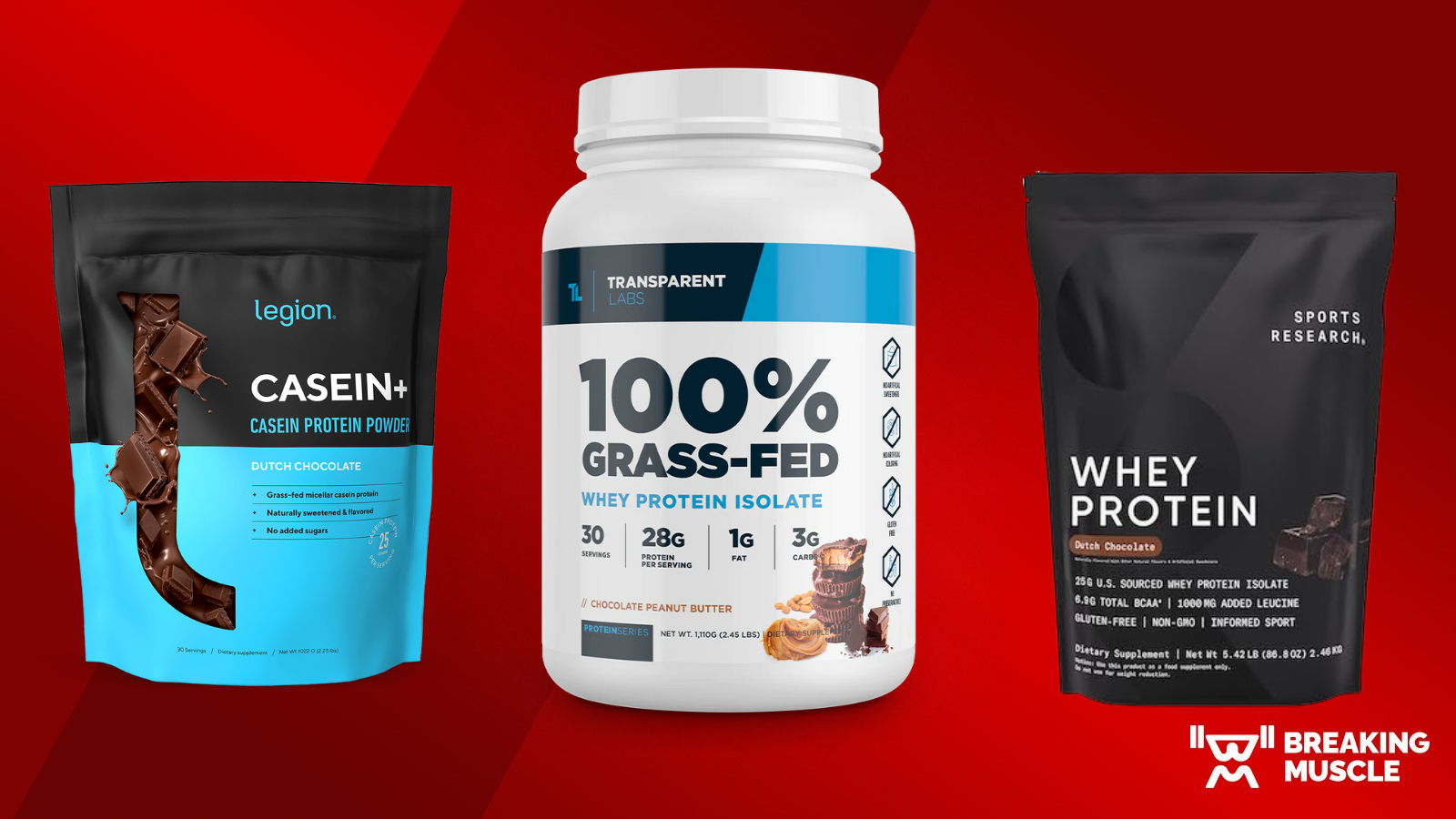
Best Casein Protein Powder for Weight Loss: Legion Athletics Casein+
Legion Athletics Casein+ is a standout choice for casein protein, favored for its all-natural formulation, free from artificial sweeteners, flavors, and colors. It undergoes third-party testing by Labdoor for purity and potency. Each serving provides 25 grams of protein with only 110 calories, a profile ideal for weight management. Casein protein is known for its slow digestion and absorption rate, making it effective for managing hunger and providing a sustained release of amino acids, particularly beneficial during sleep or extended periods between meals. This slow-release mechanism helps mitigate muscle breakdown associated with calorie restriction. The Dutch Chocolate flavor was described as reminiscent of a dark chocolate bar, neither too rich nor too sweet. The primary consideration with casein is its thicker consistency and longer dissolution time compared to whey, which can sometimes result in a slightly chalky aftertaste.
Best Unflavored Protein Powder for Weight Loss: Naked Grass-Fed Whey
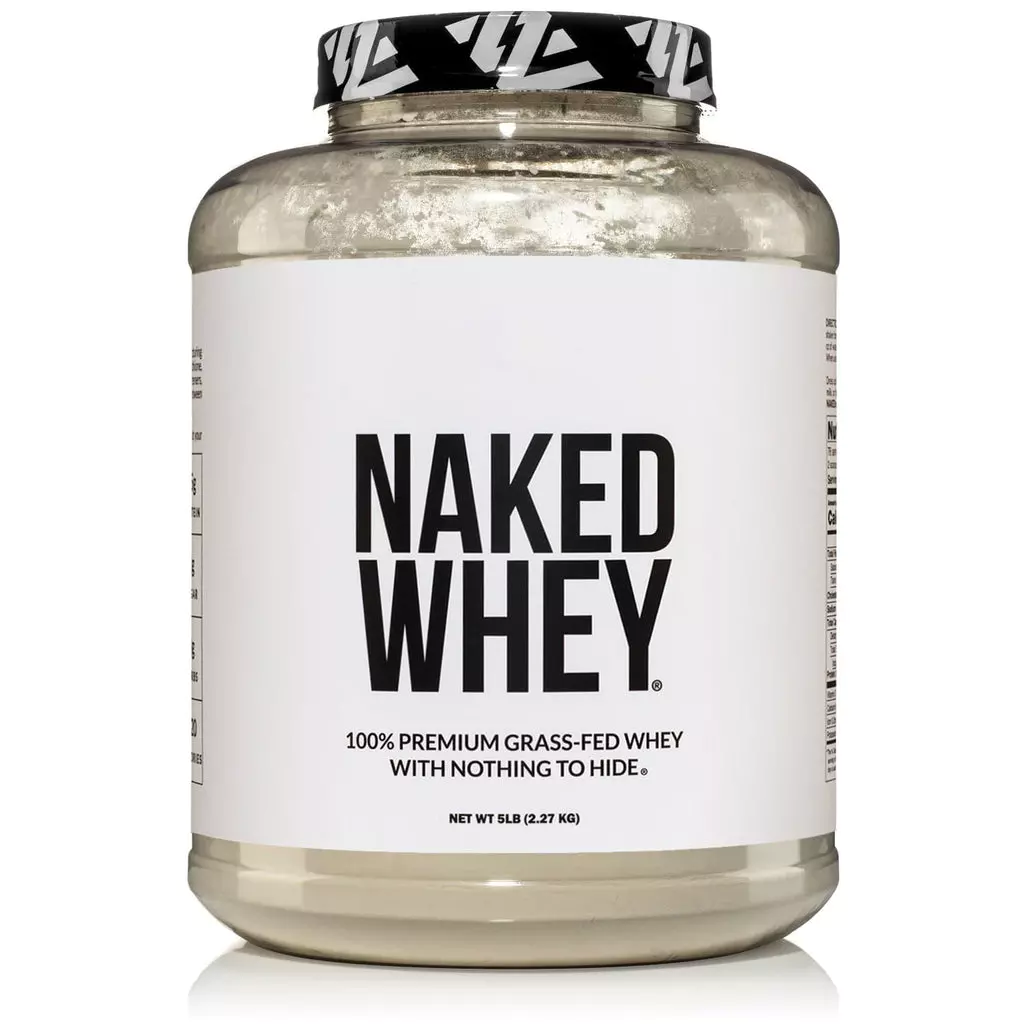
Naked Grass-Fed Whey’s Unflavored protein powder is celebrated for its simplicity and purity, featuring a single ingredient: whey protein concentrate from grass-fed cows. This commitment to transparency means no additives, fillers, or artificial ingredients. Its neutral flavor profile makes it highly versatile, allowing seamless integration into various recipes and smoothies without altering their taste. Testers noted a very slight vanilla note and a hint of earthiness, suggesting it would blend well into smoothies. The two-scoop serving size might require extra liquid for optimal blending. Naked also offers five flavored options, all sweetened with coconut sugar, a less intense sweetener than artificial alternatives like sucralose.

Best Protein Powder for Weight Loss and Muscle Gain: Sports Research Whey Protein
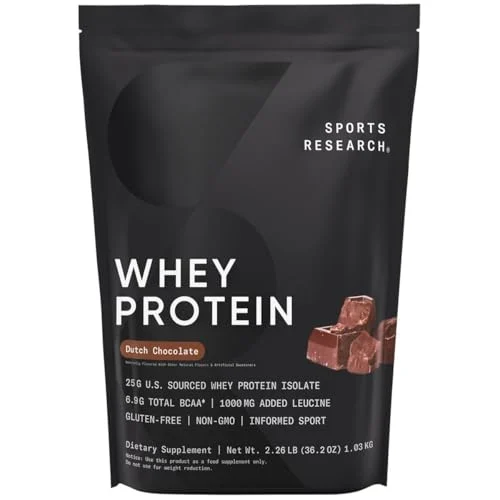
Sports Research Whey Protein is recognized for its excellent balance of supporting both weight loss and muscle gain. It offers a favorable protein-to-calorie ratio (25 grams of protein to 140 calories), is Informed Sport Certified, reasonably priced at $1.20 per serving, and receives high marks for taste from testers. Nutritionally, it aligns well with competitors, though its fat content (3.5-4 grams per serving) is on the higher side. It also contains Vitamin D, which recent research suggests plays a role in muscle health. The Creamy Vanilla flavor was described as tasting like vanilla ice cream when mixed with milk, but the flavor diluted significantly with water, leaving only sweetness. Mixability was excellent, with no grittiness or clumps reported.
What Does Protein Powder Do for Weight Loss?
Protein powder, whether derived from supplements or whole foods, contributes to weight loss primarily through several mechanisms:
- Enhanced Satiety: Protein significantly increases feelings of fullness, helping to reduce overall calorie intake.
- Preservation of Muscle Mass: By providing essential amino acids, protein supports muscle maintenance during calorie restriction, preventing metabolic slowdown.
- Increased Thermogenesis: The body expends more energy to digest protein, contributing to a higher daily calorie burn.
- Metabolic Boost: Adequate protein intake can support a higher resting metabolic rate compared to diets deficient in protein.
Protein shakes offer a convenient and efficient method to consume a substantial amount of protein with minimal calories, carbohydrates, and fats. Their high protein-to-calorie ratio makes them an effective tool for reaching daily protein targets while adhering to calorie guidelines.

How to Choose the Best Protein Powder for Weight Loss for You
Selecting the right protein powder is crucial for maximizing its benefits for weight loss. Consider the following factors:
Protein Content and Quality
Opt for powders with a substantial protein content, ideally around 25 grams per serving. For weight loss, whey, soy, or pea protein isolates are often recommended due to their ultra-filtered nature, which removes excess carbohydrates and fats.
Calories per Serving
A moderate calorie count per serving, typically between 100 to 160 calories, is advisable. Ensure the majority of these calories are derived from protein to best support your weight loss progress. For reference, 25 grams of protein equates to approximately 110-120 calories in a lean supplement.

Ingredient Quality
Scrutinize the ingredient list for added sugars, fillers, artificial sweeteners, flavors, and colors. Protein powders with minimal, high-quality ingredients are generally preferred for their purity and to avoid unnecessary caloric intake. Consider the inclusion of beneficial additives like creatine, probiotics, or BCAAs if they align with your specific health and fitness objectives.
Taste and Mixability
Personal preference is key. A protein powder that tastes good and mixes well is more likely to be consumed consistently, which is essential for achieving weight loss goals.
Third-Party Testing
Choosing a protein powder that has undergone third-party testing for quality, purity, and safety is highly recommended, especially for athletes. Certifications from reputable organizations provide assurance that the product is free from contaminants and accurately labeled.
What to Avoid in a Protein Powder for Weight Loss

When prioritizing weight loss, certain ingredients and nutritional profiles should be approached with caution:
- Added Sugars: These contribute unnecessary calories and can hinder weight loss efforts.
- Excessive Carbohydrates and Fats: While some carbs and fats are necessary, excessive amounts can negate the calorie deficit required for weight loss.
- Artificial Additives: Artificial sweeteners, flavors, and colors are often found in protein powders and may be undesirable for some consumers.
Consumers seeking an all-natural protein powder with minimal ingredients might consider options like Transparent Labs 100% Grass-Fed Whey or products from Naked Nutrition.
Final Thoughts: Is Protein Powder for Weight Loss Worth It?
As a certified nutrition coach, it is essential to emphasize that protein powder is not a prerequisite for successful weight loss. However, its convenience and efficacy, when integrated into a holistic approach that includes resistance training, quality sleep, and healthy lifestyle habits, can offer significant benefits. Consuming a high-protein diet, particularly during a weight loss phase, plays a crucial role in managing hunger and preserving muscle mass. If a protein powder can assist individuals in meeting their daily protein targets while maintaining a calorie deficit, it is a valuable addition to a well-rounded weight loss strategy.

Protein Powder for Weight Loss FAQs
Should you drink protein shakes when you’re trying to lose weight?
Protein shakes can be an excellent way to help preserve lean muscle mass during weight loss. For those prioritizing weight loss, whey protein isolate, such as Transparent Labs 100% Grass-Fed Whey, is a highly recommended option. Its lean composition ensures that most calories are derived from protein, enabling individuals to meet their protein targets without consuming excess carbohydrates and fats often found in whey protein concentrate.
How much protein should I eat in a day to lose weight?
Weight loss strategies are individualized. However, individuals aiming for weight loss should generally target between 1.2 to 1.6 grams of protein per kilogram of body weight (approximately 0.5 to 0.7 grams per pound). This protein intake range helps support muscle mass while maintaining the calorie deficit necessary for weight loss.
What type of protein is best for weight loss?
For weight loss, "leaner" protein sources are generally preferred. Whey protein isolates, which undergo extensive processing and filtration to reduce fat and carbohydrate content, offer a superior protein-to-calorie ratio. While some plant-based proteins can naturally be higher in carbohydrates, high-quality plant-based protein powders can yield comparable results to whey protein in promoting lean body mass. Lean animal protein sources include chicken breast, fish, and eggs. For non-animal sources, Greek yogurt, tofu, beans, and lentils are excellent choices.
What should I drink for weight loss?
During weight loss, it is advisable to avoid calorie-dense beverages such as sugary sodas, sports drinks, fruit juices, and alcohol. Instead, prioritize calorie-free options like water, seltzer, black coffee, and unsweetened tea. Reducing intake of calorie-rich beverages allows for reallocation of those calories to more satiating food sources, which can enhance feelings of fullness after meals.
Which protein is best for belly fat loss?
There is no specific protein that directly targets belly fat loss. However, prioritizing lean protein, such as whey protein isolate, can be beneficial for overall weight loss objectives. Whey protein isolates are processed to minimize carbohydrate and fat content, thereby maximizing the protein-to-calorie ratio. This makes them an efficient choice for supporting dietary protein intake while adhering to a calorie deficit.