


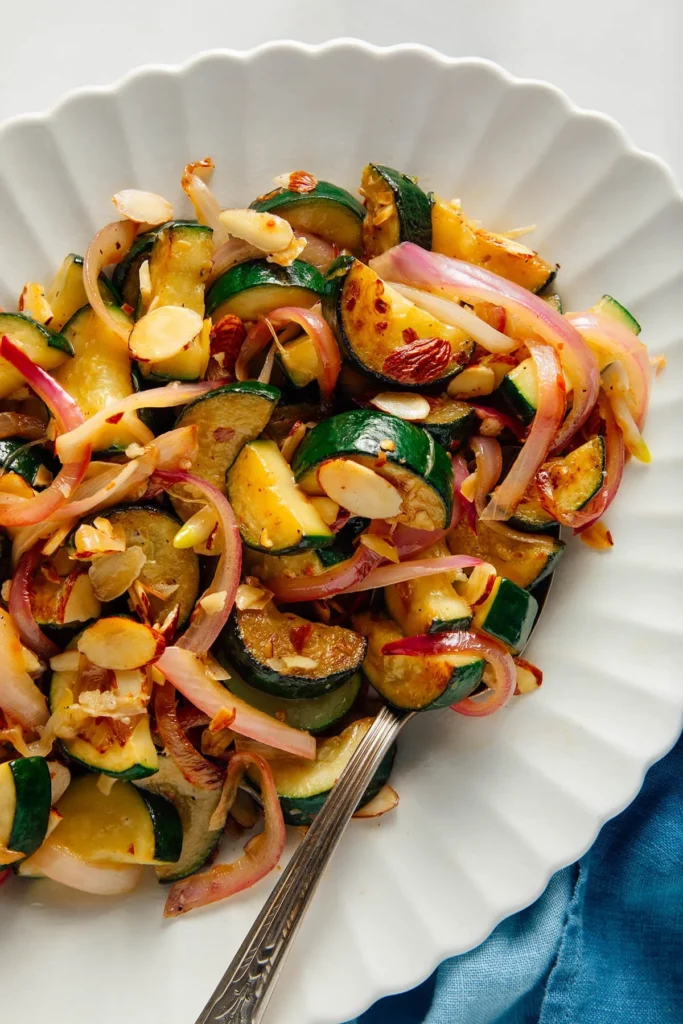
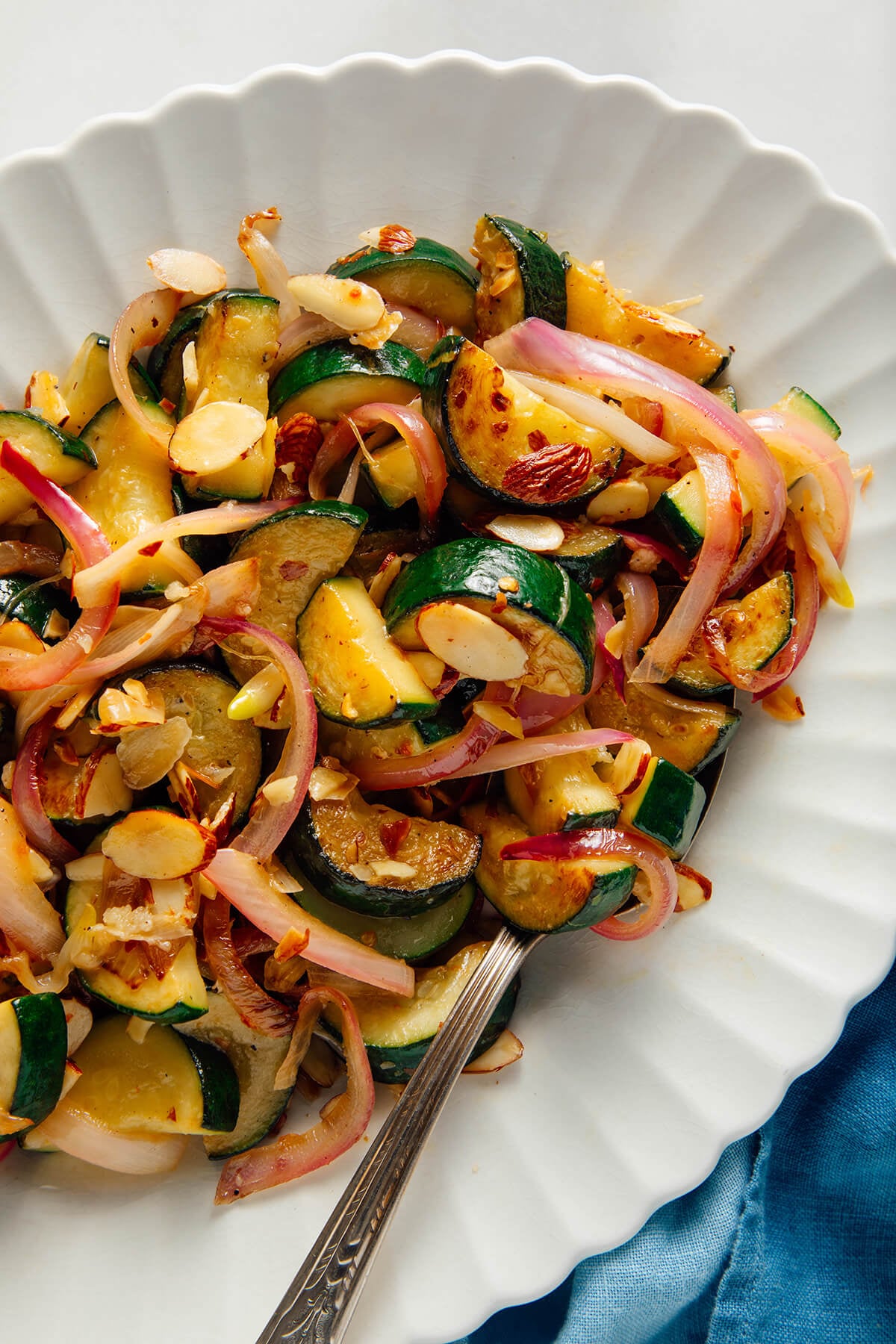
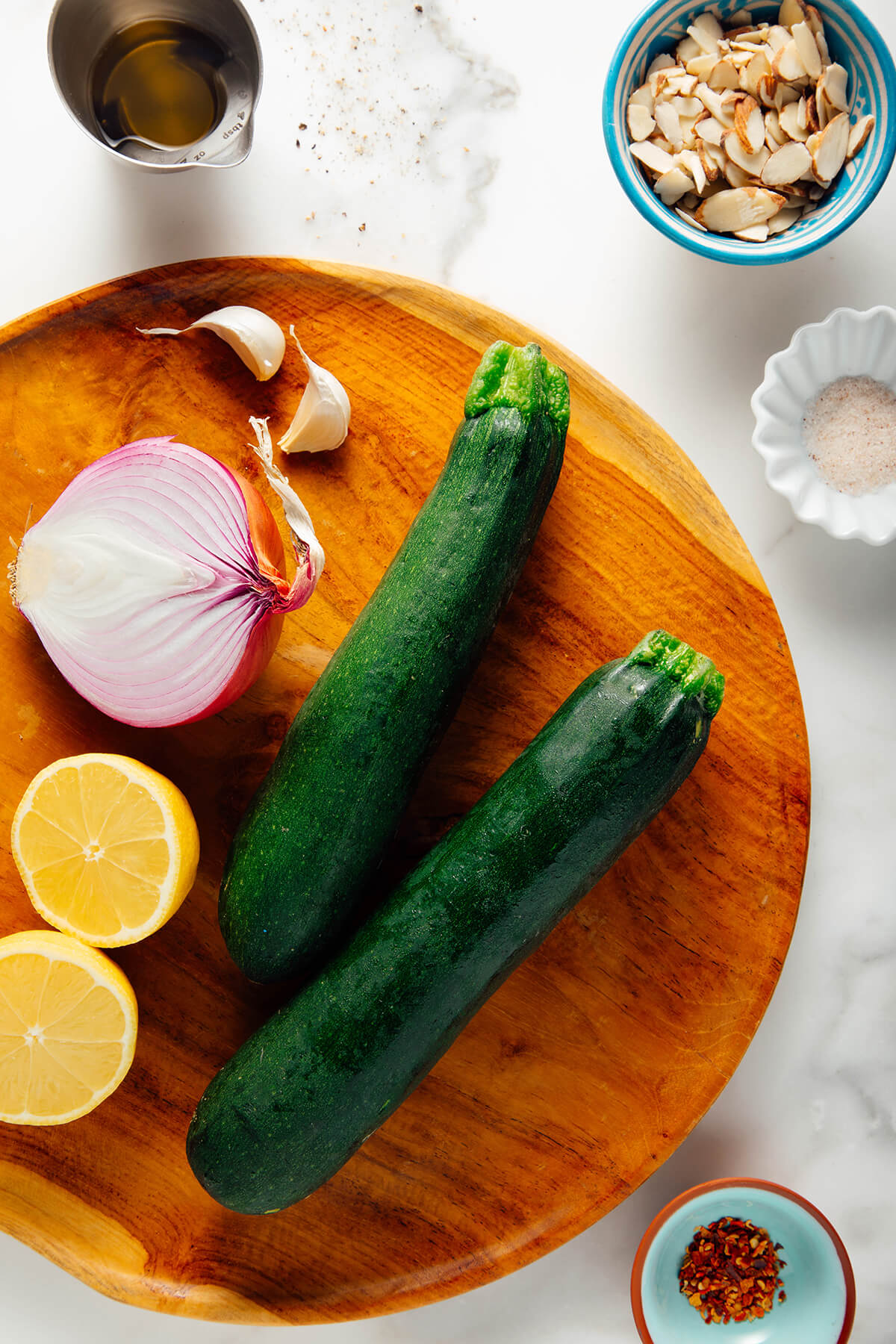
A revolutionary approach to preparing zucchini, heralded as the "ultimate side dish," has been introduced by renowned culinary expert and bestselling cookbook author, Kathryne Taylor of Cookie and Kate. This innovative recipe promises to transform perceptions of the often-maligned summer squash, featuring caramelized zucchini and red onion complemented by toasted sliced almonds, fresh garlic, and a bright squeeze of lemon juice. The dish is celebrated for its bold flavors and vibrant presentation, poised to become a staple throughout the summer months and beyond.
For many home cooks and restaurant patrons, cooked zucchini has been a source of culinary frustration, frequently characterized by an undesirable squeaky texture or an overly mushy consistency. Taylor’s new method directly addresses these common pitfalls, resulting in zucchini that is consistently browned to perfection and tender throughout, avoiding the textural issues that often lead to its avoidance on menus. This development is particularly significant given zucchini’s widespread availability and versatility, offering a fresh perspective on a vegetable often relegated to secondary status due to inconsistent preparation.
The genesis of this lauded recipe traces back to a casual summer gathering in St. Louis. Taylor recounts being introduced to the foundational concept by a friend, Erika, whose preparation style immediately evoked parallels with the classic "Green Beans Amandine," a beloved vegetable side known for its delicate balance of tender beans and toasted almonds. The dish, served alongside pasta and grilled fare on a back porch, left a lasting impression. Inspired by its exceptional qualities, Taylor sought the recipe from Erika and subsequently embarked on a journey to refine and perfect the technique for broader dissemination, culminating in the version now shared with the public. This collaborative origin story underscores the communal nature of culinary innovation, where shared experiences and discerning palates can lead to significant gastronomic advancements.
Kathryne Taylor, a respected figure in the digital culinary landscape, has built a reputation as a vegetable enthusiast and a trusted source for wholesome, delicious recipes. Her work, including a bestselling cookbook, consistently emphasizes real food and accessible cooking methods. This latest zucchini recipe aligns perfectly with her philosophy, offering a simple yet sophisticated way to elevate everyday ingredients. The recipe’s design caters to contemporary dietary preferences, being naturally vegan, gluten-free, dairy-free, soy-free, and tomato-free, making it an inclusive option for a wide array of diners.
The Refined Methodology: A Deep Dive into Zucchini Preparation
At the core of this "best-ever zucchini" lies a meticulously developed stovetop cooking method, which Taylor asserts surpasses traditional roasting in its ability to achieve optimal texture. Roasting, while popular, often results in an internal mushiness by the time the exterior of the zucchini has achieved sufficient browning. The perfected sautéing technique, however, ensures a desirable balance of caramelization on the outside and tender integrity within.
Several key principles underpin Taylor’s innovative approach to cooking zucchini:
-
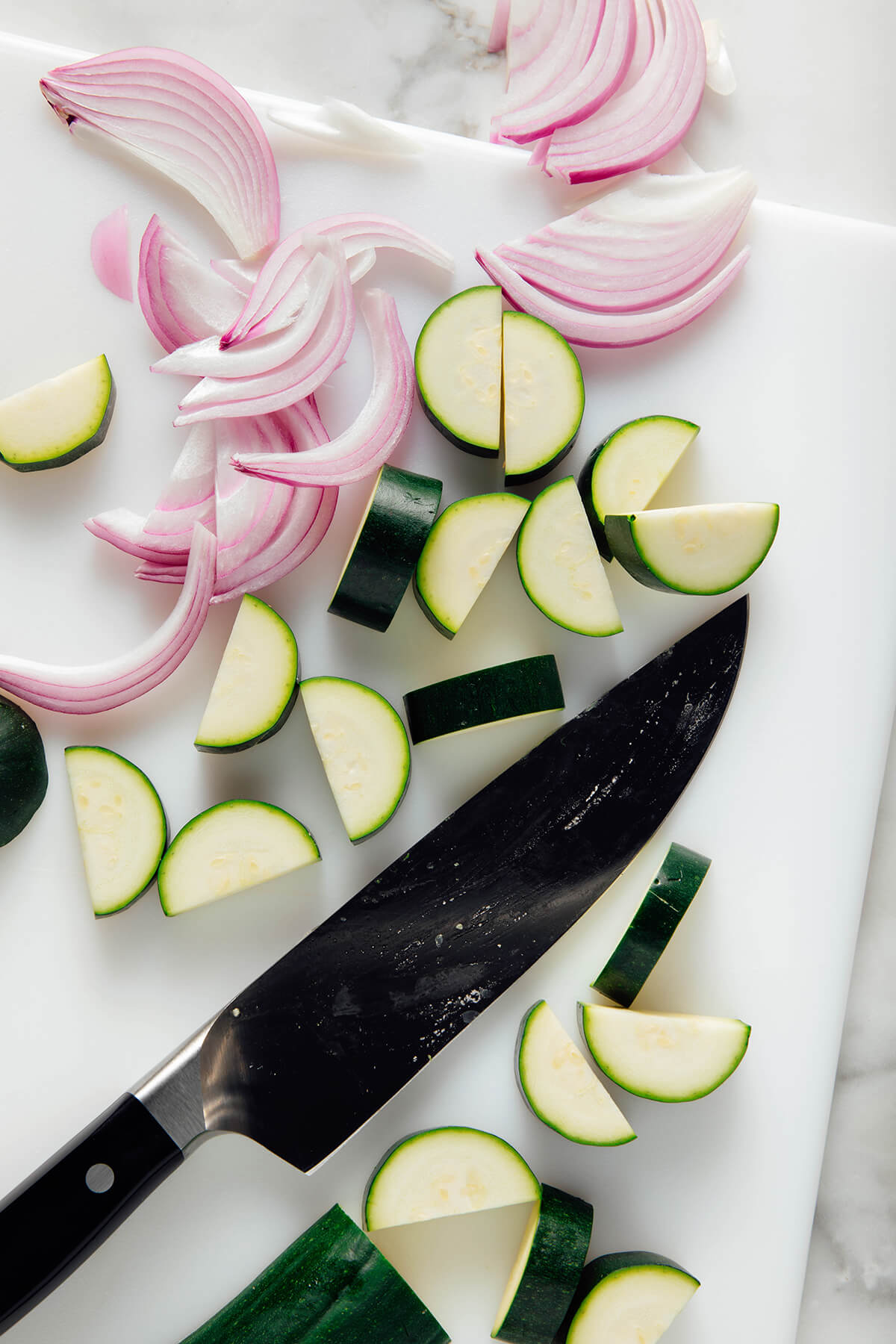
Optimal Slice Thickness: The recipe mandates cutting zucchini into 1/2-inch wide chunks. This specific dimension is crucial, providing sufficient structural integrity for the zucchini to brown effectively on its exterior without collapsing or becoming overly soft. This thickness also maximizes the surface area that can make direct contact with the hot pan, facilitating the Maillard reaction – the chemical process responsible for the desirable browning and complex flavor development. Thinner cuts, conversely, would stack up in the pan, hindering proper contact and promoting steaming rather than searing.
-
Dispelling the Pre-Salting Myth: Contrary to many conventional sautéed zucchini recipes, Taylor advises against pre-salting the zucchini to draw out excess moisture. Her extensive testing revealed that this step often leads to overly salty results, even after rinsing, and is ultimately unnecessary for achieving the desired texture. This finding is corroborated by other culinary experts, including those at The Kitchn, who have also advocated for direct cooking without the pre-salting step. Eliminating this time-consuming and potentially flavor-compromising step simplifies the cooking process for the home chef, making the recipe more accessible and foolproof.
-
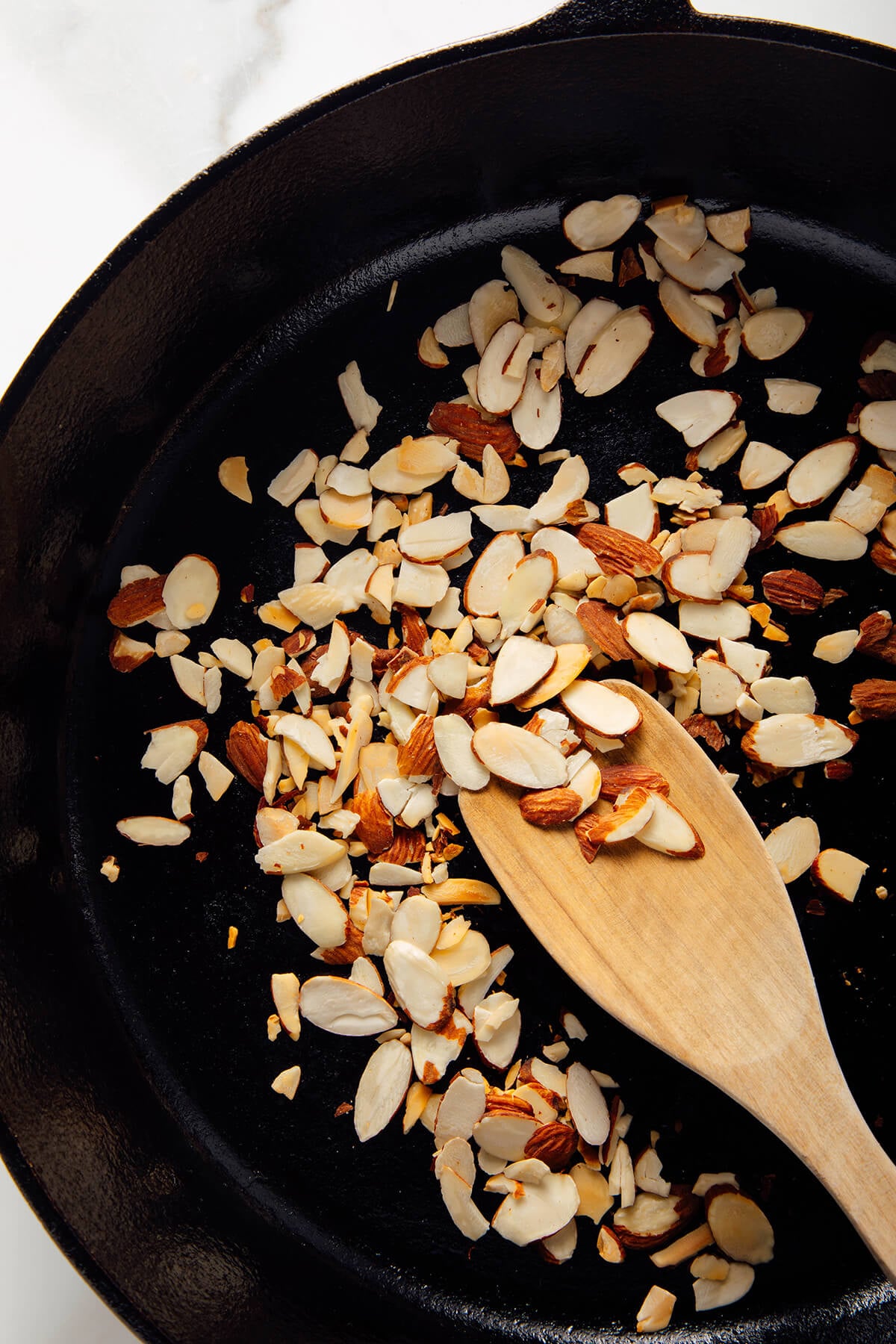
Prioritizing Nut Toasting: For recipes incorporating nuts, such as the toasted sliced almonds in this dish, Taylor recommends toasting them first in the same pan used for the zucchini. This sequential approach offers dual benefits: it ensures the nuts achieve a perfect golden brown and release their aromatic oils, significantly enhancing their flavor and crunch, and it simultaneously preheats the pan to the ideal temperature for the subsequent zucchini sautéing, optimizing cooking efficiency and results.
-
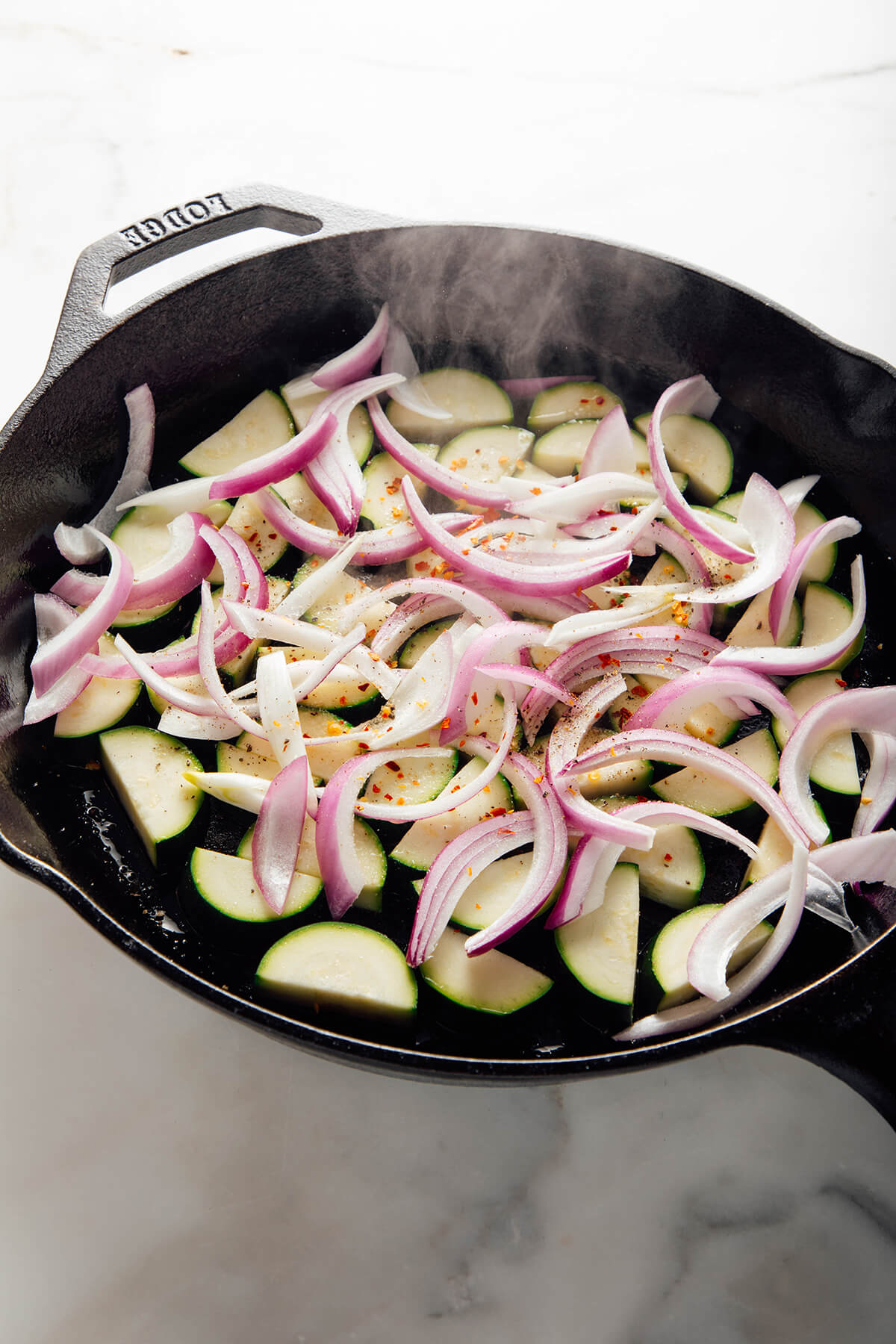
The Importance of Avoiding Overcrowding: A fundamental rule for achieving proper browning in sautéing is to prevent overcrowding the pan. For approximately one pound of zucchini, a 12-inch pan is recommended. When zucchini pieces are too tightly packed, they release moisture that turns into steam, effectively steaming the vegetables rather than allowing them to sear and caramelize. Ample space ensures each piece has direct contact with the hot surface, facilitating even browning and a superior texture.
-
Caution Against Oil Splatters: Zucchini, like many vegetables, contains a high percentage of water. When introduced to hot oil, this moisture can rapidly vaporize, leading to oil splatters. Taylor advises caution, recommending the use of a spatula, large spoon, or tongs to add the zucchini to the pan. This practical tip, born from personal experience, highlights a common kitchen hazard and provides a simple preventative measure, ensuring a safer cooking experience.
-
Strategic Stirring for Optimal Browning: Patience is a virtue when sautéing. The zucchini requires sufficient time to develop a rich brown crust. Taylor instructs cooks to allow the zucchini to cook undisturbed for an initial two minutes, followed by stirring only every minute or two thereafter. Frequent stirring impedes the browning process by constantly moving the pieces off the hot surface. Deliberate, infrequent turning ensures that multiple sides of each zucchini piece have the opportunity to caramelize, contributing to a more complex flavor and appealing appearance.
Nutritional Profile and Culinary Versatility
Beyond its exceptional taste and texture, Taylor’s sautéed zucchini offers a robust nutritional profile. Zucchini itself is a low-calorie vegetable rich in vitamins A and C, potassium, and fiber. The addition of red onion contributes antioxidants and compounds like quercetin. Toasted almonds are a powerhouse of healthy fats, protein, fiber, and vitamin E, while fresh garlic offers potent immune-boosting and anti-inflammatory properties. The finishing touch of lemon juice not only brightens the flavors but also provides an additional burst of vitamin C. This combination results in a side dish that is not only delicious but also contributes significantly to a balanced and healthy diet.
The recipe’s design positions it as an ideal summertime accompaniment. Its light and fresh characteristics complement the season’s emphasis on vibrant, garden-fresh produce. The quick 10-minute cooking time ensures that kitchens remain cool, a significant advantage during warmer months. The dish’s flavor profile, with its hints of garlic, lemon, and nuttiness, pairs harmoniously with other quintessential summer ingredients such as fresh tomatoes, sweet corn, and aromatic basil, making it a versatile addition to Mediterranean-style menus. Furthermore, the dish’s ability to reheat well allows for convenient meal planning and enjoyment over several days, minimizing food waste and maximizing culinary pleasure.
Serving Suggestions and Broader Implications
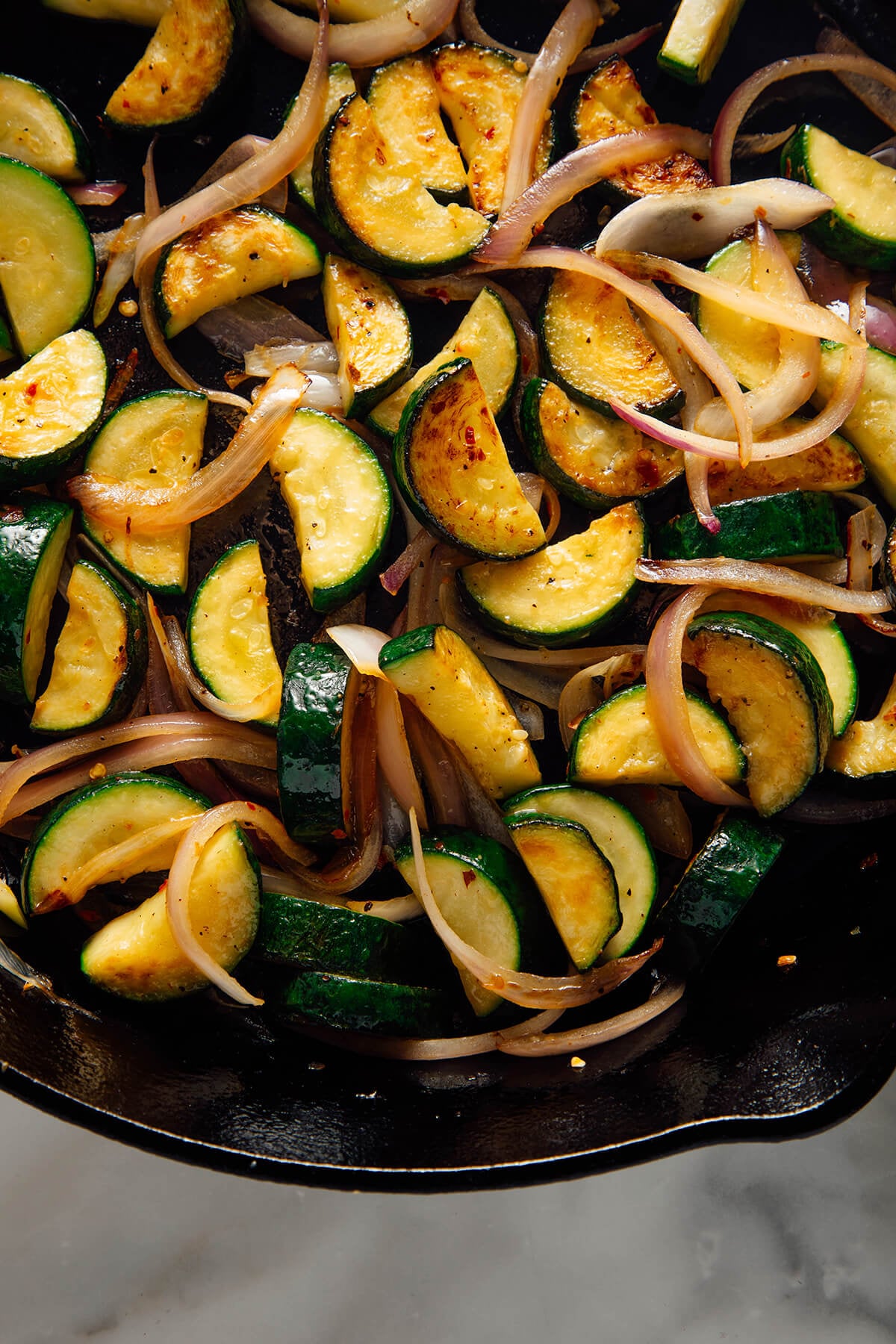
This versatile sautéed zucchini serves as an excellent complement to a variety of main courses. Its bright, savory notes make it a natural pairing for grilled proteins such as fish, chicken, or tofu. It can also enhance pasta dishes, grain bowls, or even stand alone as a light, flavorful appetizer. The inherent adaptability of the recipe, with suggestions for substituting roasted pistachios for almonds or varying the onion type, allows for personalized customization, ensuring broad appeal across different palates and dietary requirements. A nut-free option is also explicitly provided, demonstrating a commitment to inclusivity.
The introduction of this refined zucchini recipe holds broader implications for the culinary community and home cooking. By providing a clear, effective method for preparing a vegetable that often poses textural challenges, Taylor empowers home cooks to confidently incorporate more fresh produce into their diets. This could lead to an increase in zucchini consumption, particularly during its peak season when it is often abundant and affordable. Moreover, the emphasis on simple, high-impact techniques reinforces the idea that gourmet-quality dishes can be achieved with minimal fuss, encouraging greater engagement in home cooking. Taylor’s invitation for community feedback in the comments section further fosters a sense of shared culinary exploration and continuous improvement, solidifying her role as a leader in approachable, vegetable-centric cuisine. This sautéed zucchini is not merely a recipe; it is a testament to the power of thoughtful technique and ingredient appreciation, promising to redefine the way many experience this humble yet rewarding squash.