

Whey protein powder stands as a cornerstone supplement for individuals seeking to augment their daily protein intake efficiently. Its status as a complete protein, boasting all nine essential amino acids vital for muscle synthesis, coupled with its rich supply of branched-chain amino acids (BCAAs) like leucine, positions it as a powerful ally in muscle growth and recovery. This comprehensive guide delves into the nuances of whey protein, leveraging the expertise of certified sports nutrition coach Pete Nastasi to identify the top products for 2025. Through rigorous testing of over 50 protein powders and an expert-driven methodology, this analysis aims to equip consumers with the knowledge to make informed purchasing decisions.
Expert Insights and Methodological Rigor
The selection process for the best whey protein powders in 2025 was guided by a detailed scoring methodology, incorporating feedback from a panel of registered dietitians and highly credentialed experts in sports nutrition and exercise science. This collaborative approach ensures that the recommendations are grounded in scientific understanding and practical application. The methodology prioritizes key factors such as protein content, purity, bioavailability, ingredient quality, taste, mixability, and the absence of unnecessary additives.
Understanding Whey Protein: Types and Benefits
Whey protein, derived from cow’s milk, is one of two primary proteins found in milk, the other being casein. Accounting for approximately 20% of milk’s protein content, whey is recognized for its high quality and biological value. Its status as a complete protein means it provides all the essential amino acids that the human body cannot synthesize on its own. Beyond its role in muscle development, whey protein has been linked to potential benefits such as enhanced immune function and improved cardiometabolic health. It is most commonly available in powder form, versatile enough to be mixed with liquids, incorporated into food, or used in culinary applications to boost the protein content of various dishes.
The processing of whey protein leads to three primary forms, each with distinct characteristics:
Whey Protein Concentrate (WPC)
As the least processed form, WPC retains higher levels of lactose, fat, and carbohydrates, alongside a protein content typically ranging from 70% to 80%. Food manufacturers often utilize WPC for its ability to enhance flavor, color, and texture in products like soups, sauces, and baked goods, while also extending shelf life. Its lower protein concentration makes it a more budget-friendly option, but it may not be ideal for individuals with lactose intolerance.
Whey Protein Isolate (WPI)
Through further filtration and processing, WPI achieves a protein concentration of 90% or more, with significantly reduced levels of lactose and fat. This makes it a preferred choice for sports nutrition companies formulating supplements and protein bars, offering a purer protein source. However, this purification process can lead to the loss of some beneficial nutrients present in WPC.
Whey Protein Hydrolysate (WPH)
WPH, or hydrolyzed whey, undergoes a process called partial hydrolysis, which breaks down protein molecules into smaller peptides. This modification facilitates faster absorption by the body. While WPH digests more rapidly than WPC or WPI, potentially leading to a quicker increase in blood sugar levels, research also suggests that whey protein can positively impact glycemic control. Its accelerated absorption can be beneficial for rapid post-workout recovery.
The Multifaceted Benefits of Whey Protein Powder
The primary advantage of whey protein powder lies in its convenience and high-quality protein delivery. For individuals who struggle to meet their protein needs through whole foods alone, incorporating whey can be instrumental.
Muscle Building and Repair
The rich amino acid profile of whey protein, particularly its BCAA content, is crucial for supporting muscle integrity and promoting growth in response to training. Consuming adequate protein, including whey, post-exercise can optimize muscle protein synthesis and facilitate recovery.
Preserving Lean Muscle Mass
During periods of caloric deficit aimed at weight loss, maintaining lean muscle mass is paramount. A protein-rich diet, supplemented with whey, helps ensure that weight loss primarily comes from fat stores, rather than valuable muscle tissue. Protein’s satiating effect also plays a role in appetite regulation.
Weight Management
Whey protein’s ability to promote satiety can lead to a reduced overall caloric intake throughout the day. By helping individuals feel fuller for longer, it can be a valuable tool in managing hunger and supporting weight loss efforts. Studies have even indicated that whey protein, when combined with resistance training, may contribute to a reduction in abdominal fat.
Strategic Integration of Whey Protein
Determining the appropriate daily protein intake is a foundational step in effectively utilizing whey protein powder. This calculation is influenced by individual fitness goals, body weight, activity levels, and overall physique. A general guideline for active individuals is to consume between 0.8 to 1 gram of protein per pound of body weight daily. It is crucial to remember that whey protein powder should complement, not replace, a balanced diet rich in whole foods.
Following the manufacturer’s instructions for dosage is essential, typically involving mixing one scoop with 10 to 12 ounces of liquid. Beyond water, whey protein can be blended into smoothies, oatmeal, pancake batter, or other food items to enhance their nutritional profile. While it can be consumed at any time of day, its post-workout application for muscle repair is a common and effective strategy.
Navigating Potential Side Effects and Considerations
When consumed in moderation, whey protein powder is generally safe for healthy adults. However, excessive intake can lead to digestive discomfort, dehydration, and potential nutrient imbalances. It is imperative to integrate whey protein as part of a comprehensive dietary plan. Any adverse reactions should prompt immediate cessation of use and consultation with a healthcare professional.
Identifying the Ideal User for Whey Protein
Whey protein powder serves as a beneficial supplement for anyone aiming to increase their protein intake, particularly those who find it challenging through diet alone. This includes athletes, bodybuilders, and fitness enthusiasts with elevated protein requirements due to rigorous training regimens.
Moreover, older adults may find whey protein particularly advantageous. As the body’s protein absorption efficiency declines with age, protein supplements can offer an accessible way to ensure adequate nutrient intake and support muscle health, which is crucial for maintaining mobility and independence.
The Art and Science of Choosing the Right Whey Protein
Selecting the optimal whey protein powder involves careful consideration of several factors:
Type of Protein
Understanding whether a product is concentrate, isolate, or hydrolysate, or a blend thereof, is key. The ingredient list will provide this information, guiding choices based on individual dietary needs, such as lactose sensitivity.
Flavor Profile
The vast array of available flavors—from unflavored to exotic blends—underscores the importance of personal preference. Opting for smaller containers or sample packs initially can help identify preferred tastes and allow for experimentation with flavor enhancers like fruits or juices.
Nutritional Content
A close examination of the nutrition label is crucial. The protein content per serving (typically around 25 grams for optimal muscle protein synthesis) should be a primary focus, alongside calories, fats, carbohydrates, fiber, vitamins, and minerals. The absence of unnecessary fillers and artificial ingredients is also a significant consideration.
Additives and Allergens
For individuals with specific dietary restrictions or allergies, a thorough review of the ingredient list is non-negotiable. Warnings regarding common allergens like soy or potential cross-contamination with nuts are vital for safe consumption.
Price Point
The market offers a wide range of prices for whey protein powders, with options generally falling between $1.16 to $3.41 per serving. Budget-conscious consumers can find quality products without compromising on essential nutritional benefits.
Expertly Curated Selections for 2025
Based on extensive testing and expert consultation, the following whey protein powders have been identified as top contenders for 2025:
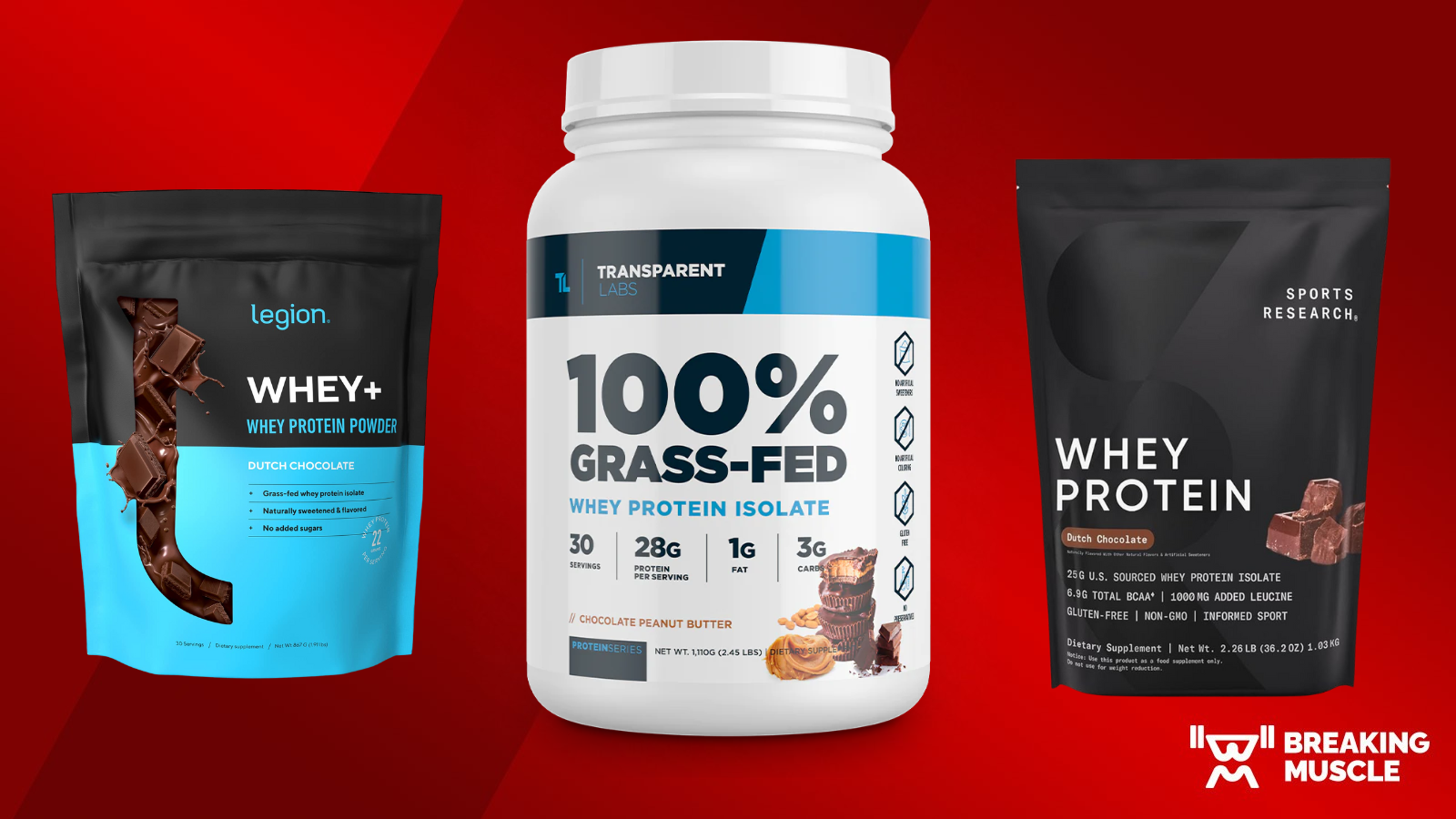
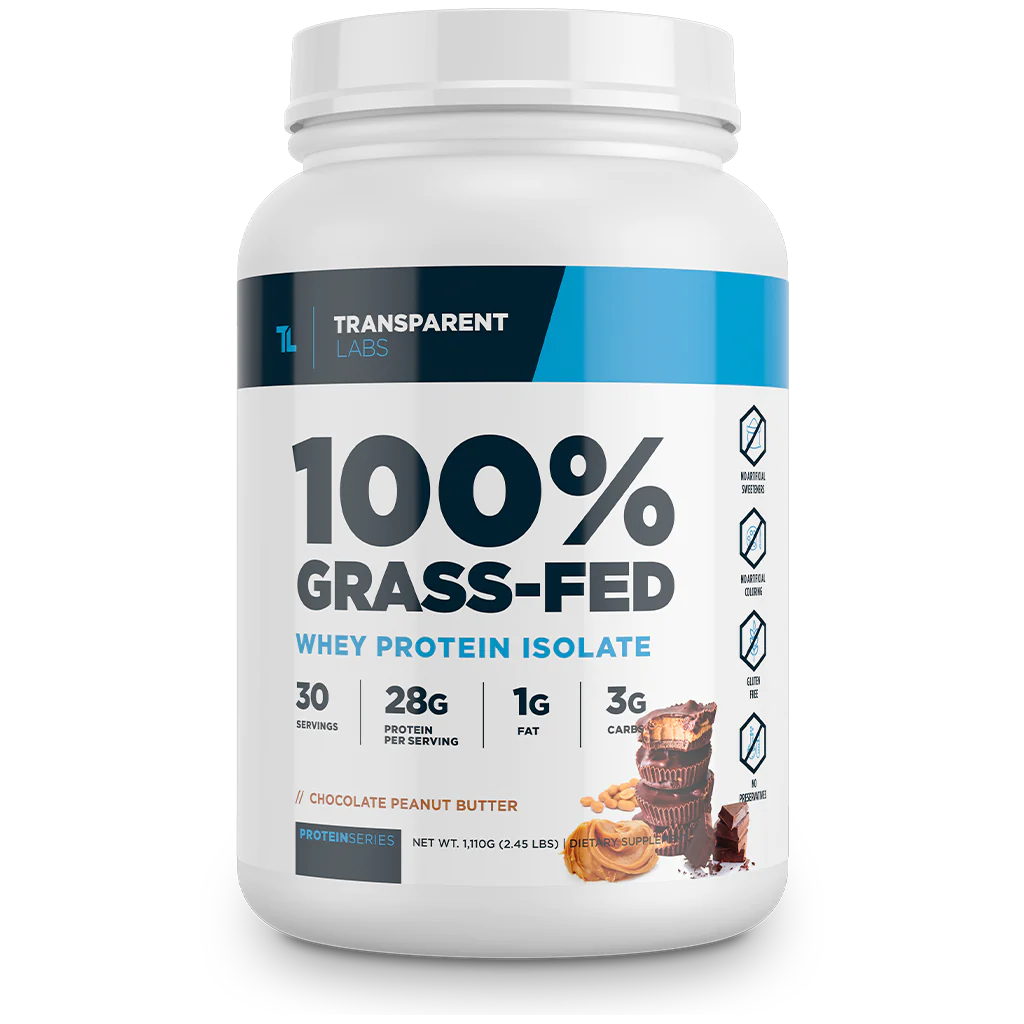
Best Overall: Transparent Labs 100% Grass-Fed Whey Protein Isolate
This whey protein isolate is meticulously filtered to remove excess sugar, fat, carbohydrates, and lactose, delivering a pure protein source for muscle rebuilding. With an impressive 28 grams of protein per serving, it stands among the highest protein concentrations available. The brand’s commitment to quality is evident in its grass-fed sourcing and extensive flavor variety, including unique options like Cinnamon French Toast, all without an overly sweet profile.
- Pros: High protein content, grass-fed sourcing, excellent purity, diverse flavor options, minimal sweetness.
- Cons: Can be on the pricier side compared to some alternatives.
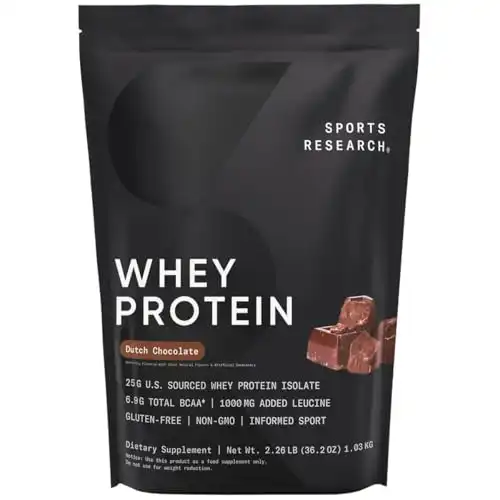
Best Chocolate Flavor: Sports Research Whey Protein
Formulated with 6.9 grams of BCAAs, including 1,000 milligrams of L-leucine, this powder is designed to support muscle recovery and reduce post-exercise soreness. Informed Sport Certified, it is sweetened with stevia or sucralose, which may be a consideration for sensitive individuals. Users have praised its excellent mixability and smooth texture, with many reporting no bloating, a common side effect for some with other whey products. The Dutch Chocolate flavor has been highlighted as exceptionally delicious and satisfying, often enjoyed as a dessert shake.
- Pros: Rich in BCAAs and L-leucine, Informed Sport Certified, excellent mixability, reported to be bloat-free, delicious chocolate flavor.
- Cons: Sweetened with stevia or sucralose, which may not appeal to all.
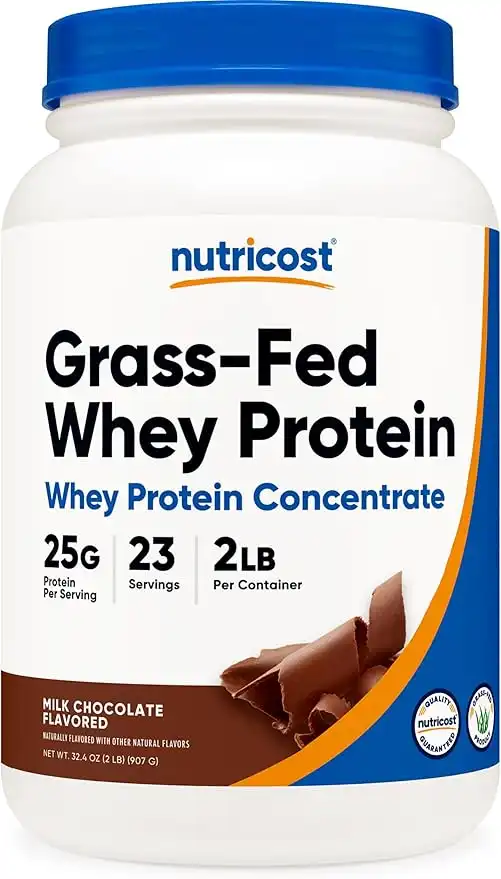
Best Grass-Fed Whey Protein: Nutricost Grass-Fed Whey Protein Concentrate
The nutritional superiority of grass-fed dairy, characterized by higher concentrations of whey proteins and amino acids, is a key benefit of this product. Nutricost’s offering is non-GMO, gluten-free, and third-party tested, ensuring a high-quality concentrate. Testers have lauded its nostalgic taste, often compared to Nesquik, and its impressive mixability, even when blended with milk. While some slight separation may occur after extended sitting, it does not detract from the overall appeal.
- Pros: Grass-fed sourcing, non-GMO, gluten-free, third-party tested, pleasant taste, good mixability.
- Cons: As a concentrate, it has slightly lower protein content and higher lactose compared to isolates.
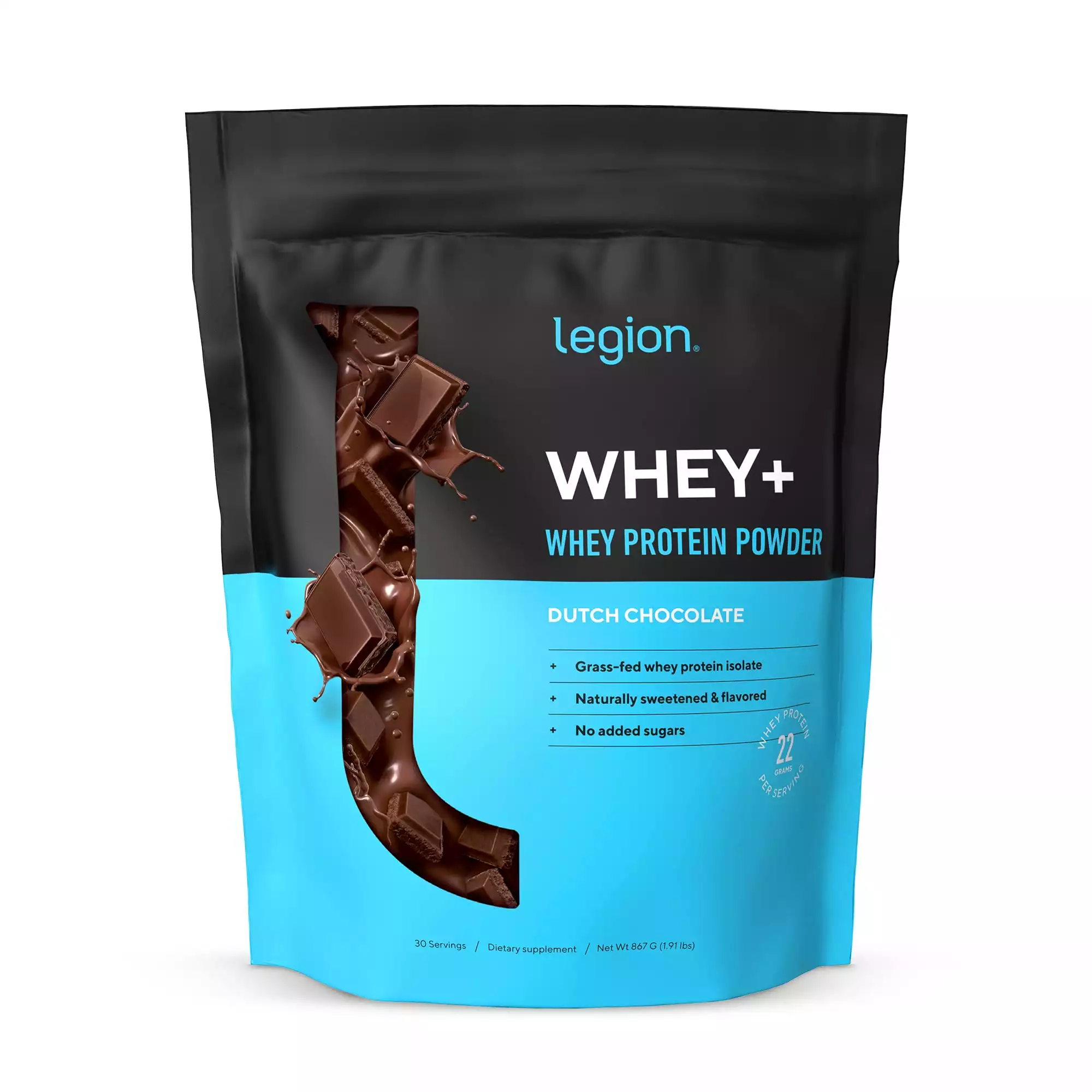
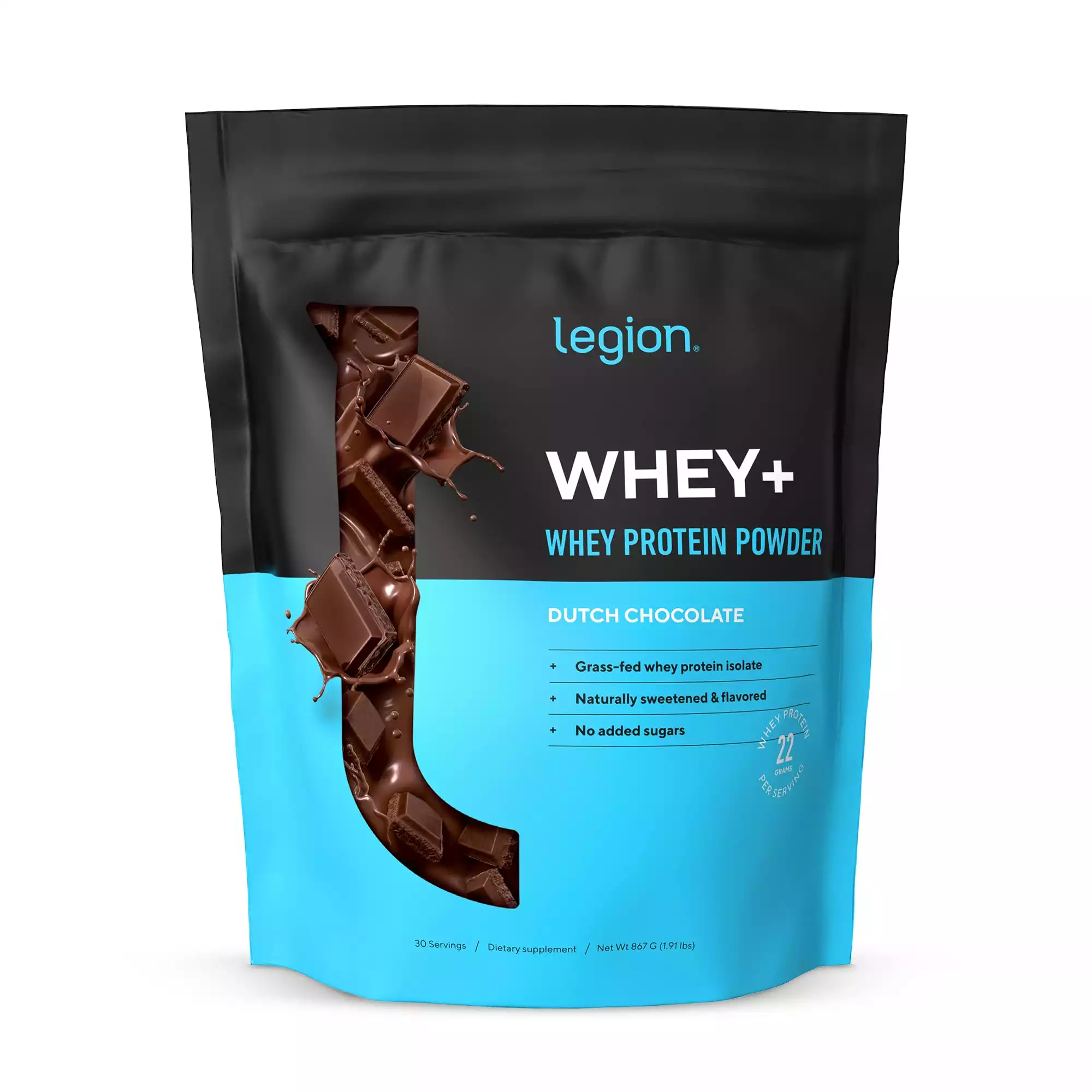
Best Vanilla Whey Protein: Legion Whey+
Legion Athletics’ whey protein isolate undergoes rigorous third-party testing by Labdoor, verifying its purity and absence of banned substances. This meticulous process ensures that users receive a nutritionally dense product free from contaminants. The filtration process removes excess carbs and fats, aiming for bloat-free digestion. Testers have consistently praised the French Vanilla flavor, describing it as akin to a vanilla creamer, making it a highly palatable option.
- Pros: Third-party tested for purity and banned substances, designed for bloat-free digestion, excellent vanilla flavor.
- Cons: Premium pricing may be a factor for some consumers.
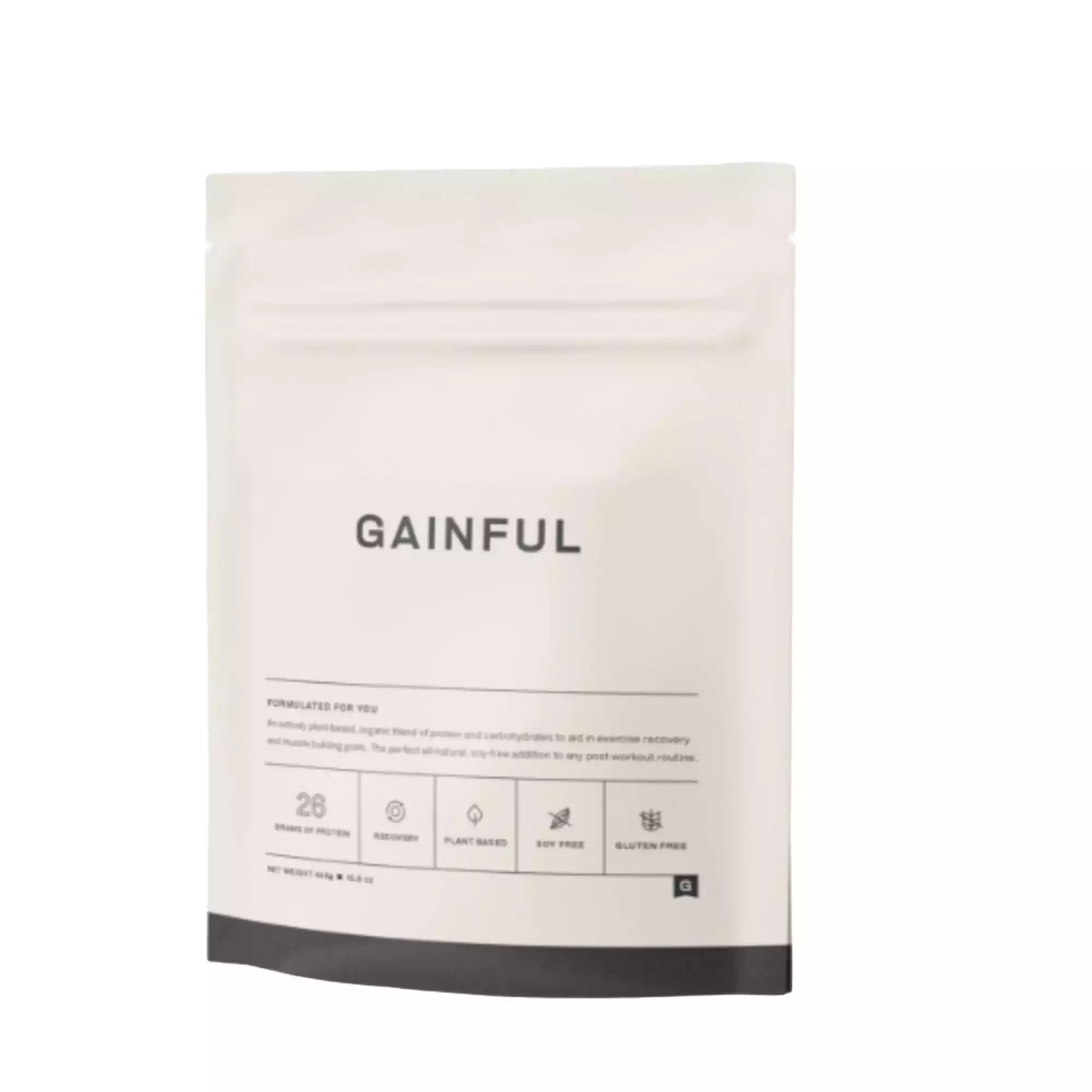
Best Tasting Whey Protein: Gainful Protein Powder
Addressing the common complaint of "chalky" textures and unpleasant aftertastes, Gainful offers a range of customizable protein powders. Their Caffe Mocha flavor has been noted for its subtle, balanced taste, reminiscent of an at-home cappuccino mix. The brand provides nine distinct flavors in individual-use packets, allowing consumers to select based on their daily preference. This flexibility, combined with Nastasi’s endorsement of flavors like Chocolate Peanut Butter and Sea Salt Caramel, positions Gainful as a top choice for taste satisfaction.
- Pros: Highly customizable flavors, individual-use packets for variety, pleasant and non-chalky taste, good for those seeking specific flavor profiles.
- Cons: Customization may involve a slightly higher per-serving cost.
Frequently Asked Questions About Whey Protein
How often should I consume whey protein?
Protein intake should be distributed throughout the day, with meals and snacks occurring every three to five hours. While one whey protein drink per day is generally considered reasonable, it should not replace nutritious whole foods. Consult a doctor if considering using whey protein to replace more than one meal.
Is whey protein powder safe?
For healthy individuals, whey protein powder is generally safe when consumed in moderation. Those with pre-existing medical conditions or severe lactose intolerance should consult a healthcare professional.
What is the best time to take whey protein powder?
The optimal timing for whey protein consumption is highly individual and depends on personal goals and lifestyle. Whether consumed in the morning for a quick breakfast or post-workout for recovery, the overall daily protein intake is more critical than the specific timing.
Can whey protein powder help with weight loss?
Yes, whey protein can aid in weight loss by promoting satiety, regulating hunger, and potentially reducing abdominal fat when combined with resistance training.
What are the disadvantages of whey protein?
Overconsumption can lead to side effects such as digestive issues, dehydration, and potential disruption of gut bacteria. High-quality prebiotics or a diet rich in fruits and vegetables can help mitigate gut-related concerns.
How do I know if my whey is good quality?
Quality is indicated by traceable, organic, and certified ingredients, the absence of fillers and artificial sweeteners, and third-party certifications and seals on the label. A transparent ingredient list and a comprehensive nutritional profile are also strong indicators of quality.
