






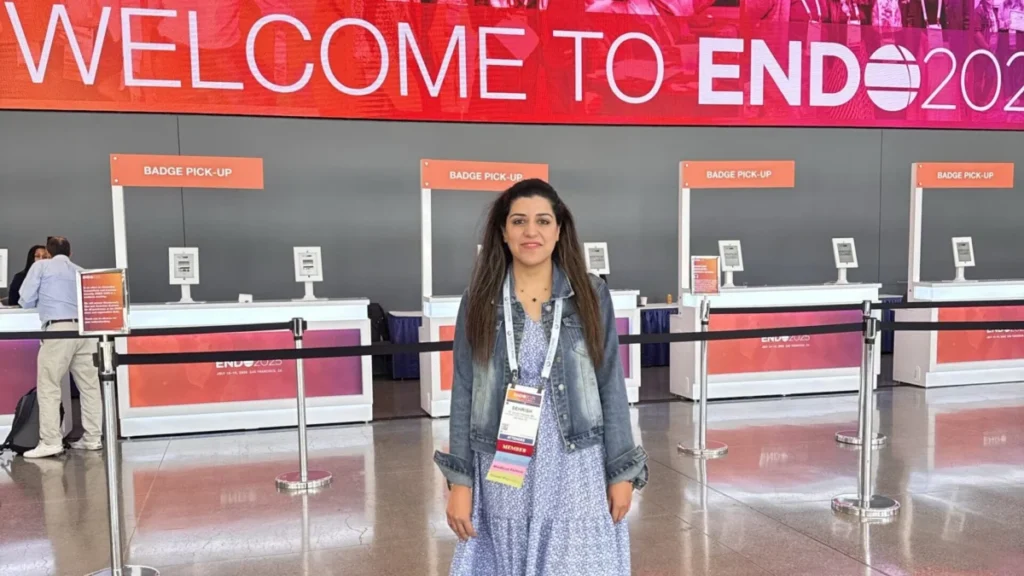
In the high-stakes world of specialized medicine, the transition from fellow to board-certified attending physician represents one of the most rigorous professional milestones. For Dr. Sehrish Waheed, an endocrinologist at Platinum Hospitalists in Las Vegas, Nevada, this journey was not merely a private academic pursuit but a public-facing endeavor that highlighted the intersection of clinical excellence and modern digital engagement. Known to her growing digital audience as "@NoSugarMD," Dr. Waheed has emerged as a prominent voice in the endocrine community, leveraging social media to humanize the medical profession while navigating the demanding requirements of the American Board of Internal Medicine (ABIM) certification in Endocrinology, Diabetes, and Metabolism.
Dr. Waheed’s career trajectory reached a pivotal juncture in August 2025 when she joined Platinum Hospitalists following the completion of her endocrinology fellowship at MountainView Hospital in Nevada. However, the groundwork for her current practice was laid months prior during an intensive period of preparation for her board exams. By documenting her study process and sharing the resources that facilitated her success, Dr. Waheed has provided a blueprint for future trainees while simultaneously building a bridge of trust with a patient population often marginalized by the traditional healthcare system.
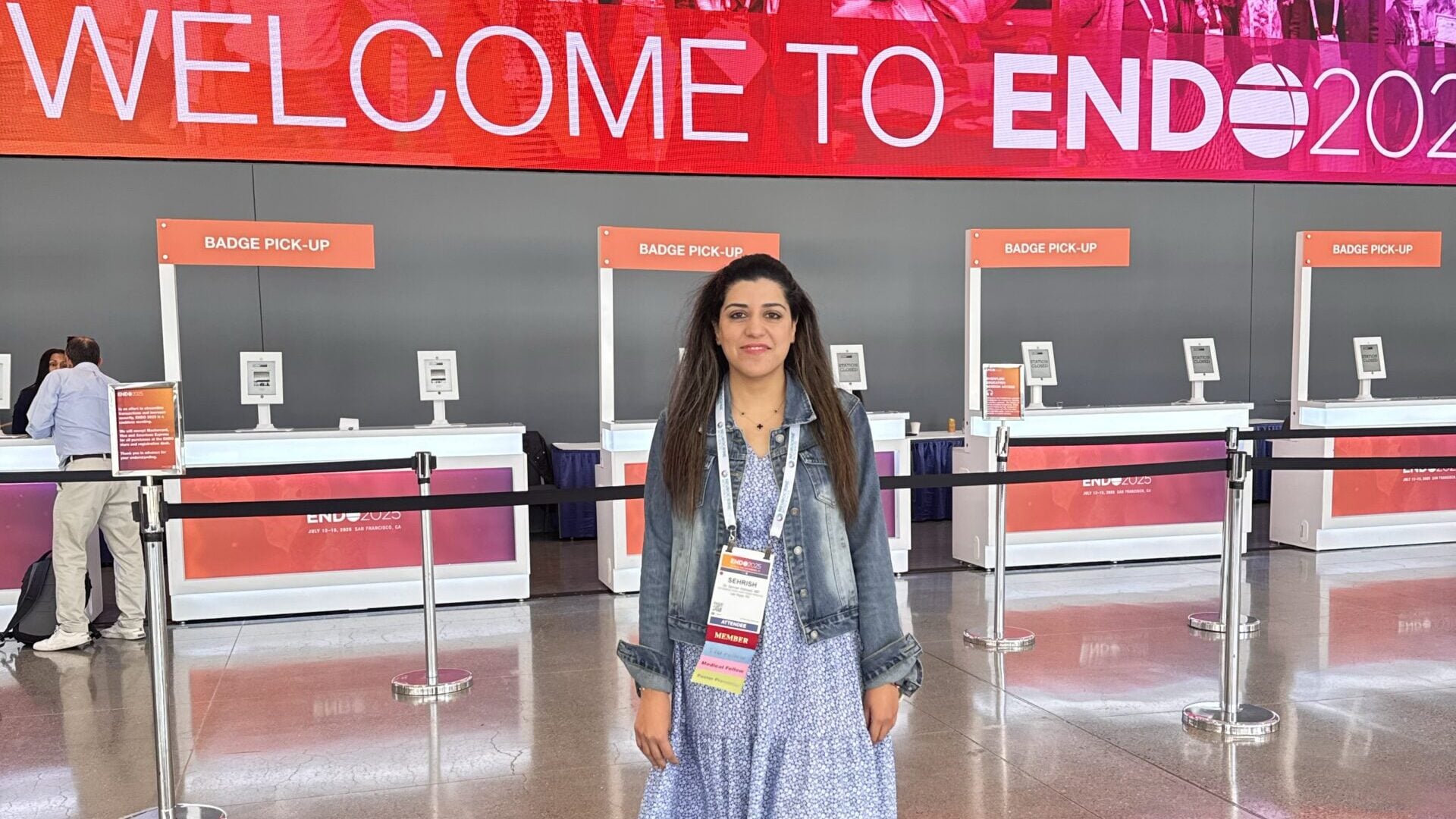
The Architecture of Board Certification: A Strategic Approach to Excellence
The ABIM Endocrinology, Diabetes, and Metabolism certification exam is designed to evaluate the knowledge, diagnostic reasoning, and clinical judgment of specialists. For early-career physicians, the breadth of the curriculum—encompassing everything from adrenal and pituitary disorders to bone metabolism and reproductive health—can be daunting. Dr. Waheed’s approach to this challenge was characterized by early intervention and the strategic use of high-yield pedagogical resources.

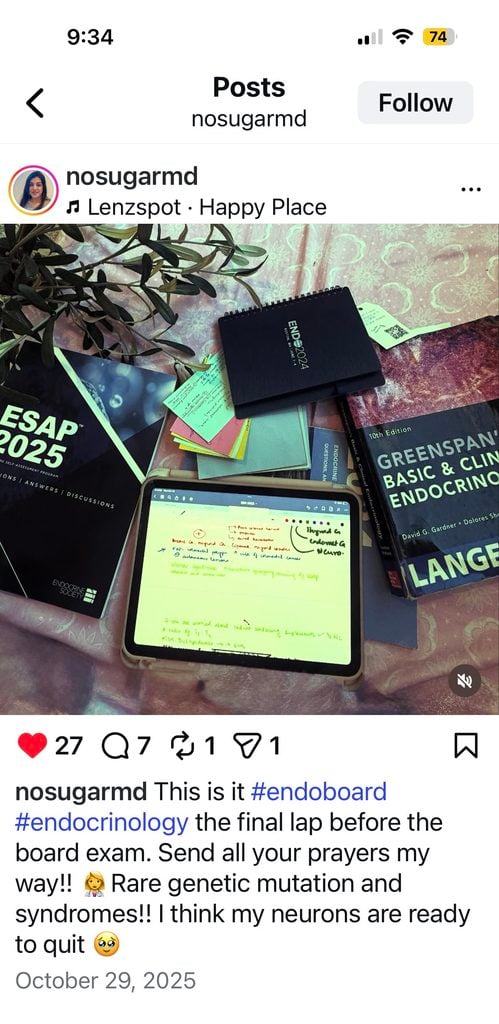
Central to her preparation was the Endocrine Society’s Endocrine Board Review (EBR) program. This comprehensive suite of tools includes the Endocrine Self-Assessment Program (ESAP), interactive practice exams, and the highly regarded EBR book. Dr. Waheed noted that her preparation began long before the final months of study; she integrated practice questions into her daily routine from the very beginning of her fellowship. This longitudinal approach allowed for the gradual synthesis of complex clinical data, ensuring that the information was internalized rather than merely memorized.
A significant component of her success was attributed to the EBR live study sessions, particularly lectures delivered by renowned experts such as Dr. Stephanie Page and Dr. Margaret F. Lippincott. Dr. Waheed highlighted a specific gap in many fellowship programs: exposure to hormonal therapy and specialized women’s health. By engaging with Dr. Lippincott’s lectures, she was able to solidify her foundational understanding of these topics, which are frequently represented on the board exam but may be underemphasized in certain clinical rotations. This highlights a broader trend in medical education where professional societies act as essential supplementary educators, filling the gaps between institutional training and national standards of care.
Social Media as a Tool for Clinical Transparency and Public Health
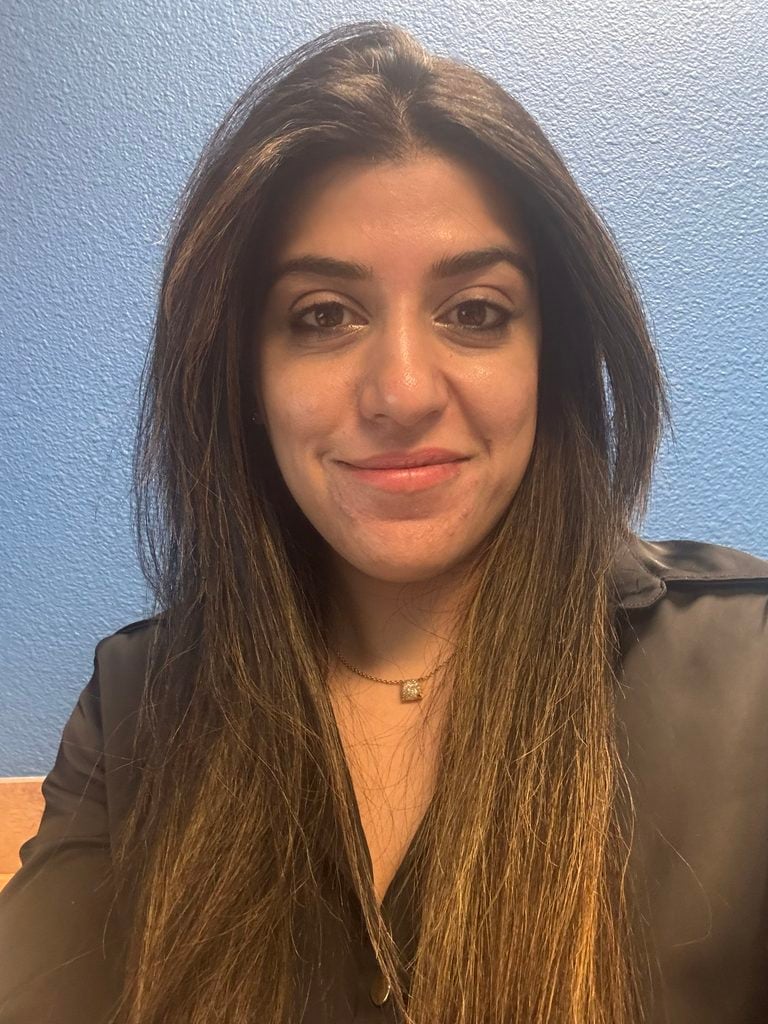
In an era where medical misinformation proliferates on digital platforms, Dr. Waheed’s presence as "@NoSugarMD" serves as a vital corrective. Her use of Instagram and blogging is not merely a hobby but a strategic extension of her clinical practice. By sharing glimpses of her personal life alongside evidence-based medical insights, she aims to dismantle the "clinical and intimidating" aura that often surrounds physicians.
One of the primary drivers of her digital engagement is the need to address common misconceptions regarding metabolic health. For example, the rebranding of Polycystic Ovary Syndrome (PCOS) to Polyendocrine Metabolic Ovarian Syndrome (PMOS) reflects a shift in the medical community’s understanding of the condition as a systemic metabolic issue rather than a localized gynecological one. Dr. Waheed utilizes her platform to explain these shifts to patients, discussing the nuances of insulin levels and metabolic markers in a language that is accessible yet scientifically accurate.
Research into the "Med-Influencer" phenomenon suggests that physicians who engage on social media can significantly improve patient health literacy. By showing the "human side" of medicine—including her own struggles with maintaining a healthy lifestyle amidst a demanding career—Dr. Waheed fosters a sense of relatability. This connection is particularly crucial for patients who may feel alienated by the healthcare system, as it establishes a foundation of mutual experience and shared goals before the patient even enters the exam room.
Combating the Crisis of Obesity Stigma
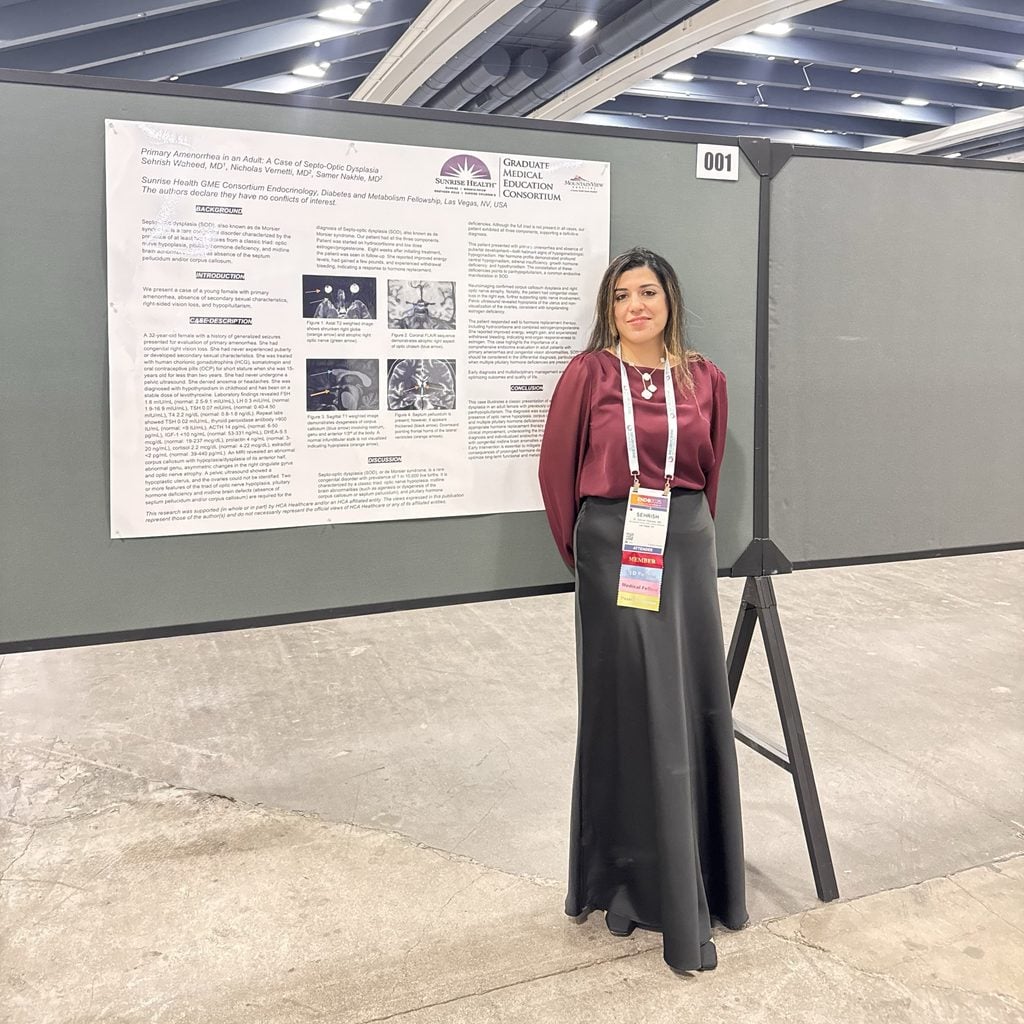
Dr. Waheed’s clinical focus on obesity places her at the center of one of the most significant public health challenges in the United States. According to the Centers for Disease Control and Prevention (CDC), the prevalence of obesity among U.S. adults is approximately 42%, yet the stigma associated with the condition remains a major barrier to effective treatment. Many patients experience "weight bias" in healthcare settings, where their concerns are dismissed or attributed solely to their weight, leading to delayed diagnoses and poorer health outcomes.
For Dr. Waheed, addressing this stigma is a cornerstone of her practice philosophy. She emphasizes the importance of building trusting, non-judgmental relationships with her patients. "Being able to give them confidence and let them know that I’m not there to judge them is incredibly important to me," she stated. This approach aligns with the growing clinical consensus that obesity must be treated as a chronic, complex disease rather than a failure of willpower.
By specializing in obesity medicine, Dr. Waheed is part of a new generation of endocrinologists who are integrating pharmacotherapy, behavioral changes, and metabolic science to provide holistic care. Her commitment to her patients goes beyond the prescription pad; it involves understanding their life stories, their previous traumas within the medical system, and their long-term health aspirations. As she enters her first year as an attending physician, she is already seeing the fruits of this labor, with patients returning for follow-up visits and developing the long-term therapeutic alliances necessary for managing chronic metabolic conditions.
The Role of Professional Societies in Early Career Development
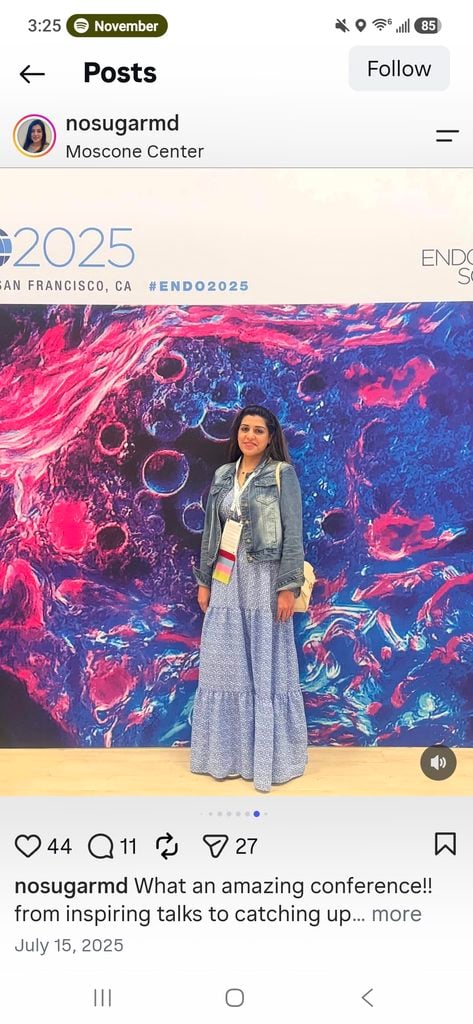
The support of the Endocrine Society has been a constant thread throughout Dr. Waheed’s development. Beyond providing study materials, the Society offers a robust infrastructure for mentorship and specialized training. Dr. Waheed participated in the Diabetes Type 1 and Obesity Fellow Programs, which allowed her to collaborate with peers and learn from national experts. These programs are essential for fostering a sense of community among specialists who may otherwise feel isolated in their local practices.
Furthermore, the Endocrine Society’s mentorship program provided Dr. Waheed with access to established leaders in the field. These interactions offer more than just clinical guidance; they provide career perspective, networking opportunities, and a sense of professional identity. Dr. Waheed’s experience underscores the importance of institutional visibility. Despite having a modest social media following, the Society’s recognition of her work made her feel "seen and supported," a sentiment that is vital for the retention and morale of young physicians in a high-burnout profession.
Broader Implications for the Future of Endocrinology
The story of Dr. Sehrish Waheed is indicative of a broader shift in the field of endocrinology and the wider medical landscape. As the digital and physical worlds continue to merge, the "physician-influencer" will likely play an increasingly important role in public health advocacy and patient education. Dr. Waheed’s success in balancing a rigorous clinical workload with a proactive digital presence demonstrates that these two spheres can be mutually reinforcing.
Moreover, her focus on obesity and the rebranding of conditions like PMOS reflects an evolving medical paradigm that prioritizes metabolic health as a foundational element of overall well-being. As more physicians adopt her trust-based, stigma-free approach to obesity care, the potential for improving long-term outcomes for millions of patients increases significantly.
In conclusion, Dr. Waheed’s journey from a dedicated fellow at MountainView Hospital to a board-certified endocrinologist at Platinum Hospitalists serves as a testament to the power of preparation, the importance of professional community, and the transformative potential of digital transparency. By leveraging the resources of the Endocrine Society and maintaining a commitment to patient-centered care, she is not only treating diseases but also reshaping the narrative of what it means to be a physician in the 21st century. Her advice to current trainees—to start early, stay consistent, and remain human—remains a vital lesson for the next generation of medical professionals.