









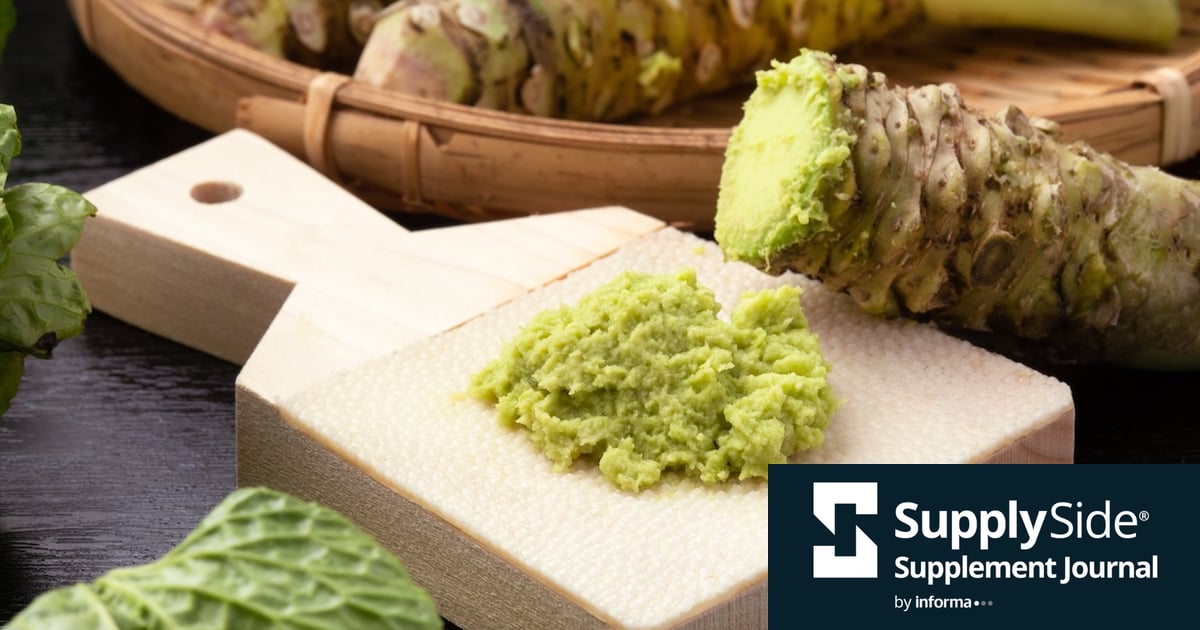
The supplement industry continues to be a dynamic landscape of scientific discovery and innovative product launches, with recent developments highlighting the potential of unexpected ingredients to support human health. In a significant move for the North American market, Kinjirushi, a company with deep roots in wasabi cultivation and processing, has introduced its hexaraphane ingredient, a derivative of the pungent Japanese horseradish, for its cognitive benefits and contributions to healthy aging. This launch follows promising clinical research, underscoring a growing trend in harnessing the power of plant-based compounds for advanced wellness solutions.
Beyond its culinary role as a zesty accompaniment to sushi and other Japanese dishes, wasabi (Eutrema japonicum) is revealing a scientifically validated potential to positively impact brain function and support the aging process. The introduction of hexaraphane to the U.S. market signifies a deliberate effort to translate this scientific understanding into accessible dietary supplements. This naturally occurring isothiocyanate, found in cruciferous vegetables like broccoli and wasabi, has demonstrated an ability to enhance working and episodic memory in healthy older adults, according to findings from a clinical trial conducted in 2023 and subsequently published in the peer-reviewed journal Nutrients.
The research, which forms the bedrock of this product launch, focused on the specific compound hexaraphane, a potent bioactive molecule known for its antioxidant and anti-inflammatory properties. The 2023 clinical trial specifically investigated the effects of hexaraphane supplementation on cognitive performance in a cohort of healthy older adults. The results indicated statistically significant improvements in measures of working memory, which is crucial for tasks requiring temporary information storage and manipulation, and episodic memory, which pertains to the recall of personal experiences and events. These findings are particularly noteworthy given the increasing global focus on strategies to maintain cognitive vitality as populations age.
Isao Okunishi, Ph.D., a fellow researcher at Kinjirushi, emphasized the company’s commitment to unlocking the full spectrum of wasabi’s health benefits. "Wasabi has a long history in Japanese food culture, but our understanding of the plant continues to evolve," Dr. Okunishi stated. "Research into hexaraphane is helping us explore an entirely different side of wasabi. We want to bring greater awareness of that science to North America and encourage continued interest in the relationship between wasabi, nutrition, and cognitive health." This sentiment reflects a broader scientific endeavor to move beyond traditional uses of botanicals and explore their intricate biochemical pathways and physiological impacts.
The journey of hexaraphane from a component of wasabi to a targeted supplement ingredient has been supported by a growing body of scientific evidence. Preceding the cognitive health findings, studies had already begun to establish the safety and potential therapeutic applications of hexaraphane. Research involving both animal models and human subjects has demonstrated its safety profile. Furthermore, investigations have explored its benefits for individuals experiencing chronic fatigue syndrome, where supplementation with the compound showed positive outcomes. In healthy populations, hexaraphane has also been linked to improvements in subjective reports of fatigue and enhanced sleep quality, suggesting a multifaceted role in supporting overall well-being and resilience.
A Deeper Dive into Hexaraphane Research and its Implications
The significance of hexaraphane lies in its mechanism of action, which is closely tied to the body’s endogenous antioxidant defense system. As an isothiocyanate, hexaraphane is a precursor to sulforaphane, a well-researched compound that activates the Nrf2 pathway. The Nrf2 pathway is a master regulator of cellular defense against oxidative stress and inflammation, both of which are implicated in age-related cognitive decline and various chronic diseases. By upregulating Nrf2, hexaraphane can bolster the body’s natural ability to protect cells from damage, which is particularly relevant for neural tissues that are highly susceptible to oxidative insult.
The clinical trial published in Nutrients (MDPI, 2023) provided quantitative data supporting the cognitive benefits. While specific details of the trial’s methodology and participant demographics are crucial for a comprehensive understanding, the reported improvements in working and episodic memory suggest a tangible impact on brain function. For instance, enhanced working memory could translate to better performance in daily tasks such as remembering instructions, managing multiple pieces of information, and engaging in complex problem-solving. Similarly, improvements in episodic memory could aid in recalling personal events, supporting social connections, and maintaining a sense of self over time.
The safety data available for hexaraphane adds another layer of confidence for its integration into dietary supplements. Studies demonstrating safety in rats and humans suggest that it can be incorporated into a regular supplementation regimen without significant adverse effects. This is a critical factor for any ingredient intended for broad consumer use, especially for products targeting older adults who may have pre-existing health conditions or be taking other medications.
The observed benefits for chronic fatigue syndrome patients and improvements in fatigue and sleep in healthy individuals further broaden the potential market for hexaraphane-based products. Chronic fatigue syndrome is a complex condition characterized by profound fatigue that is not improved by rest, and it often co-occurs with cognitive difficulties. The potential for hexaraphane to alleviate some of these debilitating symptoms is a promising avenue for therapeutic research. In healthy individuals, better sleep and reduced fatigue are foundational for overall health, productivity, and quality of life.
The Evolving Landscape of Supplement Innovation
The launch of Kinjirushi’s hexaraphane ingredient is emblematic of a broader trend in the supplement industry: the exploration of novel botanical sources and the rigorous scientific validation of their active compounds. This approach moves beyond traditional herbal remedies, leveraging modern research methodologies to identify and isolate specific molecules with targeted health benefits. The industry is increasingly driven by science, with consumers seeking evidence-based solutions for their health and wellness needs.
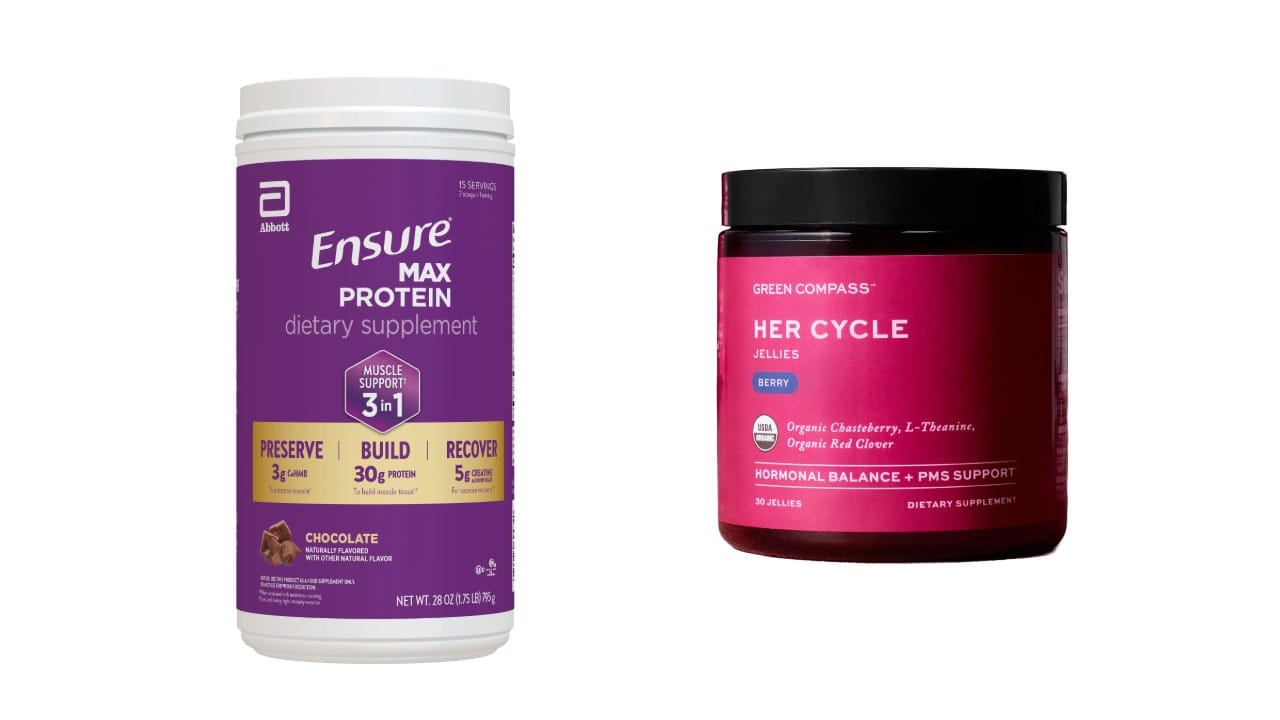
This trend is also evident in the finished product news emerging from the market. For example, Abbott, a global healthcare company, has recently brought creatine into the mainstream with a new product launch. Creatine, a well-established supplement known primarily for its benefits in muscle building and athletic performance, is now being incorporated into products aimed at a wider audience, reflecting its broader utility and growing consumer awareness. This move by a major player like Abbott signals the maturation of the supplement market, where once niche ingredients are becoming more accessible and integrated into everyday wellness routines.
Another example of this product innovation is seen in the launch of "Her Cycle" gummies by Green Compass. These gummies incorporate a blend of chasteberry, red clover, and L-theanine, ingredients often associated with women’s health and hormonal balance. Chasteberry has a long history of use for menstrual cycle regulation, red clover is known for its isoflavone content which may help with menopausal symptoms, and L-theanine is recognized for its calming and stress-reducing properties. The formulation of these gummies targets specific demographic needs, showcasing the industry’s ability to create specialized products based on scientific understanding of ingredient synergies.
The diversification of supplement offerings, from single-ingredient compounds like hexaraphane to complex formulations like Her Cycle gummies and mainstreaming of established ingredients like creatine, highlights the industry’s responsiveness to consumer demand and scientific advancement. The market is not just about providing supplements; it’s about offering scientifically backed solutions tailored to specific health goals and life stages.
Industry Reactions and Future Outlook
The introduction of Kinjirushi’s hexaraphane ingredient is likely to be met with considerable interest from manufacturers, formulators, and health practitioners. The potential for a novel cognitive support ingredient derived from a familiar food source offers a compelling narrative and a unique selling proposition. Industry analysts suggest that the demand for natural ingredients with scientifically validated cognitive benefits is on the rise, driven by an aging global population and increased awareness of brain health.
Companies specializing in ingredient sourcing and development, such as those who partner with Kinjirushi, will be keen to explore the integration of hexaraphane into their product lines. The availability of robust clinical data, including the recent Nutrients publication, is crucial for building confidence and facilitating market adoption. Furthermore, the established safety profile will be a key factor in its widespread acceptance.
The broader implications of this development extend beyond the immediate market for cognitive supplements. It reinforces the value of investing in research and development for underutilized botanical resources. As climate change and evolving agricultural practices impact traditional crops, diversifying the sources of beneficial compounds becomes increasingly important. Wasabi, with its unique phytochemical profile, represents an intriguing opportunity in this regard.
The success of hexaraphane in the U.S. market could pave the way for further exploration of other bioactive compounds within the wasabi plant or related cruciferous species. The scientific community’s ongoing investigation into the mechanisms of action of plant-derived compounds continues to unveil their potential to address a wide range of health concerns, from metabolic disorders to immune function.
Call for Industry Collaboration and Innovation
The SupplySide Supplement Journal actively encourages companies and researchers to share their latest findings and product innovations. "Launching innovative ingredients and products? Did you just publish a new clinical trial? Getting ready to announce something big? SupplySide Supplement Journal would love to know. Reach out to Devon at [email protected]," the publication states. This open invitation underscores the collaborative spirit that drives progress in the supplement industry. By fostering communication and knowledge sharing, the industry can accelerate the translation of scientific discoveries into tangible health benefits for consumers.
Devon Gholam, Ph.D., an editor at SupplySide Supplement Journal, brings a wealth of experience from nearly two decades in the functional food and nutraceutical industry. Her background spans product development, innovation, technical sales, and technical writing at prominent companies like Kellogg Co. and Ganeden Biotech. Gholam’s passion for women’s health and her keen interest in the impact of emerging trends, such as GLP-1 medications on the food and supplement sectors, position her as a valuable voice in reporting on industry advancements. Her commitment to credible science and fostering an innovative, collaborative spirit within the nutraceutical community aligns with the publication’s mission to inform and inspire industry professionals.
In conclusion, the U.S. market introduction of Kinjirushi’s hexaraphane ingredient marks a significant development in the quest for natural cognitive enhancers and healthy aging solutions. Supported by scientific research demonstrating its efficacy and safety, this wasabi derivative joins a growing list of innovative products poised to meet the evolving demands of health-conscious consumers. As the supplement industry continues to mature, the synergy between scientific discovery, ingredient innovation, and finished product development promises a future filled with even more sophisticated and effective wellness offerings.