

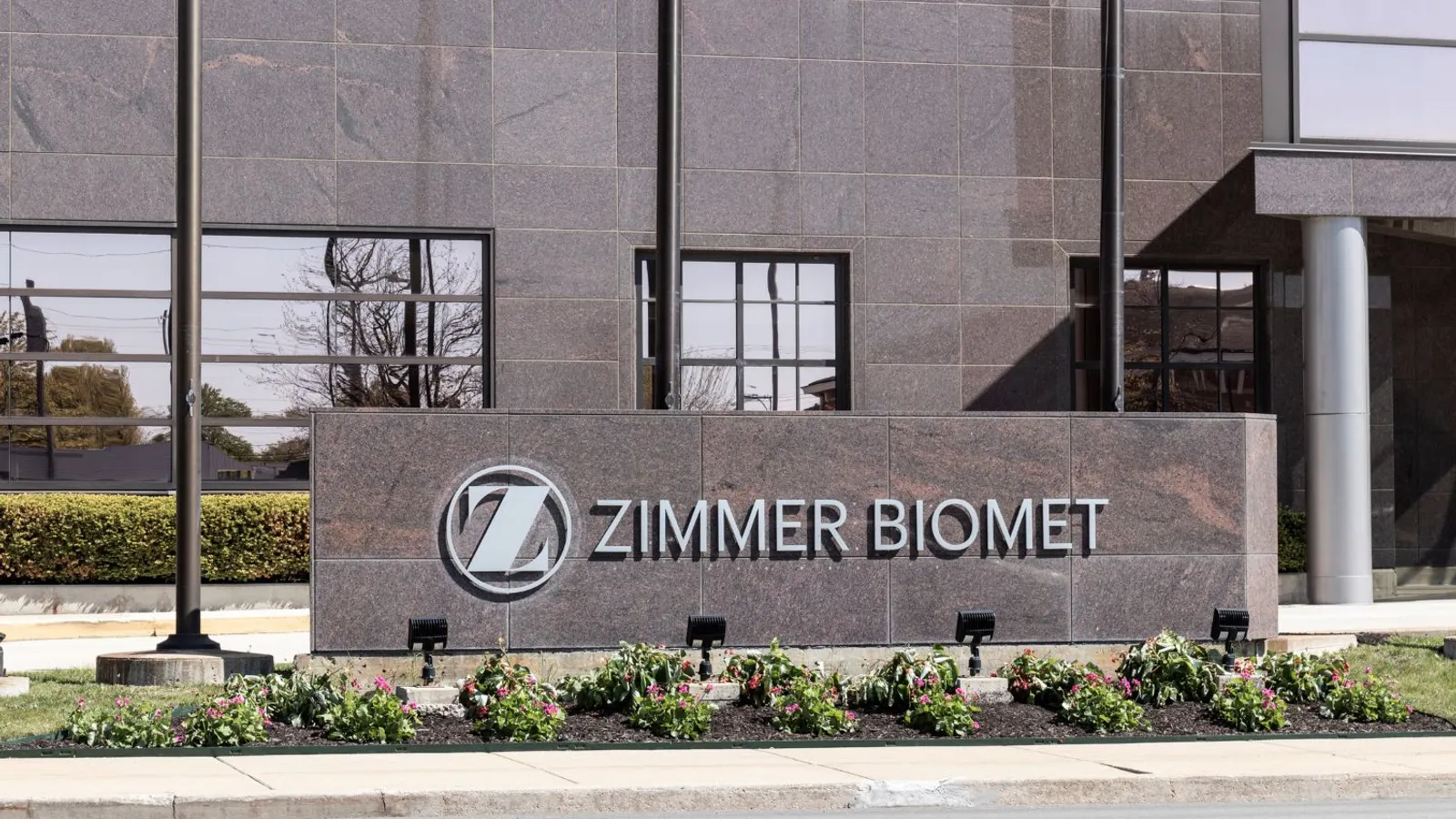
Zimmer Biomet Holdings, Inc., a global leader in musculoskeletal healthcare, has announced a proposal to further reduce the headcount at its manufacturing facility in Winterthur, Switzerland. This move marks the latest chapter in a multi-year effort to streamline the company’s global operations and transition production to more cost-effective regions. The proposal is part of a broader manufacturing network optimization strategy designed to simplify the company’s supply chain and enhance long-term operational efficiency. While the specific number of affected positions in this latest round has not been finalized pending local consultation processes, the decision underscores a significant shift in the company’s European footprint, which has been undergoing a steady contraction for several years.
The Winterthur site, once a cornerstone of the company’s European production capabilities, has seen its workforce diminished through successive waves of restructuring. This latest announcement follows a pattern of relocation and downsizing that reflects the evolving priorities of the medical device industry, where companies are increasingly balancing the need for high-tech manufacturing with the necessity of maintaining competitive margins through geographic diversification.
The Strategic Evolution of Zimmer Biomet’s Swiss Operations
The relationship between Zimmer Biomet and the Winterthur facility dates back to a pivotal moment in the company’s history. In 2003, Zimmer Holdings (as it was then known) acquired the facility as part of its $3.2 billion acquisition of the Swiss-based orthopedic firm Centerpulse. At the time, the deal was a landmark event in the medical technology sector, with Zimmer winning an intense bidding war against its rival, Smith & Nephew. The acquisition of Centerpulse catapulted Zimmer to the top of the global orthopedic market, particularly in the hip and knee replacement segments, and established Winterthur as a vital hub for European manufacturing and administration.
For nearly two decades, the Winterthur plant remained a high-output facility, surviving various internal restructures that saw the closure of other global sites. During the mid-2000s and 2010s, Zimmer shuttered several former Centerpulse plants, including a manufacturing site in Texas and a facility in California. More recently, in 2023, the company confirmed the closure of a site in Bridgend, U.K., as part of the same global optimization initiative. Throughout these changes, Winterthur was often viewed as a protected asset due to the high level of specialized labor available in Switzerland.
However, the tide began to turn in 2020 when Zimmer Biomet announced it would move its European headquarters from Winterthur to the Swiss town of Zug. Zug is renowned for its business-friendly tax environment and has become a preferred destination for multinational corporations. This move resulted in the transfer of approximately 130 positions away from the Winterthur location. The erosion of the site’s importance continued in 2022, when the company eliminated an additional 73 jobs at the facility, citing the need to align production capacities with global demand.
Global Manufacturing Network Optimization and the Shift to Costa Rica
The current proposal to reduce headcount in Winterthur is a direct component of Zimmer Biomet’s "manufacturing network optimization strategy." In a statement released last week, the company emphasized that these measures are intended to "simplify its manufacturing footprint and supply chain, improving efficiency and positioning the business for long-term success."
A central pillar of this strategy is the expansion of manufacturing capabilities in lower-cost geographies. During an earnings call last month, Zimmer Biomet CEO Ivan Tornos detailed the company’s plans to establish a new, large-scale manufacturing plant in Costa Rica. The Costa Rican facility is projected to create upwards of 500 jobs by 2033. Tornos noted that this expansion is vital for "increasing supply chain resilience while gaining access to lower-cost geographies."
The move to Costa Rica is indicative of a broader trend within the MedTech industry. Costa Rica has emerged as a premier hub for medical device manufacturing, hosting operations for other industry giants such as Medtronic, Abbott, and Boston Scientific. By moving production from high-cost environments like Switzerland to specialized hubs in Latin America, Zimmer Biomet aims to mitigate the rising costs of raw materials, energy, and labor that have pressured the healthcare sector in recent years.
Chronology of Zimmer Biomet’s Restructuring and Global Footprint Changes
To understand the current situation in Winterthur, it is necessary to look at the timeline of Zimmer Biomet’s corporate evolution and its shifting operational focus:
- 2003: Zimmer Holdings acquires Centerpulse for $3.2 billion, gaining the Winterthur manufacturing facility and European headquarters.
- 2004–2015: Zimmer undergoes various integration phases, closing legacy plants in Texas and California while maintaining Winterthur as a primary European production site.
- 2015: Zimmer acquires Biomet in a $14 billion deal, becoming Zimmer Biomet. This merger leads to a massive integration project aimed at eliminating redundancies across the global supply chain.
- 2020: The company relocates its European, Middle Eastern, and African (EMEA) headquarters from Winterthur to Zug, resulting in a loss of 130 jobs for the Winterthur community.
- 2022: Zimmer Biomet cuts 73 manufacturing jobs in Winterthur, citing a need for operational streamlining.
- 2023: The company announces the closure of its manufacturing site in Bridgend, Wales, affecting hundreds of employees.
- Early 2024: CEO Ivan Tornos confirms the investment in a new manufacturing facility in Costa Rica, signaling a pivot toward "lower-cost geographies."
- Late 2024: The company announces a proposal for further headcount reductions in Winterthur as part of its ongoing optimization strategy.
Financial Context and Market Pressures
Zimmer Biomet’s decision-making is heavily influenced by the financial performance expectations of Wall Street and the competitive landscape of the orthopedic market. In 2023, the company reported annual revenue of approximately $7.39 billion, reflecting a steady recovery in elective surgery volumes following the disruptions caused by the COVID-19 pandemic. However, the company faces stiff competition from rivals like Stryker and DePuy Synthes, particularly in the rapidly growing field of robotic-assisted surgery and digital health.
To maintain its market share and profitability, Zimmer Biomet has focused on high-growth areas such as the ROSA Robotics platform and its ZBEdge digital ecosystem. Investing in these technologies requires significant capital, which the company is partially sourcing through "operational excellence" initiatives—a corporate euphemism for reducing overhead and optimizing the supply chain.
The high cost of doing business in Switzerland, characterized by high wages and a strong Swiss Franc, makes it a prime target for cost-saving measures when a company is looking to boost its operating margins. While Switzerland remains an attractive location for research and development (R&D) and high-level corporate administration, routine large-scale manufacturing is increasingly being migrated to regions that offer a more favorable balance of skill and cost.
Impact on the Winterthur Community and Labor Relations
The proposed cuts have sparked concern within the Winterthur region, which has a long and storied history as an industrial center. For decades, Winterthur was the heart of Swiss mechanical engineering, home to companies like Sulzer and Rieter. The presence of a global giant like Zimmer Biomet was seen as a continuation of that industrial legacy.
Under Swiss labor law, companies planning significant redundancies are required to undergo a consultation period with employee representatives and labor unions. This process is designed to explore alternatives to layoffs or to mitigate the impact of the job losses through social plans, retraining programs, and severance packages.
While Zimmer Biomet has not yet detailed the exact number of jobs at risk in this latest proposal, local analysts suggest that the continued downsizing could have a secondary impact on the local economy, affecting suppliers and service providers who support the Winterthur facility. However, the company has maintained that these changes are necessary to ensure the long-term viability of the business in an increasingly volatile global market.
Broader Implications for the MedTech Industry
The situation at Zimmer Biomet is a microcosm of the challenges facing the global medical technology sector. Several factors are driving this industry-wide shift in manufacturing strategy:
- Supply Chain Resilience: The pandemic exposed vulnerabilities in global supply chains. Companies are now "regionalizing" their production to ensure they can serve specific markets even during global disruptions.
- Inflationary Pressures: Rising costs for specialized metals (such as titanium and cobalt-chrome used in implants) and increased energy costs in Europe have forced companies to seek efficiency elsewhere.
- Technological Shift: As implants become more standardized, the "value add" is shifting toward software and robotics. This allows companies to move the physical manufacturing of hardware to lower-cost regions while keeping high-value R&D in tech hubs.
- Regulatory Burdens: The implementation of the Medical Device Regulation (MDR) in Europe has increased the cost and complexity of bringing products to market, prompting some companies to re-evaluate their European manufacturing footprints.
Conclusion and Future Outlook
Zimmer Biomet’s proposal to reduce its presence in Winterthur is a strategic move aimed at fortifying its financial position and modernizing its global operations. By shifting the weight of its manufacturing to locations like Costa Rica, the company is positioning itself to better navigate the economic pressures of the next decade.
For the Winterthur facility, the future appears to be one of managed contraction. While the site may continue to host specialized production or high-value engineering roles, its era as a massive, high-volume manufacturing hub for Zimmer Biomet seems to be drawing to a close. As the consultation process unfolds, the focus will remain on how the company supports its Swiss workforce during this transition and how successfully it can integrate its new global manufacturing sites to meet the demands of surgeons and patients worldwide.
Investors will likely view these optimization efforts favorably, as they signal a management team focused on margin expansion and capital efficiency. However, the human and regional impact in Switzerland serves as a reminder of the difficult trade-offs required in the pursuit of global corporate competitiveness. Zimmer Biomet’s journey from its 2003 acquisition of Centerpulse to its 2024 pivot toward Costa Rica reflects the relentless pace of change in the global healthcare economy.
