








Navigating the complexities of weight management, particularly the persistent challenge of reducing abdominal fat, often leads individuals to scrutinize every aspect of their diet. While no single food acts as a magic bullet for targeted fat loss, strategic dietary choices can significantly support overall weight reduction efforts. According to Tara Collingwood, MS, RDN, CSSD, LD/N, ACSM-CPT, a Board Certified Sports Dietitian and co-author of the Flat Belly Cookbook for Dummies, cheese, often mistakenly viewed as a diet taboo, can indeed be a valuable component of a weight loss regimen. Collingwood emphasizes that "higher-protein cheeses that are easy to portion can support fullness and muscle maintenance, both of which are important for overall fat loss." This professional insight underscores the critical role of protein and satiety in sustainable weight management.
The Science Behind Protein, Satiety, and Metabolism for Fat Loss

Effective weight loss hinges on achieving a caloric deficit, meaning consuming fewer calories than the body expends. However, simply cutting calories can be unsustainable if it leads to chronic hunger and nutrient deficiencies. This is where protein plays a pivotal role. Protein is the most satiating macronutrient, meaning it helps individuals feel fuller for longer periods compared to carbohydrates or fats. This effect is mediated through several physiological mechanisms, including the release of gut hormones like peptide YY (PYY) and cholecystokinin (CCK), which signal satiety to the brain, and a reduction in ghrelin, the hunger hormone. By enhancing satiety, protein helps reduce overall calorie intake without the constant struggle against hunger pangs, making adherence to a calorie-controlled diet more manageable.
Furthermore, protein is crucial for preserving lean muscle mass, especially during periods of weight loss. When calories are restricted, the body can break down muscle tissue for energy in addition to fat. Muscle, however, is metabolically active tissue; it burns more calories at rest than fat tissue. Therefore, maintaining muscle mass helps to sustain a higher basal metabolic rate (BMR), which is the number of calories your body burns simply to perform basic functions. A higher BMR makes it easier to maintain a caloric deficit and continue losing weight, preventing the dreaded "plateau" often experienced during dieting. Sports dietitians like Collingwood consistently highlight that robust muscle maintenance is paramount for a healthy metabolism, directly impacting the body’s ability to shed and keep off fat, including abdominal fat, which is often a key concern for many individuals.
Seven Protein-Rich Cheeses for Strategic Weight Management
Incorporating specific types of cheese, chosen for their protein content and ease of portion control, can provide a satisfying and nutrient-dense addition to a balanced diet aimed at fat loss. The following seven cheeses are recommended by experts for their beneficial properties:
1. Cottage Cheese
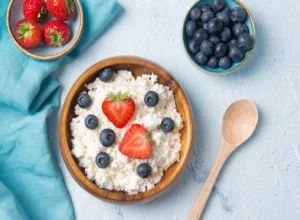
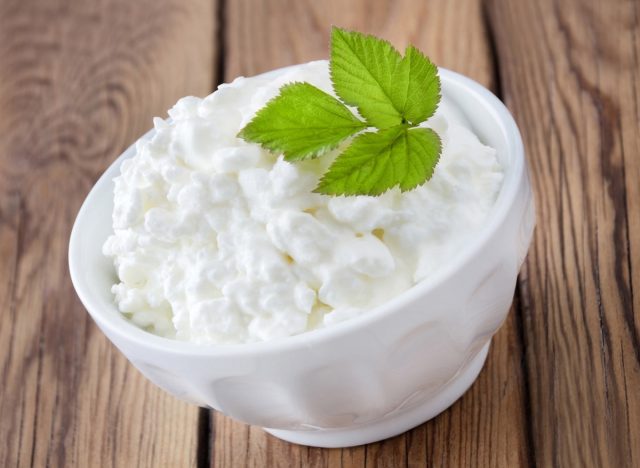
Cottage cheese stands out as one of the highest-protein cheeses available, making it an excellent choice for muscle support and satiety. A half-cup serving of low-fat cottage cheese typically provides around 12-14 grams of protein with approximately 80-100 calories, making it a highly efficient protein source. This substantial protein content directly aids in muscle growth and repair, which is vital for maintaining a strong metabolic engine. As Collingwood notes, "Maintaining muscle is important for metabolism, especially when you’re trying to lose abdominal fat." Its versatility is another advantage; it can be enjoyed plain, topped with fruit or nuts for a sweet snack, or mixed with herbs and vegetables for a savory meal component. Both low-fat and full-fat versions can be incorporated, depending on individual dietary preferences and overall calorie goals, with the understanding that portion control remains critical. Cottage cheese also offers calcium, essential for bone health, and often contains beneficial probiotics, which can support gut health.
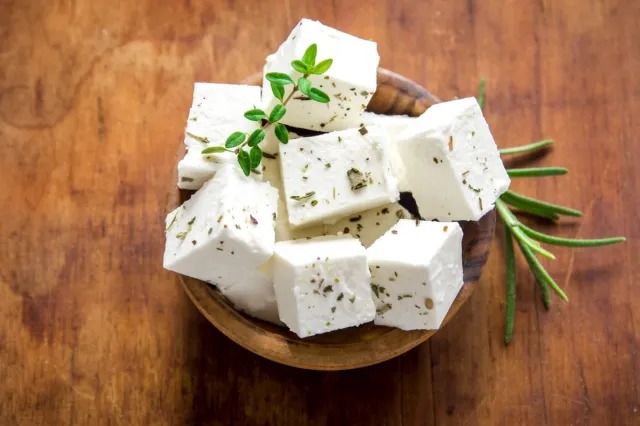
2. Greek-Style Feta
Greek-style feta, known for its distinctive tangy and salty flavor, offers a unique advantage in portion control. Because its flavor is so potent, a small amount can significantly enhance a dish without adding excessive calories. An ounce (approximately 28 grams) of feta cheese contains about 4-5 grams of protein and around 75 calories. Its strong taste profile means that "a little goes a long way," as Collingwood points out. This characteristic makes it "easier to control portions while still adding satisfaction to meals." Feta is a fantastic addition to salads, where it can be crumbled over greens and vegetables, or sprinkled onto roasted vegetables, providing a burst of flavor that reduces the need for higher-calorie dressings or other toppings. Beyond its protein content, feta also provides calcium and B vitamins, contributing to overall nutritional intake.
3. Part-Skim Mozzarella
Part-skim mozzarella is celebrated for its relatively lower calorie count while still providing a good source of protein and calcium. An ounce of part-skim mozzarella typically contains about 6-7 grams of protein and around 70-80 calories. This makes it a smart choice for those seeking to manage their caloric intake while benefiting from essential nutrients. The natural portioning of string cheese is particularly advantageous, simplifying calorie tracking and preventing overconsumption. "Mozzarella is relatively low in calories and provides protein and calcium, nutrients that support body composition when included in a balanced diet. String cheese portions make this especially easy to manage," explains Collingwood. It’s a mild-flavored cheese that can be incorporated into numerous dishes, from salads and sandwiches to a healthier topping for homemade pizzas or a quick, satisfying snack on its own. Its calcium content is particularly beneficial for bone density, a crucial aspect of long-term health.
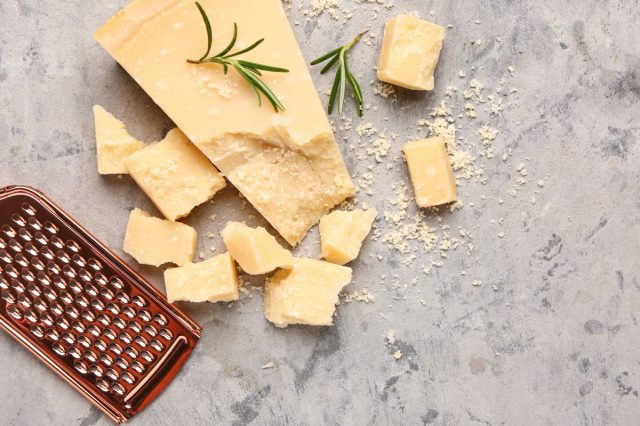
4. Parmesan
Parmesan, a hard, intensely flavorful cheese, is another excellent option for weight loss due to its high protein density and the strong flavor it imparts, which encourages portion control. A single tablespoon of grated Parmesan delivers approximately 2-3 grams of protein for only about 20-25 calories. This concentrated flavor means that "hard cheeses like Parmesan are flavorful and protein-dense, meaning you can use small amounts and still feel satisfied," says Collingwood. "A tablespoon or two adds big flavor without many calories." It can be grated over pasta dishes (in moderation), salads, soups, or roasted vegetables to add a rich, umami depth without significantly increasing the caloric load. Parmesan also provides a good source of calcium, important for skeletal health, and its aged nature makes it naturally lower in lactose, potentially beneficial for those with lactose sensitivities.
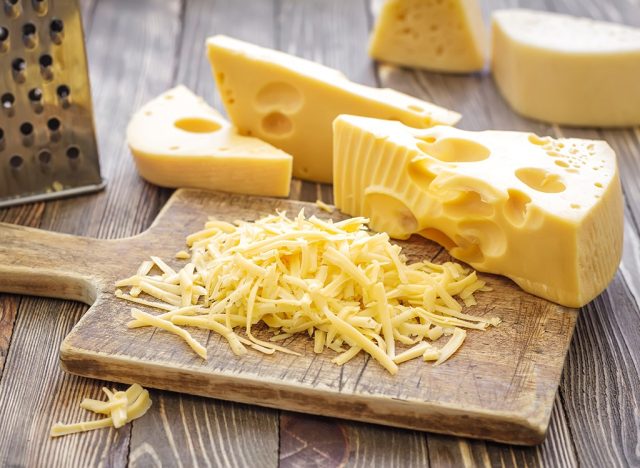
5. Swiss Cheese
Swiss cheese offers a unique nutritional profile that makes it a strong contender for a weight-conscious diet. A slice (approximately 28 grams) typically contains about 7-8 grams of protein and around 100-110 calories. One of its notable benefits is its lower sodium content compared to many other cheeses, which can be particularly advantageous for individuals monitoring fluid retention or bloating. "Swiss cheese offers protein with less sodium than many other cheeses, which can be helpful for people watching their bloating or water retention," Collingwood advises. Its mild, nutty flavor pairs well with a variety of foods. It can be used in sandwiches on whole-grain bread, melted onto lean protein sources, or served alongside fresh fruit for a balanced snack. Beyond protein and lower sodium, Swiss cheese is also a source of calcium and vitamin B12.
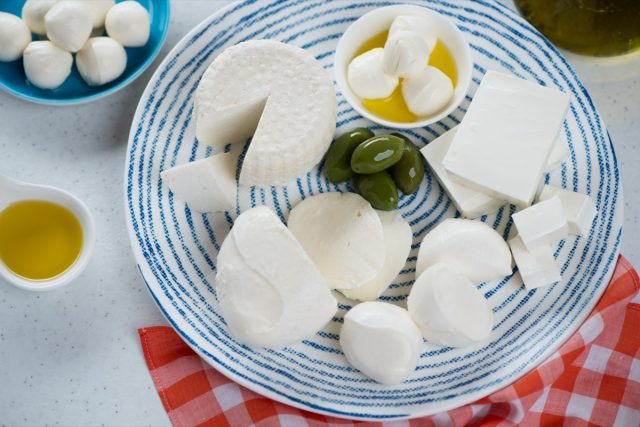
6. Part-Skim Ricotta
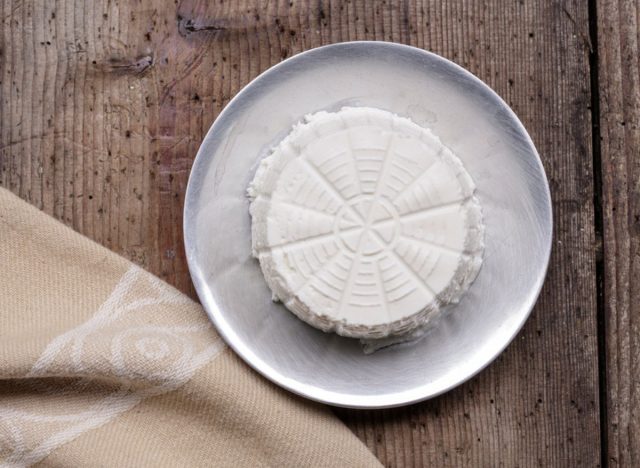
Part-skim ricotta is a versatile cheese that offers a substantial protein boost and calcium, making it suitable for both sweet and savory applications. A half-cup serving of part-skim ricotta provides approximately 14-16 grams of protein and around 170-190 calories. This versatility is key for maintaining interest and adherence to a calorie-controlled plan. As Collingwood states, ricotta "provides protein and calcium and works well in both sweet and savory dishes, making it easier to stick with a calorie-controlled plan." For a sweet option, it can be paired with berries, a drizzle of honey, or a sprinkle of cinnamon. In savory dishes, it can be incorporated into lasagna, stuffed shells, or as a creamy base for herbs and vegetables. Its creamy texture adds a sense of indulgence, which can prevent feelings of deprivation often associated with restrictive diets.
7. Goat Cheese (Chèvre)
Goat cheese, or chèvre, is known for its distinct tangy and often earthy flavor, contributing significantly to satisfaction with smaller portions. An ounce of goat cheese typically contains about 5-6 grams of protein and around 75-80 calories. Its robust flavor profile helps with portion control, similar to feta. Additionally, some individuals find goat cheese easier to digest than cheeses made from cow’s milk, potentially due to differences in protein structure or lower lactose content. "Goat cheese is rich and tangy, which helps with portion control, and some people find it easier to digest than cow’s milk cheeses," Collingwood explains. A small amount can add "creaminess to salads and bowls," elevating the culinary experience without a significant caloric impact. It pairs beautifully with fresh figs, roasted beets, or sprinkled over a simple green salad for a gourmet touch.
Broader Implications and a Holistic Approach to Fat Loss
While these protein-rich cheeses offer distinct advantages for satiety and muscle maintenance, it is crucial to understand that they are just one component of a comprehensive weight management strategy. Sustainable fat loss, including the reduction of belly fat, requires a holistic approach that extends beyond individual food choices.
Balanced Diet and Caloric Deficit: The cornerstone of weight loss remains a consistent caloric deficit achieved through a balanced diet rich in whole foods, including lean proteins, complex carbohydrates, healthy fats, and an abundance of fruits and vegetables. These cheeses can fit seamlessly into such a plan, providing a satisfying protein source that helps prevent overeating.
Hydration: Adequate water intake is essential for metabolic function, satiety, and overall health. Often, thirst can be mistaken for hunger, leading to unnecessary calorie consumption.
Physical Activity: Regular physical activity, combining cardiovascular exercise with strength training, is indispensable. Cardio helps burn calories and improve cardiovascular health, while strength training builds and preserves muscle mass, further boosting metabolism and body composition.
Sleep and Stress Management: Chronic sleep deprivation and high stress levels can disrupt hormones that regulate appetite (ghrelin and leptin) and fat storage (cortisol), making weight loss significantly more challenging. Prioritizing quality sleep and developing effective stress management techniques are vital for long-term success.
Mindful Eating and Individualization: Practicing mindful eating – paying attention to hunger and fullness cues, savoring meals, and eating without distraction – can help prevent overconsumption. Furthermore, dietary needs and preferences are highly individual. What works for one person may not work for another. Consulting with a registered dietitian or a healthcare professional can provide personalized guidance tailored to individual health conditions, lifestyle, and goals.
In conclusion, the strategic incorporation of protein-rich, portion-friendly cheeses like cottage cheese, feta, mozzarella, Parmesan, Swiss, ricotta, and goat cheese can be a flavorful and effective tactic in a well-rounded approach to fat loss. By enhancing satiety and supporting muscle maintenance, these cheeses contribute to a more sustainable and enjoyable weight management journey, demonstrating that even beloved foods can find a place in a health-conscious diet when chosen wisely and consumed in moderation.