

In an era where health and longevity are paramount, the conventional wisdom surrounding late-night eating is undergoing a significant re-evaluation, particularly for individuals navigating the physiological shifts that occur after the age of 55. Far from being a dietary taboo, strategic snacking before bed can serve as a potent tool to support critical metabolic functions, maintain muscle mass, and facilitate weight management, according to leading dietitians. This proactive approach to nighttime nutrition addresses specific challenges faced by an aging population, including age-related muscle loss (sarcopenia), metabolic slowdown, and increased susceptibility to blood sugar fluctuations.
Tara Collingwood, MS, RDN, CSSD, LD/N, ACSM-CPT, a Board Certified Sports Dietitian and co-author of the Flat Belly Cookbook for Dummies, underscores this paradigm shift. "After 55, muscle loss and blood sugar fluctuations can make weight management harder. A protein and fiber-rich bedtime snack supports muscle maintenance, better sleep, and appetite control, all of which contribute to fat loss over time," Collingwood explains. She clarifies that while no food possesses a magical overnight fat-burning property, the right combination of nutrients ingested before sleep can profoundly influence the body’s metabolic state, muscle recovery, blood sugar stability, and sleep quality—all integral factors in the complex equation of sustainable fat loss and overall health.
The Physiological Landscape After 55: A Deeper Dive
The human body undergoes a series of complex physiological changes as it ages, with a notable acceleration typically observed around the mid-fifties. Understanding these changes is crucial for appreciating the rationale behind specific dietary recommendations.

- Sarcopenia: This age-related, involuntary loss of skeletal muscle mass, strength, and function begins subtly in adulthood but often becomes clinically significant after 50. Muscle is metabolically active tissue, meaning it burns more calories at rest than fat tissue. A decline in muscle mass directly contributes to a slower basal metabolic rate, making weight management more challenging. The body’s ability to synthesize new muscle protein also becomes less efficient with age, a phenomenon known as "anabolic resistance." This means older adults require a higher relative intake of protein to stimulate muscle protein synthesis compared to younger individuals.
- Metabolic Slowdown: Beyond sarcopenia, overall metabolic rate tends to decrease with age due to various factors, including reduced physical activity levels, hormonal changes (such as declining growth hormone and sex hormones like testosterone and estrogen), and alterations in cellular energy production. This means the body requires fewer calories to maintain its weight, and consuming the same amount of food as in younger years can lead to gradual weight gain.
- Blood Sugar Fluctuations and Insulin Sensitivity: As individuals age, there can be a decrease in insulin sensitivity, meaning cells become less responsive to insulin’s signals to absorb glucose from the bloodstream. This can lead to higher blood sugar levels, increasing the risk of type 2 diabetes and making fat storage more likely. Managing blood sugar, especially overnight when the body is fasting, is critical for metabolic health and preventing morning hunger spikes.
- Sleep Quality: Sleep architecture changes with age, often leading to lighter, more fragmented sleep. Poor sleep quality is a known disruptor of metabolic hormones (ghrelin, leptin, cortisol) and insulin sensitivity, further complicating weight management and increasing cravings for high-calorie foods. A well-chosen bedtime snack can help stabilize blood sugar and promote feelings of satiety, indirectly supporting better sleep.
Given these intricate physiological shifts, the intentional selection of bedtime snacks transitions from a simple indulgence to a strategic health intervention. The goal is to provide the body with essential building blocks for repair and maintenance, stabilize energy levels, and optimize hormonal balance during the crucial overnight fasting period.
Strategic Bedtime Snack Recommendations for the Over-55 Demographic
Collingwood outlines five specific snack combinations designed to address these age-related challenges, focusing on a synergistic blend of protein and fiber.
1. Greek Yogurt with Chia or Flax Seeds
This combination stands out as a top recommendation due to its rich nutritional profile and the complementary benefits of its components.
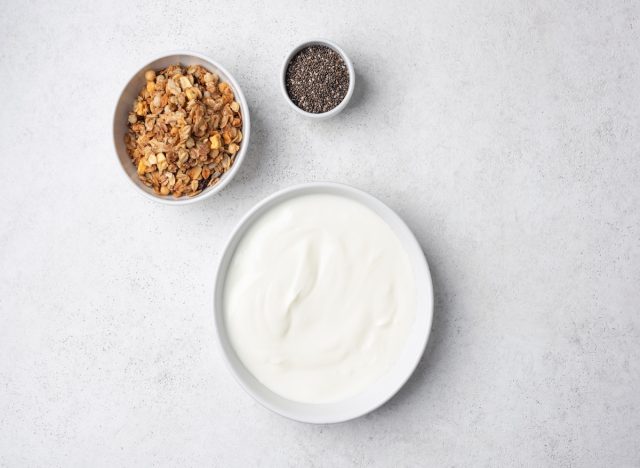
- Greek Yogurt: Renowned for its high protein content, Greek yogurt typically offers double the protein of regular yogurt. A standard serving can provide 15-20 grams of protein, a substantial portion of which is casein. Casein is a slow-digesting protein, meaning it releases amino acids gradually into the bloodstream over several hours. This sustained release is particularly beneficial overnight, providing a steady supply of building blocks for muscle repair and synthesis, effectively combating anabolic resistance and supporting muscle maintenance. Furthermore, Greek yogurt often contains beneficial probiotics, which contribute to a healthy gut microbiome, a factor increasingly linked to metabolism and weight regulation. The calcium content also supports bone health, a critical consideration for older adults.
- Chia or Flax Seeds: These tiny powerhouses are excellent sources of dietary fiber and omega-3 fatty acids, specifically alpha-linolenic acid (ALA). A tablespoon of chia seeds can provide around 5 grams of fiber, while flax seeds offer about 3 grams. The fiber—both soluble and insoluble—is crucial for digestive health, promoting regularity and contributing to satiety. More importantly for nighttime snacking, soluble fiber forms a gel-like substance in the gut, which slows down digestion and the absorption of glucose. This helps to stabilize blood sugar levels throughout the night, preventing sharp drops that could disrupt sleep or trigger intense hunger pangs in the morning. The omega-3 fatty acids in these seeds also offer anti-inflammatory benefits, which can positively impact overall metabolic health.
Collingwood emphasizes, "Greek yogurt provides protein that supports muscle maintenance overnight, which is important because muscle plays a key role in metabolism as we age. Adding chia or flax brings fiber, which helps stabilize blood sugar while you sleep. This combo supports satiety and prevents late-night hunger."
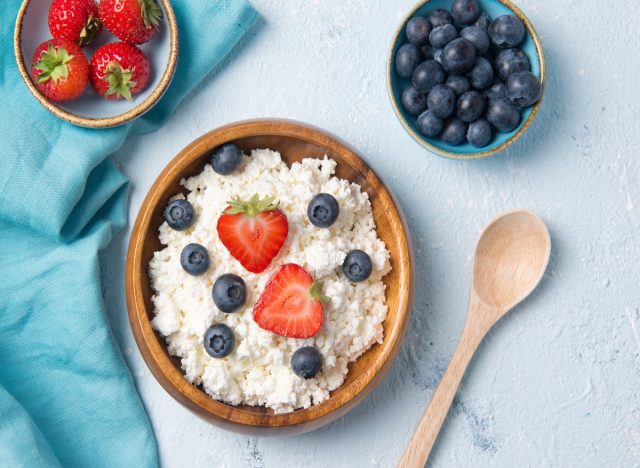
2. Cottage Cheese with Berries
Another excellent choice, cottage cheese with berries leverages slow-digesting protein and antioxidant-rich fruit.
- Cottage Cheese: Similar to Greek yogurt, cottage cheese is a superb source of casein protein. A half-cup serving can contain 12-15 grams of protein, making it an effective choice for sustained amino acid delivery during sleep. This sustained release is vital for overnight muscle repair and the preservation of lean muscle mass, which is directly correlated with a more robust metabolism. Cottage cheese also provides calcium and phosphorus, essential minerals for bone health. Its versatility allows for various fat content options, enabling individuals to choose based on their caloric needs and dietary preferences.
- Berries: A handful of berries (such as blueberries, raspberries, or strawberries) adds a wealth of benefits. They are rich in fiber (e.g., raspberries offer about 8 grams per cup) and packed with antioxidants like anthocyanins and flavonoids. These compounds combat oxidative stress and inflammation, which are implicated in age-related diseases and metabolic dysfunction. Berries also have a relatively low glycemic index compared to many other fruits, meaning they provide a gentle release of natural sugars, further aiding in blood sugar stabilization without causing a significant spike.
"Cottage cheese is rich in slow-digesting protein, which can support overnight muscle repair. That matters later in life, when preserving lean mass helps support fat loss over time. Berries add fiber and antioxidants without excess sugar," Collingwood states.
3. A Small Protein Smoothie
For those who prefer a lighter, more easily digestible option before bed, a small protein smoothie offers a customizable and effective solution.
- Protein Powder: The choice of protein powder can be tailored. Casein protein powder is ideal for slow digestion and sustained amino acid release, mirroring the benefits of Greek yogurt and cottage cheese. Whey protein, while faster acting, can still contribute to overall daily protein goals and muscle synthesis, especially if consumed earlier in the evening. Plant-based protein powders (pea, rice, hemp) offer alternatives for those with dairy sensitivities, providing comparable protein benefits.
- Liquid Base: Milk or soy milk provides additional protein, calcium, and vitamin D, further enhancing the nutritional value. Unsweetened almond milk or water can serve as lower-calorie bases.
- Fiber-Rich Additions: Incorporating a small amount of fiber is key. A handful of spinach or kale can add vitamins, minerals, and fiber without significantly altering the taste or calorie count. A small portion of rolled oats or a teaspoon of psyllium husk can also boost fiber content, promoting satiety and blood sugar control. A few berries, as discussed, would also fit well.
Collingwood notes, "A light smoothie with protein powder, milk or soy milk, and fiber-rich ingredients can support muscle recovery overnight without feeling heavy before bed. This works well for people who don’t want to chew late at night." The liquid format ensures quick and easy consumption, which can be appealing for individuals with reduced appetite or digestive comfort concerns late in the evening.
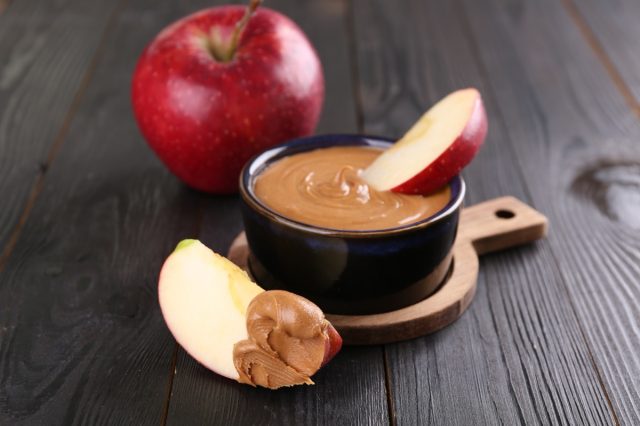
4. Apple Slices with Nut Butter
This classic snack combination is a powerhouse of balanced macronutrients, ideal for nighttime consumption.
- Apple Slices: Apples are an excellent source of dietary fiber, particularly pectin, a soluble fiber that aids in satiety and helps regulate blood sugar levels. They also provide vitamins (like Vitamin C) and antioxidants. The crunchiness of an apple can also be satisfying.
- Nut Butter: A tablespoon or two of natural nut butter (almond, peanut, cashew) provides healthy monounsaturated and polyunsaturated fats, a good dose of plant-based protein, and additional fiber. These healthy fats are crucial for satiety and can help slow down the digestion of the apple’s carbohydrates, leading to a more gradual and sustained release of glucose into the bloodstream. Nuts also contain essential minerals like magnesium, which is known to play a role in sleep regulation.
"Fiber from fruit paired with protein and healthy fats helps prevent nighttime blood sugar dips that can disrupt sleep and lead to next-day cravings. Sleep quality and blood sugar stability are key to weight management," Collingwood emphasizes. This combination delivers a synergistic effect, with fiber and healthy fats working together to stabilize blood sugar, thereby improving sleep quality and reducing the likelihood of next-day hunger and poor food choices.

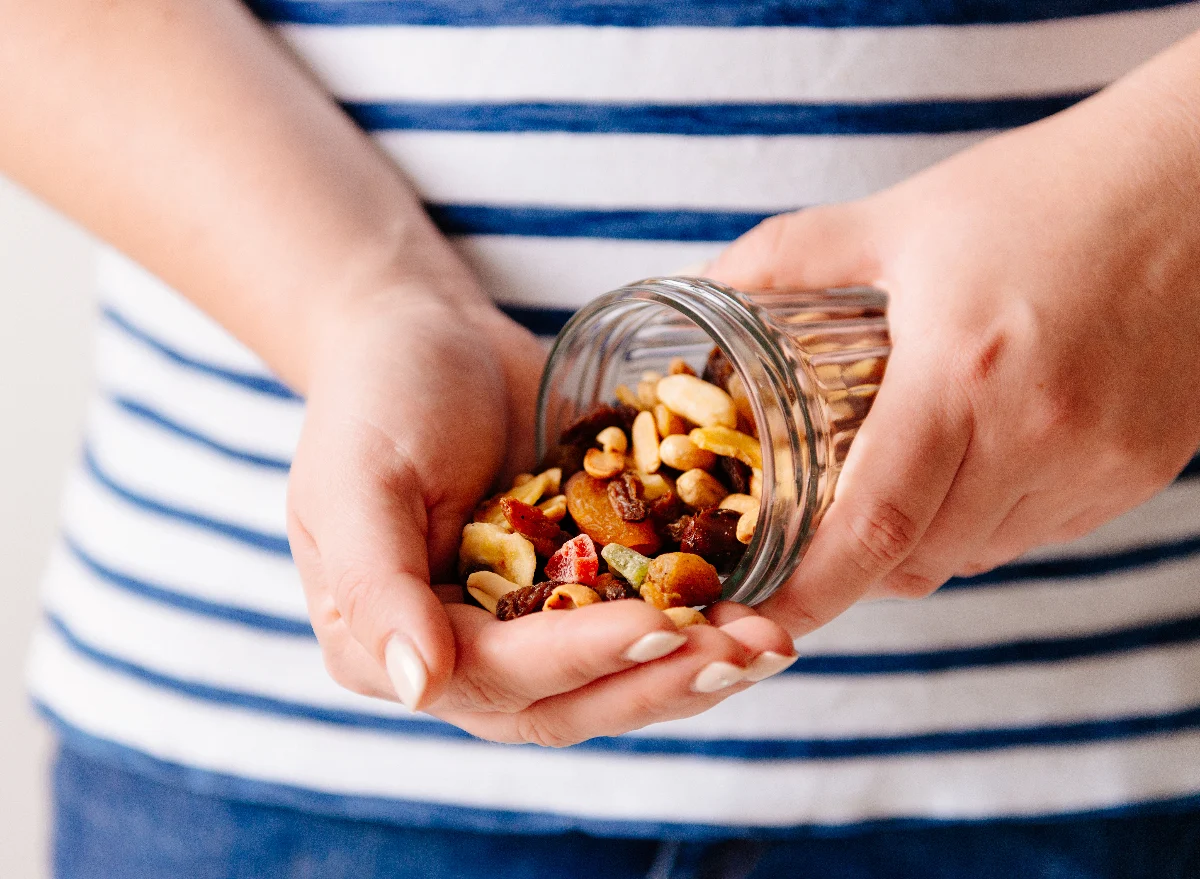
5. Handful of Nuts with a Protein Source
This option offers flexibility and concentrated nutrition, provided portion control is observed.
- Nuts: A small handful (approximately ¼ cup or 1 ounce) of nuts such as almonds, walnuts, pistachios, or pecans offers a rich blend of healthy fats, plant-based protein, fiber, vitamins (like Vitamin E), and minerals (magnesium, selenium, zinc). Walnuts, in particular, are unique for their high ALA content and also contain melatonin, a hormone that regulates sleep-wake cycles. The healthy fats in nuts contribute significantly to satiety, helping to curb late-night cravings.
- Protein Source Pairing: While nuts do contain some protein, pairing them with an additional protein source enhances the benefits. This could be a small glass of milk (dairy or fortified plant-based), a small serving of Greek yogurt, or even a hard-boiled egg. This ensures a more complete protein profile and further slows digestion, providing sustained nutrient release.
"Nuts provide healthy fats and some fiber, but pairing them with a protein source like yogurt or milk helps keep the snack balanced and more filling. Portion control matters here, small but satisfying," advises Collingwood. The emphasis on portion control is crucial given the calorie density of nuts, ensuring that the snack remains supportive of weight management goals rather than inadvertently contributing to excess calorie intake.
The Broader Health Imperative: Beyond Weight Loss
The benefits of these strategically chosen bedtime snacks extend beyond mere weight control. By supporting muscle maintenance, they contribute to overall physical function, mobility, and independence in older age. Stable blood sugar levels reduce the risk of developing or worsening metabolic conditions like type 2 diabetes. Improved sleep quality positively impacts cognitive function, mood, and immune system strength.
This shift in perspective — from fearing late-night snacks to embracing them as a tool for health optimization — reflects a more nuanced understanding of nutrition and aging. It underscores that dietary strategies must adapt to the evolving needs of the body throughout the lifespan. For those over 55, making informed choices about what to eat before bed is not just about satisfying a craving; it’s about investing in long-term metabolic health, preserving vitality, and enhancing the quality of life. The expert guidance provided by dietitians like Tara Collingwood offers a clear, actionable roadmap for individuals to navigate these changes effectively and harness the power of nighttime nutrition.
