

Snacking, often misconstrued as an impediment to weight management, can, in fact, serve as a strategic tool for enhancing nutrient intake, curbing unwanted cravings, and stabilizing energy levels throughout the day. For individuals over the age of sixty, the role of mindful snacking becomes particularly critical, addressing the unique physiological shifts associated with aging, such as a natural decline in metabolic rate, progressive muscle loss (sarcopenia), and changes in nutrient absorption and appetite regulation. Far from merely adding superfluous calories, intelligently chosen snacks can be powerful allies in maintaining a healthy weight, preserving lean muscle mass, and optimizing metabolic function without necessarily requiring strenuous exercise.
The conventional perception that snacking invariably leads to excess caloric intake often deters individuals from incorporating these mini-meals into their daily routine. However, a more nuanced understanding reveals that strategic snacking can be instrumental in achieving satiety, preventing extreme hunger that often leads to overeating at main meals, and providing a consistent supply of essential macronutrients, particularly protein and fiber. As the body ages, its requirements evolve, and a proactive approach to nutrition becomes paramount for sustaining vitality and mitigating age-related health challenges.
To demystify the art of healthy snacking for this demographic, we consulted Tara Collingwood, MS, RDN, CSSD, LD/N, ACSM-CPT, a Board Certified Sports Dietitian and co-author of the Flat Belly Cookbook for Dummies. Collingwood’s expertise provides a framework for selecting snacks that are not only delicious and satisfying but also specifically tailored to support the metabolic, muscular, and overall health needs of individuals aged sixty and above. Her recommendations focus on nutrient-dense options that provide a balanced blend of protein, fiber, and healthy fats, addressing common concerns such as belly fat accumulation and declining muscle mass. These choices are designed to be easily integrated into a daily routine, offering both sweet and savory options to cater to diverse palates.
Understanding the Physiological Landscape After Sixty
Before delving into specific snack recommendations, it’s crucial to understand why dietary considerations shift after the age of sixty. The human body undergoes several significant changes that impact nutritional needs and metabolic efficiency.
- Metabolic Slowdown: Basal metabolic rate (BMR), the number of calories burned at rest, naturally decreases with age. This is largely due to a reduction in lean muscle mass, which is more metabolically active than fat tissue. A slower metabolism means the body requires fewer calories to maintain its weight, making calorie management and nutrient density more important.
- Sarcopenia: This age-related, involuntary loss of skeletal muscle mass, strength, and function is a major concern. It can lead to decreased mobility, increased risk of falls, and a diminished quality of life. Adequate protein intake is fundamental for stimulating muscle protein synthesis and counteracting sarcopenia.
- Changes in Appetite and Digestion: Some older adults experience a decrease in appetite or changes in digestive function, which can affect nutrient intake. Fiber becomes crucial for promoting regular bowel movements and maintaining gut health, while easily digestible protein sources ensure nutrient absorption.
- Blood Sugar Regulation: The body’s ability to regulate blood sugar can become less efficient with age, increasing the risk of type 2 diabetes. Snacks that combine fiber, protein, and healthy fats help slow down glucose absorption, promoting stable blood sugar levels.
- Bone Health: The risk of osteoporosis and bone fractures increases with age. Calcium and vitamin D intake remain vital, and some snacks can contribute significantly to these needs.
Given these physiological shifts, the emphasis in snacking moves from mere calorie restriction to nutrient optimization. The goal is to provide the body with essential building blocks and energy in a way that supports lean mass, metabolic health, and overall well-being.
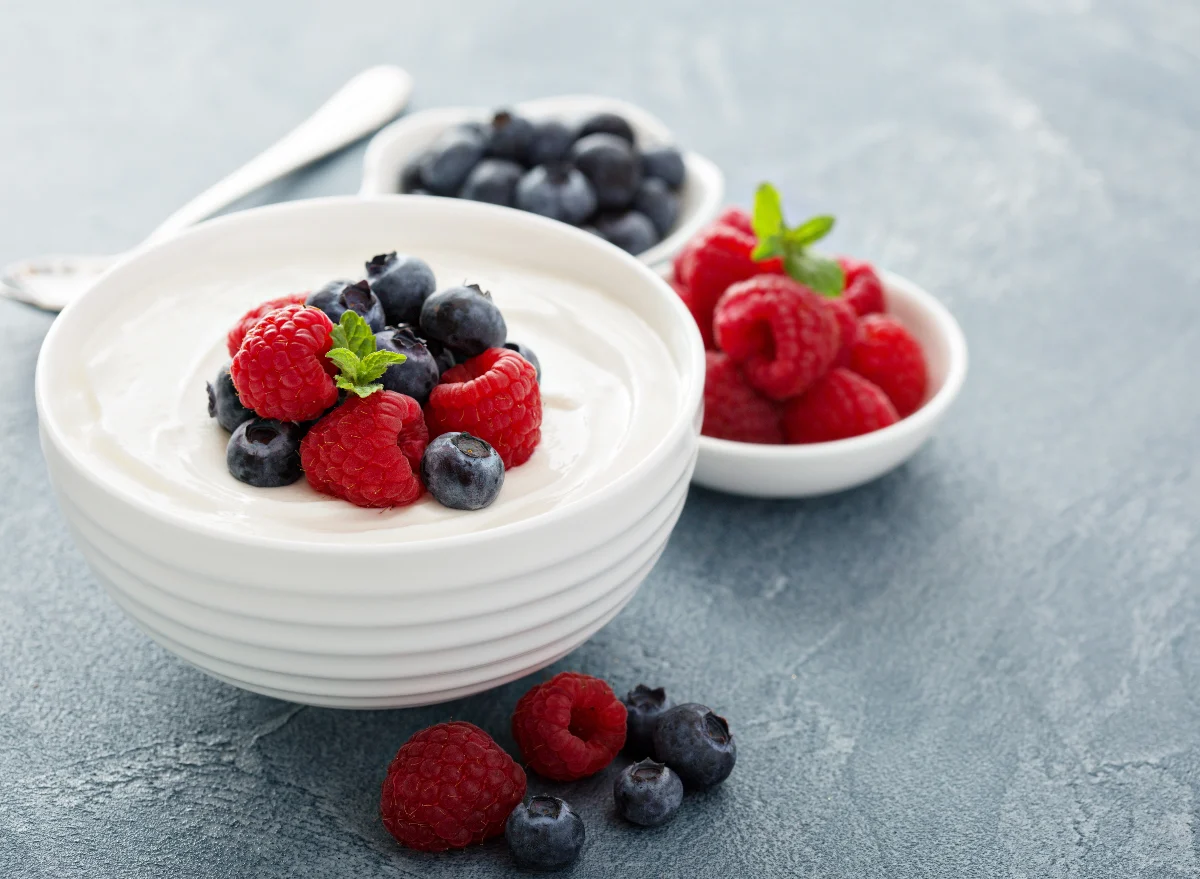
1. Greek Yogurt with Berries: A Powerhouse Combination

Collingwood’s first recommendation, Greek Yogurt with Berries, exemplifies a perfectly balanced snack for older adults. "Protein becomes especially important as we age to help preserve muscle, and Greek yogurt delivers a solid protein boost in a small, easy-to-eat snack," she explains. "Adding berries adds fiber, which helps keep hunger at bay longer. This combo supports muscle health, digestion, and steady energy."
The Benefits of Greek Yogurt:
Greek yogurt stands out due to its significantly higher protein content compared to regular yogurt. A typical serving can provide 15-20 grams of protein, primarily casein and whey. Casein is a slow-digesting protein, providing a sustained release of amino acids, which is excellent for prolonged muscle protein synthesis, particularly beneficial in combating sarcopenia. Whey protein, on the other hand, is fast-acting, initiating muscle repair and growth quickly. Furthermore, Greek yogurt is often a good source of calcium, vital for bone density, and if fortified, can provide vitamin D, which aids calcium absorption. Its probiotic content also contributes to gut health, supporting a balanced microbiome and potentially enhancing immune function and nutrient absorption, which can be compromised in older age. To maximize benefits and avoid unnecessary sugars, opting for plain, unsweetened Greek yogurt is advisable.
The Benefits of Berries:
Berries—such as blueberries, raspberries, strawberries, and blackberries—are nutritional powerhouses. They are rich in dietary fiber, both soluble and insoluble. Soluble fiber helps regulate blood sugar and cholesterol levels, while insoluble fiber promotes digestive regularity, a common concern for older adults. Beyond fiber, berries are packed with antioxidants, particularly flavonoids and anthocyanins, which combat oxidative stress and inflammation—processes linked to aging and chronic diseases. These antioxidants have been associated with improved cognitive function and cardiovascular health. Berries also contribute essential vitamins, such as vitamin C and vitamin K, and have a relatively low glycemic index, meaning they cause a slower, more gradual rise in blood sugar compared to refined carbohydrates. The natural sweetness of berries also makes them a satisfying addition without the need for added sugars.
Synergistic Impact:
The combination of Greek yogurt and berries creates a synergistic effect. The protein from the yogurt and the fiber from the berries work in tandem to promote exceptional satiety, helping to manage appetite and prevent overeating at subsequent meals. This sustained fullness is crucial for fat loss. Moreover, the balanced macronutrient profile helps stabilize blood sugar, providing steady energy and avoiding the peaks and crashes that can lead to cravings and fatigue. This makes it an ideal snack for maintaining muscle, supporting digestion, and promoting overall metabolic health.
2. Harvest Snaps with Hummus or Cottage Cheese: The Savory Crunch
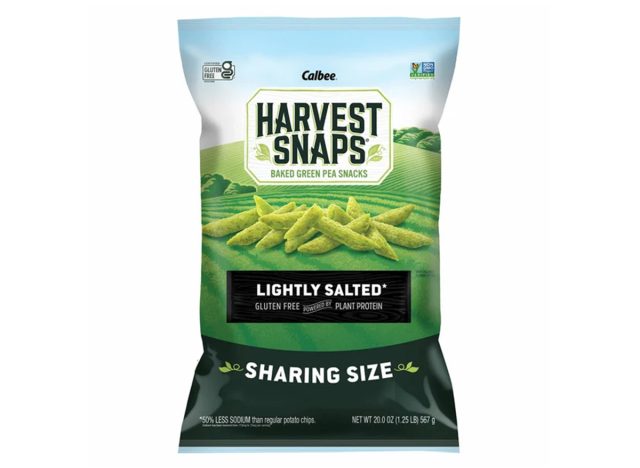
For those who crave something savory and crunchy, Collingwood suggests Harvest Snaps with hummus or cottage cheese. "Harvest Snaps Lightly Salted are made from real veggies, so they naturally provide 4g of fiber and 5g of satiating, whole food-sourced protein," she notes. "Pairing them with hummus or cottage cheese adds even more protein. The crunch satisfies cravings, while protein and fiber work together to promote fullness."
The Appeal of Harvest Snaps:
Harvest Snaps, often made from green peas or lentils, offer a vegetable-based alternative to traditional processed snacks like potato chips. Their inherent composition provides a valuable source of plant-based protein and dietary fiber, contributing to satiety and digestive health. The "lightly salted" varieties ensure flavor without excessive sodium intake, which is important for cardiovascular health in older adults. The satisfying crunch provides a psychological benefit, fulfilling cravings for texture without resorting to less nutritious options.
The Power of Hummus:
Hummus, a dip made from chickpeas, tahini (sesame paste), olive oil, and lemon juice, is a nutritional gem. Chickpeas are an excellent source of plant-based protein and complex carbohydrates, rich in fiber. This combination aids in satiety and helps regulate blood sugar levels. Hummus also provides healthy fats from tahini and olive oil, which are beneficial for heart health and the absorption of fat-soluble vitamins. It’s also a good source of various micronutrients, including folate, iron, magnesium, and phosphorus.
The Value of Cottage Cheese:
Cottage cheese is another outstanding protein source, particularly rich in casein protein, similar to Greek yogurt. Its slow digestion rate ensures a prolonged release of amino acids, making it an excellent choice for muscle preservation and repair throughout the day. It is also a significant source of calcium and phosphorus, both critical for maintaining strong bones. Depending on the fat content chosen (low-fat or full-fat), it can also contribute varying amounts of healthy fats. Cottage cheese is incredibly versatile; it can be enjoyed plain, with a pinch of salt and pepper, or paired with sweet elements.
Balanced Snacking:
This snack combination effectively marries the satisfying crunch of Harvest Snaps with the creamy, protein-rich texture of hummus or cottage cheese. It provides a substantial dose of protein and fiber, ensuring long-lasting satiety and stable energy. For older adults, this means fewer hunger pangs between meals and a reduced likelihood of reaching for less healthy, processed options. The blend of plant-based protein from the snaps and chickpeas, or dairy protein from cottage cheese, offers a diverse amino acid profile, supporting robust muscle health.
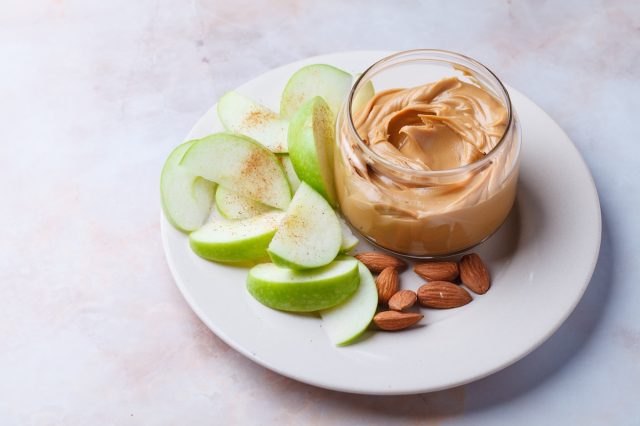
3. Apple Slices with Peanut or Almond Butter: A Classic for a Reason
A timeless and universally loved snack, apple slices with peanut or almond butter, receives high praise from Collingwood. "Fiber from fruit plus protein and fat from nut butter is a classic combination that works especially well after 50, when blood sugar stability and satiety really matter," she emphasizes. "This snack is portable, satisfying, and easy to adjust for appetite."
The Wholesome Apple:
Apples are a prime source of dietary fiber, particularly pectin, a soluble fiber known for its role in digestive health, promoting regularity, and potentially lowering cholesterol levels. The fiber content also contributes to a feeling of fullness, helping to manage appetite. Apples are also rich in antioxidants, such as quercetin and catechin, which offer anti-inflammatory benefits and protect cells from damage. They provide vitamin C, an important immune booster, and their high water content contributes to hydration, which is often overlooked but crucial for overall health in older adults.
The Nutritional Power of Nut Butters:
Peanut butter and almond butter are excellent sources of healthy monounsaturated and polyunsaturated fats. These fats are beneficial for cardiovascular health, help reduce inflammation, and play a vital role in nutrient absorption. Beyond fats, nut butters provide a significant amount of plant-based protein, crucial for muscle maintenance and satiety. They also contain dietary fiber, along with an array of micronutrients, including magnesium (important for muscle and nerve function), vitamin E (a powerful antioxidant), and various B vitamins. When selecting nut butter, it is best to choose natural varieties with minimal ingredients, ideally just nuts, to avoid added sugars, unhealthy oils, and excessive sodium.
Optimizing for Older Adults:
The combination of fiber from the apple and the protein and healthy fats from the nut butter creates a formidable team for blood sugar regulation. The fats and protein slow down the digestion of the apple’s natural sugars, preventing rapid spikes and subsequent crashes in blood glucose. This sustained energy release is particularly beneficial for individuals over sixty, helping to maintain stable energy levels and reduce the risk of insulin resistance. Its portability and ease of preparation make it an ideal snack for busy schedules or when on the go, providing a convenient yet highly nutritious option that can be easily portioned according to individual appetite and caloric needs.
4. Smoothie with Protein and Fiber: Customizable and Convenient
Rounding out the list, Collingwood recommends a smoothie packed with protein and fiber. "A small smoothie with protein powder, berries, and chia or flax offers both protein and fiber in a convenient form. You can customize the type of protein you prefer and drink it at your desk or on the go," she suggests.
The Versatility of Smoothies:
Smoothies are an incredibly versatile and convenient way to pack a significant nutritional punch, especially for older adults who might have difficulty chewing, experience reduced appetite, or simply prefer a liquid meal. They allow for easy customization to meet specific dietary needs and preferences.
Protein Powder Integration:
Adding protein powder is a straightforward method to boost the protein content of a smoothie. Various types are available, each with its own benefits:
- Whey Protein: Derived from milk, it’s a complete protein, rich in branched-chain amino acids (BCAAs), which are vital for muscle protein synthesis. It’s fast-digesting and highly effective for muscle repair.
- Casein Protein: Also milk-derived, casein digests slowly, providing a sustained release of amino acids, ideal for overnight muscle support or prolonged satiety.
- Plant-Based Proteins (Soy, Pea, Rice, Hemp): Excellent alternatives for those with dairy allergies or who follow vegetarian/vegan diets. Pea protein, in particular, has gained popularity for its comprehensive amino acid profile.
Ensuring adequate protein intake through a smoothie helps combat sarcopenia, supports overall muscle health, and contributes to satiety.
Berry Boost (Revisited):
As discussed with Greek yogurt, berries are an excellent addition to smoothies. They contribute fiber, antioxidants, and vitamins without significantly increasing the sugar load. Frozen berries are particularly convenient for smoothies, providing a thick, cold consistency and locking in nutrients.
The Power of Seeds (Chia/Flax):
Chia and flax seeds are tiny nutritional powerhouses. They are exceptional sources of omega-3 fatty acids (specifically alpha-linolenic acid, or ALA), which are crucial for heart health, brain function, and reducing inflammation. Both seeds are also loaded with dietary fiber—soluble fiber (which forms a gel, aiding satiety and digestion) and insoluble fiber (promoting regularity). They also provide essential minerals like magnesium, calcium, and phosphorus. When added to a smoothie, they enhance its nutritional density without significantly altering the flavor.
Choosing the Right Liquid Base:
The liquid base of a smoothie also contributes to its nutritional profile. Options include:
- Water: A simple, calorie-free base.
- Unsweetened Almond or Soy Milk: Provides a creamy texture and often fortified with calcium and vitamin D. Soy milk also adds extra plant-based protein.
- Dairy Milk: Offers additional protein, calcium, and vitamin D.
Additional Enrichment (Optional Greens):
For an even greater nutrient boost, a handful of spinach or kale can be blended into a smoothie. These leafy greens are packed with vitamins, minerals, and antioxidants, and their flavor is often masked by the fruits and protein powder, making it an easy way to increase vegetable intake.
Convenience and Nutritional Impact:
The primary advantage of a protein and fiber-rich smoothie is its convenience and ease of consumption. It’s a quick, palatable option that ensures a concentrated delivery of essential nutrients, supporting sustained energy, muscle maintenance, and digestive health. For older adults managing busy schedules or those with specific dietary challenges, a well-crafted smoothie can be an indispensable part of a balanced nutritional strategy.
Broader Implications and a Holistic Approach
While these four snack recommendations offer excellent strategies for optimizing health after sixty, it’s crucial to view them as components of a larger, holistic approach to well-being. Smart snacking is not a standalone solution but rather a powerful adjunct to an overall healthy lifestyle.
Beyond the Plate:
Maintaining muscle mass, managing weight, and boosting metabolism after sixty also necessitates attention to other critical lifestyle factors:
- Regular Physical Activity: While the article emphasizes "without exercise" for fat loss, incorporating even light physical activity, such as walking, swimming, or gentle strength training, is invaluable for bone density, muscle strength, balance, and cardiovascular health. Exercise works synergistically with adequate protein intake to combat sarcopenia.
- Hydration: Water intake is fundamental for all bodily functions, including metabolism, digestion, and nutrient transport. Older adults are particularly susceptible to dehydration, so consistent fluid intake is vital.
- Adequate Sleep: Quality sleep plays a significant role in hormone regulation, including those that influence appetite and metabolism. Poor sleep can disrupt ghrelin and leptin levels, leading to increased hunger and cravings.
- Stress Management: Chronic stress can impact weight management and metabolic health through the release of cortisol, which can promote abdominal fat storage.
Individualized Nutrition:
It’s important to acknowledge that dietary needs are highly individualized. Factors such as existing health conditions (e.g., diabetes, kidney disease, heart disease), medication use, activity levels, and personal preferences all influence optimal nutritional strategies. Therefore, while these general recommendations are beneficial, consulting with a registered dietitian or healthcare provider for personalized advice is always recommended, especially when managing specific health concerns. A dietitian can help tailor a meal plan that aligns with individual requirements, ensuring both efficacy and safety.
In conclusion, the notion that snacking is detrimental to health, particularly for individuals over sixty, is a misconception that needs to be debunked. When approached strategically, with a focus on nutrient-dense, protein- and fiber-rich options, snacking transforms into a powerful tool. The recommendations from Tara Collingwood—Greek yogurt with berries, Harvest Snaps with hummus or cottage cheese, apple slices with nut butter, and protein/fiber-rich smoothies—provide actionable, evidence-based choices. By consciously integrating these smart snacks into daily routines, older adults can actively support fat loss, preserve crucial muscle mass, optimize metabolic function, and ultimately enhance their overall health, vitality, and independence, paving the way for a more energetic and fulfilling life.
