
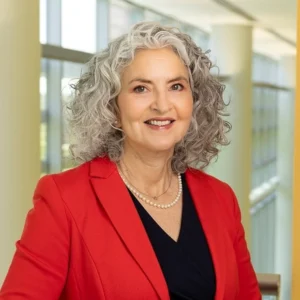





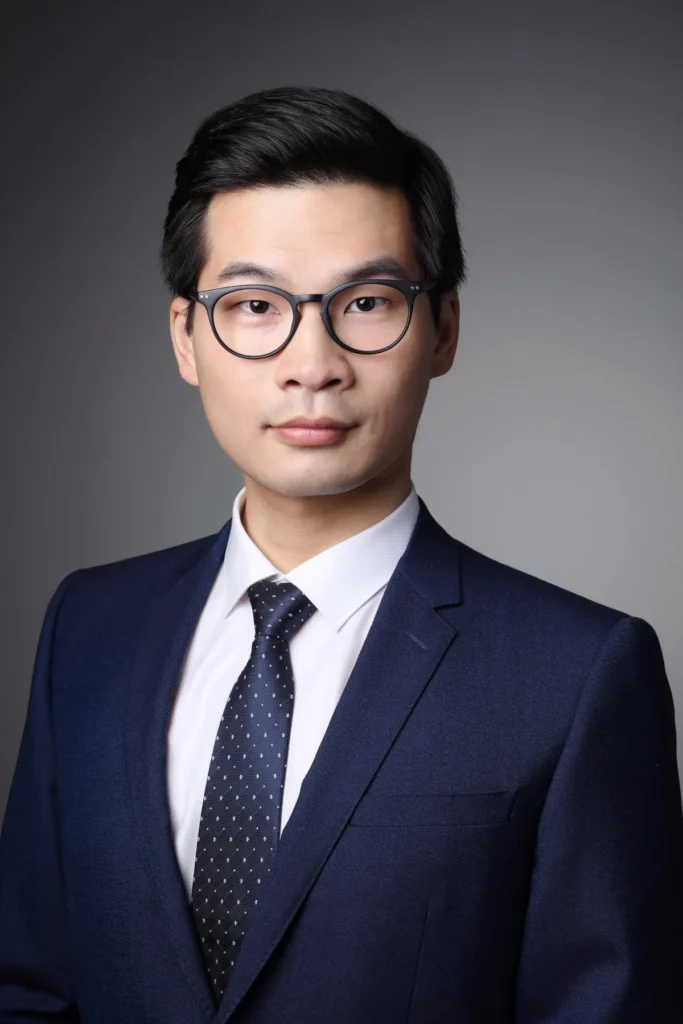
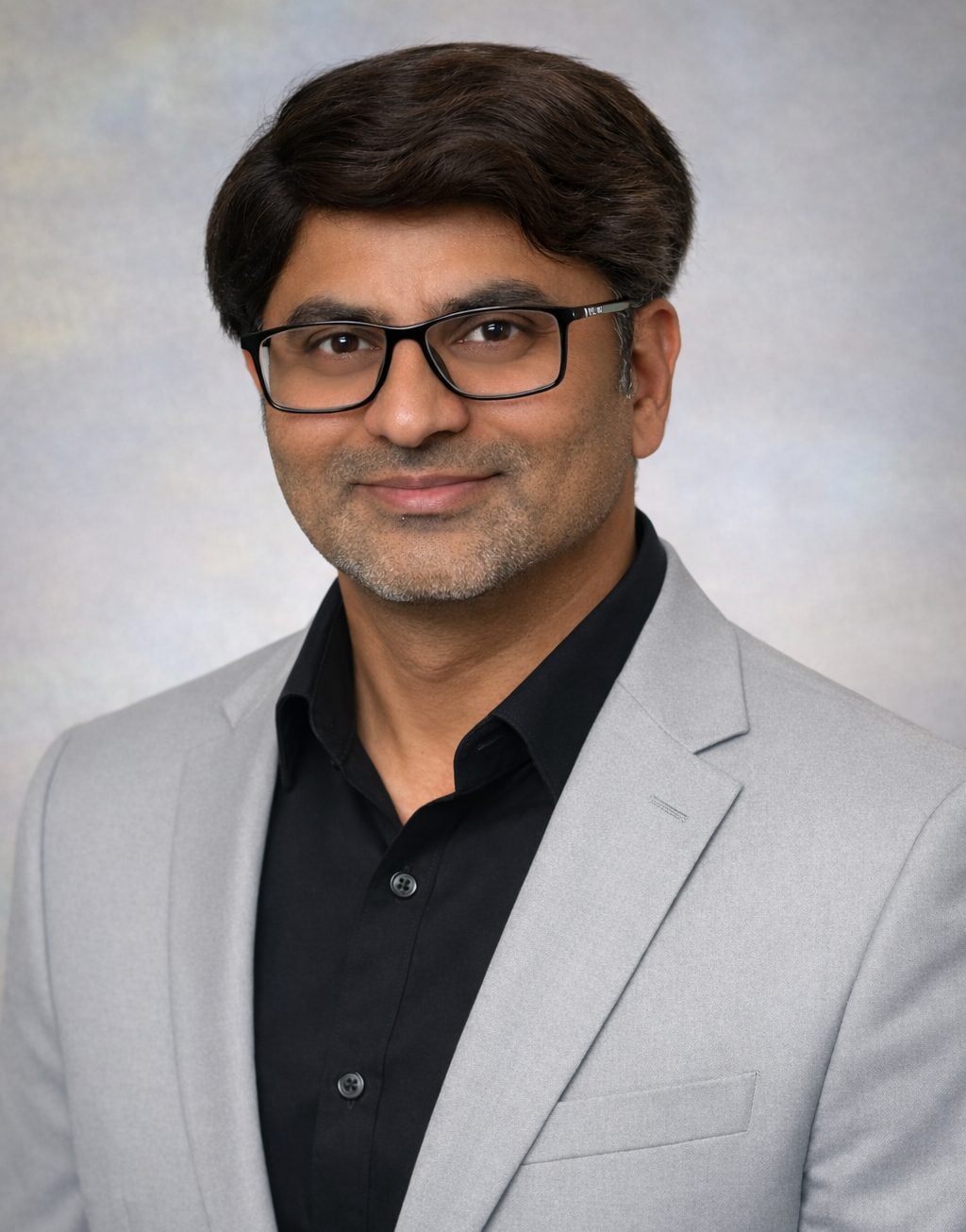
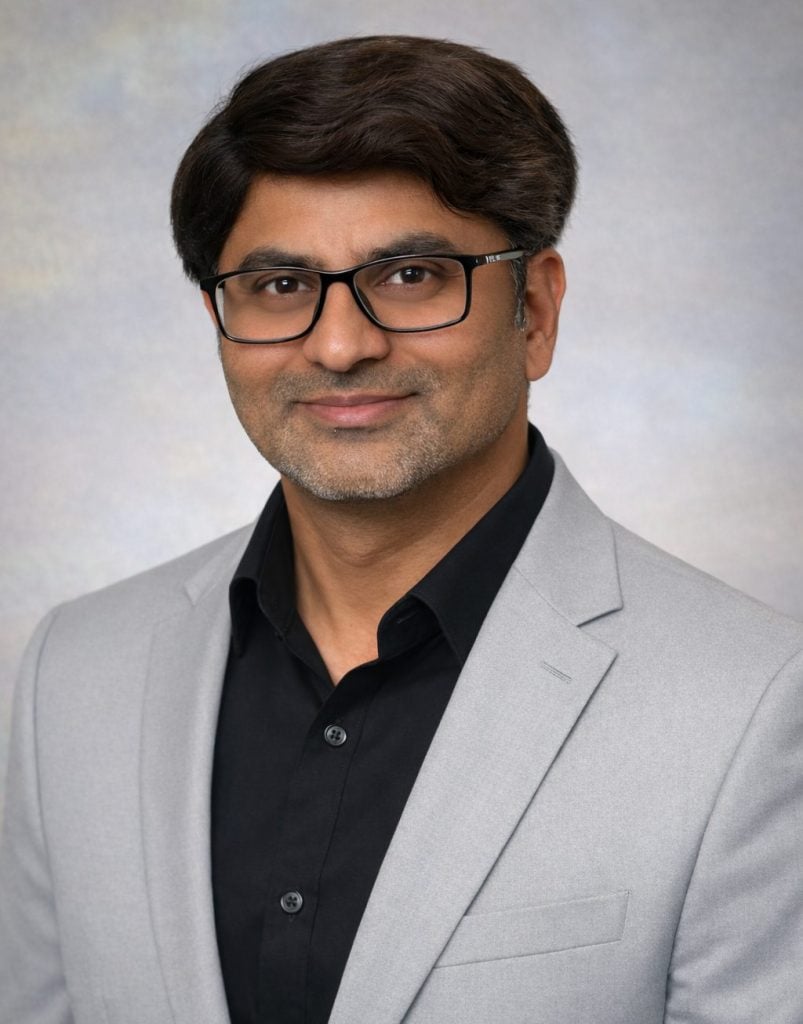
The Endocrine Society has officially named five distinguished young scientists as the recipients of the 2026 Early Investigator Awards, a prestigious honor designed to support and elevate the next generation of leaders in the field of endocrinology. This year’s cohort represents a diverse array of research interests, ranging from molecular metabolism and neuroendocrinology to clinical applications in hormone-related diseases. The recipients—Sreekant Avula, Emily Hilz, Parisien La Salle, Jagriti Upadhyay, and Qilin Zhang—have been recognized for their significant contributions to the scientific community and their potential to drive future breakthroughs in the diagnosis and treatment of endocrine disorders.
As part of the accolade, each awardee will receive a $1,500 monetary prize, complimentary registration for the highly anticipated ENDO 2026 annual meeting, and a featured speaking slot to present their research to an international audience of peers. Additionally, the winners are granted one year of free membership to the Endocrine Society, providing them with access to high-impact journals, specialized networking opportunities, and professional development resources. Their achievements will also be spotlighted across the Society’s various digital and print platforms, ensuring their work reaches a global network of clinicians and researchers.
The Strategic Importance of the Early Investigator Awards
The Early Investigator Awards were established by the Endocrine Society as a strategic response to the "leaky pipeline" in scientific research—a phenomenon where promising researchers exit the academic and clinical research tracks due to a lack of funding, mentorship, or institutional support during the critical transition from post-doctoral training to independent faculty positions. By providing both financial assistance and high-profile platforms for dissemination, the Society aims to solidify the career trajectories of these high-potential individuals.
Endocrinology is a field defined by its complexity, sitting at the intersection of internal medicine, biochemistry, and physiology. As the global burden of endocrine-related conditions such as type 2 diabetes, obesity, thyroid dysfunction, and reproductive disorders continues to rise, the need for innovative research has never been more urgent. The 2026 awardees represent the vanguard of this effort, bringing fresh perspectives to long-standing challenges in hormonal health.
Profiles of the 2026 Award Recipients
While the specific research projects of the five winners span the breadth of the field, they share a common thread of academic excellence and a commitment to advancing the understanding of the endocrine system.
Sreekant Avula has demonstrated exceptional promise in the realm of clinical investigation. His work often focuses on the intersection of metabolic health and systemic comorbidities, reflecting a holistic approach to patient care that is increasingly necessary in modern medicine.
Emily Hilz has been recognized for her contributions to the foundational science that underpins our understanding of hormonal signaling. Her participation in the 2026 cohort highlights the Society’s commitment to supporting researchers who delve into the molecular mechanisms that govern cellular communication.
Parisien La Salle represents the international reach of the Endocrine Society’s mission. Through rigorous methodology and a focus on evidence-based outcomes, La Salle’s work contributes to the growing body of literature that informs clinical guidelines and therapeutic interventions.
Jagriti Upadhyay brings a focus on the translational aspects of endocrinology. By bridging the gap between laboratory findings and patient-side applications, Upadhyay’s research is poised to impact how clinicians approach complex hormonal imbalances in diverse populations.
Qilin Zhang has emerged as a key voice in the next generation of endocrine scientists. Zhang’s inclusion in the award list underscores the importance of data-driven research and the use of advanced technologies in unravelling the complexities of the endocrine system.
A Timeline of Recognition and Professional Growth
The journey to the 2026 Early Investigator Awards is a rigorous multi-stage process. The timeline for these awards begins nearly two years prior to the ENDO 2026 conference, starting with a competitive application cycle that draws candidates from premier academic institutions and research hospitals worldwide.

- Application and Nomination: Candidates must submit comprehensive portfolios, including their curriculum vitae, a summary of their research accomplishments, and letters of recommendation from established mentors in the field.
- Review Process: The Endocrine Society’s Awards Committee, comprised of senior experts and past award winners, conducts a blind review of the submissions. They evaluate the "impact factor" of the candidate’s work, the novelty of their research questions, and their demonstrated commitment to the Society’s mission.
- Announcement and Induction: The selection of the five winners serves as a formal induction into a community of elite scholars.
- Presentation at ENDO 2026: The culmination of the award cycle occurs at the annual meeting, where the investigators present their findings. This event is often a turning point in a young researcher’s career, leading to new collaborations and grant opportunities.
Supporting Data: The State of Endocrine Research Funding
The introduction of the 2026 awards comes at a time when the landscape of scientific funding is increasingly competitive. According to recent data from the National Institutes of Health (NIH) and various international health organizations, early-stage investigators face significant hurdles in securing "R01" level grants—the gold standard for independent research funding. The average age at which a researcher receives their first major NIH grant has risen steadily over the last two decades, now hovering around 42 years old.
Programs like the Early Investigator Awards are essential in bridging this "funding gap." By providing early validation from the world’s oldest and largest organization devoted to endocrine research, these awards serve as a powerful signal to university tenure committees and federal grant reviewers. Historical data suggests that recipients of Society awards are significantly more likely to secure long-term research funding and achieve senior leadership roles within academic medicine.
Official Responses and the Culture of Mentorship
Leadership within the Endocrine Society has emphasized that these awards are not just about individual achievement, but about the health of the scientific ecosystem. In statements regarding the 2026 cohort, Society representatives noted that the selection process was particularly difficult this year due to the high caliber of applicants, reflecting a robust interest in endocrine science among the newest generation of doctors and PhDs.
"The 2026 Early Investigator Award winners embody the spirit of innovation that has defined our Society for over a century," a spokesperson for the Society noted. "By supporting these individuals at this pivotal stage of their careers, we are ensuring that the field of endocrinology remains vibrant and capable of tackling the global health crises of the 21st century."

Mentorship remains a cornerstone of the Society’s philosophy. Each of the five winners has been supported by mentors who helped navigate the complexities of laboratory management, peer-reviewed publishing, and clinical trial design. The awards serve as a testament to the success of these professional relationships.
Broader Impact and Implications for Global Health
The implications of the research conducted by the 2026 awardees extend far beyond the laboratory. Endocrinology is central to many of the most pressing public health issues today. For instance, the rise of metabolic syndrome and obesity-related cancers requires a deep understanding of adipose tissue as an endocrine organ—a field that is currently seeing rapid advancement thanks to early-career researchers.
Furthermore, the work of these investigators often touches on "endocrine-disrupting chemicals" (EDCs), which are increasingly found in the environment and have been linked to developmental issues and reproductive disorders. By fostering expertise in these areas, the Endocrine Society is helping to build a scientific workforce capable of informing public policy and environmental regulations.
The 2026 awards also highlight the importance of "precision endocrinology." As we move toward a model of personalized medicine, the research performed by these five individuals will likely contribute to the development of targeted therapies that account for genetic variability and specific hormonal profiles.

Looking Ahead to ENDO 2026
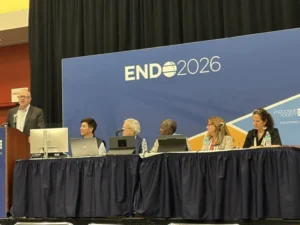
The ENDO 2026 conference will serve as the premier stage for these investigators. As the world’s largest meeting for endocrine research and clinical care, the conference typically hosts over 7,000 attendees from more than 100 countries. For Avula, Hilz, La Salle, Upadhyay, and Zhang, the opportunity to present their work in this forum is an unparalleled chance to influence the direction of the field.
The sessions led by these early investigators are often among the most highly attended, as they frequently showcase the most cutting-edge techniques and "blue-sky" thinking. Their presentations will likely cover a range of topics, from the use of artificial intelligence in hormone tracking to the development of new peptide-based drugs for rare endocrine diseases.
As the Endocrine Society continues its mission to accelerate scientific breakthroughs and improve health outcomes worldwide, the Early Investigator Awards remain a beacon of hope and a catalyst for progress. The 2026 winners carry with them the expectations of a global community, and their future successes will undoubtedly shape the landscape of medicine for decades to come. More information regarding the award criteria and the list of past recipients can be accessed through the Society’s dedicated awards portal, which serves as a resource for aspiring scientists looking to follow in the footsteps of this year’s distinguished honorees.