








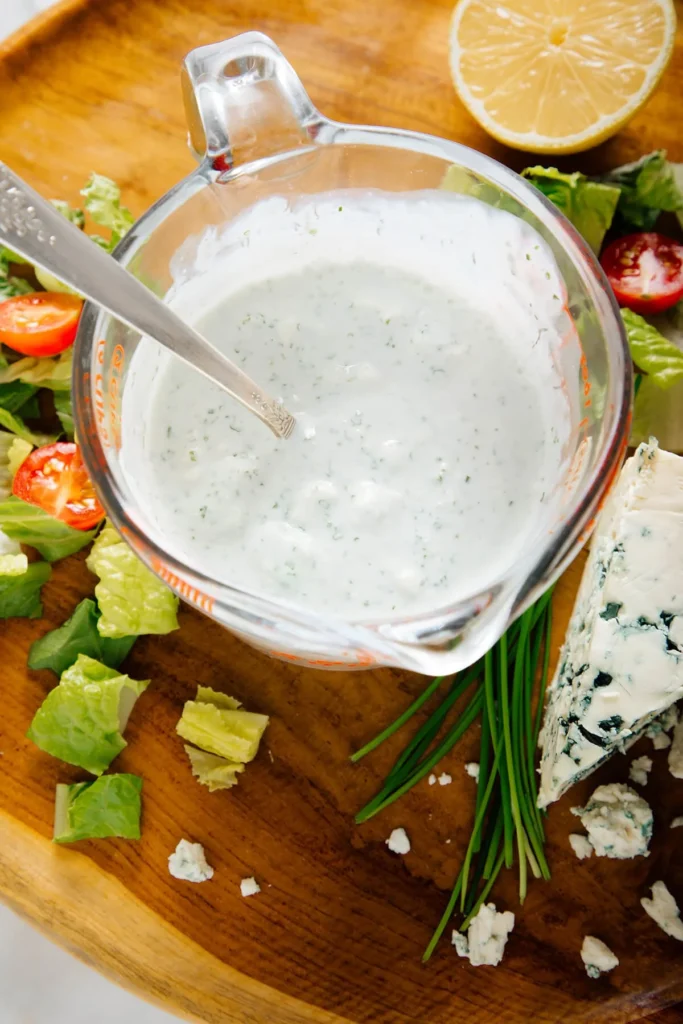
The culinary landscape continually witnesses cycles of innovation and a return to cherished classics, often refined for contemporary palates. In this vein, a notable contribution to the realm of homemade dressings has emerged, offering a fresh perspective on the perennially popular blue cheese dressing. Developed by prominent food enthusiast Kathryne Taylor of Cookie and Kate, this recipe positions itself not merely as a condiment, but as a gateway to appreciating the nuanced complexities of blue cheese, appealing to both seasoned aficionados and those new to its distinctive flavor profile. This particular rendition emphasizes a balance of creamy texture, vibrant tang, and the aromatic freshness of herbs, distinguishing itself from many store-bought counterparts and solidifying its place as a cornerstone in a comprehensive collection of homemade dressings.
Historical Roots of a Culinary Classic
To fully appreciate the significance of a well-crafted blue cheese dressing, it is essential to delve into the rich history of its primary ingredient: blue cheese itself. The origins of blue cheese are deeply embedded in European monastic traditions, particularly in France, where Roquefort is famously said to have been discovered accidentally in a cave around the 7th century. Legend suggests a shepherd, distracted by a beautiful woman, left his rye bread and ewe’s milk cheese in a cave. Upon his return months later, the cheese had developed the characteristic blue-green mold, Penicillium roqueforti, which imbues it with its unique flavor and aroma.

Over centuries, blue cheese production spread across Europe, leading to a diverse array of varieties, each with distinct characteristics influenced by local dairy, climate, and cheesemaking techniques. Gorgonzola from Italy, Stilton from England, and Danish Blue (Danablu) are just a few examples that have achieved global recognition. The development of these cheeses predates the widespread use of salad dressings as we know them. Early forms of dressings were often simple concoctions of oil, vinegar, and salt, used primarily to moisten and preserve vegetables.
The concept of a creamy, dairy-based dressing gained traction much later, particularly in American cuisine during the early to mid-20th century. As refrigeration became common and dairy products more accessible, mayonnaise and sour cream formed the base for a new generation of dressings. The robust, pungent flavor of blue cheese proved to be an ideal complement to these creamy bases, creating a dressing that could stand up to strong greens and grilled meats, most notably becoming synonymous with the classic American wedge salad. This evolution from a humble cheese to a sophisticated dressing ingredient reflects a broader culinary journey towards more complex and varied flavor experiences.
Deconstructing the Flavor Profile: Key Ingredients and Their Roles
The composition of a superior blue cheese dressing relies on a careful selection and balance of ingredients, each contributing to the overall sensory experience. Kathryne Taylor’s recipe highlights several core components that collectively create its lauded profile.

Sour Cream: The Creamy, Tangy Foundation
Unlike many traditional recipes that lean heavily on mayonnaise, this dressing utilizes sour cream as its primary creamy base. Sour cream, a dairy product made by fermenting regular cream with lactic acid bacteria, offers a distinct tanginess and a lighter texture compared to mayonnaise, which is an emulsion of oil and egg yolk. This choice contributes to a dressing that is rich and velvety without being overly heavy, allowing the other flavors, particularly the blue cheese, to shine through more clearly. The lactic acid also provides a refreshing counterpoint to the richness of the cheese.
Crumbled Blue Cheese: The Heart of the Flavor
The selection of blue cheese is paramount and highly subjective, catering to a spectrum of preferences regarding intensity. The recipe judiciously advises on cheese choices, from milder varieties like Gorgonzola dolce or Danish Blue to more assertive options such as Roquefort. Gorgonzola dolce, known for its sweet, buttery, and less pungent notes, offers a gentle introduction to blue cheese flavors. Danish Blue, a semi-soft cheese with a sharp, salty flavor, provides a moderate intensity. Roquefort, on the other hand, is a sheep’s milk cheese from France, celebrated for its intense, tangy, and salty profile, often with a slight peppery finish.
The science behind these flavor variations lies in the specific strains of Penicillium roqueforti used, the type of milk (cow, sheep, goat), the aging process, and the moisture content. Creamier blue cheeses with less prominent veining tend to exhibit milder characteristics, while harder, more crumbly cheeses with extensive marbling typically deliver a bolder, more concentrated flavor. This guidance empowers home cooks to customize the dressing to their individual taste preferences, ensuring a guaranteed winner for both blue cheese skeptics and enthusiasts.
Buttermilk: The Essential Tang and Texture Enhancer
Buttermilk plays a critical role in both the flavor and texture of the dressing. Traditional buttermilk, the liquid left over after churning butter, is naturally tangy due to lactic acid bacteria. Modern commercial buttermilk is typically cultured skim milk, which replicates this tanginess. Its inclusion not only amplifies the dressing’s overall zest but also provides the necessary liquid to achieve a pourable, drizzle-friendly consistency without thinning out the flavor. The author’s recommendation to use "real buttermilk" whenever possible underscores its superior flavor payout, a nuance often lost in substitutes. For those without buttermilk, a combination of regular milk and a touch of lemon juice can serve as a workable, albeit less complex, alternative.

Lemon Juice: The Brightening Zest
Freshly squeezed lemon juice is a crucial component that elevates the dressing from merely good to exceptional. Its vibrant acidity acts as a natural flavor enhancer, cutting through the richness of the sour cream and cheese, and adding a lively "zing." This acidity also helps to balance the bitterness sometimes present in salad greens, creating a more harmonious overall flavor profile for the salad. The use of fresh lemon juice, as opposed to bottled, is a subtle yet significant detail that underscores the recipe’s commitment to optimal flavor.
Chives and Garlic: Aromatic Foundations
The incorporation of thinly sliced fresh chives and minced fresh garlic is pivotal to achieving the "best restaurant versions" of blue cheese dressing. Chives, a member of the onion family, offer a delicate, fresh, and mildly oniony flavor without the harshness of raw onion. Their bright green color also adds visual appeal. Fresh garlic, minced finely, provides a pungent, aromatic depth that is fundamental to many savory dressings. The emphasis on fresh ingredients here is key, as dried or powdered versions lack the vibrant, complex notes that fresh alliums impart. For those without chives, green onions (scallions), particularly their green parts, can serve as a suitable substitute, offering a similar, albeit slightly stronger, allium flavor.
Salt and Pepper: Seasoning to Perfection
No dressing, particularly one designed to complement greens, is complete without precise seasoning. Salt is fundamental not only for enhancing the inherent flavors of the ingredients but also for balancing the often-bitter notes of various salad greens. The recommendation for "lots of freshly ground pepper" speaks to its importance in providing a nuanced warmth and aroma, distinct from pre-ground pepper, which often lacks the vibrant piquancy. Seasoning "to taste" encourages the home cook to engage actively with the recipe, tailoring it to their personal preference.
The Art of Preparation: Crafting the Ideal Consistency

The preparation of this blue cheese dressing is characterized by its simplicity, underscoring the accessibility of gourmet-quality results in a home kitchen. The process typically involves combining the sour cream, crumbled blue cheese, buttermilk, lemon juice, chives, minced garlic, salt, and pepper. The emphasis is on thorough mixing to integrate the ingredients, ensuring the blue cheese is evenly distributed while retaining some textural presence for a more authentic experience. The resulting consistency is designed to be creamy yet thin enough to drizzle effortlessly over salads, avoiding the clumpy or overly thick textures sometimes found in less refined recipes or inferior store-bought options. This ease of preparation contrasts sharply with the often complex, multi-stage processes involved in industrial food production, where consistency and shelf-stability often take precedence over fresh flavor.
Beyond the Bottle: The Advantages of Homemade Dressings
The increasing preference for homemade dressings like this blue cheese recipe reflects broader trends in consumer behavior, driven by health consciousness, a desire for superior taste, and a return to culinary authenticity.
Nutritional Control and Transparency:
One of the most significant advantages of preparing dressings at home is the ability to control ingredients. Commercial salad dressings often contain high levels of sugar, unhealthy fats, artificial preservatives, emulsifiers, and flavor enhancers. By making dressing from scratch, individuals can avoid these additives, opting for fresh, wholesome components. This transparency in ingredients aligns with a growing demand for cleaner eating and greater awareness of what goes into food. For example, using fresh garlic and chives replaces artificial flavorings, and choosing real buttermilk offers natural probiotics not found in many processed versions.

Superior Flavor and Texture:
The difference in flavor between a homemade dressing and its store-bought counterpart is often stark. Fresh ingredients like vibrant lemon juice, pungent garlic, and fragrant chives offer a depth and complexity that cannot be replicated by shelf-stable alternatives. The texture of a freshly made dressing is also typically superior—creamy without being gummy, and flowing without being watery. This immediate freshness is a key driver for home cooks seeking to elevate their culinary experiences.
Cost-Effectiveness (with caveats):
While purchasing individual ingredients for a single batch might seem more expensive upfront, the long-term cost-effectiveness can be favorable, especially for regular consumption. Furthermore, the quality-to-cost ratio for homemade versions is almost always higher, providing a gourmet experience at a fraction of the price of premium store-bought brands.
Culinary Versatility: Expanding Beyond the Salad Bowl
While primarily designed as a salad dressing, the robust and adaptable flavor profile of this blue cheese creation lends itself to a myriad of culinary applications, extending its utility beyond a simple pour over greens.

Ideal Salad Pairings:
The article provides excellent guidance for building a compelling salad around this dressing. A base of fresh, crisp greens such as romaine, little gem, iceberg, spinach, or arugula offers a perfect canvas. Romaine and iceberg provide a classic crunch that stands up well to the creamy dressing, while spinach and arugula introduce their own peppery or earthy notes, creating a more complex flavor dynamic.
Beyond the greens, the dressing harmonizes exceptionally well with a range of toppings:
- Vegetables: Halved cherry tomatoes add bursts of sweetness and acidity, while thinly sliced radishes contribute a peppery bite and crisp texture. Cucumbers offer refreshing coolness, and bell peppers add sweet crunch.
- Proteins: The bold flavor of blue cheese dressing is a natural complement to robust proteins. Crumbled bacon introduces a smoky, salty crispness. Grilled chicken or steak, particularly in a classic Cobb salad or steakhouse-style preparation, finds its perfect match.
- Nuts and Seeds: Toasted walnuts or pecans add a nutty depth and textural contrast.
- Other Accents: Croutons or bread crumbs provide a satisfying crunch. Sliced red onion offers a sharp counterpoint, and hard-boiled eggs add richness. Avocado contributes a creamy, healthy fat element.
The featured salad—a wedge of romaine adorned with the dressing, cherry tomatoes, radish, and a sprinkle of bread crumbs and additional chives—exemplifies a classic presentation, demonstrating how simple, high-quality ingredients can combine to create a sophisticated and satisfying dish.
Beyond Salads: Dip and More:
The inherent creaminess and intense flavor of this dressing make it highly versatile as a dip. Its similarity to a dedicated blue cheese dip recipe suggests its suitability for crudités, buffalo wings, or as a flavorful spread for sandwiches and wraps. It can also serve as a delicious accompaniment to roasted vegetables or even as a unique topping for baked potatoes.

The "Cookie and Kate" Influence: A Voice in Modern Home Cooking
Kathryne Taylor, through her popular food blog Cookie and Kate, has established herself as a significant voice in the contemporary home cooking sphere. Her focus on wholesome, real-food recipes, often vegetarian or plant-forward, resonates with a broad audience seeking healthier, delicious alternatives to processed foods. The introduction of this blue cheese dressing recipe fits perfectly within her ethos, offering a classic comfort food made with fresh, quality ingredients.
Food blogs like Cookie and Kate play a crucial role in modern culinary education and trendsetting. They democratize access to recipes, provide detailed instructions often accompanied by high-quality photography and video, and foster communities of home cooks. Taylor’s emphasis on flavor, health, and accessibility has made her a trusted resource, and her recipes are frequently lauded for their reliability and delicious outcomes. This particular dressing recipe further solidifies her reputation for transforming traditional dishes into approachable, superior homemade versions.
The Broader Implications: A Return to Freshness and Authenticity

The emergence and popularity of well-crafted homemade recipes, such as this blue cheese dressing, signify a broader cultural movement towards conscious consumption and a renewed appreciation for culinary authenticity. In an era dominated by convenience foods and highly processed options, there is a palpable yearning for food that is prepared with care, using identifiable, fresh ingredients.
This trend is driven by multiple factors:
- Health and Wellness: Increased awareness of dietary impacts on health prompts consumers to seek out foods with fewer artificial ingredients and a higher nutritional value.
- Flavor Experience: A growing sophistication in palates demands richer, more nuanced flavors that mass-produced items often fail to deliver.
- Sustainability and Sourcing: An interest in knowing the origin of food and supporting sustainable practices encourages home cooking with locally sourced ingredients.
- The Joy of Cooking: For many, cooking at home is not just a necessity but a pleasurable activity, a creative outlet, and a way to connect with food and family.
Recipes like Kathryne Taylor’s blue cheese dressing exemplify this return to freshness and authenticity. They empower individuals to recreate restaurant-quality experiences in their own kitchens, providing both a sense of accomplishment and the satisfaction of knowing exactly what goes into their food. This movement represents more than just a culinary shift; it reflects a broader lifestyle choice that values quality, transparency, and the simple, profound pleasure of good food.
In conclusion, this particular blue cheese dressing recipe stands as a testament to the enduring appeal of classic flavors, thoughtfully reimagined for the modern kitchen. By emphasizing fresh, quality ingredients and offering guidance for customization, it not only provides a superior culinary experience but also reinforces the broader trend towards healthier, more authentic home cooking. Its inclusion in any home cook’s repertoire promises to elevate everyday meals and offer a refined introduction to one of cuisine’s most distinctive cheeses.