


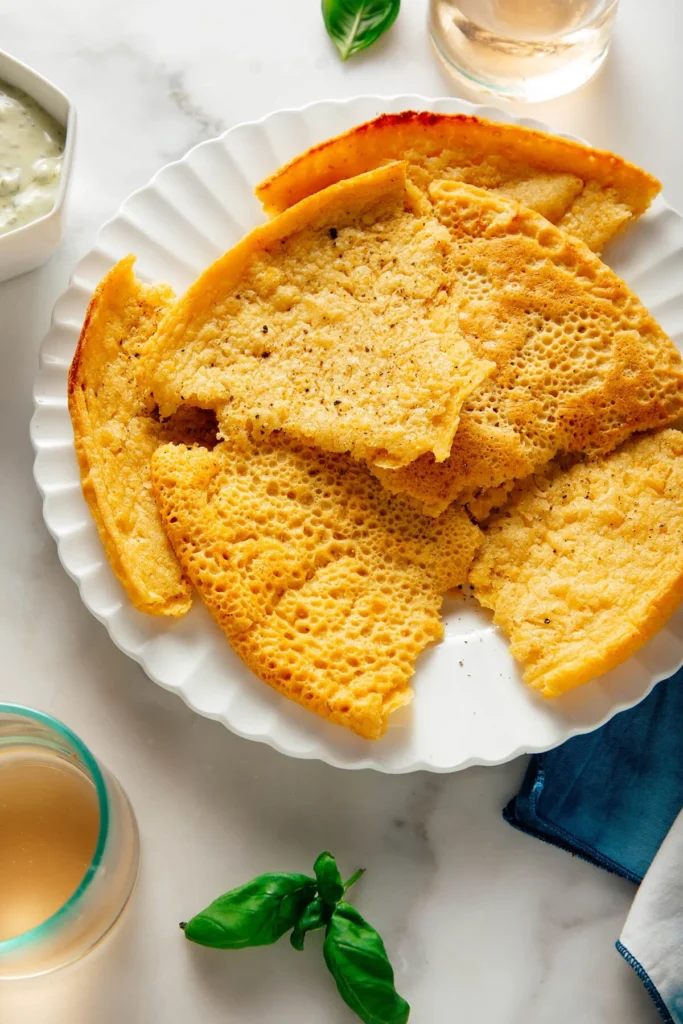
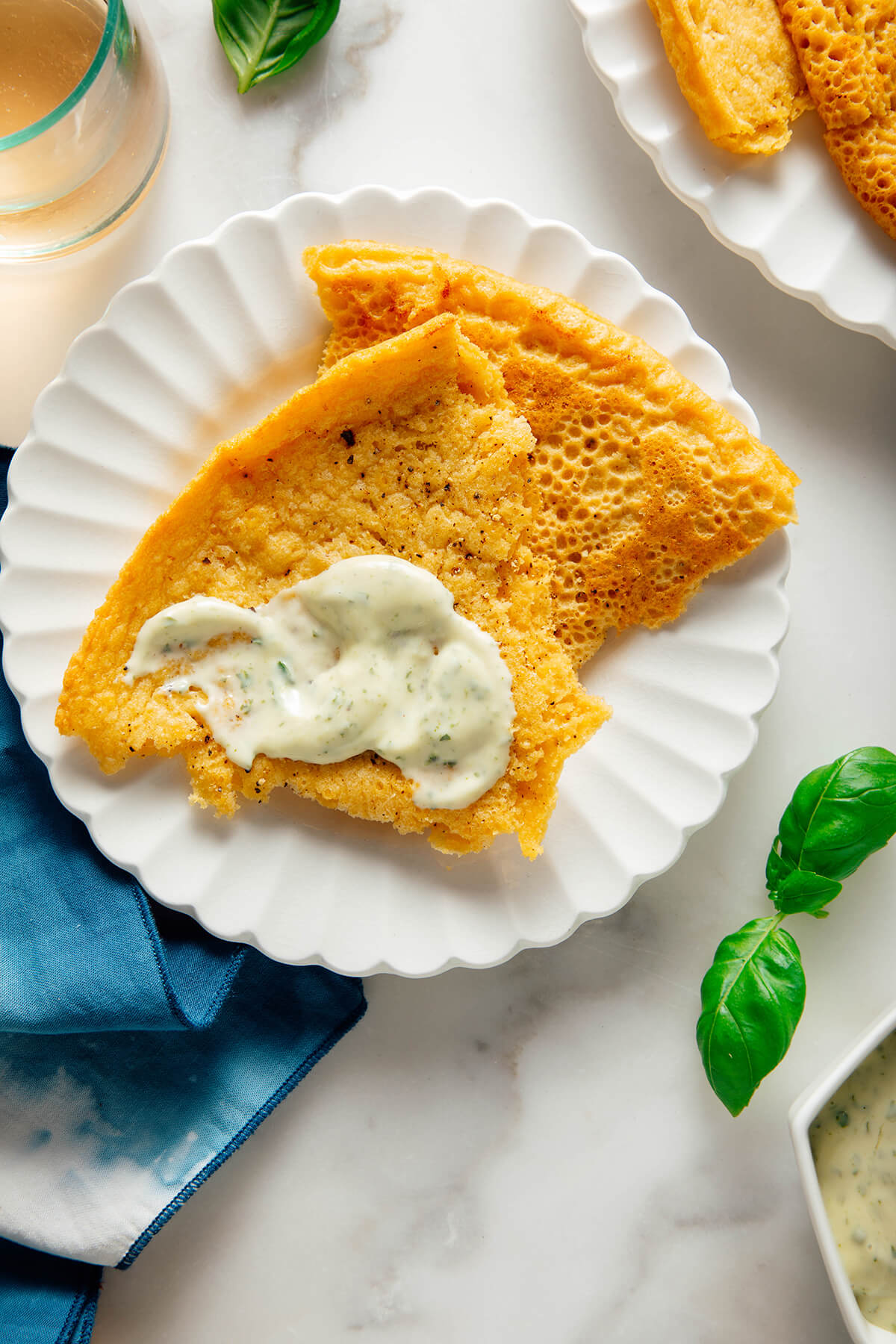
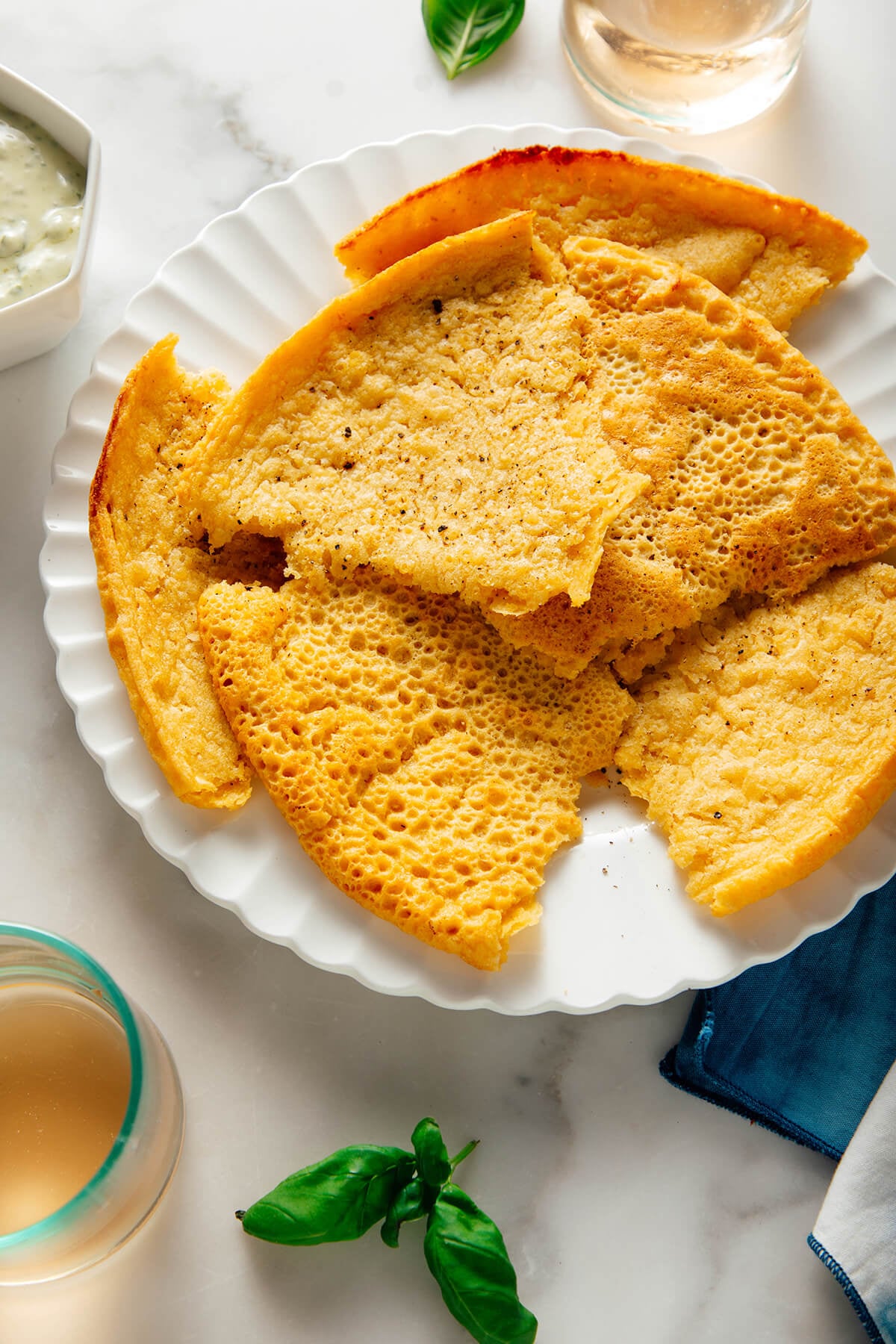
Socca, a traditional savory pancake crafted from chickpea flour, stands as a culinary cornerstone of Nice, France, deeply rooted in centuries of Mediterranean history and gastronomic tradition. This humble yet profoundly flavorful dish is characterized by its exquisitely crispy and chewy edges, a tender, flaky interior, and a distinctive lacy, golden bottom, all achieved through cooking in piping hot olive oil. More than just a simple snack, socca embodies the essence of Niçoise street food, offering a taste of the Côte d’Azur’s rich cultural heritage that is now finding increasing appreciation on a global scale. Its growing recognition highlights not only its unique textural and flavor profile but also its inherent versatility and remarkable health benefits, making it a subject of interest for both culinary enthusiasts and those exploring diverse, wholesome food options.
A Deep Dive into History: From Ancient Roots to Niçoise Staple
The lineage of socca stretches back to antiquity, intertwining with the broader history of chickpea cultivation and utilization across the Mediterranean basin. Historical records suggest that flatbreads made from ground legumes were common in the Roman Empire, providing a nutritious and inexpensive food source for soldiers and civilians alike. This culinary practice laid the groundwork for dishes like socca, which likely evolved from similar preparations. Its closest kin, Italian farinata from Genoa and cecina from Tuscany, attest to a shared heritage across the Ligurian Sea, reflecting centuries of trade, migration, and cultural exchange between these coastal regions. The very name "socca" is believed to have Ligurian or Provençal origins, further solidifying these cross-border connections.
The exact timeline of socca’s establishment as a definitive Niçoise specialty is not precisely documented, but it gained significant prominence in Nice during the medieval period and flourished as a popular street food by the 19th century. Its enduring appeal lies in its accessibility and the simplicity of its core ingredients, which were readily available to the local population. For generations, socca has been an integral part of daily life in Nice, serving as a quick, satisfying, and communal meal, particularly among laborers and fishermen. Its preparation on large, open-air griddles became a familiar sight, with vendors calling out to passersby, creating a vibrant culinary soundscape in the city’s bustling markets and narrow streets.
The Art of Socca Making: Tradition Meets Modernity
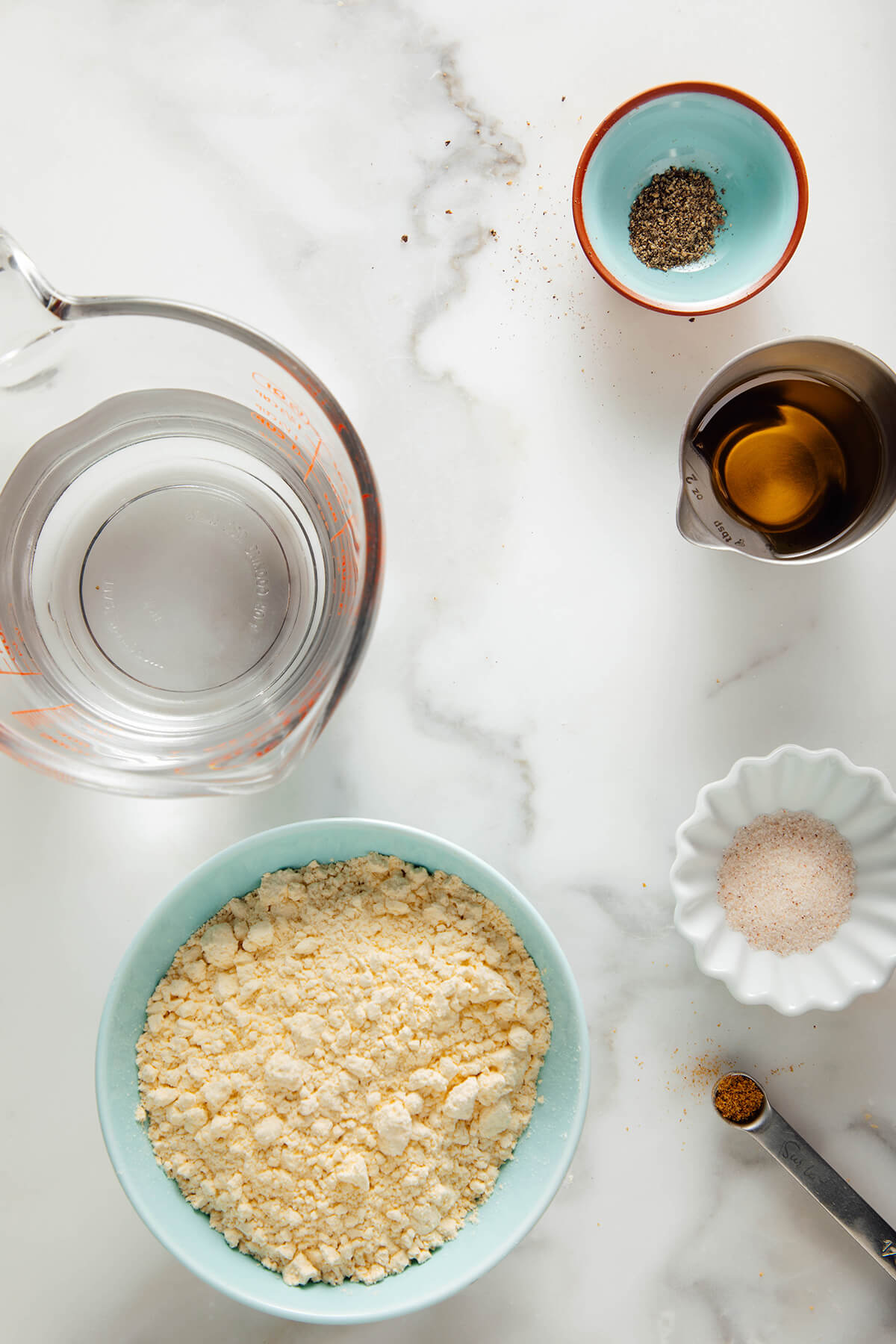
At its heart, socca is a testament to the power of minimal ingredients expertly handled. The fundamental components—chickpea flour, water, olive oil, salt, and often a touch of pepper and cumin—combine to create a surprisingly complex flavor. Chickpea flour, also known as gram flour or besan, is central to its identity. Sourced from ground dried chickpeas, it imparts a nutty, earthy flavor and a distinctive texture that sets socca apart from wheat-based flatbreads. Brands like Bob’s Red Mill are widely available, making this once-niche ingredient accessible in well-stocked grocery stores globally. The quality of olive oil is equally crucial, as it not only facilitates the cooking process but also infuses the pancake with its characteristic rich, fruity notes.
Traditionally, socca is cooked in colossal copper pans, often exceeding a meter in diameter, over roaring wood-burning ovens. This method imparts a unique smoky flavor and ensures an incredibly high, even heat distribution, critical for achieving the desired crispy exterior and perfectly cooked interior. The soccaires, the skilled artisans who specialize in making socca, are masters of their craft, meticulously spreading the thin batter and rotating the pans to ensure uniform cooking. This traditional spectacle is a beloved part of Niçoise culture, drawing locals and tourists alike to witness the creation of this iconic dish.
While the grandeur of wood-fired ovens might be out of reach for most home cooks, the essence of socca can be remarkably replicated in a standard kitchen. High-quality cast iron skillets have proven to be excellent substitutes, their superior heat retention capabilities mimicking the intensity of traditional methods. For those without cast iron, heavy-bottomed stainless steel pans can also yield satisfying results, albeit often requiring slightly longer baking times to achieve the desired browning. Crucially, non-stick pans are generally advised against due to their limitations under the high heat required for authentic socca. A typical recipe yields a 12-inch socca, about a quarter-inch thick, balancing crispness with a lightly custardy interior. For a thinner, crisper result, or for smaller portions, dividing the batter and cooking in a 10-inch skillet in two batches is a recommended alternative, suitable for applications like wraps.
An intriguing aspect of socca preparation is the debate surrounding batter resting time. Many traditional recipes advocate for an hour or more of resting to allow the flour to fully hydrate. However, contemporary culinary experiments have challenged this convention. Empirical observations suggest that preparing the batter just as the oven preheats, with no extended rest, can surprisingly lead to a superior texture—lighter and flakier. This efficiency means socca can be whipped up spontaneously, transforming pantry staples into a delicious meal without extensive planning. This adaptation makes socca an ideal candidate for modern, fast-paced lifestyles, without compromising its authentic taste.
A Nutritional Powerhouse: Health Benefits and Dietary Versatility
Beyond its delectable taste and historical significance, socca offers a compelling nutritional profile that aligns perfectly with contemporary health trends. Crafted entirely from chickpea flour, it naturally boasts a higher nutritional density compared to flatbreads made from refined wheat flour. Chickpeas are an excellent source of plant-based protein, essential for muscle repair and satiety, and dietary fiber, which aids in digestion and contributes to gut health. Furthermore, socca is rich in complex carbohydrates, providing sustained energy. The use of olive oil, a cornerstone of the Mediterranean diet, contributes healthy monounsaturated fats, known for their cardiovascular benefits.
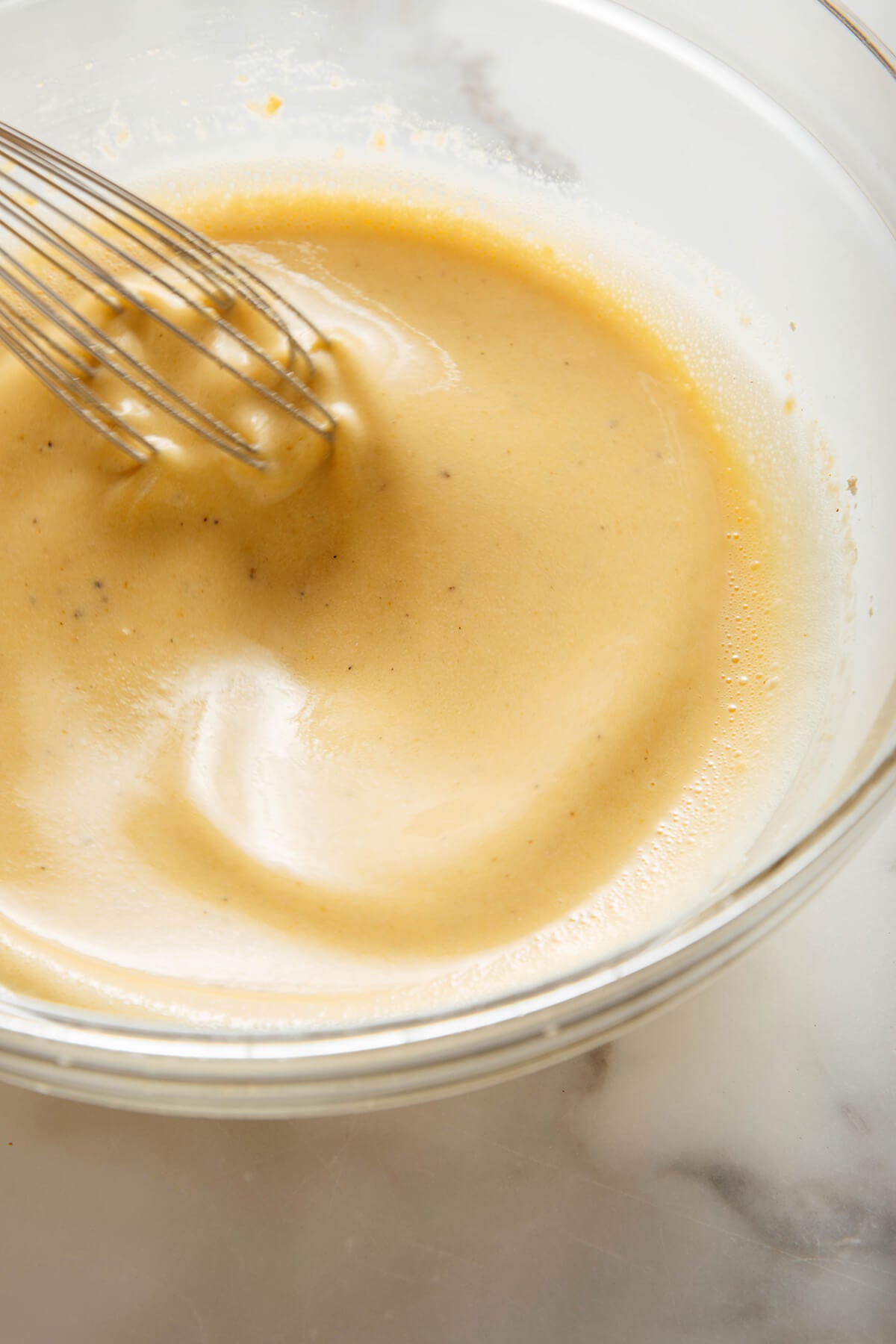
One of socca’s most significant advantages is its inherent compatibility with various dietary restrictions. It is naturally gluten-free, making it an ideal choice for individuals with celiac disease or gluten sensitivities. Moreover, as a purely plant-based dish, it is entirely vegan, catering to those following a plant-forward lifestyle. This unique combination of being gluten-free and vegan, without compromising on flavor or texture, positions socca as a highly inclusive appetizer or snack that can be enjoyed by a broad audience, fostering a sense of culinary accessibility. Its simple ingredient list also makes it relatively allergen-friendly, typically free from common allergens like nuts, dairy, eggs, and soy.
Beyond the Snack: Culinary Applications and Global Influence
While perfectly delightful on its own, torn into warm pieces and perhaps sprinkled with extra freshly-ground black pepper, socca’s culinary versatility extends far beyond a simple street snack. In its native Nice, enjoying it with a chilled glass of rosé evokes the quintessential South of France experience. However, its neutral yet earthy base makes it an excellent canvas for a myriad of accompaniments. Flavorful dips are a natural pairing; a creamy basil mayo, akin to a summery aioli, provides a fresh, herbaceous counterpoint. Other popular options include Green Goddess Tahini Dip for a vegan alternative, or a robust tapenade for those who appreciate the briny depth of olives.
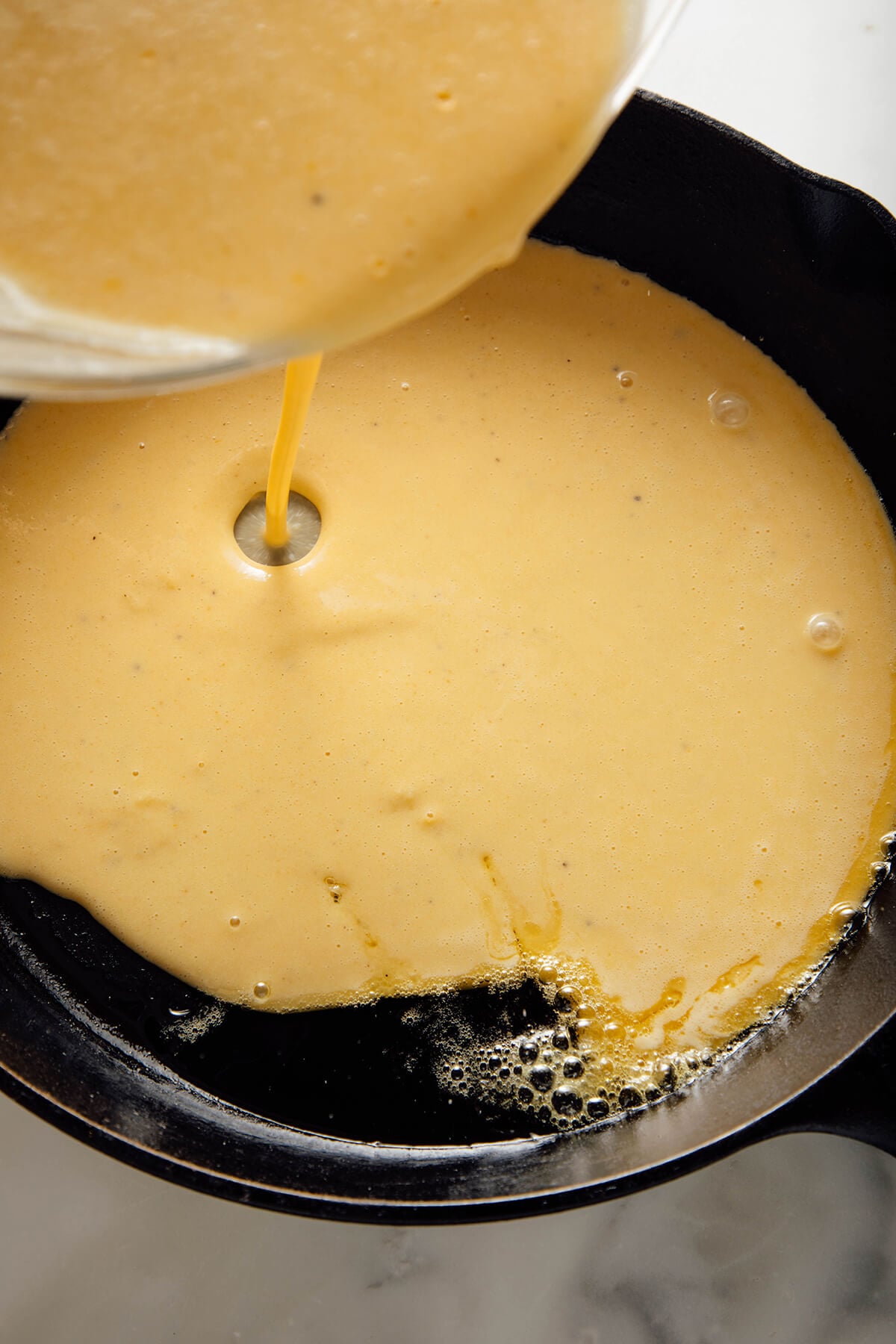
Socca also shines as a foundational element for more elaborate meals. Its robust yet flexible structure makes it an ideal "messy wrap." Toppings can range from creamy cheeses like ricotta, feta, or goat cheese, to vegan alternatives such as a rich tahini sauce. Fresh, vibrant vegetables like diced tomatoes and cucumbers add crunch and freshness, while roasted vegetables such as eggplant or cauliflower introduce depth and warmth. Accents like sun-dried tomatoes, additional olives, or a scattering of fresh basil elevate the experience. Culinary innovators have also successfully transformed socca into a healthier, crispier pizza crust, a testament to its adaptability. Topped with classic basil pesto, mozzarella, and a selection of fresh ingredients, socca pizza offers a nutritious and flavorful alternative to traditional flour-based crusts. This evolution from a humble street food to a versatile component in diverse culinary creations underscores its potential in modern gastronomy.
Preserving Heritage: Expert Perspectives and Local Commitment
The enduring presence of socca is not merely a matter of historical inertia; it is actively sustained by dedicated individuals and institutions committed to preserving Niçoise culinary heritage. Dr. Eleanor Vance, a prominent food historian specializing in Mediterranean cuisine, notes, "Socca represents a direct and tangible link to ancient culinary practices. It highlights the ingenuity of using readily available, nutritious legumes to create staple foods that have sustained communities for millennia. Its continuity offers invaluable insight into the historical diets and resourcefulness of the region."
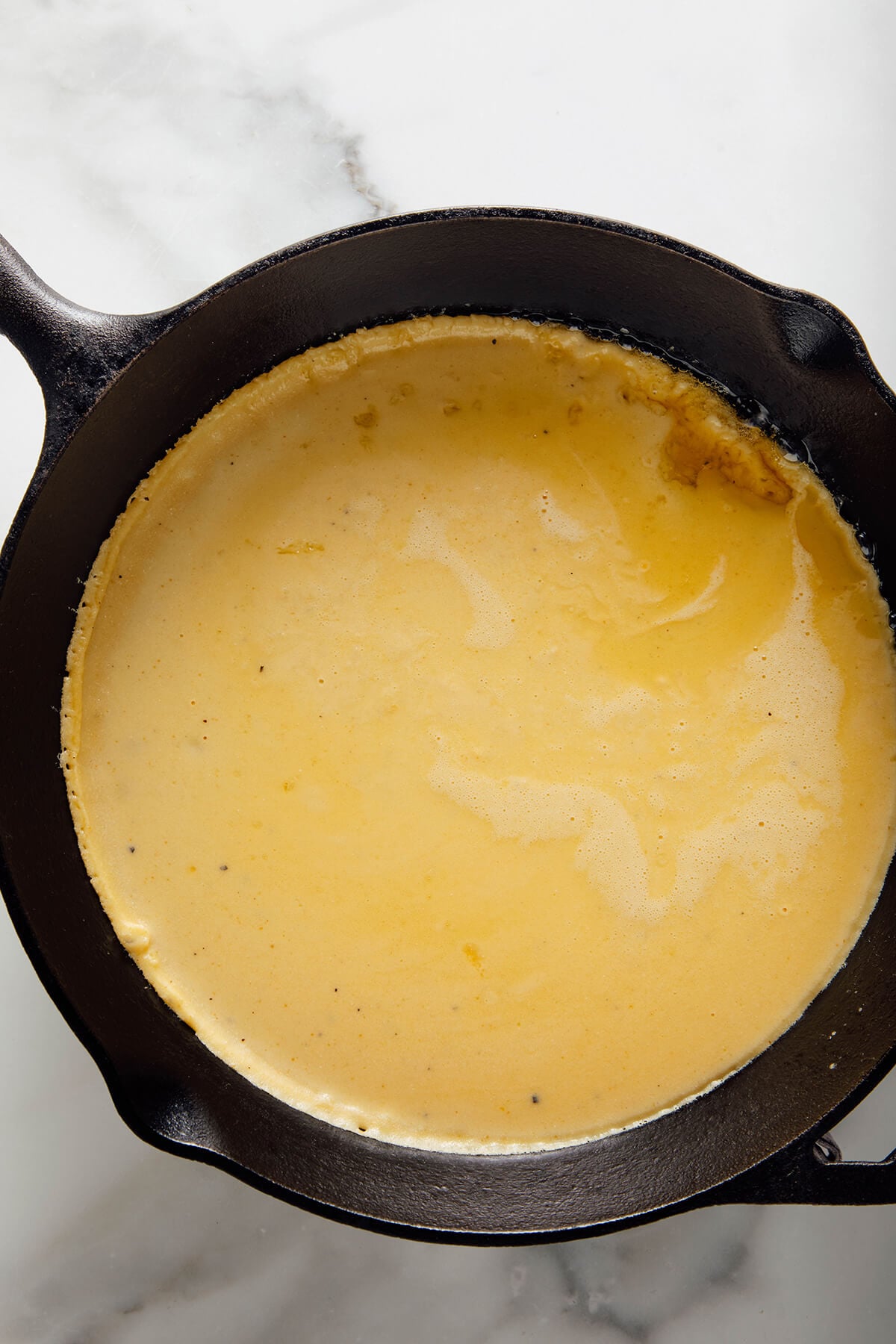
Local authorities and tourism boards in Nice consistently champion socca as a key element of the city’s identity. The Nice Tourism Office frequently features socca in its promotional materials, inviting visitors to "savor the authentic taste of the Côte d’Azur’s culinary heritage." This strategic promotion helps to maintain the tradition of soccaires and ensures that the dish remains a vibrant part of the local economy, supporting small businesses and cultural tourism.
Contemporary chefs also play a crucial role in reinterpreting and elevating socca. Chef Antoine Dubois, renowned for his innovative yet respectful approach to traditional Niçoise dishes, states, "Socca’s simplicity is its profound strength. It is fundamentally a canvas for flavor, incredibly adaptable to contemporary palates while honoring its deep historical roots. My goal is to introduce it to new generations, showing how a classic can be both traditional and thrillingly modern." This dual commitment—from traditional street vendors to avant-garde chefs—ensures socca’s relevance and continued evolution. The economic implications are also significant, with socca contributing to the local food industry, particularly in terms of ingredient sourcing and specialized equipment, further embedding it within the regional economic fabric.
The Enduring Appeal of Socca
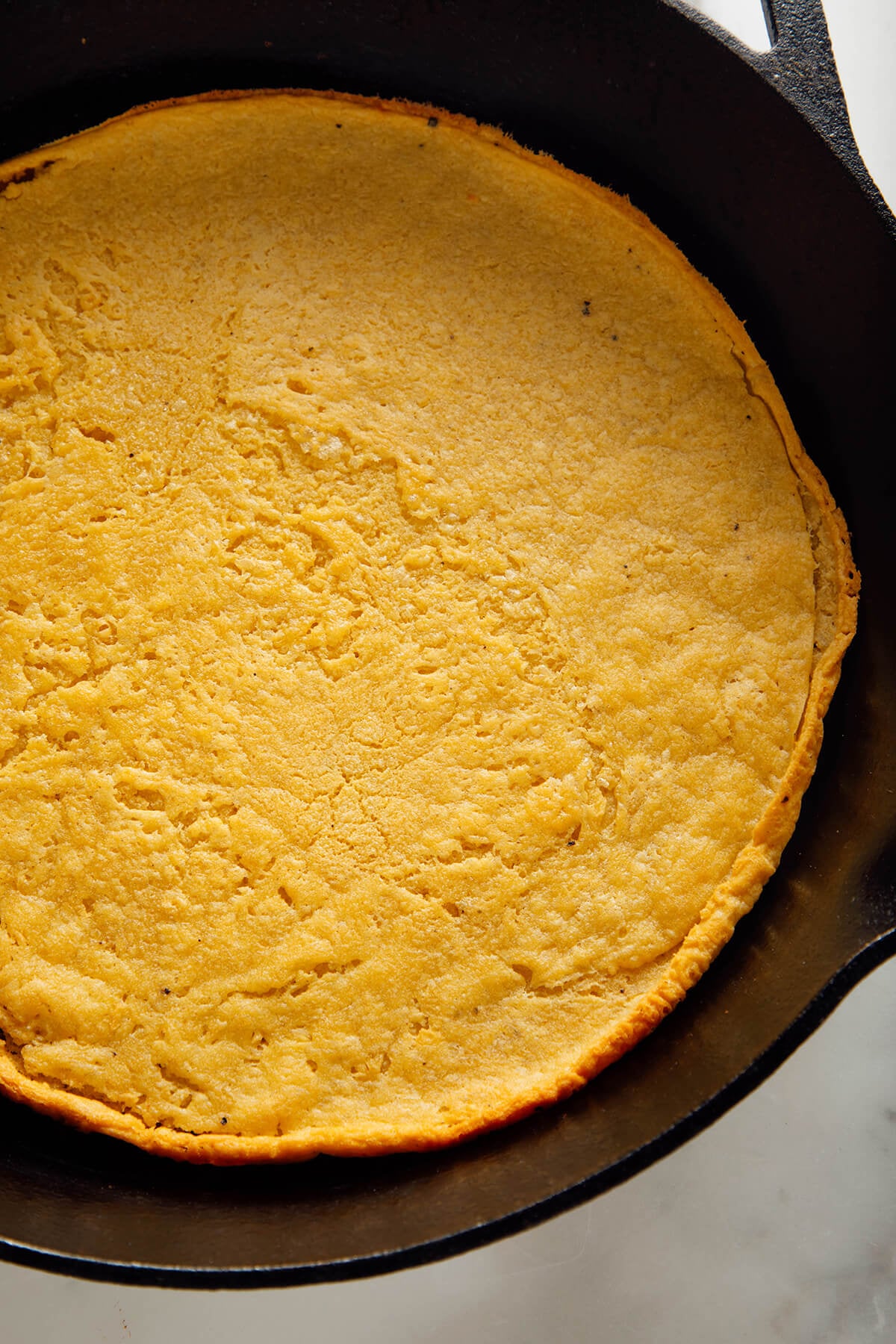
From its ancient origins as a practical sustenance to its modern-day status as a celebrated gluten-free, vegan delicacy, socca’s journey reflects a remarkable culinary resilience. Its unique blend of simple ingredients, distinctive textures, and profound historical context positions it as more than just a dish; it is a cultural artifact. As global culinary landscapes increasingly prioritize wholesome, authentic, and diet-friendly options, socca stands poised for even greater international recognition. Whether enjoyed as a rustic street snack, an elegant appetizer, or an innovative pizza base, this chickpea pancake from Nice continues to captivate, offering a timeless taste of the Mediterranean that resonates with both tradition and modern palates. Its enduring appeal is a testament to the power of authentic food to transcend borders and generations, connecting us to a rich past while inspiring future culinary explorations.