








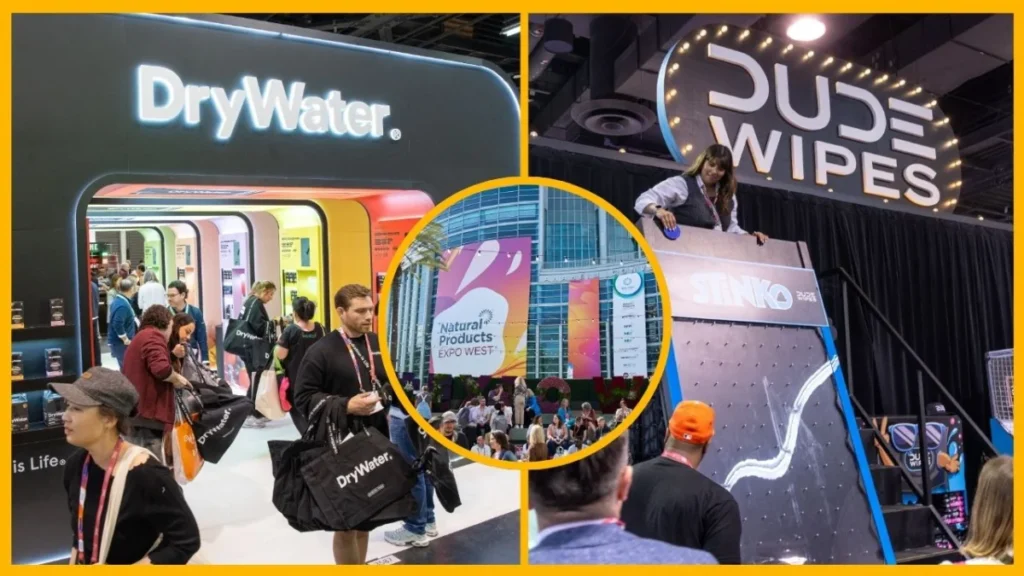
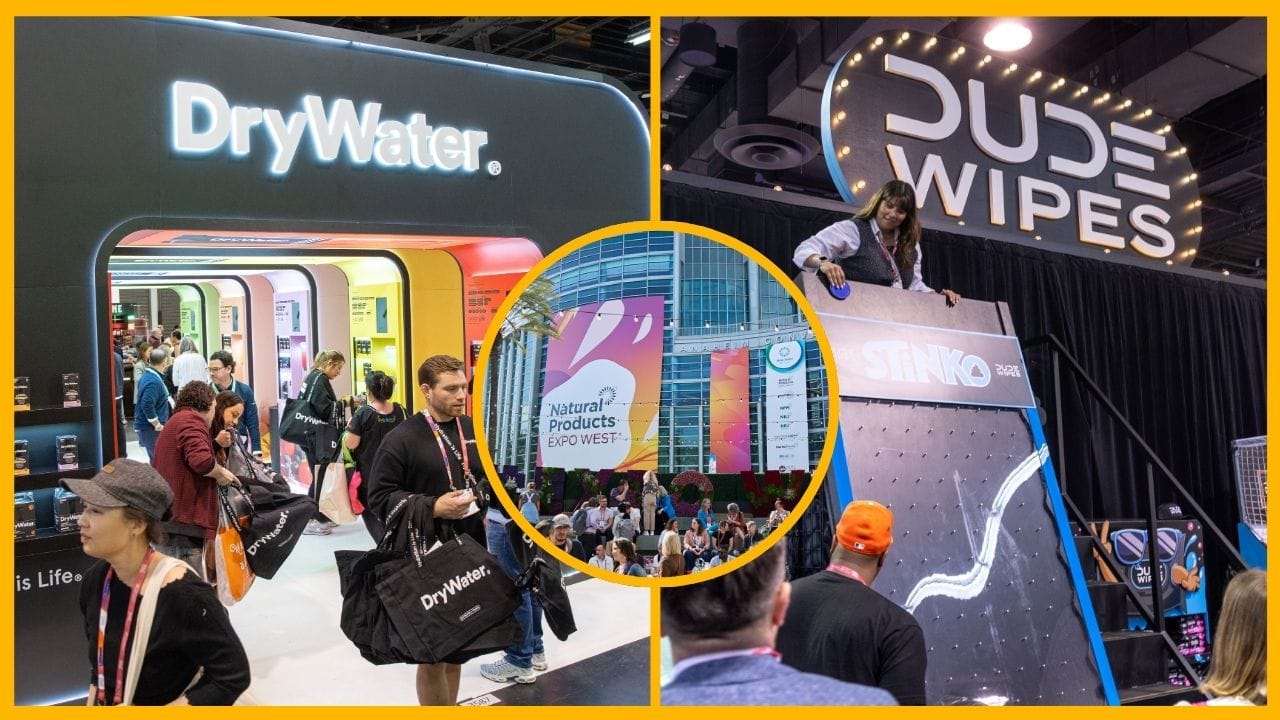
Natural Products Expo West, the preeminent global gathering for the healthy living consumer packaged goods (CPG) industry, concluded its 2026 edition with a palpable buzz of innovation and a clear delineation of emerging consumer priorities. This year’s event, held against the backdrop of a rapidly evolving marketplace, showcased a significant acceleration in key trends, from the ubiquitous rise of protein fortification to a renewed focus on fundamental nutritional building blocks and sophisticated delivery systems. Industry leaders, buyers, and manufacturers converged in Anaheim, California, to dissect the latest product launches, engage in crucial B2B discussions, and anticipate the next wave of consumer demand.
The sheer scale of Natural Products Expo West underscores its importance. Typically drawing tens of thousands of attendees, including a substantial contingent of retail buyers from major grocery chains, independent natural food stores, and online retailers, the expo serves as a critical barometer for the health and wellness sector. Its programming spans a vast array of product categories, from dietary supplements and functional foods to natural personal care and home products. The 2026 iteration, characterized by robust attendance and a vibrant exhibition floor, demonstrated the sector’s resilience and its continued capacity for reinvention. While the official attendance figures are still being compiled, preliminary observations suggest a strong return to pre-pandemic levels of engagement, with exhibition space reportedly at full capacity.
One of the most striking themes resonating throughout the convention center was the concept of "Proteinfinity." This trend signifies the pervasive integration of protein into nearly every conceivable food and beverage format. No longer confined to the realm of sports nutrition and dedicated protein bars, protein fortification has permeated categories such as sodas, sparkling waters, teas, coffees, snack chips, and even ready-to-eat meals. According to market research firm Grand View Research, the global protein ingredients market was valued at approximately USD 70 billion in 2023 and is projected to experience a compound annual growth rate (CAGR) of over 7% through 2030, a testament to the enduring consumer demand for this essential macronutrient.

The implications of this protein arms race are significant. Brands that fail to incorporate a compelling protein narrative into their product offerings risk being perceived as nutritionally incomplete or outdated. Industry insiders suggest that a benchmark of 20 grams of protein per serving is rapidly becoming the new standard, forcing established brands to re-evaluate their formulations and potentially innovate to meet this heightened expectation. Within this broad trend, a distinct subcategory of clear protein beverages and powders is gaining traction. Brands are differentiating themselves not only on protein dosage but also on the sophistication of their functional ingredient blends and their taste profiles, aiming to capture consumers seeking convenient, high-impact protein solutions.
However, this escalating demand has also led to unforeseen consequences. The scarcity and rising cost of high-quality whey protein sources are compelling manufacturers to explore alternative protein bases. Ironically, this has resulted in a widespread shift towards lower-cost, and often less nutritionally complete, proteins such as collagen. While collagen offers its own set of benefits, particularly for skin, hair, and joint health, its substitution for complete protein sources in products targeting general protein intake raises questions about nutritional equivalence and consumer expectations. This pivot highlights the complex interplay between market demand, supply chain realities, and product formulation strategies in the CPG sector.
Complementing the protein surge is the significant cultural ascendant of fiber, a trend dubbed "Fiberlicious." Once primarily associated with digestive health and often relegated to a secondary nutritional consideration, fiber is now being positioned as a desirable and even "sexy" ingredient. Social media platforms are abuzz with terms like "Fibermaxxing," indicating a growing awareness and enthusiasm, particularly among younger demographics, for maximizing fiber intake. This surge is underpinned by a strong nutritional rationale. The U.S. Department of Agriculture (USDA) Dietary Guidelines for Americans recommend approximately 30 grams of fiber per day, yet the average American consumes only about half of this amount.
The renewed interest in fiber is fueling a renaissance in product development. Manufacturers are exploring innovative ways to incorporate fiber into a wider array of products, from baked goods and snacks to beverages and even confectionery. This trend is poised for sustained growth, driven by both consumer interest and the potential for manufacturers to address significant public health recommendations. According to the Centers for Disease Control and Prevention (CDC), insufficient fiber intake is linked to a higher risk of chronic diseases, including cardiovascular disease, type 2 diabetes, and certain types of cancer. The increased availability of fiber-fortified products could play a crucial role in mitigating these health risks.
The concept of "Hydration Nation" represents another significant evolution in consumer beverage choices. Hydration is no longer merely about quenching thirst; it has become a sophisticated delivery vehicle for a multitude of functional benefits. Consumers are seeking beverages that not only replenish fluids and electrolytes but also offer synergistic advantages, such as supporting muscle growth, enhancing gut health, improving skin complexion, or sharpening cognitive function. This move toward multi-functional beverages reflects a broader consumer desire for efficiency and added value in their daily routines.
The beverage sector at Expo West was a testament to this trend, with an overwhelming array of products promising more than just refreshment. From protein-boosted milks and probiotic-infused drinks to adaptogen-enhanced sparkling waters, the market is clearly signaling a demand for beverages that actively contribute to holistic well-being. The continued growth of the global functional beverages market, projected to exceed USD 200 billion by 2028 according to market analysis by Statista, underscores the substantial commercial opportunity in this space.
Within this evolving beverage landscape, the "Bevolution" signifies a departure from the traditional energy drink market towards a more nuanced approach to functional beverages. While the energy drink sector experienced its own boom two decades ago, often criticized for unproven benefits, the current wave of functional beverages is increasingly emphasizing health-promoting ingredients in convenient, ready-to-drink formats. This evolution encompasses a diverse range of products, including clear and opaque protein drinks, non-alcoholic mocktails that aim to mimic the social experience of alcohol without intoxication, and alcohol-free beers and wines that prioritize taste and quality.
A notable segment within the Bevolution is the rise of mood-modulating beverages. Products such as Trip, Brez, and Recess are tapping into a growing consumer demand for relaxation and stress reduction, mirroring the trajectory of the energy drink market a generation ago. This trend suggests a consumer desire for accessible, everyday solutions to manage mental well-being, positioning these beverages as a key component of a modern self-care regimen. The market for these "chill" beverages is rapidly expanding, indicating a significant unmet need for calming and mood-enhancing functional drinks.

The focus on cognitive enhancement is further crystallized in the "Brainer" trend, highlighting the nutrition industry’s intensified efforts to support brain health. This megatrend is driven by two primary factors: an aging global population increasingly concerned with age-related cognitive decline, and a broader societal awareness of how nutrition can positively impact brain functions such as sleep, mood, memory, and overall cognition. The range of brain health solutions on display was extensive, encompassing specialized ingredients, beverages, teas, bars, probiotics, and even children’s snacks designed to promote focus, improve sleep quality, and protect long-term brain health. The global brain health supplements market is projected to reach USD 33.9 billion by 2027, according to Allied Market Research, demonstrating the significant consumer and commercial interest in this area.
The "Creatine+" trend signals a significant expansion of creatine’s reach beyond traditional athletic circles. Once confined to powdered supplements in gym bags, creatine is now appearing in more palatable and convenient formats, including gummies, ready-to-drink beverages, and hydration products. Furthermore, creatine is increasingly being repositioned as a nootropic, enhancing cognitive function, and is being marketed to a broader demographic, including women. Its pairing with ingredients like collagen, mushrooms, and formulations aimed at sleep and recovery suggests a strategic effort to broaden its appeal and integrate it into daily wellness routines. This diversification indicates that creatine is poised to become a staple ingredient across a wider range of consumer products and demographics.
"Special Delivery" highlights the critical role of advanced delivery systems in optimizing the efficacy of nutritional ingredients. Technologies such as liposomes, micelles, Nusomes, chelates, and emulsions are enabling manufacturers to enhance the stability of ingredients, reduce production costs, and, most importantly, increase the bioavailability – the amount of a bioactive ingredient that reaches the bloodstream and can be utilized by the body. These nano-scale delivery vehicles are revolutionizing nutrient absorption and maximizing consumer benefits. The ability to deliver higher concentrations of active compounds more efficiently is a significant innovation, particularly for ingredients with historically low bioavailability, and promises to unlock new levels of efficacy for a wide range of supplements and functional foods.
The enduring pursuit of youth and vitality is encapsulated in the "Live Long and Prosper" trend, reflecting a booming demand for products that promise to slow the aging process. While definitive proof of longevity enhancement requires extensive and lengthy clinical trials, the industry is focusing on interventions that target cellular health. The four pillars of cellular longevity – protection, energy, renewal, and strength – are now being addressed by a growing array of ingredients. Beyond the cellular level, many products also promise more immediate benefits such as improved skin and hair health, better sleep, and increased energy, all contributing to a feeling of well-being at any age. The global anti-aging market is a vast and growing sector, with projections indicating continued strong growth as consumers prioritize proactive health management.
The profound impact of the widespread adoption of GLP-1 drugs, such as semaglutide and tirzepatide, is giving rise to "GLP-1 nutrient densification." With individuals consuming smaller quantities of food due to the appetite-suppressing effects of these medications, the nutritional payload of each bite becomes paramount. This trend mandates that even indulgent food formats like chocolate and ice cream must now deliver significant nutritional value. Manufacturers are responding by fortifying these products with protein, prebiotic fibers, and other functional ingredients, while still striving to maintain their inherent appeal and provide a satisfying sensory experience. Nutrient densification represents a fundamental shift towards maximizing nutritional return on investment, aligning with the dietary needs of a growing segment of the population and moving away from empty calories towards value-packed sustenance.
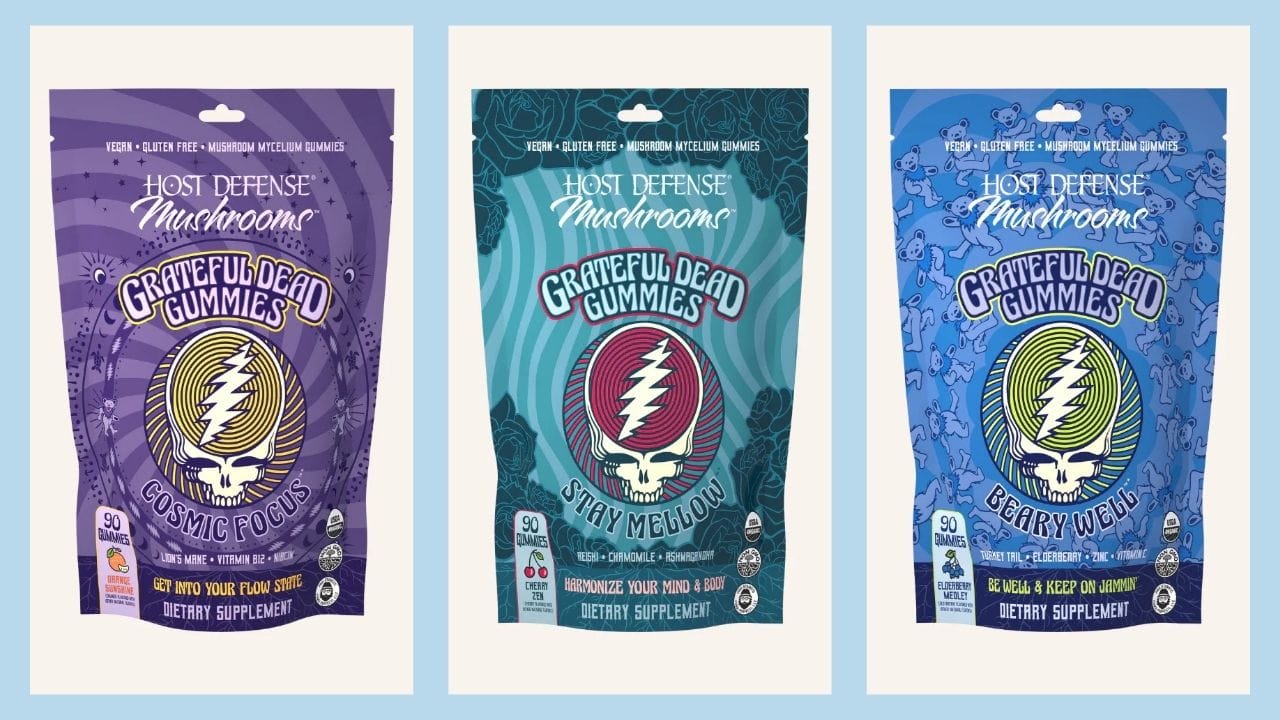
The "Mushrooming" trend continues its rapid ascent, solidifying mushrooms and their mycelium as a dominant force in the natural products industry. Mushroom leader Host Defense exemplified this by showcasing both serious clinical research initiatives and the playful launch of Grateful Dead-themed mushroom gummies. This dual approach, blending scientific rigor with accessible consumer engagement, highlights the multifaceted appeal of functional mushrooms. Ingredient suppliers like M2 reported high demand, indicating further mainstreaming of mushrooms as a functional ingredient. Even established brands like The Republic of Tea have introduced dedicated mushroom-infused product lines, catering to diverse needs such as digestion, focus, energy, and calm. The functional mushroom market is experiencing exponential growth, driven by a growing understanding of their adaptogenic, immune-modulating, and cognitive benefits.
A noticeable shift at Expo West 2026 was the resurgence of "Manly Things" in product marketing and development. After a decade where innovations were heavily skewed towards women’s health, men’s wellness has re-entered the spotlight. From brands like Dude Wipes to testosterone-boosting supplements and unapologetically masculine marketing for sports nutrition, personal care, and even intimate wellness products, the focus on male consumers was prominent. This renewed emphasis reflects a growing recognition of men’s distinct health and wellness needs and a market opportunity for brands to connect with this demographic through targeted messaging and product innovation.
Finally, the "MAHAnxiety" trend, a colloquial term referencing a movement to "Make America Healthy Again," was evident in product packaging and messaging. This trend champions ingredients like beef tallow and real meat, while also expressing a palpable concern over formerly accepted food items containing seed oils and excessive processing. The anxiety surrounding these ingredients, as reflected in new product launches, suggests a consumer desire for simpler, more recognizable, and less processed food options. This sentiment underscores a broader movement towards food transparency and a return to what are perceived as more ancestral or traditional dietary patterns.
In conclusion, Natural Products Expo West 2026 served as a vital platform for understanding the dynamic forces shaping the future of the health and wellness CPG industry. The trends observed – from the pervasive proteinification and the resurgence of fiber to the sophisticated integration of functional benefits in beverages, the burgeoning interest in brain and cellular health, and the strategic advancements in delivery systems – all point towards a consumer base that is increasingly informed, demanding, and proactive in its pursuit of well-being. The industry’s ability to innovate and adapt to these evolving consumer priorities will be crucial for continued success in the years to come.