








The halls of Natural Products Expo West 2026 were abuzz with discussions surrounding "longevity," a term that resonated with numerous supplement brands aiming to capture the growing consumer interest in extended, vibrant lives. However, amidst the proliferation of these promises, a significant ambiguity persists: the precise definitions of "longevity" and "healthy aging," often used interchangeably. Further complicating matters are related concepts like "healthspan" and "lifespan," creating a landscape ripe for clarification. Industry leaders, gathered at the prominent trade show, offered their insights into the nuances of these terms and shared their perspectives on what constitutes a truly long and healthy existence.
The Natural Products Expo West, a cornerstone event for the natural, organic, and health products industry, typically convenes in Anaheim, California, serving as a critical platform for brands to unveil new products, forge partnerships, and discuss emerging trends. In 2026, the focus on aging and extended vitality was palpable, reflecting a broader societal shift and increasing consumer demand for solutions that promote not just living longer, but living better. This year’s expo saw a notable surge in product launches and panel discussions dedicated to this expansive market.
Decoding the Terms: Longevity vs. Healthy Aging
At its core, the distinction between longevity and healthy aging lies in their primary focus. Longevity, as discussed by many on the expo floor, primarily refers to the duration of life – the sheer number of years one lives. Healthy aging, conversely, emphasizes the quality of those years, focusing on maintaining physical, mental, and social well-being as one ages. The interplay between these two concepts is crucial, as maximizing lifespan without ensuring a good quality of life can be a hollow victory.

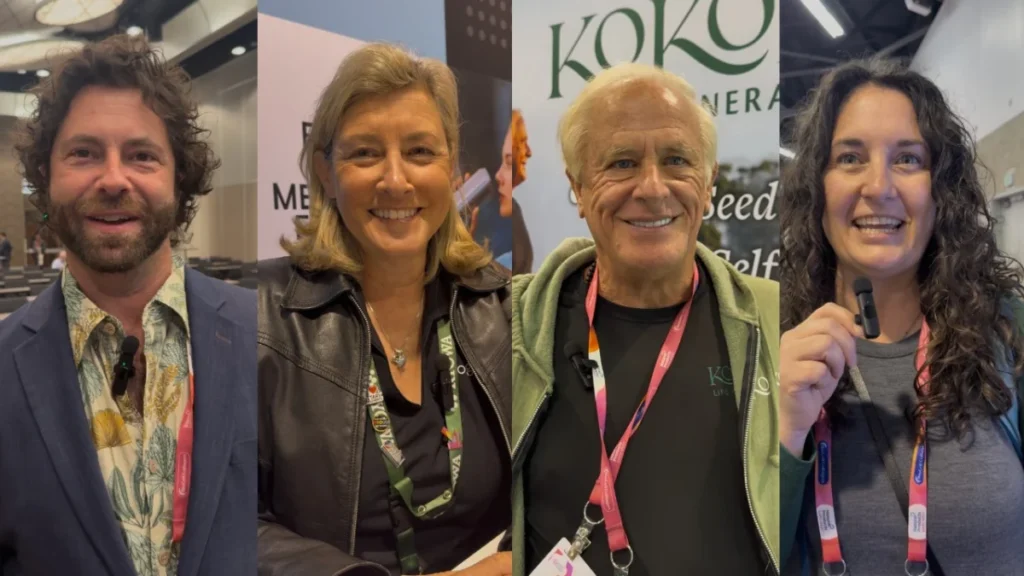
Elan Sudberg, CEO of Alkemist Labs, articulated a widely shared sentiment: "Healthy aging is getting to your end goal of age while feeling fantastic doing it." This definition underscores the experiential aspect of aging well. Sudberg also humorously acknowledged the unpredictable nature of lifespan, citing the anecdotal example of his wife’s great-uncle who lived to 100, maintaining an daily habit of McDonald’s. This highlights that while lifestyle factors are significant, a degree of genetic predisposition and sheer luck also plays a role.
Len Monheit, CEO of the Industry Transparency Center, offered a more encompassing view of longevity: "The concept of longevity is maximizing your healthy life and lifespan." This definition explicitly links the two terms, suggesting that true longevity involves not just extending years, but ensuring those years are lived with vitality and health.
Nate Call, CEO of Qualitas, identified the prevalent confusion surrounding these terms. "I think over the next few years, we will see stronger definitions," Call predicted. "We’ll see a really strong flagship brand, probably somebody here at Expo West, who anchors those words into something that actually has meaning." His statement points to a market need for clearer communication and potentially industry-led initiatives to standardize terminology, which would benefit both consumers and manufacturers.
The Pillars of a Long and Healthy Life
While definitions may vary, several foundational principles for achieving a long and healthy life emerged consistently from the discussions. These principles span lifestyle choices, physiological support, and even psychosocial well-being.
Michael Loreto, Manager of Research and Innovation at Jamieson Wellness, emphasized the proactive nature of healthy aging. "Healthy aging can be supported at any time and it’s never too early to start," Loreto stated, reflecting the growing understanding that preventative measures are key. He added, "At YouTheory, we love to focus on making people feel better on a day-to-day basis, no matter where they are in their life." This sentiment aligns with the increasing focus on daily wellness rather than solely long-term outcomes. YouTheory’s recent launch of a longevity supplement line, featuring products like liposomal glutathione and nicotinamide riboside capsules, directly addresses this market demand by offering tangible support for cellular health and anti-aging processes.
Karen Todd, RD, Vice President of Global Brand Marketing for ingredient supplier Kyowa Hakko, views healthy aging and longevity as inextricably linked. "If you are living and enjoying life and aging gracefully, healthfully, you’re probably going to live longer as well," Todd remarked. This perspective suggests that the quality of life directly influences its duration.
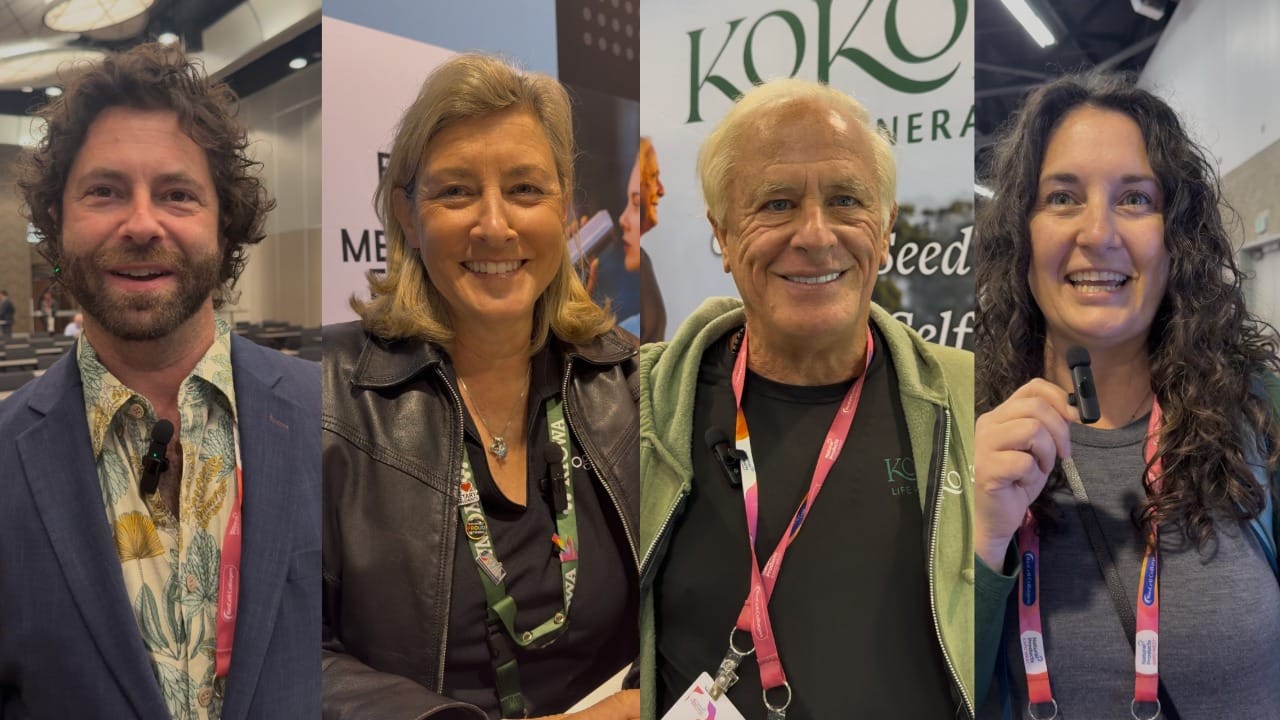
Sebastian Balcombe, CEO of Specnova, drew a clear distinction: "longevity as a lifespan quantification, whereas healthy aging doesn’t necessarily mean extending lifespan." His focus is on the quality of the years lived, regardless of the total number. "I just think the focus should be on living as healthy as you can, as deep into your age as you can, whatever that might be," Balcombe urged. This perspective challenges the sole pursuit of extended years if those years are not lived with robust health and well-being.
Luke Wayment, Senior Director of Global Formulations for Better Being Wellness Brands, echoed this sentiment with a concise definition: "Healthy aging is about living our best life for as long as we can." This emphasizes maximizing potential and quality throughout one’s lifespan.
Brad Buchholz, Vice President of Business Development for POM Wonderful, offered a practical framework by outlining "six pillars for healthy living": sleep, diet, exercise, hydration, stress management/mental well-being, and social interaction. Buchholz stressed the cumulative and compounding nature of these habits, drawing a parallel to financial planning. "You have to do those things through your entire life because all those work together, but they also compound," he explained. "It’s like your retirement plan. If you start saving when you’re 65, you’re not going to have that much money when you’re 66." This analogy underscores the long-term benefits of consistent, healthy practices.
Helen Christoni, co-creator of the women’s health supplement brand Make Time Wellness, highlighted the importance of a strong foundation. "I really think longevity comes down to foundation, making sure that our foundation is in place so we go out from a position of strength, knowing that we could live a long, healthy life," Christoni stated. She elaborated on the critical elements of this foundation: "It’s the food that we eat, it’s the supplements that we take, it’s the water that we drink, it’s the air that we breathe, really making sure they’re all as pure as possible so we can live a long, healthy life." This holistic view emphasizes environmental and nutritional factors as integral to a robust foundation for longevity.
Daniel Gagnon, President and Medical Herbalist for supplement brand Herbs, Etc., expressed a desire to maintain cognitive and physical faculties throughout life. "Longevity is more a length of time for me versus being able to be healthy," Gagnon clarified, placing a greater emphasis on the quantitative aspect of lifespan while still valuing the preservation of mental and physical capabilities.
Scientific and Market Implications
Jennifer Greer, N.D., a consultant and ingredient expert, approached the distinction from a scientific and regulatory standpoint. "How do you really make a claim on longevity? You can’t really design a clinical trial where you’re following people for 50, 60, 70 years and also you don’t know how long somebody’s going to live in the first place," Greer pointed out. This highlights the challenges in substantiating longevity claims through traditional clinical trial methodologies, which typically have shorter durations. The focus, therefore, often shifts to substantiating claims related to markers of aging or specific aspects of healthy aging, such as cellular health, mitochondrial function, or telomere length.
Todd Runestad, Chief Storytelling Officer for ingredient supplier NXT USA, posed a thought-provoking question that encapsulates the essence of healthy aging: "What if you can live for 99 years, 364 days of active, healthy living and then one really bad day?" This hypothetical scenario underscores the paramount importance of the quality of life experienced in the years leading up to its end. Runestad also emphasized the role of specific ingredients in supporting cellular wellness and mitochondrial health, recognizing their critical contribution to the broader goals of healthy aging. The growing scientific interest in mitochondrial function, cellular senescence, and epigenetic reprogramming is directly contributing to the development of new nutraceutical interventions aimed at these fundamental aging processes.
Ric Scalzo, Founder and CEO of supplement brand Kokora, identified three fundamental pillars for a long and healthy life: purpose, community, and movement. "I think personally these things, if you do them every day for the course of your life, you’ll add 10, 15, 20 years to your life. I’m sure of it," Scalzo asserted. His strong conviction points to the profound impact of psychosocial factors, often overlooked in purely physiological approaches to aging. The increasing body of research on social determinants of health and the impact of social isolation on mortality further validates Scalzo’s perspective.
The Evolving Landscape of Aging and Wellness
The conversations at Natural Products Expo West 2026 underscore a maturing understanding within the supplement industry and among consumers. The initial focus on simply extending lifespan is gradually giving way to a more nuanced appreciation for "healthspan"—the period of life spent in good health. This shift is driving innovation in product development, with companies increasingly investing in research and ingredients that support cellular repair, metabolic health, immune function, and cognitive vitality.
The expo also served as a barometer for market trends. The continued prominence of terms like "longevity" and "healthy aging" indicates a sustained consumer demand for products that promise not just a longer life, but a more fulfilling and vital one. As the science behind aging continues to evolve, and as regulatory bodies grapple with substantiating claims, the industry faces the ongoing challenge of clear, honest communication. The insights shared by these industry leaders suggest a path forward where longevity is viewed not merely as a biological endpoint, but as a holistic state of well-being achieved through conscious, lifelong choices, supported by both scientific innovation and fundamental human connections. The journey from "living longer" to "living healthier for longer" is clearly the defining narrative of the current wellness landscape.