





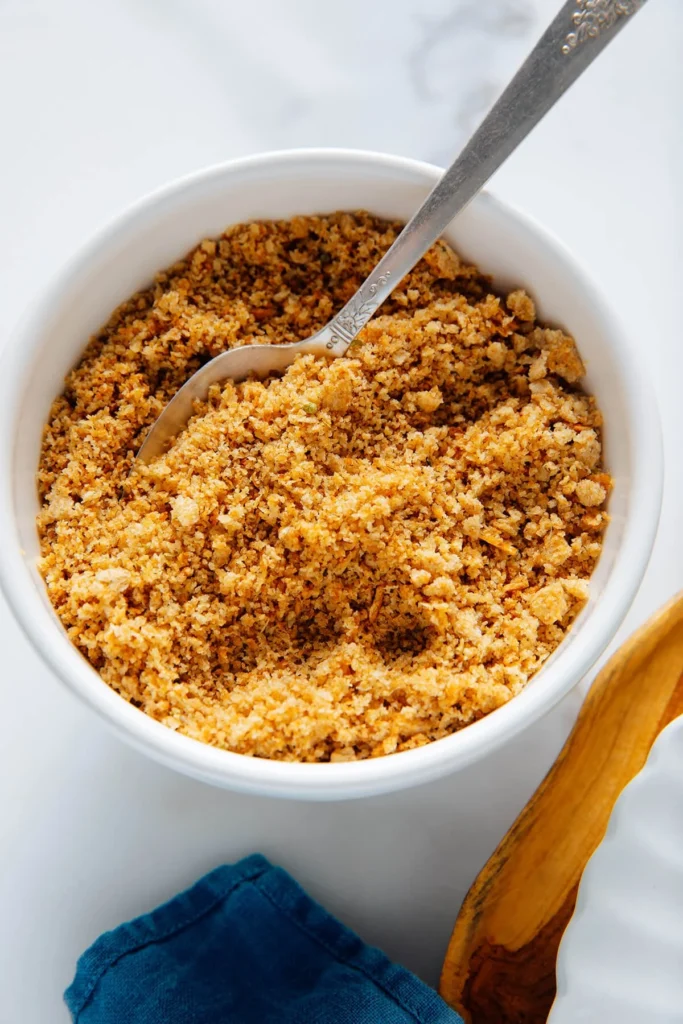
In an era increasingly focused on sustainability, mindful consumption, and the pursuit of authentic flavors, the humble act of making homemade breadcrumbs is experiencing a significant resurgence. Far from being a mere byproduct, these finely textured crumbs, crafted from stale or leftover bread, are emerging as a powerful tool in modern kitchens, offering unparalleled taste, economic advantages, and a crucial contribution to the global effort against food waste. This traditional practice, once a necessity born of frugality, has evolved into a conscious choice for discerning cooks and environmentally aware households alike, transforming what might otherwise be discarded into a versatile and impactful ingredient.
The culinary impact of homemade breadcrumbs is immediate and profound. Unlike their often bland, dry, and sometimes overly uniform store-bought counterparts, homemade crumbs boast a superior texture—crisp, airy, and golden—and a depth of flavor that reflects the quality of the original bread. This subtle yet significant difference can elevate a wide array of dishes, providing a perfect crisp finishing touch on casseroles, salads, and gratins, or forming the basis of a superior breading for various proteins. The ability to infuse these crumbs with optional seasonings, such as Italian herbs, garlic powder, or Parmesan cheese, further enhances their appeal, allowing home cooks to customize flavors and create an aromatic experience that can indeed evoke the inviting scents of a traditional Italian trattoria.
This simple preparation method underscores a broader movement towards scratch cooking and valuing ingredients from their most basic form. The process is remarkably straightforward, typically involving a food processor or blender to transform fresh or lightly stale bread into fine crumbs. The choice of bread—whether a robust, crusty sourdough, a wholesome whole wheat sandwich loaf, or a classic baguette—directly influences the final product’s character, allowing for personalized culinary expressions. This adaptability means that virtually any type of bread nearing its end can be repurposed, preventing it from becoming landfill fodder and instead giving it a new, flavorful life.


A Historical Perspective: The Enduring Legacy of Bread Preservation
The practice of transforming stale bread into crumbs is deeply rooted in culinary history, representing centuries of human ingenuity in the face of scarcity and a fundamental commitment to resourcefulness. Bread, often referred to as the "staff of life," has been a staple in diets across civilizations for millennia. Its perishable nature, however, meant that methods of preservation were essential to prevent waste and maximize its utility.
From ancient Roman times, where leftover bread was often dried and used to thicken stews or provide texture, to medieval Europe, where "sops" of stale bread were soaked in broth or wine, the concept of repurposing bread has been constant. The formalization of "breadcrumbs" as a distinct culinary ingredient likely evolved as cooking techniques became more refined and tools like graters and later, mechanical grinders, became available. In early modern European kitchens, breadcrumbs were indispensable for binding mixtures, providing crisp coatings for fried foods, and adding body to stuffings and puddings. This historical timeline reveals a consistent thread of valuing every morsel, a stark contrast to the often disposable culture that emerged with industrial food production.
The industrial revolution and the subsequent rise of packaged, processed foods in the 20th century saw a decline in many traditional home cooking practices, including the widespread making of breadcrumbs from scratch. Convenience became paramount, and commercially produced breadcrumbs, often made from less expensive, generic bread and lacking the nuanced flavor of homemade versions, filled the void. However, the 21st century has witnessed a renewed appreciation for heritage cooking methods, driven by a desire for healthier, more flavorful food and a growing awareness of environmental concerns. This cultural shift has propelled homemade breadcrumbs back into the spotlight, not just as a nostalgic endeavor but as a pragmatic and superior culinary choice.

Tackling Food Waste: An Environmental and Economic Imperative
The contemporary emphasis on homemade breadcrumbs is inextricably linked to the pressing global issue of food waste. According to various studies, including those by the Food and Agriculture Organization (FAO) of the United Nations, approximately one-third of all food produced globally for human consumption is lost or wasted. Bread and bakery products consistently rank among the most commonly wasted food items in households, contributing significantly to this staggering statistic. In many developed nations, bread products account for a substantial portion of avoidable household food waste, with figures often ranging from 15% to 25% of all wasted food.
The implications of this waste are far-reaching. Environmentally, food waste rotting in landfills generates methane, a potent greenhouse gas that contributes to climate change. The resources expended in producing, processing, transporting, and storing food that ultimately goes uneaten—water, energy, land, labor—are also squandered. Economically, food waste represents a significant financial drain on households, businesses, and national economies. For an average household, the cost of discarded food can amount to hundreds of dollars annually, a sum that accumulates substantially over time.
By transforming leftover or stale bread into breadcrumbs, individuals directly contribute to mitigating these issues. This simple act embodies the principles of a circular economy, extending the lifespan of a food product and extracting maximum value from it. The economic benefit is tangible: instead of purchasing new breadcrumbs, which incur a cost, households can utilize an item they already possess, saving money and reducing their grocery bill. This micro-level action, when aggregated across many households, has the potential for macro-level impact on food waste reduction and resource conservation.

The Craft of Crumb Making: Best Practices for Optimal Results
Achieving the best homemade breadcrumbs involves a few key considerations, distilled from generations of culinary wisdom and modern kitchen experimentation. The choice of equipment is flexible; while a food processor offers speed and consistency, a high-powered blender can also effectively break down bread into the desired fine texture. The goal is to process the bread until it forms tiny, uniform bits, ensuring an even toast and consistent crispness. If in doubt, processing for a slightly longer duration is advisable to avoid larger, uneven pieces.
A critical element in the process is the choice of fat for toasting. Culinary experts and home cooks alike often highlight butter over olive oil for this application. Butter, when melted and heated, contributes a rich, nutty flavor and promotes a superior crispness that olive oil struggles to match. Experiments have shown that breadcrumbs toasted in butter maintain their desirable crunch over time, whereas those prepared with olive oil can sometimes soften and clump more readily. The timing of adding the crumbs to the hot fat is also crucial: the butter should be hot enough to elicit a sizzle upon contact, indicating the optimal temperature for frying and achieving that coveted golden-brown hue.
Once toasted to perfection, the breadcrumbs require proper handling to preserve their crispness. Spreading them thinly on a plate or baking sheet immediately after cooking allows them to cool rapidly and evenly, halting the cooking process and preventing them from steaming and losing their crunch. This "breathing room" is essential for maximizing their textural appeal.

Contrary to some older recipes that suggest intentionally drying out bread overnight or baking it at low temperatures before processing, modern techniques demonstrate that this step is often unnecessary for most common bread types. Unless the bread is unusually moist or fresh from the oven, straight-from-the-store sandwich bread or even slightly stale loaves can be processed directly. This efficiency further streamlines the homemade breadcrumb process, making it more accessible for busy home cooks.
Expert Insights and Industry Reactions
The growing appreciation for homemade breadcrumbs aligns with broader trends championed by culinary professionals and food sustainability advocates. Chef Alice Waters, a pioneer of the farm-to-table movement, has long emphasized the importance of using fresh, seasonal ingredients and minimizing waste in the kitchen. While not specifically referencing breadcrumbs, her philosophy implicitly supports the repurposing of ingredients to their fullest potential. Similarly, organizations like ReFED and The Ugly Fruit and Veg Campaign highlight the vast quantities of edible food that go to waste, advocating for both systemic changes and individual actions like creative leftover utilization.
Food writers and cookbook authors increasingly feature recipes that incorporate homemade breadcrumbs, often praising their superior flavor and texture. "There’s a noticeable difference in how a homemade crumb adheres to food and the delightful crunch it delivers," noted a prominent food blogger in a recent culinary panel, echoing a sentiment shared by many in the gastronomic community. "It’s a small step that yields significant culinary rewards and contributes to a more mindful approach to cooking." Environmental sustainability experts also weigh in, emphasizing that such seemingly minor individual actions collectively form a powerful force against global food waste. "Every piece of bread saved from the bin is a victory," stated an advocate from a leading food waste charity, "demonstrating that sustainable living can be both delicious and achievable for everyone."

Versatility Beyond the Breading: Expanding Culinary Horizons
The utility of homemade breadcrumbs extends far beyond simply coating chicken cutlets or serving as a binder in meatballs. Their crispy texture and flavorful profile make them an incredibly versatile ingredient, capable of enhancing a diverse range of dishes.
- Casseroles and Gratins: As a golden, crunchy topping, they provide a delightful textural contrast to creamy, soft interiors in dishes like broccoli casserole, macaroni and cheese, or creamy roasted Brussels sprout and quinoa gratin. They form a protective layer that helps retain moisture while adding visual appeal.
- Pasta Dishes: A sprinkle of toasted breadcrumbs, often referred to as "poor man’s Parmesan" in Italian cuisine (pangrattato), can elevate simple pasta dishes. They add a savory crunch and depth of flavor, particularly beneficial in lighter pasta preparations where they can replace or complement cheese.
- Salads: Offering a lighter, often more flavorful alternative to croutons, breadcrumbs can provide a welcome crunch to salads. They distribute more evenly and integrate seamlessly into dressings, enhancing the overall sensory experience of a Caesar salad or a vibrant lemony kale salad.
- Vegetable Enhancements: Roasted or steamed vegetables, from asparagus to green beans, benefit immensely from a final flourish of toasted, seasoned breadcrumbs, adding texture and a savory note that can transform a side dish into a highlight.
- Soups and Stews: A small scattering on top of creamy soups or hearty stews before serving can introduce an unexpected textural element and a subtle richness.
- Desserts: While less common, fine breadcrumbs can be used in certain traditional desserts, especially those involving fruit crumbles or as a base for cheesecakes, providing a unique texture.
Beyond these specific applications, the improvisational cook finds endless possibilities. Ingredients such as roasted cauliflower, sautéed greens, baked fish, eggs (fried, scrambled, or poached), and even fresh cheeses like burrata or ricotta can be dramatically improved with a generous sprinkle of golden, seasoned crumbs. They act as a textural counterpoint, a flavor enhancer, and a visual garnish, proving that a small ingredient can indeed make a big impact.
The Broader Implications: A Shift in Culinary Philosophy

The quiet revolution of homemade breadcrumbs signifies more than just a culinary trend; it represents a deeper philosophical shift in how we approach food. It speaks to a growing collective consciousness that values sustainability, eschews waste, and seeks authenticity in flavor. By embracing this simple, traditional practice, individuals are not only improving the taste of their meals and saving money but are also actively participating in a global movement towards more responsible consumption.
This renewed interest in transforming humble leftovers into valuable ingredients reflects a broader cultural appreciation for home economics and self-sufficiency. It empowers individuals to take greater control over their food supply, understand the provenance and potential of ingredients, and reduce their environmental footprint one crumb at a time. The homemade breadcrumb, therefore, stands as a delicious and potent symbol of a more sustainable, flavorful, and mindful future in our kitchens and beyond.