

As the seasonal shift towards warmer weather approaches, a renewed focus on health and fitness often takes center stage. For many, this involves contemplating dietary adjustments, with weight management being a primary goal. However, successful and sustainable weight loss is not merely about calorie restriction; it is fundamentally about strategic food choices, particularly when it comes to snacking. Unprepared or impulsive snacking, especially during vulnerable times like late evenings, can significantly undermine even the most diligent efforts to maintain a calorie deficit and derail progress.
To navigate the often-confusing landscape of dietary advice, expert guidance is invaluable. Dr. Kezia Joy, RDN, a respected Medical Advisor with Welzo, offers clear, actionable recommendations for optimizing snack choices. Dr. Joy emphasizes that a select group of five snacks stands out as foundational for those committed to weight loss, offering a balance of nutrition, satiety, and convenience. These are not merely suggestions but cornerstone components of an effective dietary strategy.
The Pervasive Challenge of Mindless Snacking and Its Detrimental Impact
In contemporary society, the accessibility and marketing of convenience foods have cultivated a culture of frequent, often mindless, snacking. The typical snack aisle is replete with items high in refined carbohydrates, unhealthy fats, and excessive added sugars. These products, while palatable and readily available, offer minimal nutritional value and are designed for rapid consumption, contributing little to genuine satiety. The immediate gratification they provide is fleeting, often leading to a cycle of increased hunger, subsequent overeating, and a significant caloric surplus.
Research consistently links the high consumption of ultra-processed foods, which constitute a large proportion of common snack items, to rising rates of obesity, type 2 diabetes, and cardiovascular diseases. A 2021 study published in the British Journal of Nutrition indicated that individuals with a higher intake of ultra-processed foods tend to have poorer dietary quality and increased risk factors for chronic diseases. These snacks typically lack the essential macronutrients – protein, fiber, and healthy fats – that are critical for hunger regulation and sustained energy. Their rapid digestion leads to sharp spikes and subsequent crashes in blood glucose levels, triggering cravings and making it exceptionally difficult to adhere to a weight management plan.
Establishing a Foundation: The Three Pillars of Weight-Loss-Approved Snacks
Dr. Joy underscores that the most effective snacks for weight loss are built upon three essential nutritional components: protein, healthy fats, and fiber. These macronutrients work synergistically to promote satiety, stabilize blood sugar, and provide sustained energy, forming the bedrock of a successful dietary approach.
- Protein: Often considered the most satiating macronutrient, protein plays a crucial role in weight management. It stimulates the release of satiety hormones like peptide YY and cholecystokinin, signaling fullness to the brain and reducing overall food intake. Furthermore, protein has a higher thermic effect of food (TEF) compared to carbohydrates and fats, meaning the body expends more energy to digest and metabolize it. Adequate protein intake also helps preserve lean muscle mass during periods of caloric restriction, which is vital for maintaining a healthy metabolism.
- Fiber: This indigestible component of plant foods is a powerhouse for weight loss. Fiber adds bulk to food without adding significant calories, promoting a feeling of fullness. It slows down the digestion and absorption of nutrients, particularly carbohydrates, which helps to prevent rapid blood sugar spikes and crashes. Both soluble fiber (found in oats, beans, fruits) and insoluble fiber (found in whole grains, vegetables) contribute to digestive health, regulate bowel movements, and can influence gut microbiota composition, which has emerging links to weight regulation.
- Healthy Fats: While calorie-dense, healthy fats are indispensable for satiety and overall health. They slow gastric emptying, prolonging the feeling of fullness after eating. Essential fatty acids, particularly omega-3s, found in sources like nuts and seeds, play roles in hormone production, inflammation reduction, and brain function. When consumed in appropriate portions, healthy fats contribute to a satisfying snack that prevents overeating later.
Dr. Joy elaborates on the practical benefits: "Each [of these options] allows for quick preparation, can be easily incorporated into your daily routine, and will allow you to have a variety of options as you work on losing weight, and help keep you from feeling like you’re being deprived by eating a ‘snack.’ When you eat snacks that are good for you and allow you to meet your nutritional needs, but also limit the amount of calories you consume, you are more likely to continue to make good choices over time." This highlights the psychological aspect, where nutritious snacking can prevent feelings of deprivation that often lead to diet abandonment.
Dr. Kezia Joy’s Five Recommended Snacks for Optimal Weight Loss
Based on these principles, Dr. Joy has identified five go-to snack options that are both effective and practical for individuals aiming for sustainable weight loss:
-
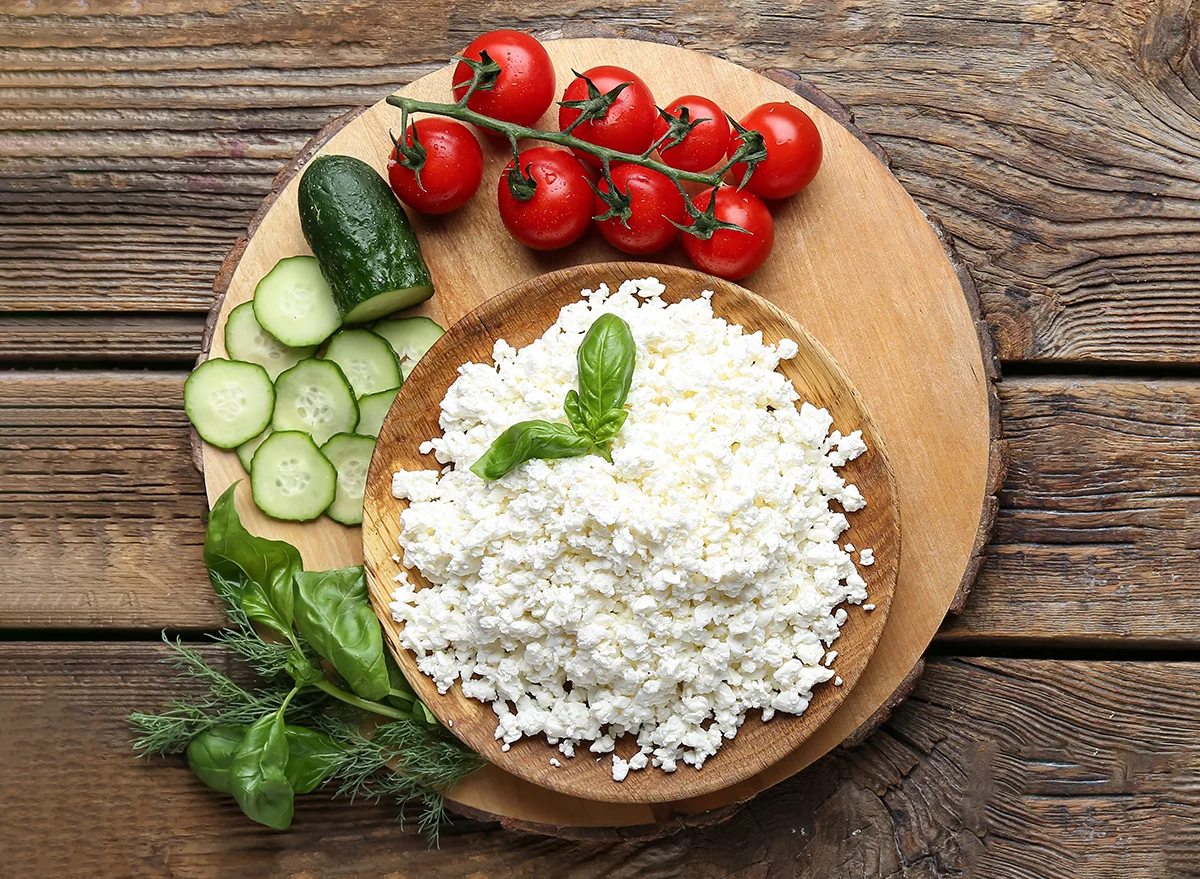
Cottage Cheese with Vegetables: Cottage cheese is an excellent source of high-quality protein, particularly casein, which digests slowly and provides a sustained release of amino acids. A typical half-cup serving can offer around 12-14 grams of protein, making it incredibly satiating. Pairing it with a medley of raw, crunchy vegetables such as cucumber slices, cherry tomatoes, bell pepper strips, or carrot sticks adds significant fiber, vitamins, and minerals. This combination provides a satisfying texture and a nutrient-dense profile that helps curb hunger for extended periods without excessive calories. The slight tang of cottage cheese complements the freshness of vegetables, making it an enjoyable and versatile snack.
-
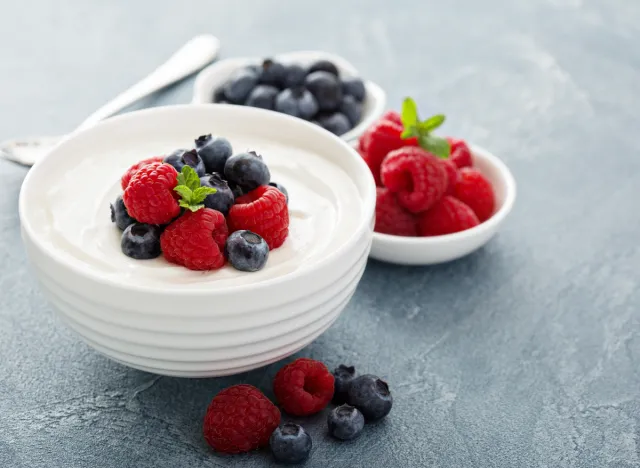
Greek Yogurt with Fresh Berries: Greek yogurt distinguishes itself from regular yogurt due to its higher protein content, often double that of conventional varieties, thanks to a straining process that removes much of the whey. A standard serving can deliver 15-20 grams of protein. When combined with fresh berries (strawberries, blueberries, raspberries, blackberries), this snack becomes a powerhouse of antioxidants, vitamins, and dietary fiber. The fiber in berries further slows sugar absorption, mitigating any potential blood sugar spike from the yogurt’s lactose. Opting for plain, unsweetened Greek yogurt is crucial to avoid hidden sugars that can negate its health benefits. The natural sweetness and vibrant colors of berries make this a delicious and visually appealing option.
-
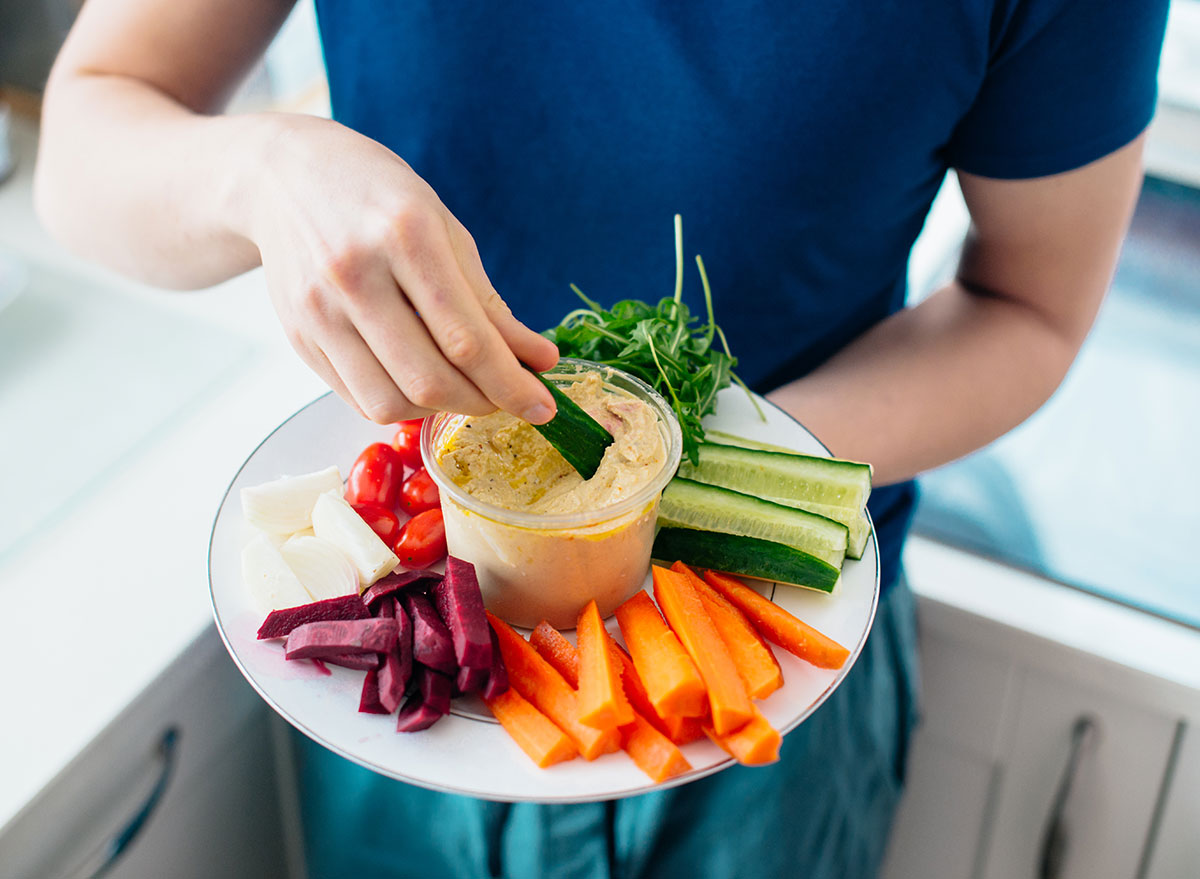
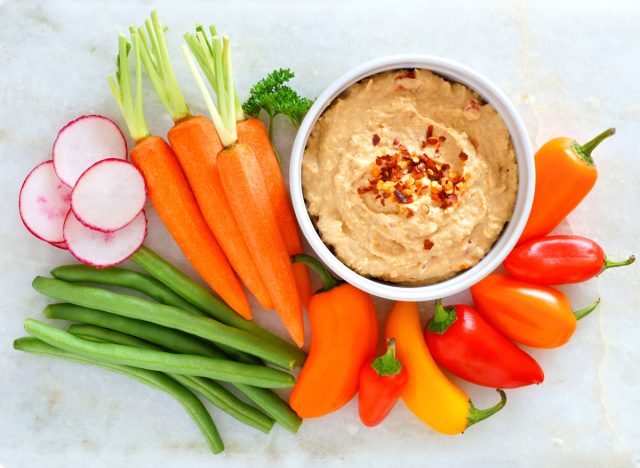
Hummus with Raw Vegetables: Hummus, a dip made from mashed chickpeas, tahini (sesame paste), olive oil, lemon juice, and garlic, is a fantastic plant-based source of protein, fiber, and healthy monounsaturated fats. Chickpeas provide both protein and complex carbohydrates, ensuring sustained energy release. When paired with a generous serving of raw vegetables like bell pepper strips, celery sticks, cucumber slices, broccoli florets, or snap peas, this snack delivers an impressive array of vitamins, minerals, and additional fiber. The crunch of the vegetables and the creamy texture of the hummus create a satisfying sensory experience, making it an excellent alternative to processed dips and crackers.
-
An Ounce of Nuts with a Piece of Fruit: This classic pairing combines healthy fats, protein, and fiber from nuts with the natural sugars, fiber, and micronutrients from whole fruit. A small handful (approximately one ounce) of nuts such as almonds, walnuts, pistachios, or cashews provides healthy fats, some protein, and fiber, contributing significantly to satiety. Due to their calorie density, portion control for nuts is essential. A piece of whole fruit like an apple, pear, orange, or a small banana offers natural sweetness along with dietary fiber, which helps regulate the absorption of fruit sugars and prevents a rapid blood glucose spike. This combination provides sustained energy and prevents cravings for less healthy sugary options.
-
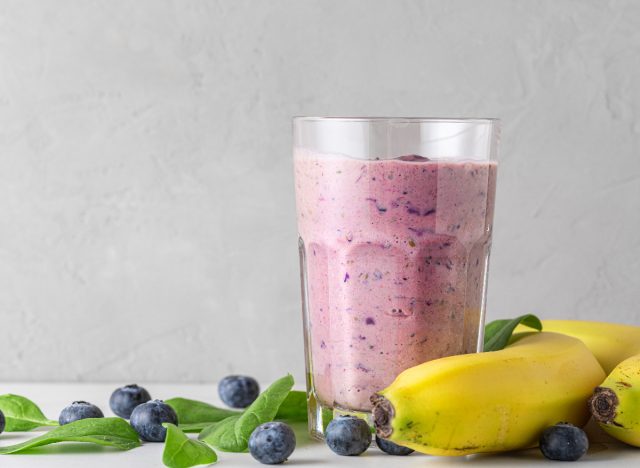
A Smoothie Using Whole Food Ingredients and Protein: While often perceived as healthy, smoothies can be calorie bombs if not constructed carefully. Dr. Joy emphasizes using whole food ingredients and protein. An ideal weight-loss smoothie includes a scoop of protein powder (whey, casein, or plant-based options like pea or rice protein) as its base. To this, add a generous portion of leafy greens (spinach, kale), a small amount of low-glycemic fruit (berries, half a banana), a source of healthy fats (chia seeds, flax seeds, a quarter of an avocado, or a tablespoon of nut butter), and an unsweetened liquid base (water, unsweetened almond milk, or coconut water). This composition ensures a high nutrient density, ample fiber, and sufficient protein to promote fullness and sustain energy without excessive sugars or calories.
The Science of Satiety and Stable Blood Glucose
These healthy snack options are not arbitrarily chosen; they are selected precisely because they are "chock-full of fiber and protein—both of which promote satiety and take longer to digest compared to other snacks." This physiological mechanism is crucial. When foods rich in fiber and protein are consumed, they remain in the stomach longer, contributing to a sustained feeling of fullness and reducing the desire to overeat at subsequent meals. This directly contributes to establishing more balanced eating habits and maintaining a calorie deficit.
Dr. Joy further elucidates the metabolic benefits: "These types of snack food can assist with maintaining consistent blood glucose levels, and consistent blood glucose levels are very important to regulate your hunger. The less your blood glucose levels fluctuate, the less you will experience hunger." This is a cornerstone of effective hunger management. Stable blood glucose levels prevent the dramatic peaks and valleys that typically follow the consumption of refined carbohydrates and sugars. These fluctuations trigger hormonal responses, such as insulin surges followed by crashes, which can lead to intense hunger pangs and cravings for more sugary, energy-dense foods. By keeping blood sugar steady, these snacks effectively disarm the physiological triggers for overeating and impulsive unhealthy choices. "If you are able to control your hunger with snack foods prior to consuming highly processed convenience foods, it may help to limit the amount of highly processed convenience foods you consume during the day."
Why Conventional Snacks Derail Weight-Loss Goals
The stark contrast between Dr. Joy’s recommended snacks and typical store-bought options lies in their nutritional composition and physiological impact. Many conventional snacks are formulated to be hyper-palatable, combining high levels of refined carbohydrates, unhealthy fats, and added sugars, often with artificial flavorings and preservatives. They are engineered to bypass natural satiety signals, making it easy to consume large quantities without feeling full.
As Dr. Joy aptly describes, "They’re easily digested, but do little to suppress our desire for additional food." This rapid digestion provides a quick burst of energy, followed by an inevitable crash, which then triggers the desire for more food, perpetuating a vicious cycle of overconsumption. These snacks are typically nutrient-poor, offering empty calories that contribute to weight gain without providing the essential vitamins, minerals, and macronutrients the body needs. "Another reason why the snacks I recommend are better than typical snacks is that they have a larger volume of nutrients per serving than typical snacks," Dr. Joy explains. "Most snack foods are designed so that we can eat too much of them with very little nutritional value. Therefore, when you choose to eat one of the snacks I recommend, the calories will provide satiety, or fullness." This distinction is critical: calories from nutrient-dense foods provide value, while calories from ultra-processed snacks often contribute only to energy surplus and metabolic stress.
The Strategic Importance of Snack Timing
Beyond what to eat, when to eat plays a significant role in effective weight management. Snack timing is a crucial, yet often overlooked, element of a balanced diet. Strategic snacking can act as a bridge between meals, preventing excessive hunger that often leads to overeating during main meals.
"Snacks at appropriate times may prevent an interval of time from one meal to another in which individuals are likely to consume excess calories due to a large gap in time since the last meal. Snacking maintains consistent levels of energy throughout the day," Dr. Joy states. A mid-morning snack, for instance, can help sustain energy levels until lunch, preventing the temptation to grab an unhealthy option when hunger strikes suddenly. Similarly, "A mid-afternoon snack will also help control energy crashes and reduce the likelihood that you’ll feel the need for sweet treats." This is particularly important for avoiding the common late-afternoon slump that often leads to reaching for sugary drinks or processed snacks.
The timing of evening snacking warrants particular attention. "Evening snacking should be purposeful (not routine) and based on your body’s need for food as opposed to just eating out of habit. Protein-based snacks are usually the best choice." This distinction between genuine hunger and habitual or emotional eating is vital. A small, protein-rich snack before bed, if genuinely hungry, can prevent disruptive hunger pangs without overloading the digestive system. However, frequent, unneeded late-night eating, especially of calorie-dense, low-nutrient foods, is a well-documented contributor to weight gain and poor sleep quality.
Broader Implications for Health and Well-being
The benefits of incorporating dietitian-approved snacks extend far beyond mere weight loss. By prioritizing nutrient-dense, satiating foods, individuals can experience a cascade of positive health outcomes:
- Stable Energy Levels: Consistent blood sugar regulation prevents energy spikes and crashes, leading to more sustained focus and productivity throughout the day.
- Improved Mood and Cognitive Function: A steady supply of nutrients and stable blood glucose supports brain health, potentially reducing irritability and improving concentration.
- Enhanced Gut Health: Fiber-rich snacks promote a healthy gut microbiome, which is increasingly recognized for its widespread impact on digestion, immunity, and even mood.
- Reduced Risk of Chronic Diseases: A diet rich in whole foods, protein, fiber, and healthy fats is protective against conditions like type 2 diabetes, heart disease, and certain cancers.
- Better Relationship with Food: By choosing satisfying and nourishing snacks, individuals can break free from cycles of restrictive dieting and subsequent binge eating, fostering a more mindful and sustainable approach to food.
In conclusion, as individuals embark on their weight management journeys, particularly with the inspiration of a new season, the strategic integration of dietitian-approved snacks offers a powerful, evidence-based pathway to success. By consciously choosing options rich in protein, fiber, and healthy fats, as recommended by Dr. Kezia Joy, individuals can effectively manage hunger, stabilize blood sugar, and contribute significantly to their overall health goals. This approach transcends simple calorie counting, fostering a holistic and sustainable transformation in dietary habits that yields long-term benefits for both weight and well-being.
