

As national health trends increasingly prioritize sustainable weight management and nutritional efficacy, wholesale retailers like Costco have emerged as pivotal resources for consumers seeking to align their grocery habits with wellness goals. The vast aisles of Costco, renowned for their bulk offerings and diverse product range, present a unique opportunity for individuals aiming to lose weight by focusing on foods rich in protein and fiber. This strategic approach, endorsed by leading dietary experts, not only promotes satiety and helps mitigate overeating but also supports lean muscle preservation and stable blood sugar levels, foundational elements for long-term health and successful weight loss.
The Foundational Principles of Weight Management: Protein, Fiber, and Mindful Choices

In the contemporary landscape of health and nutrition, the emphasis on caloric restriction alone is steadily being superseded by a more holistic understanding of macronutrient balance and food quality. According to Tara Collingwood, MS, RDN, CSSD, LD/N, ACSM-CPT, a Board Certified Sports Dietitian and co-author of the Flat Belly Cookbook for Dummies, effective weight loss hinges on three primary dietary considerations: prioritizing protein, maximizing fiber intake, and minimizing added sugars and highly processed foods.
Protein’s multifaceted role in weight management is well-documented. It is the most satiating of the macronutrients, meaning it helps individuals feel fuller for longer periods, thereby reducing the likelihood of excessive calorie consumption later in the day. Beyond its appetite-suppressing effects, adequate protein intake is crucial for preserving lean muscle mass during periods of caloric deficit. Muscle tissue is metabolically active, burning more calories at rest than fat tissue, making its preservation vital for maintaining a healthy metabolism. Scientific studies, such as those published in the American Journal of Clinical Nutrition, consistently demonstrate that higher protein diets are associated with improved body composition and greater weight loss success.
Fiber, the indigestible component of plant foods, complements protein in promoting satiety and regulating physiological processes essential for weight control. Soluble fiber, found in oats, berries, and certain vegetables, forms a gel-like substance in the digestive tract, slowing down gastric emptying and nutrient absorption. This not only prolongs feelings of fullness but also helps to stabilize blood glucose levels, preventing sharp spikes and subsequent crashes that can trigger cravings. Insoluble fiber, prevalent in whole grains and many vegetables, adds bulk to stool, promoting regular bowel movements and contributing to overall digestive health. A meta-analysis in The Lancet highlighted that increased dietary fiber intake is strongly correlated with reduced body weight and lower risk of non-communicable diseases.
Finally, Collingwood underscores the importance of steering clear of foods high in added sugars and those that are minimally processed. Added sugars contribute "empty calories" — calories that provide little to no nutritional value and fail to satisfy hunger, often leading to a cycle of increased consumption and weight gain. Highly processed foods, often engineered for hyper-palatability, frequently contain excessive amounts of sugar, unhealthy fats, and sodium, and are typically low in beneficial nutrients like protein and fiber. Opting for whole, unprocessed foods naturally limits exposure to these detrimental components, fostering a diet that supports sustained energy and effective weight management.
Costco’s Top 9 Picks for a Health-Conscious Cart
Leveraging these scientific principles, Costco offers an extensive array of products that align perfectly with weight loss objectives. Collingwood identifies nine specific items that stand out for their high protein, high fiber, and minimal processing attributes, making them ideal additions to any health-focused shopping list.
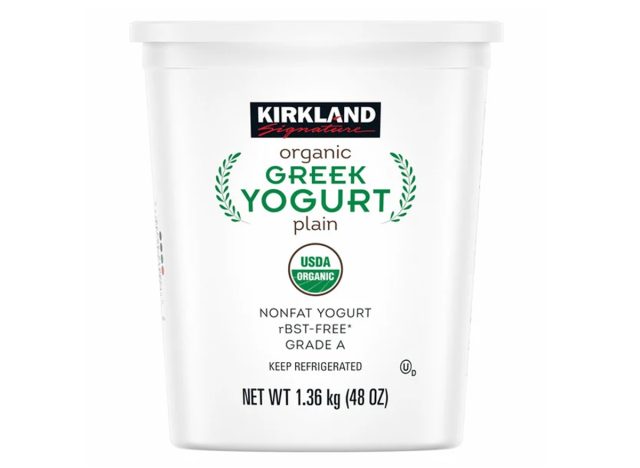
1. Kirkland Signature Organic Greek Nonfat Yogurt
Greek yogurt is a powerhouse of protein, making it an excellent choice for breakfast or a satisfying snack. Kirkland Signature’s Organic Greek Nonfat Yogurt is a prime example. With its thick texture and significant protein content (often around 15-20 grams per serving), it contributes substantially to satiety and muscle maintenance. Beyond protein, Greek yogurt often contains beneficial probiotics, which support gut health – an increasingly recognized factor in metabolic function and weight regulation. Its versatility allows for various preparations: enjoyed plain, mixed with frozen berries and a sprinkle of rolled oats, or used as a base for savory dips and sauces, replacing higher-fat alternatives. For those seeking even higher protein concentrations, Collingwood also highlights the availability of Chobani’s 20-gram protein individual cups, offering a convenient, pre-portioned option for on-the-go nutrition.
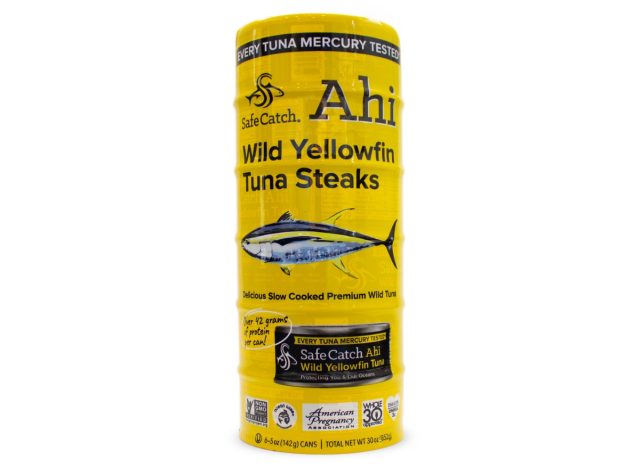
2. Safe Catch Ahi Tuna
Canned fish, often overlooked, offers a convenient and nutrient-dense protein source. Safe Catch Ahi Tuna is particularly recommended due to its rigorous mercury testing protocols, ensuring a lower mercury content compared to many other brands. Tuna provides lean protein, essential for muscle repair and satiety, and is a source of omega-3 fatty acids, which are vital for brain health and reducing inflammation, though in smaller amounts than fattier fish like salmon. Its long shelf life makes it an ideal pantry staple for quick salads, tuna melts on whole-grain bread, or incorporated into grain bowls with plenty of vegetables.
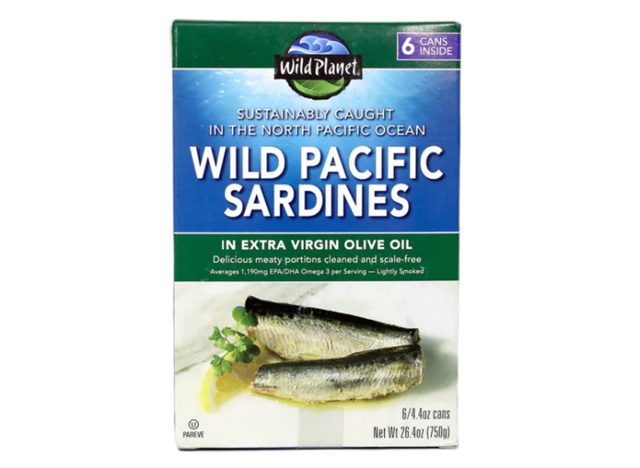
3. Wild Planet Wild Pacific Sardines
Sardines, while perhaps not a universal favorite, are a nutritional marvel and an incredibly sustainable seafood choice. Wild Planet Wild Pacific Sardines are lauded for their exceptional omega-3 fatty acid content (EPA and DHA), which are potent anti-inflammatory agents crucial for cardiovascular health, cognitive function, and potentially metabolic regulation. They are also an excellent source of vitamin D and calcium, supporting bone health. The combination of protein and healthy fats in sardines contributes significantly to satiety, making them a highly effective food for weight loss. They can be enjoyed directly from the can, on whole-grain crackers, or mashed into a savory spread.
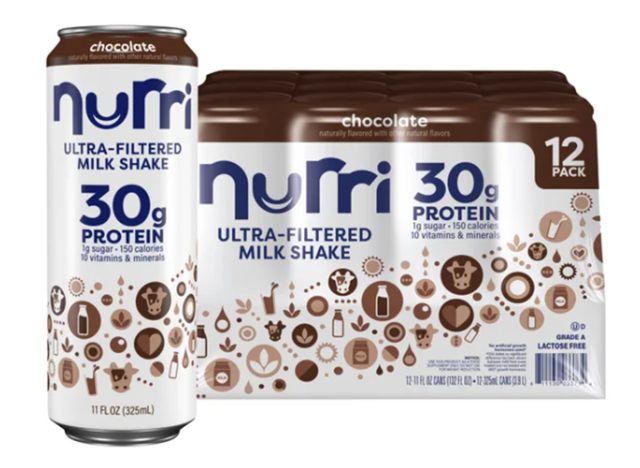
4. Nurri Protein Milkshakes
For busy individuals or those needing a quick protein boost, ready-to-drink protein shakes can be invaluable. Collingwood points to Nurri Protein Milkshakes as a favored option at Costco. These convenient shakes, often delivering around 30 grams of protein, can effectively curb cravings between meals or serve as a post-workout recovery aid. The key lies in choosing brands with minimal added sugars and artificial ingredients, focusing on a clean protein source. While not a replacement for whole foods, they offer a practical solution for meeting daily protein targets, especially when time is limited.
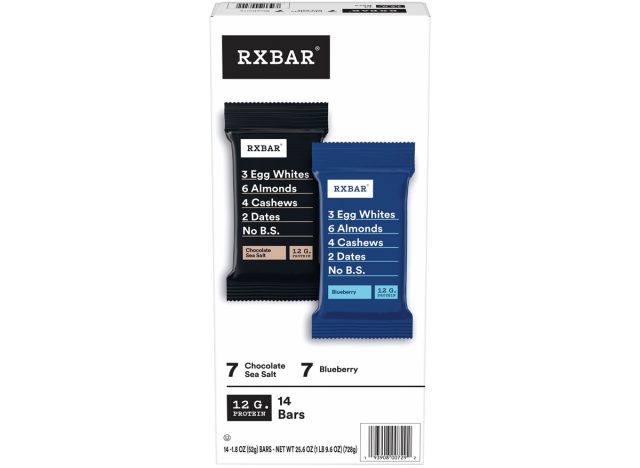
5. RX Bars
Many protein bars are laden with added sugars and highly processed ingredients, negating their purported health benefits. RX Bars, however, stand out as a "real-food ingredient" protein bar. Their ingredient lists are notably short and transparent, typically consisting of egg whites for protein, dates for natural sweetness and fiber, and nuts for healthy fats and additional fiber. This combination of protein and fiber makes them an excellent choice for a satiating snack that helps bridge the gap between meals without resorting to less healthy options. Their convenience makes them perfect for gym bags, desks, or travel.
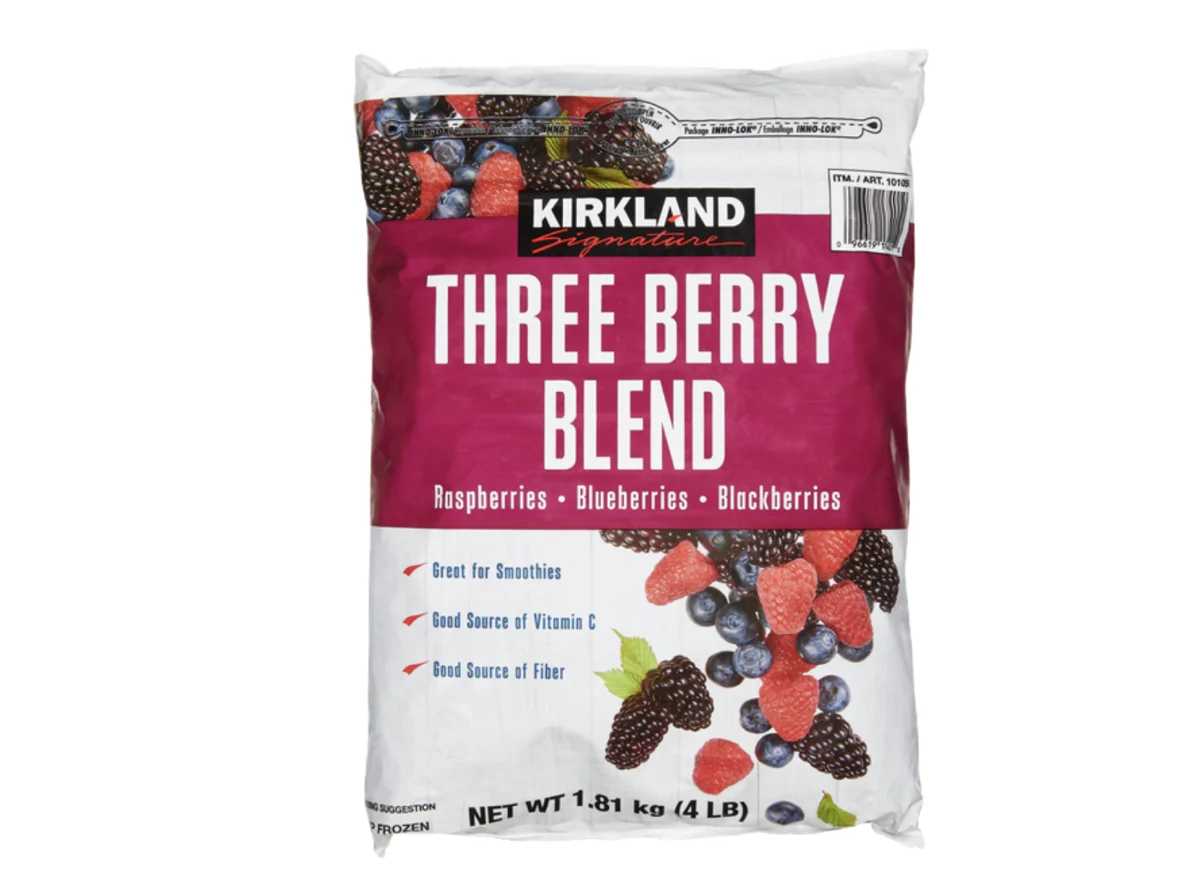
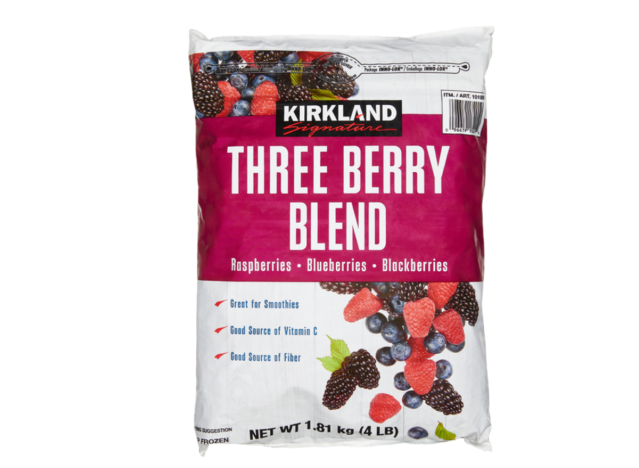
6. Frozen Organic Berries
Berries are nutritional powerhouses, rich in fiber, vitamins, and antioxidants. Costco’s range of frozen organic berries, including Kirkland Signature’s own blends or other organic brands like Nature’s Path, are highly recommended. Freezing preserves their nutritional integrity and makes them available year-round at a cost-effective price point. Their high fiber content, coupled with natural sugars, provides sustained energy without the blood sugar spikes associated with processed sweets. They are perfect for smoothies, stirred into oatmeal or Greek yogurt, or even lightly thawed as a topping for healthy desserts.
7. Rolled Oats
A staple in many healthy diets, rolled oats are an exceptionally versatile and economical whole grain. Kirkland Signature Whole Grain Rolled Oats provide a substantial source of soluble fiber, particularly beta-glucan, which is well-known for its cholesterol-lowering properties and its ability to promote satiety. Starting the day with a bowl of oatmeal can help stabilize blood sugar and keep hunger at bay for hours. Beyond breakfast, rolled oats can be used in homemade granola, energy bites, or as a binding agent in lean meatloaf or veggie burgers, significantly boosting the fiber content of meals.
8. Frozen Salmon or Chicken Breasts
Lean protein sources are fundamental to any weight loss strategy. Costco’s selection of frozen salmon or chicken breasts, whether Kirkland Signature or reputable brands like Trident Seafoods, offers an easy and convenient solution for meal preparation. Freezing allows for bulk purchase and extended storage, minimizing food waste and ensuring a readily available protein source. Salmon is particularly beneficial due to its high content of omega-3 fatty acids, which contribute to heart health and may help reduce inflammation, while chicken breasts offer a classic, low-fat protein option. These can be quickly thawed and cooked for balanced weeknight meals, serving as the centerpiece for salads, stir-fries, or alongside roasted vegetables.
9. Kirkland Signature Chunk Chicken Breast
For ultimate convenience without compromising on lean protein, Kirkland Signature Chunk Chicken Breast in a can is an excellent pantry item. This pre-cooked chicken breast offers a quick and easy protein addition to any meal, ideal for days when cooking time is scarce. It can be effortlessly incorporated into salads, sandwiches, wraps, or quick soups. Collingwood notes its minimal fat content, making it a lean choice that supports weight loss goals while offering maximum efficiency in meal preparation.
Broader Implications and Strategic Shopping
The availability of such nutrient-dense, weight-loss-friendly options at Costco carries significant implications for public health and personal finance. Buying in bulk at a warehouse club like Costco often translates to lower unit costs, making healthy eating more accessible and affordable for families and individuals. This economic advantage can be a powerful motivator for sustaining healthy dietary habits over the long term.
Furthermore, integrating these items into a comprehensive meal plan empowers consumers to take control of their nutrition. By having a well-stocked pantry and freezer with protein-rich and fiber-filled staples, individuals can significantly reduce their reliance on less healthy, convenience-driven food choices. This proactive approach to grocery shopping and meal preparation is a cornerstone of successful and sustainable weight management, fostering not just weight loss but overall improved health and well-being.
The ongoing trend towards health-conscious consumerism is reflected in the evolving product lines at major retailers. Costco’s commitment to offering organic, minimally processed, and nutritionally beneficial items aligns with a growing demand for transparency and quality in food sourcing. This collaboration between consumer demand and retail supply creates a positive feedback loop, encouraging more manufacturers to produce and distribute healthier food options.
In conclusion, navigating the expansive aisles of Costco with a strategic, health-focused mindset can transform grocery shopping from a routine chore into a proactive step toward achieving weight loss and wellness goals. By prioritizing the expert-recommended blend of high-protein, high-fiber, and minimally processed foods, consumers can leverage Costco’s unique offerings to build a foundation for a healthier, more vibrant lifestyle, demonstrating that bulk buying can indeed be a smart move for sustainable health.
