





Chicago is slated to become the epicenter of global endocrinology from June 13 to June 16, 2026, as the Endocrine Society brings its flagship annual meeting, ENDO 2026, to the McCormick Place West convention center. This prestigious gathering is expected to draw more than 7,200 clinicians, researchers, and medical professionals from across the globe, transforming the "Windy City" into a hub for cutting-edge hormone research and clinical practice. As one of the largest and most influential conferences in the field of internal medicine, ENDO serves as a critical platform for the dissemination of groundbreaking scientific discoveries, the introduction of novel therapeutic interventions, and the fostering of international collaborations that drive the future of endocrine health.
The selection of Chicago as the host city underscores the scale and importance of the event. Utilizing McCormick Place West, one of the premier convention facilities in North America, the meeting will provide a sophisticated infrastructure capable of supporting the complex logistical requirements of a multi-day scientific symposium. The event arrives at a pivotal moment for the field of endocrinology, as the global healthcare community continues to grapple with rising rates of metabolic disorders, thyroid conditions, and hormonal cancers, necessitating a unified and high-level response from the scientific community.
A Comprehensive Framework for Scientific Exchange
The core objective of ENDO 2026 is to provide an intensive educational experience that bridges the gap between basic laboratory research and clinical application. The 2026 program is structured to offer more than 200 distinct sessions, encompassing a vast array of topics within hormone science. These sessions are meticulously curated to ensure that attendees, ranging from senior investigators to residents and medical students, find relevant and high-value content.
The programming is traditionally organized into specialized tracks to facilitate efficient navigation of the massive schedule. These tracks typically include:
- Basic Science: Focusing on molecular mechanisms, cellular signaling, and genetic foundations of endocrine systems.
- Clinical Science: Highlighting the latest results from clinical trials and longitudinal studies.
- Clinical Practice: Providing practical, evidence-based guidelines for the diagnosis and management of endocrine disorders.
- Translational Research: Examining the process of moving laboratory findings into real-world medical treatments.
- Nursing and Allied Health: Addressing the collaborative care models essential for patient management.
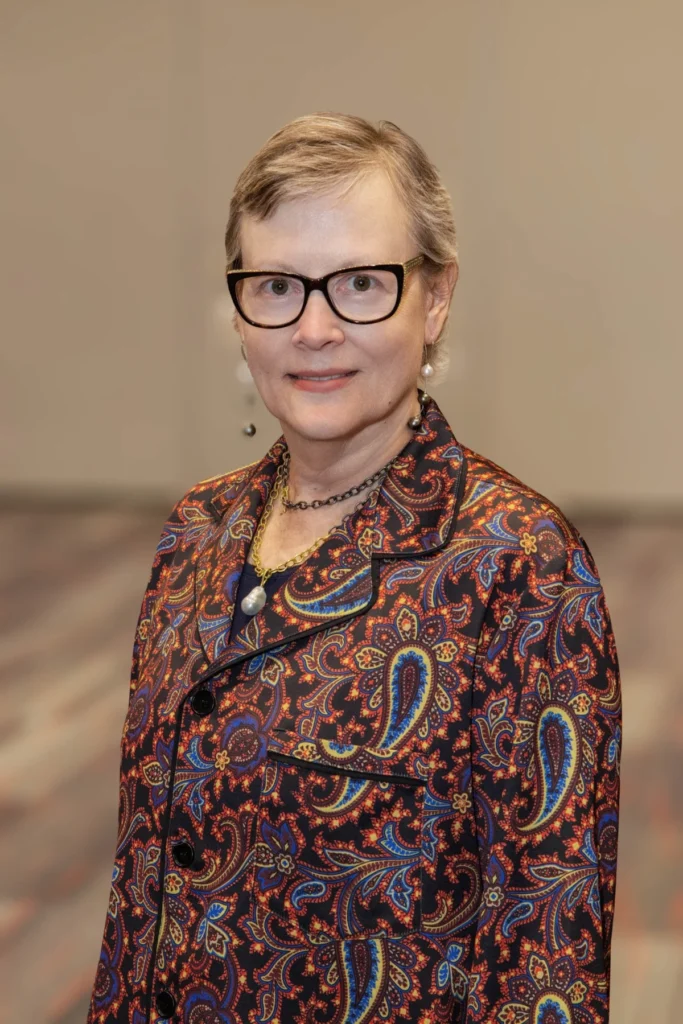
One of the highly anticipated highlights of the 2026 meeting is the "Meet the Scientist" session featuring Keith Yamamoto, PhD. Scheduled for Saturday, June 13, from 3:30 PM to 4:15 PM CT, Dr. Yamamoto’s presentation, titled “How Did I Get Here? A Career Perspective from a Basic Scientist,” is expected to draw a significant audience. As the Vice Chancellor for Science Policy and Strategy and Vice Dean for Research at the University of California, San Francisco (UCSF), Dr. Yamamoto brings a wealth of experience in both high-level research and the administrative navigation of scientific policy. His insights are particularly valuable for early-career researchers looking to understand the intersection of laboratory science and institutional leadership.
The ENDOExpo: A Marketplace of Innovation
Beyond the lecture halls, the ENDOExpo serves as the heartbeat of the conference’s physical footprint. The 2026 exposition hall will host over 100 exhibitors, ranging from major pharmaceutical corporations to emerging biotech startups and medical device manufacturers. This environment allows clinicians to interact directly with the latest technologies, including advanced glucose monitoring systems, hormone replacement delivery mechanisms, and diagnostic imaging tools.
The Expo hall also serves as the venue for Science & Innovation Theaters and Industry Connect sessions. These formats offer a more interactive and commercial perspective on the field, allowing industry leaders to showcase how their products are translating scientific theory into clinical tools.
Central to the Expo experience is the massive poster session area, which is expected to feature nearly 2,000 poster abstracts. These posters represent the vanguard of scientific discovery, often presenting the very first public look at new data. For many young researchers, the poster session is a career-defining moment, providing them with the opportunity to defend their findings before a global audience of peers and mentors. To enhance this experience, the 2026 meeting will continue the tradition of self-guided Poster Highlight Tours, which direct attendees to the highest-scoring research submissions as determined by a panel of expert reviewers.
Chronology of Key Events
The schedule for ENDO 2026 is designed to maximize networking and learning opportunities over a concentrated four-day period, with pre-conference activities beginning even earlier.
- Friday, June 12: The proceedings begin with the International Welcome Reception from 6:00 PM to 7:00 PM CT. This event is vital for establishing the global scope of the meeting, allowing international delegates to synchronize their objectives for the coming days.
- Saturday, June 13: The official first day of programming includes the opening plenary sessions and the aforementioned career perspective by Dr. Keith Yamamoto. The ENDOExpo typically opens its doors on this day, initiating the high-energy exchange between industry and academia.
- Sunday, June 14: The day begins early with the ENDO 2026 5K Fun Run/Walk at 6:00 AM CT. This event emphasizes the society’s commitment to health and wellness. Scientific sessions continue throughout the day, focusing on major clinical updates in diabetes and obesity management.
- Monday, June 15 – Tuesday, June 16: The final two days focus on deep-dive symposia and the presentation of late-breaking clinical trial results. These sessions often generate significant media attention as they may signal upcoming changes in standard-of-care protocols.
Supporting Data and Medical Context
The significance of ENDO 2026 is amplified by the current global health landscape. According to the International Diabetes Federation, approximately 537 million adults are currently living with diabetes, a number expected to rise to 783 million by 2045. Furthermore, endocrine-disrupting chemicals (EDCs) have become a major focus of environmental health research, with the Endocrine Society frequently advocating for stricter regulations based on scientific evidence.
The 200+ sessions at ENDO 2026 are expected to address these and other pressing issues, such as:
- Obesity Medicine: The emergence of GLP-1 receptor agonists and their impact on metabolic health.
- Thyroid Health: Advances in treating thyroid nodules and managing autoimmune thyroid diseases.
- Reproductive Endocrinology: New insights into PCOS (Polycystic Ovary Syndrome) and fertility preservation.
- Bone Health: Updates on osteoporosis treatments and the role of Vitamin D and calcium metabolism.
The presence of 7,200 experts in Chicago suggests a high density of intellectual capital. Data from previous ENDO meetings indicate that a significant percentage of attendees (often over 40%) come from outside the United States, representing more than 90 countries. This international diversity is crucial for addressing diseases that do not respect national borders.
Professional Development and Networking
A recurring theme of the ENDO conference is the "life-changing value of networking." The meeting is intentionally designed to break down the silos between different scientific disciplines. The ENDO Mentor Program is a cornerstone of this effort, pairing seasoned veterans of the field with students and early-career professionals. This shadowing opportunity allows for the transfer of institutional knowledge and the development of professional relationships that can last for decades.
In addition to formal mentoring, the "Bark Park" has become a popular fixture of the ENDOExpo. This wellness-focused area, featuring therapy dogs, serves as a mental health break for attendees navigating the dense scientific program. It reflects a broader trend in medical conferences to recognize the importance of attendee well-being and the mitigation of "conference fatigue."
Official Perspectives and Broader Impact
While official statements regarding the 2026 meeting emphasize the excitement of returning to Chicago, the underlying sentiment among Society leadership is one of responsibility. The Endocrine Society, founded in 1916, is the world’s oldest and largest organization devoted to hormone research and the clinical practice of endocrinology. For the Society, ENDO 2026 is not just a meeting but a manifestation of its mission to advance hormone health and the public’s understanding of the endocrine system.
The broader impact of the meeting extends to the host city itself. Large-scale medical conventions like ENDO provide a significant economic boost to Chicago’s hospitality, transport, and service sectors. Furthermore, the presence of thousands of scientists often leads to local community engagement, including public health outreach and collaborations with Chicago’s own world-class medical institutions, such as the University of Chicago and Northwestern University.
Analysis of Implications
The return to an in-person, large-scale format in Chicago signifies the enduring importance of physical proximity in scientific advancement. While virtual components may exist, the "hallway conversations" and spontaneous collaborations that occur at McCormick Place are difficult to replicate in a digital environment.
The focus on sessions like Dr. Yamamoto’s career perspective also suggests an industry-wide recognition of the need for better science communication and policy engagement. As endocrine disorders become increasingly linked to public policy issues—such as food labeling, environmental regulations, and healthcare access—the role of the endocrinologist is expanding from the clinic to the public square.
Ultimately, ENDO 2026 stands as a testament to the collaborative nature of modern medicine. By bringing together the best minds in hormone science, the event ensures that the latest research does not remain confined to academic journals but is instead translated into better outcomes for patients worldwide. As June 2026 approaches, the global endocrine community looks toward Chicago as the site where the next decade of medical progress may well be defined.