



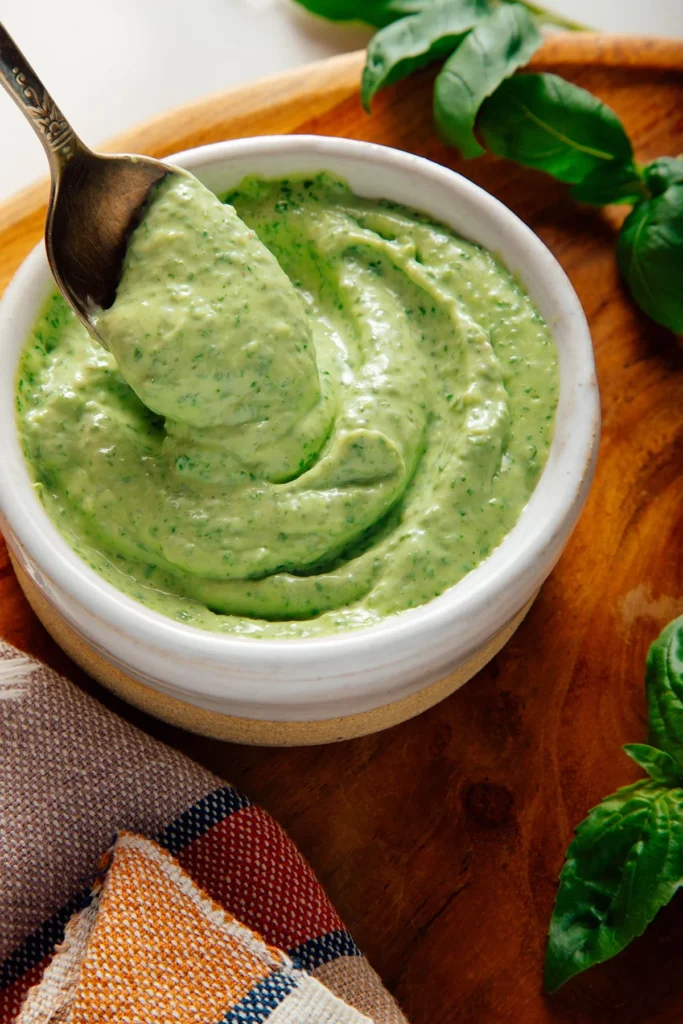
The culinary landscape is continually evolving, with simple yet profoundly versatile condiments often catalyzing new trends in home cooking and professional kitchens alike. One such recent highlight is the creamy basil sauce, a vibrant, fresh concoction gaining traction for its ease of preparation and broad applicability. Positioned as a contemporary alternative to traditional pesto or a lighter, herbaceous variant of aioli, this sauce capitalizes on the seasonal abundance of fresh basil, transforming it into a luxurious, tangy spread that elevates an array of dishes. Its rapid ascent in popular culinary discourse underscores a broader consumer appetite for convenient, flavorful solutions that harness the peak freshness of seasonal ingredients.
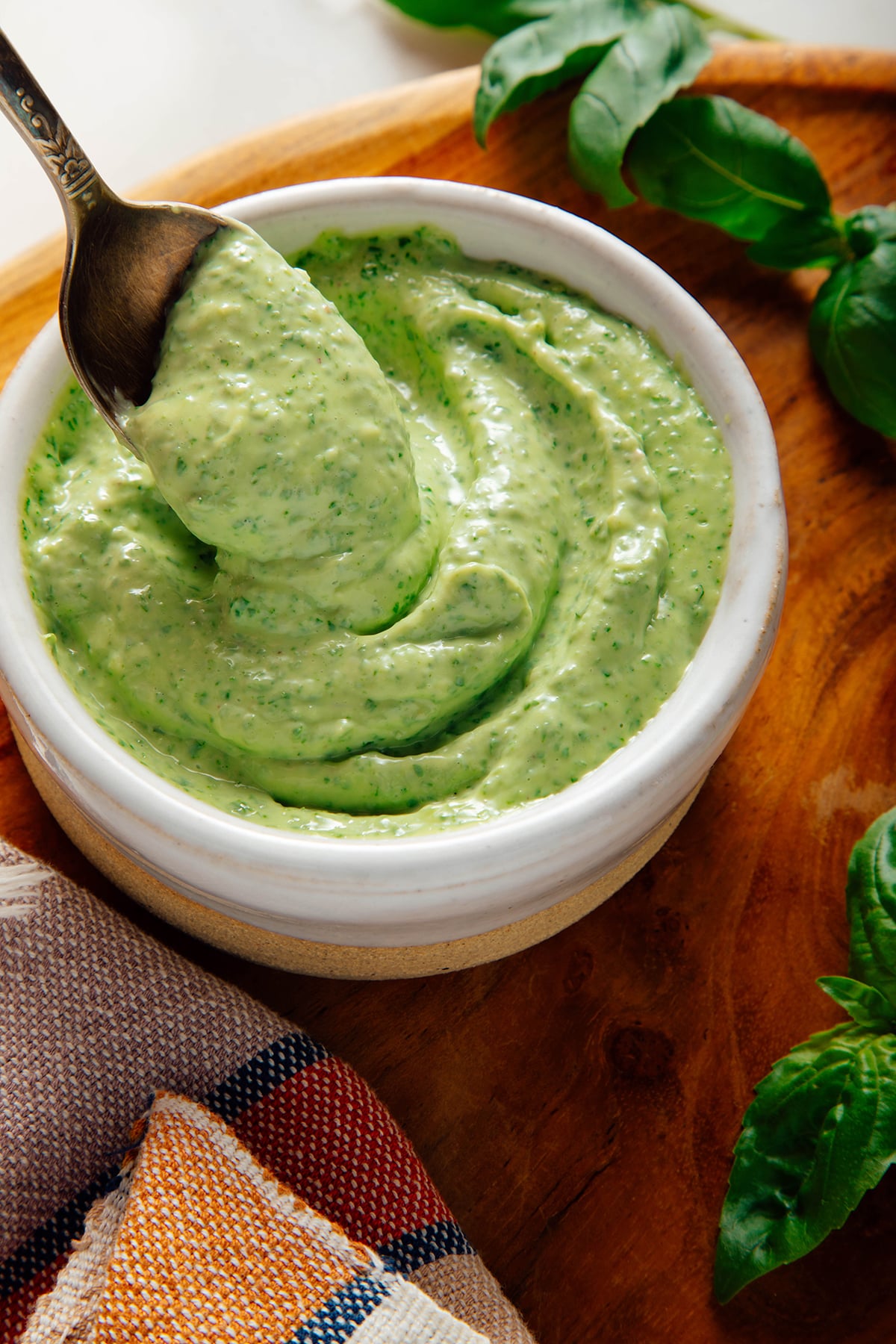
Historical Context and Culinary Evolution
Basil, derived from the Greek word "basileus" meaning "king," has a storied history spanning millennia, revered for its aromatic qualities and medicinal properties. Originating in India, its cultivation spread across Asia and into the Mediterranean, becoming a cornerstone of Italian and French cuisine. The herb’s distinctive sweet, peppery, and slightly anise-like flavor profile has long made it a favored ingredient in both savory and sweet preparations. Traditionally, basil’s most famous culinary application has been pesto, an emulsified sauce hailing from Genoa, Italy, comprising basil, pine nuts, garlic, Parmesan cheese, and olive oil. However, the creamy basil sauce represents a departure, offering a distinct textural and flavor profile by incorporating mayonnaise as its base, a move that broadens its appeal and versatility beyond the confines of pasta.

Mayonnaise itself boasts a rich history, believed to have originated in the 18th century, with its creamy emulsion of oil, egg yolk, and an acidic agent (typically vinegar or lemon juice) becoming a global condiment staple. The fusion of fresh basil with mayonnaise is not entirely novel; variations have existed in regional cuisines, often under the umbrella of herbed aiolis or dressings. However, the current popularization of a dedicated "creamy basil sauce" signifies a deliberate culinary trend toward simplicity, freshness, and adaptability. This particular iteration, drawing inspiration from dishes like the basil dip served with French fries at establishments such as the French Market in Kansas City, illustrates how classic flavors are continually reinterpreted and refined for modern palates, demonstrating a subtle yet significant evolution in condiment culture.
The Anatomy of a Modern Condiment
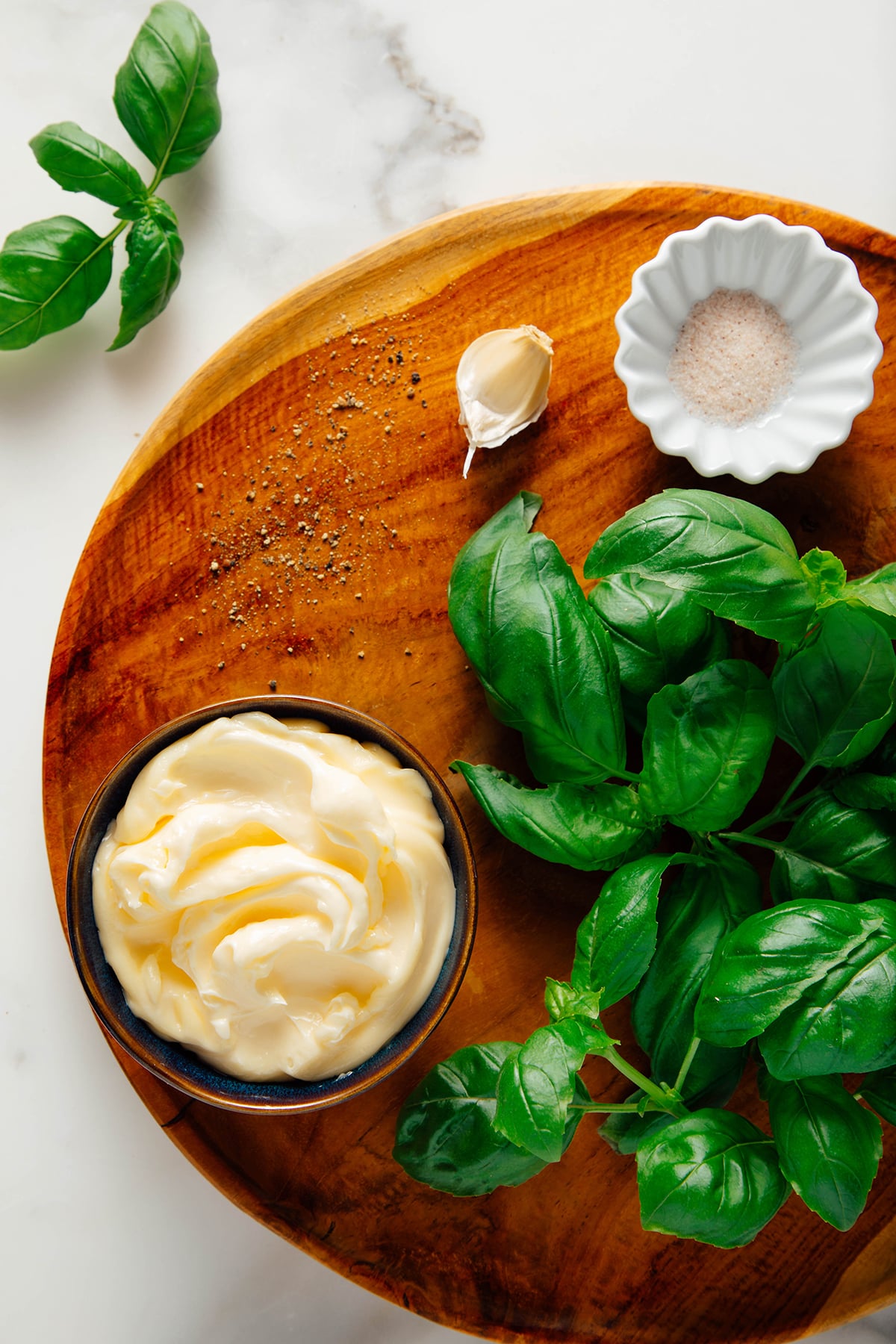
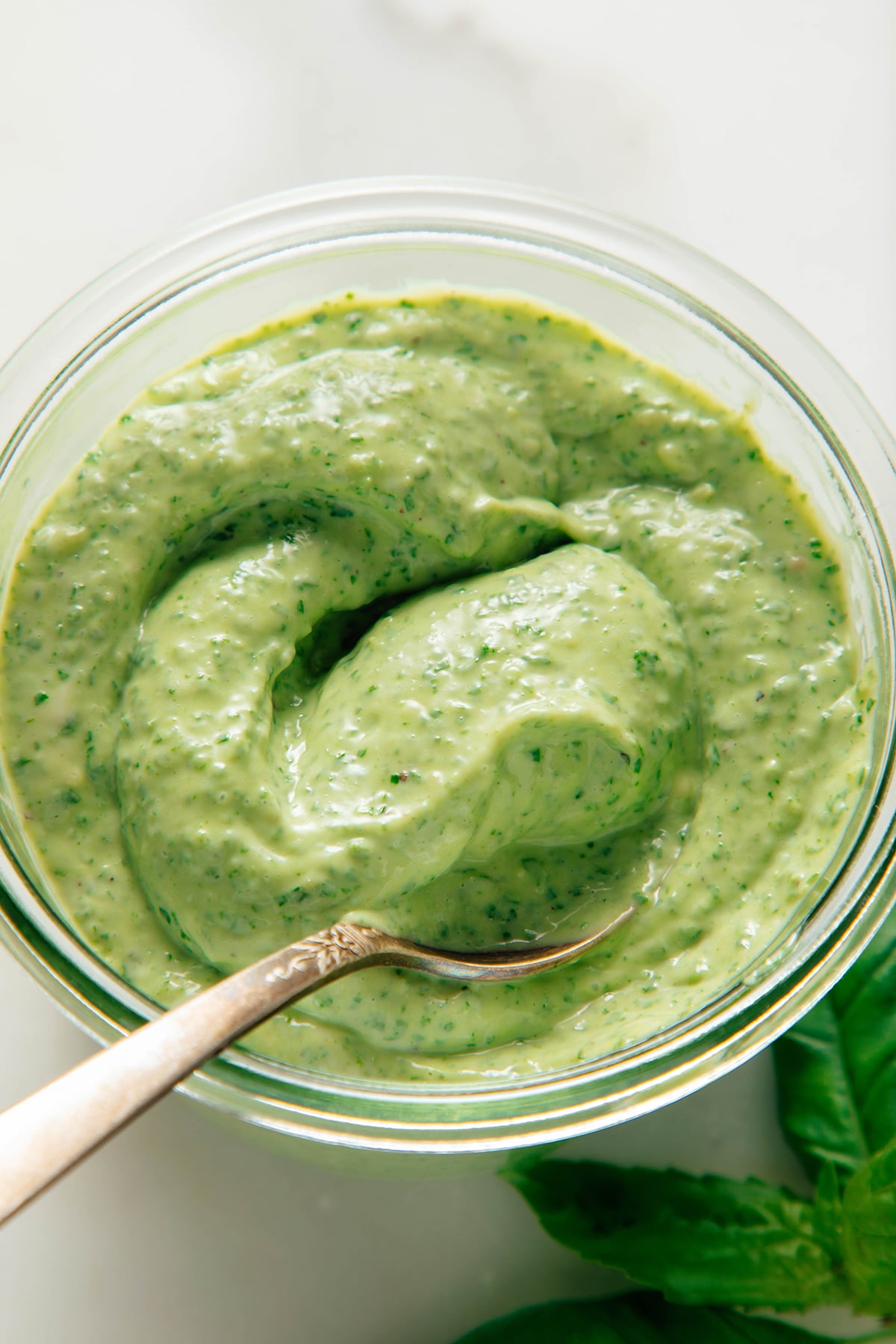
The appeal of creamy basil sauce lies in its straightforward composition, leveraging readily available ingredients to produce a complex flavor. The core components include fresh basil, a single clove of garlic, mayonnaise, and seasonings of salt and black pepper. This minimalistic approach is a hallmark of contemporary culinary trends that prioritize ingredient quality and ease of preparation.
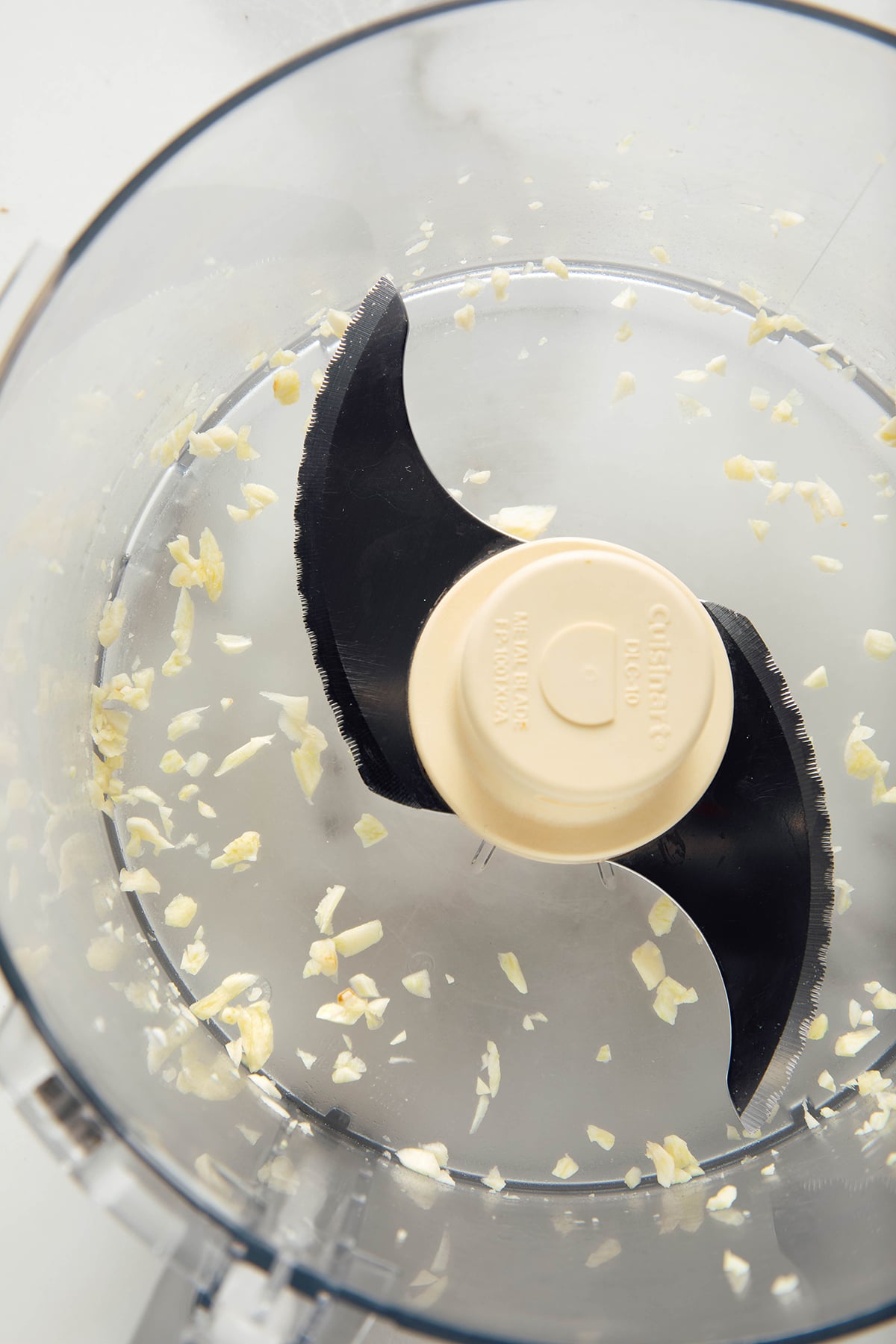
- Garlic: Integral to building the foundational aromatic profile, garlic is often blitzed first in a food processor to ensure a fine, even distribution of its pungent notes, eliminating the need for separate chopping and streamlining the preparation process.
- Fresh Basil: As the star ingredient, the quality of basil is paramount. Culinary experts emphasize the use of fresh leaves and tender stems, with thicker, more fibrous stems discarded to maintain a smooth texture and vibrant green hue. The seasonality of basil, typically abundant in warmer months, positions this sauce as a quintessential summertime condiment, perfectly aligning with farm-to-table philosophies.
- Mayonnaise: Serving as the luxurious, creamy base, mayonnaise provides both richness and a subtle tang that balances the herbaceousness of the basil. While traditional mayonnaise remains popular, the market has seen a surge in "health-conscious" alternatives, particularly those made with avocado oil, catering to evolving consumer preferences for ingredients perceived as healthier. Brands like Duke’s mayonnaise are often cited for their distinctive flavor profile, influencing the final taste of the sauce.
- Salt and Pepper: These fundamental seasonings are critical for enhancing and rounding out the flavors. Salt amplifies the inherent taste of basil and garlic, while a generous application of black pepper introduces a desirable subtle heat and aromatic complexity.
Preparation and Storage Considerations
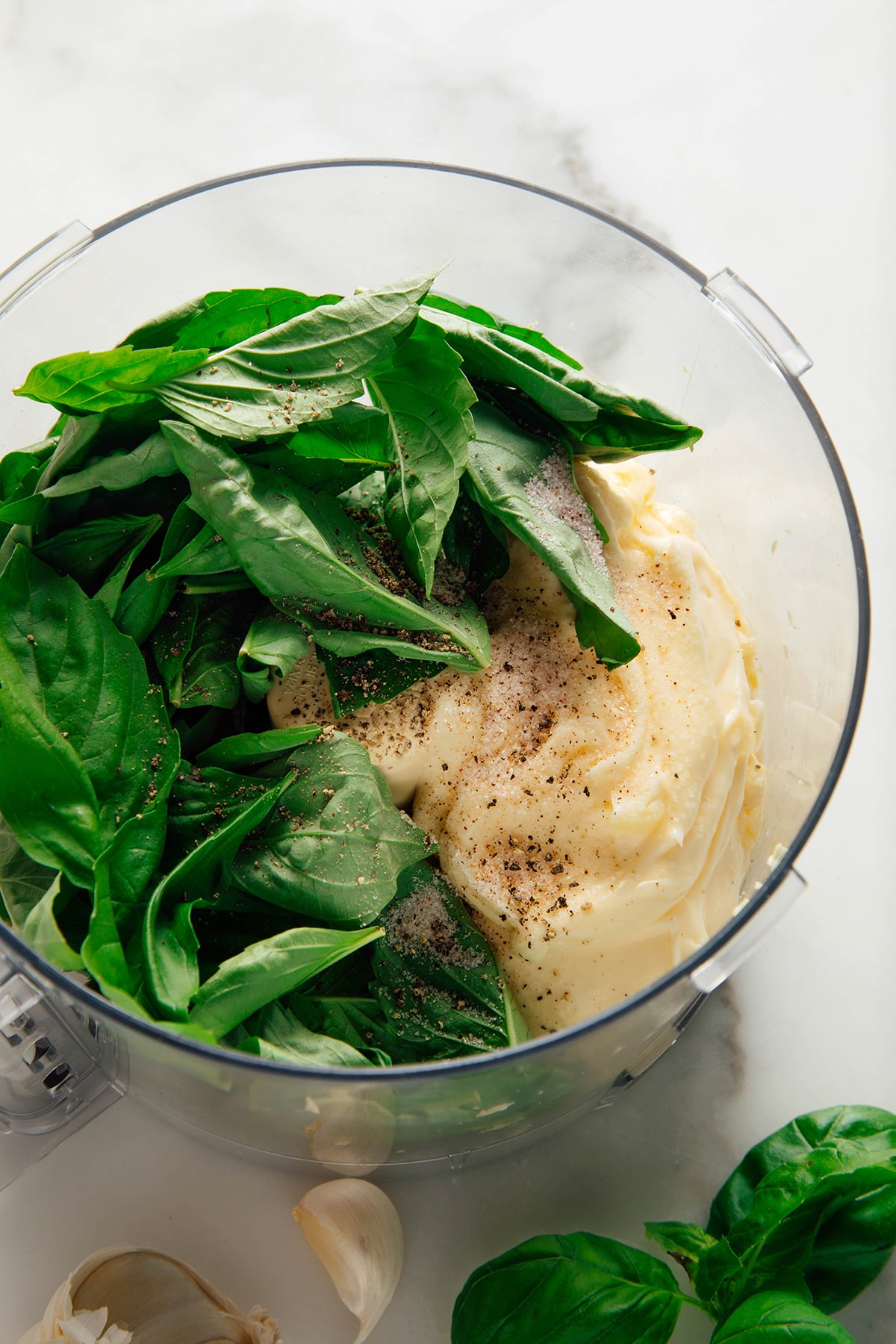
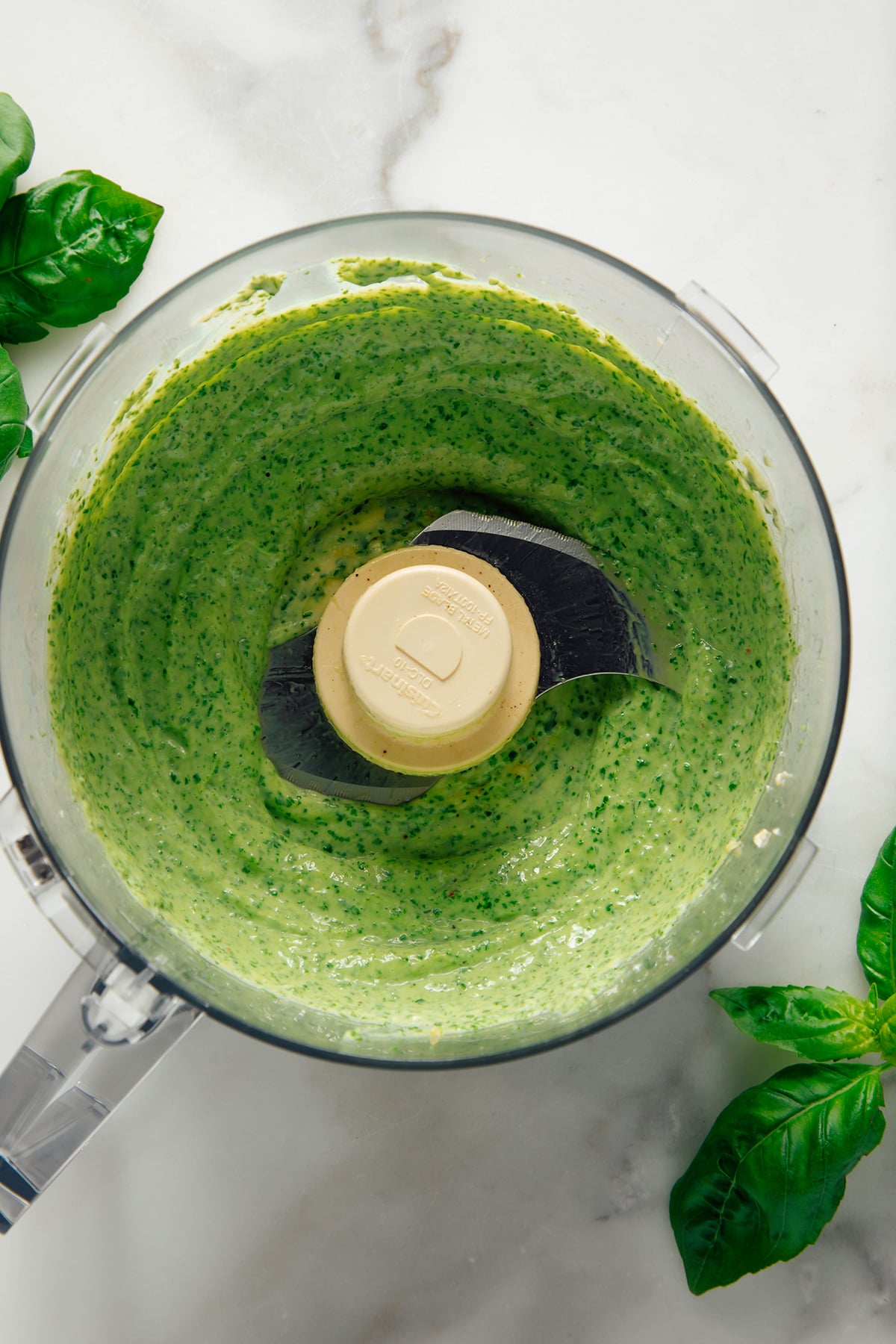
The preparation of creamy basil sauce is remarkably swift, typically requiring only a few minutes with the aid of a food processor, a testament to its convenience. For those without a food processor, manual preparation involving finely chopping basil and mincing garlic before whisking all ingredients by hand is also feasible, albeit slightly more time-consuming.
Maintaining the sauce’s bright green color and fresh flavor requires attention to detail, particularly regarding the basil. Horticultural experts and seasoned chefs advise that basil is best stored at room temperature, as refrigeration can cause its leaves to blacken prematurely. Furthermore, ensuring the basil is thoroughly dry before blending is crucial. Excess moisture can dilute the sauce’s intensity and contribute to discoloration. A gentle wash under cool water, followed by patting dry and a brief air-drying period, is recommended to preserve the herb’s integrity. While offering superior freshness, the sauce’s shelf life, primarily due to the fresh basil and mayonnaise, is typically limited to a few days under proper refrigeration, emphasizing its role as a fresh, immediate-use condiment.
Market Trends and Consumer Behavior
The rise of creamy basil sauce aligns with several overarching trends in the food industry and consumer behavior:
- Demand for Fresh and Natural Ingredients: A growing segment of consumers actively seeks products and recipes that utilize fresh, unprocessed ingredients. The emphasis on garden-fresh basil taps directly into this demand.
- Convenience and Time-Saving Solutions: Despite a desire for fresh food, modern lifestyles often necessitate quick and easy meal solutions. A sauce that can be whipped up in minutes offers significant appeal. According to a 2023 report by the Food Marketing Institute, over 60% of consumers prioritize convenience when making food purchasing decisions.
- Home Gardening Boom: The COVID-19 pandemic spurred a significant increase in home gardening, with many individuals cultivating herbs like basil. This often leads to a surplus of produce, creating a demand for recipes that effectively utilize these bountiful harvests, thus reducing food waste. Data from the National Gardening Association indicated a 15% increase in household gardening between 2019 and 2021.
- Versatility in Application: Consumers are increasingly looking for multi-purpose ingredients and condiments that can adapt to various dishes, minimizing the need for multiple specialized products. This sauce’s broad utility across sandwiches, vegetables, and proteins positions it favorably.
- Culinary Exploration: Social media platforms and food blogs have democratized culinary knowledge, encouraging home cooks to experiment with new flavor combinations and adapt restaurant-inspired dishes. The creamy basil sauce fits perfectly within this paradigm, offering a simple yet sophisticated flavor profile that encourages experimentation.
Diverse Applications and Culinary Impact
The true strength of creamy basil sauce lies in its remarkable versatility, making it a valuable addition to both everyday meals and more elaborate culinary endeavors. Its bright, herbaceous notes and creamy texture allow it to seamlessly integrate into a multitude of dishes, often serving as a vibrant substitute for more traditional dressings or spreads.
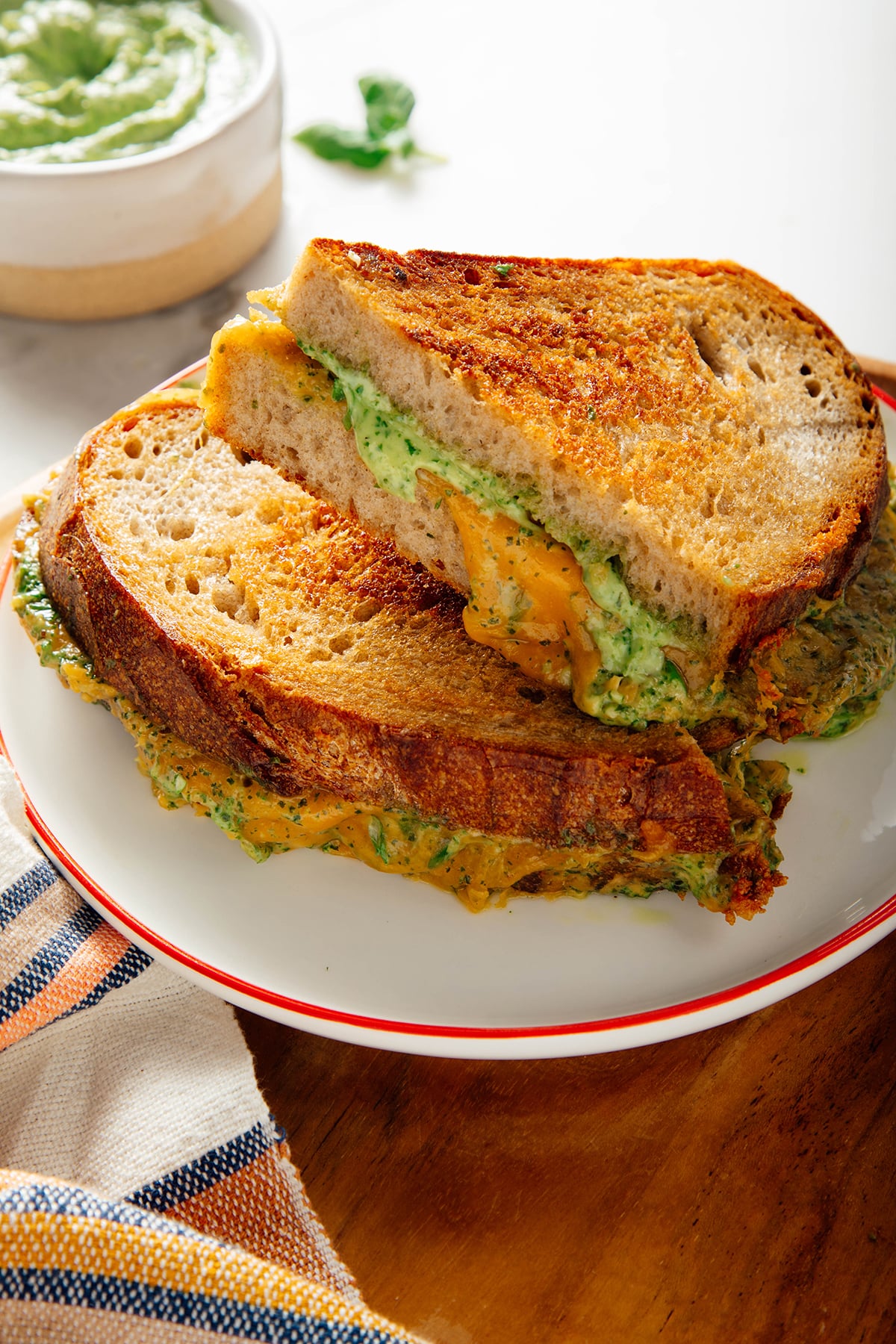
- Sandwiches and Wraps: It instantly elevates a simple grilled cheese, turkey, or vegetable sandwich, providing a fresh counterpoint to savory fillings. Its consistency makes it an ideal spread, binding ingredients together while imparting a burst of flavor.
- Dips and Spreads: As a dip, it pairs exceptionally well with raw vegetables like carrots, cucumbers, and bell peppers, or with crackers and artisan breads. It can also form the base for more elaborate appetizer platters.
- Accompaniment to Proteins: Drizzled over grilled chicken, fish, or tofu, the sauce adds a layer of freshness and moisture. Its acidity and herbal notes complement the richness of meats and seafood.
- Vegetable Enhancer: It transforms roasted or sautéed vegetables, such as zucchini, asparagus, or cherry tomatoes, into more enticing dishes. A generous dollop can turn a simple side dish into a highlight.
- Salad Dressing: Thinned slightly with a touch of olive oil or water, it can serve as a refreshing salad dressing, particularly for salads featuring summer produce like tomatoes, mozzarella, and mixed greens.
- Garnish and Flavor Booster: A final drizzle over soups, pasta dishes, or even eggs can provide an unexpected pop of flavor and visual appeal. For an added layer of complexity, some culinary enthusiasts suggest incorporating a drizzle of thick balsamic vinegar or balsamic glaze, which offers a sweet and tangy counterpoint to the basil’s freshness.
Expert Perspectives and Broader Implications
"This creamy basil sauce exemplifies the modern culinary trend of maximizing flavor with minimal effort," states Dr. Eleanor Vance, a food science expert specializing in condiment development. "The emulsification provided by mayonnaise creates a stable, palatable base, allowing the vibrant aromatics of fresh basil and garlic to shine through. It’s a testament to how simple ingredient combinations, when thoughtfully executed, can yield remarkably versatile and appealing results."

From a sustainability standpoint, the popularization of such a sauce has positive implications. "Recipes that encourage the use of seasonal, abundant produce like basil are crucial for reducing food waste, especially among home gardeners," notes Maria Rodriguez, an advocate for sustainable food practices. "Instead of letting an overflowing basil plant go to seed, home cooks now have a delicious and easy way to preserve and enjoy its peak flavor."
The broader impact extends to the commercial food sector, where the success of homemade versions often inspires new product development. Food manufacturers may look to replicate or adapt such versatile, fresh-tasting condiments for mass market appeal, potentially leading to a new wave of refrigerated fresh sauces and dressings. This indicates a potential shift in consumer preference away from heavily processed options towards those perceived as fresher and more natural.

In conclusion, the creamy basil sauce is more than just a simple recipe; it is a microcosm of current culinary trends. It embodies the desire for freshness, convenience, versatility, and the effective utilization of seasonal ingredients. Its growing popularity reflects a sophisticated evolution in home cooking, where simplicity and quality converge to create impactful flavor experiences that resonate with a wide audience. As consumers continue to seek innovative yet accessible ways to enhance their meals, this vibrant green condiment is poised to remain a prominent feature in kitchens throughout the summer and beyond.