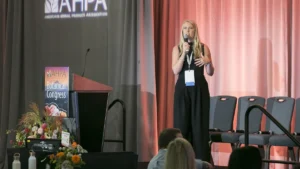







The field of endocrinology witnessed a significant convergence of academic rigor and rapid-fire communication at ENDO 2026 in Chicago, where the annual Rising Star Power Talks provided a high-stakes platform for the next generation of scientific leaders. Among the standout contributors was Dillon Boulton, PhD, a postdoctoral fellow from the University of Colorado Anschutz Medical Campus, whose research into the immunological mechanisms of breast cancer earned him the top honor in the Translational Science category. This event, organized by the Endocrine Society’s Trainee and Career Development Committee (TCDCC), has evolved into one of the most anticipated sessions of the annual meeting, designed to spotlight groundbreaking research from 15 selected early-career and in-training members.
The Rising Star Power Talks, formerly known as the "Knockout Rounds," utilize a "blitz" format that challenges researchers to distill complex, multi-year studies into a three-minute presentation. Participants are permitted only a single projected slide, which must be programmed to advance or adjust automatically as they navigate their findings. This format is followed by a two-minute intensive question-and-answer period with a panel of judges and a diverse audience of peers, mentors, and industry representatives. The 2026 session was characterized by a particularly competitive atmosphere, reflecting the increasing importance of communication skills in securing funding and fostering cross-disciplinary collaborations in the modern scientific landscape.
A New Paradigm for Judging and Industry Integration
A notable shift in the 2026 proceedings was the composition of the judging panel. Traditionally dominated by academic luminaries, this year’s committee intentionally incorporated perspectives from the private sector. TCDCC co-chair Christine Krieger, PhD, who serves as a science program manager at the National Institutes of Diabetes and Digestive and Kidney Diseases (NIDDK), emphasized the value of this diversification. Judges were drawn from major pharmaceutical and biotechnology entities, including Crinetics, Argenx, and Abbvie. This strategic inclusion was intended to provide competitors with feedback on the commercial and clinical viability of their research, bridging the gap between bench science and market-ready therapies.
The integration of industry voices underscores a broader trend in endocrinology: the necessity of public-private partnerships to accelerate the translation of basic research into tangible patient outcomes. By presenting before leaders from Abbvie and Crinetics, the Rising Star participants were given a unique opportunity to demonstrate the "real-world" implications of their work to those responsible for the next generation of drug development.
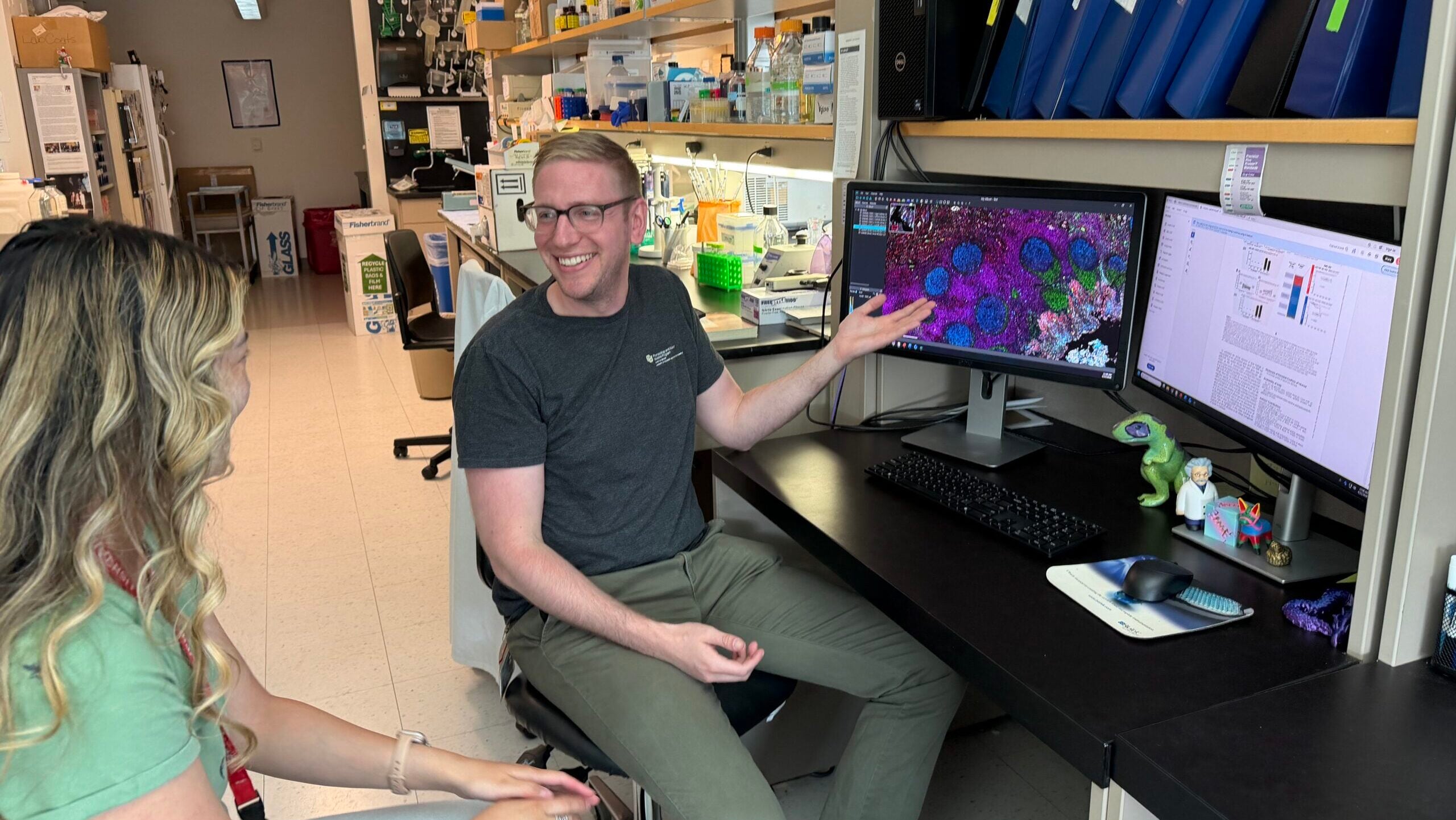
Translational Science Excellence: The Research of Dillon Boulton
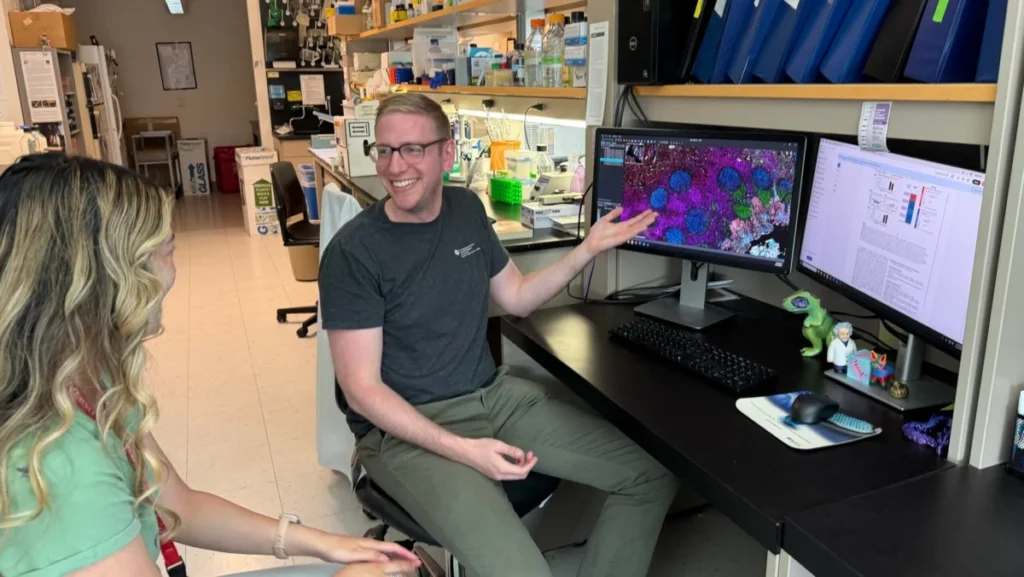
Dillon Boulton’s award-winning presentation focused on Estrogen Receptor-positive (ER+) breast cancer, which accounts for approximately 80% of all breast cancer diagnoses in the United States. While standard endocrine therapies—such as Tamoxifen, Fulvestrant, and aromatase inhibitors—have significantly improved survival rates, the medical community continues to struggle with the 20% of patients who experience relapse. For these individuals, the disease often returns as metastatic cancer, which remains largely incurable.
Boulton’s work, conducted in the laboratory of Dr. Jennifer Richer at the University of Colorado, explores the role of the Androgen Receptor (AR) in modulating the Tumor Immune Microenvironment (TIME). Historically, breast cancer research has focused heavily on estrogen signaling, but Boulton’s findings suggest that androgens and their receptors play a critical, albeit under-researched, role in how tumors evade the immune system. Utilizing matched patient samples from a recently completed Phase II clinical trial, Boulton demonstrated that antagonizing the AR can effectively "reinvigorate" the immune environment around the tumor. This is achieved by decreasing the prevalence of inhibitory immune cells and promoting the formation of tertiary lymphoid structures—organized aggregates of immune cells that are increasingly recognized as markers of a robust anti-tumor response.
Supporting Data and Clinical Context
The significance of Boulton’s research is highlighted by the current limitations of immunotherapy in the context of ER+ breast cancer. Unlike "hot" tumors such as melanoma or certain lung cancers, ER+ breast cancer is often classified as "cold," meaning it does not typically respond well to existing checkpoint inhibitors. Boulton’s data provides a potential roadmap for converting these "cold" tumors into "hot" ones by targeting the androgen pathway.
According to data from the American Cancer Society, metastatic breast cancer has a five-year relative survival rate of approximately 30%. The ability to predict which patients will relapse and providing them with an alternative to standard endocrine therapy is a primary goal of translational oncology. Boulton’s focus on the interplay between hormones and immune cells represents a shift toward more holistic, multi-receptor targeting strategies. His previous experience in mitochondrial signaling pathways in hormone-receptor-negative cancers provided him with a unique technical background to approach ER+ disease from a fresh angle, emphasizing the metabolic and immunological shifts that occur when tumors become resistant to primary treatments.
The 2026 Rising Star Winners
While Boulton secured the Translational Science award, the competition recognized excellence across the spectrum of endocrine research. The 2026 winners included:
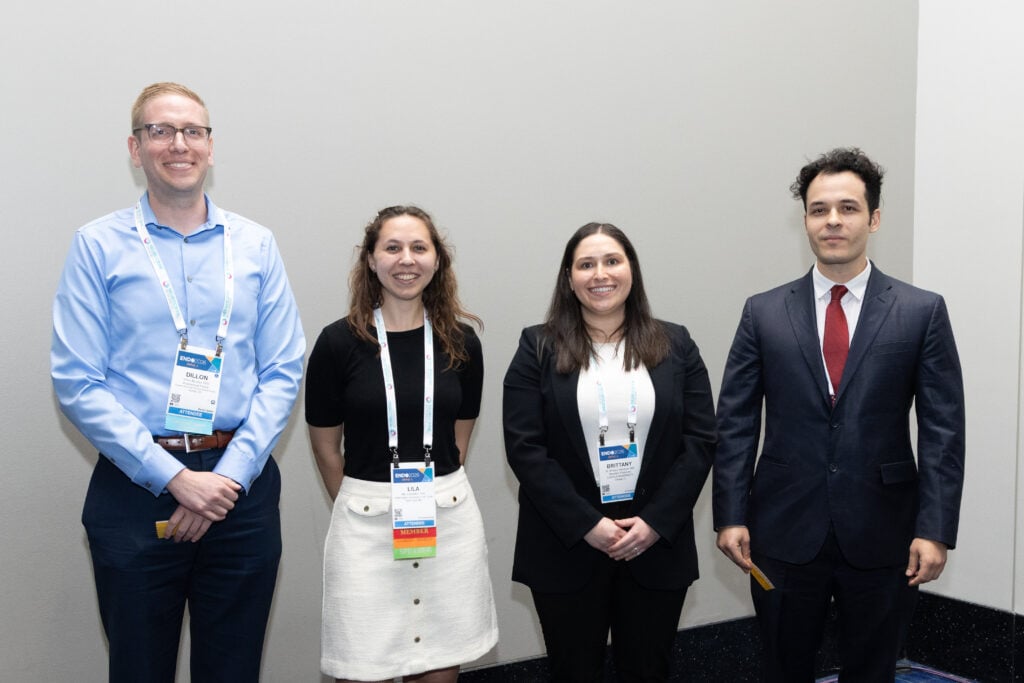
- Basic Science: Lila Dabill, a PhD student at Washington University in St. Louis, whose work delved into the fundamental molecular mechanisms of endocrine function.
- Clinical Science: Brittany Weisbrot, an internal medicine resident at Loyola University Medical Center, who presented findings directly related to patient care and clinical outcomes.
- Audience’s Choice: Konstantinos Stefanakis, MD, a cardiology and postdoctoral research fellow at Harvard Medical School’s Beth Israel Medical Center, whose research highlighted the intersection of endocrinology and cardiovascular health.
The diversity of these winners, ranging from PhD candidates to medical residents, reflects the Endocrine Society’s commitment to a "pipeline" of talent. Nichole Ehrhardt, MD, TCDCC co-chair and co-medical director of the Seattle Clinical Research Center, noted that visibility at events like ENDO is crucial for early investigators. "Visibility matters—but so do connection and community," Ehrhardt stated. The Rising Star Power Talks serve as a catalyst for these researchers to build the relationships necessary for long-term career growth and collaborative success.
Impact and Implications for the Endocrine Community
The broader implications of the Rising Star Power Talks extend beyond individual accolades. For the Endocrine Society, the event is a testament to the vitality of the field. The inclusion of topics like Boulton’s AR-targeted immune modulation suggests that the boundaries of endocrinology are expanding into immunology, oncology, and advanced data science.
From a chronological perspective, the evolution of this session from the "Knockout Rounds" to the "Rising Star Power Talks" reflects a professionalization of science communication. In an era where scientific misinformation is prevalent and funding is highly competitive, the ability to explain "why research is vital" in three minutes is no longer just a soft skill; it is a professional necessity.
The research presented by Boulton and his peers also signals a shift in how the endocrine community views hormone receptors. Rather than viewing ER, PR (Progesterone Receptor), and AR in isolation, modern research is increasingly looking at the "crosstalk" between these receptors and how they collectively influence the tumor microenvironment. This holistic view is expected to lead to more personalized treatment plans, where a patient’s specific receptor profile dictates a combination of endocrine therapy and immunotherapy.
Future Directions and Research Goals
Looking ahead, Dillon Boulton and his colleagues at the University of Colorado intend to further investigate the mechanisms by which AR suppresses immune responses. A key question remains whether the response is a direct result of hormone receptor action within the immune cells themselves or an indirect effect caused by AR-regulated, tumor-derived factors. Resolving this distinction will be critical for determining the most effective pharmacological targets.

The success of Boulton’s presentation at ENDO 2026 also highlights the role of the Society’s publications, such as Endocrinology, in providing a foundation for these young scientists. Boulton previously published research in the journal titled "Androgen Receptors Promote Oxidative Phosphorylation and Resistance to Palmitate Lipotoxicity in ER-Mutant Breast Cancer," which laid the groundwork for his current findings on immune modulation.
As the endocrine community looks toward ENDO 2027, the benchmarks set by this year’s Rising Stars will likely influence the next cohort of applicants. The emphasis on translational impact, industry engagement, and concise communication has established a new standard for what it means to be an emerging leader in the biological sciences. For patients suffering from metastatic ER+ breast cancer, the work of researchers like Dillon Boulton offers not just scientific insight, but the tangible hope of more effective, durable treatments in the near future.