







The global medical community is mourning the loss of Professor Martin O. Savage, Emeritus Professor of Pediatric Endocrinology at the William Harvey Research Institute, Barts and The London School of Medicine & Dentistry, Queen Mary University of London, who passed away on February 24, 2026. A figure of immense international stature, Professor Savage was recognized not only for his ground-breaking molecular research into growth disorders but also for his transformative approach to patient care and medical education. His death marks the end of an era for pediatric endocrinology, a field he helped shape over more than five decades of dedicated service.
Professor Savage was widely regarded as a "clinician scientist" in the truest sense—a practitioner who seamlessly bridged the gap between the laboratory bench and the patient’s bedside. Throughout his career, he remained committed to the idea that medicine was as much an art as it was a science, a philosophy that guided his interactions with thousands of young patients and their families. His legacy is defined by a unique combination of quiet, gentle confidence and a rigorous, uncompromising approach to scientific inquiry.
A Pedigree of Medicine and Literature
The foundations of Martin Savage’s distinguished career were laid early in his life, influenced by a family environment that valued both scientific rigor and literary expression. His father, Oswald Savage, was a pioneering figure in British medicine, serving as one of the UK’s first rheumatologists after training at St Bartholomew’s Hospital (Barts). Oswald’s professional network included some of the most significant medical minds of the 20th century, including Dr. Philip Hench, who co-received the Nobel Prize in Physiology or Medicine in 1950 for the discovery of cortisone. This exposure to high-level clinical science from a young age undoubtedly sparked Martin’s interest in the endocrine system and the power of hormonal therapies.
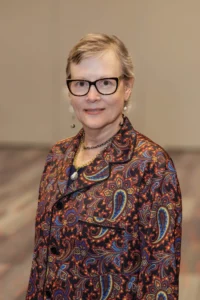
Complementing this scientific heritage was the influence of his mother, Kitty Savage. A journalist and a published author of history books for children, she instilled in Martin a deep appreciation for the written word. This literary gift would manifest later in his life through his prolific academic output and his 2023 memoir, Reflections of an Itinerant Lecturer. Those who worked with him often noted his ability to communicate complex physiological concepts with clarity and elegance, a trait he attributed to his mother’s influence.
Savage’s education further molded his multifaceted character. He attended Eton College, where he excelled academically, and initially secured a place at Magdalene College, Cambridge, to read modern languages. A talented linguist and a dedicated Europhile, he spent his youth traveling across the continent, developing a cosmopolitan worldview that would later facilitate his international collaborations. However, encouraged by his godfather, a general practitioner, he pivoted to medicine—a decision that would eventually change the landscape of pediatric care in the United Kingdom and beyond.
Academic Achievements and the Molecular Frontier
Professor Savage’s contributions to the science of growth are considered foundational. His MD thesis at Cambridge University was lauded by Sir John Butterfield as a significant contribution to British science, though the modest Savage often downplayed such praise. His research focused intensely on the growth hormone (GH) and insulin-like growth factor I (IGF-I) axis, particularly in the context of growth hormone resistance.
He was among the first to provide detailed molecular dissections of growth disorders, moving the field beyond simple symptom management toward a genetic and molecular understanding of disease. His work on Laron syndrome and other forms of GH insensitivity allowed for more precise diagnoses and paved the way for the development of targeted therapies. By identifying the specific molecular defects that prevented children from responding to growth hormones, Savage provided a blueprint for treatment that improved the lives of children who previously had few options.
Beyond growth disorders, Savage made significant strides in the study of Cushing’s syndrome in children. His clinical expertise in managing the complexities of cortisol overproduction in pediatric patients made Barts a center of excellence for the condition. His academic bibliography includes hundreds of peer-reviewed papers, book chapters, and textbooks that continue to serve as essential references for endocrinologists worldwide.
The Architect of Transition Endocrinology
Perhaps one of Professor Savage’s most enduring contributions to clinical practice was the founding of "Transition Endocrinology." Before Savage’s advocacy, the transition from pediatric to adult care was often fragmented, leaving adolescent patients vulnerable as they moved between different hospital departments. Savage recognized that the physiological and psychological changes of puberty and young adulthood required a specialized, collaborative approach.
He pioneered a model of joint care where pediatric and adult endocrinologists worked side-by-side to manage the transition. This ensured that patients with chronic endocrine conditions—such as congenital adrenal hyperplasia, Turner syndrome, or growth hormone deficiency—received continuous, specialized support as they entered adulthood. This model has since been adopted by hospitals globally and is now considered the gold standard for adolescent healthcare.
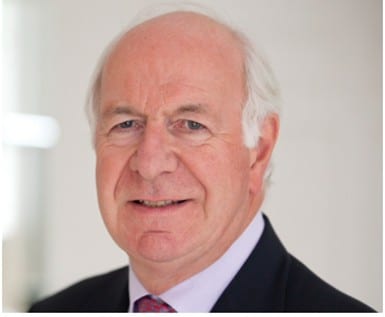
His colleagues often recalled the "Savage style" in the clinic: a method characterized by extreme respect for the child. He was known for his gentle manner in taking medical histories and his ability to make young patients feel seen and heard. This empathy was the driving force behind his push for better transition services, as he sought to ensure that the children he had cared for since infancy were not abandoned by the system once they turned eighteen.
Leadership on the Global Stage
Professor Savage’s influence extended far beyond the shores of the United Kingdom. As a dedicated member and leader of the European Society for Paediatric Endocrinology (ESPE), he served as Secretary-General from 1997 to 2024. During his tenure, he was instrumental in expanding the society’s educational reach, particularly in Eastern Europe and developing nations.
He was a tireless advocate for global medical education, earning the nickname of an "itinerant lecturer" for his constant travels to share knowledge. Whether in a high-tech auditorium in New York or a small clinic in a developing country, Savage taught with the same passion and dedication. He viewed medical knowledge not as a proprietary secret but as a universal tool for the improvement of human health.
His leadership was characterized by a "soft power" approach—using diplomacy, kindness, and shared scientific goals to unite disparate groups. He formed lifelong friendships with colleagues across the globe, creating a network of experts who collaborated on international clinical trials and guidelines.
A Timeline of Recognition
Professor Savage’s career was punctuated by numerous accolades from the world’s most prestigious medical bodies. These awards reflect the breadth of his impact, from clinical innovation to educational leadership:
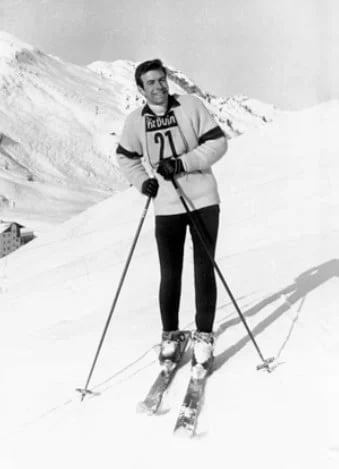
- 1964: Represented Cambridge University in skiing, achieving a "Blue," demonstrating his lifelong commitment to excellence outside the lab.
- 1997–2024: Served as Secretary-General of the European Society for Paediatric Endocrinology (ESPE).
- 2007: Awarded the ESPE Andrea Prader Award, the society’s highest honor, for leadership and excellence in pediatric endocrinology.
- 2018: Received the American Human Growth Foundation Visionary Award for his work on growth disorders.
- 2022: Awarded the British Society for Paediatric Endocrinology and Diabetes (BSPED) James Tanner Award for his lifetime contribution to the field.
- 2023: Published his memoir, Reflections of an Itinerant Lecturer, chronicling his life and the evolution of pediatric medicine.
- 2025: Awarded the Royal College of Paediatrics and Child Health (RCPCH) James Spence Medal, the highest honor in British pediatrics, recognizing his outstanding contributions to clinical science and patient care.
Personal Life and Legacy
Despite his high-profile career, those close to Martin Savage described him as a man of great modesty and devotion to his family. His marriage to his wife, Elisabeth, was described as a cornerstone of his life, providing him with the support necessary to maintain his rigorous schedule of research and travel. Together, they raised two children, Caroline and Oliver, and in later years, Savage found increasing comfort and meaning in his involvement with the church.
Even in retirement as an Emeritus Professor, Savage remained active in the academic community, mentoring young clinicians and contributing to discussions on the future of the NHS. He was a man of "boundless energy," often seen at medical conferences well into his 80s, always eager to learn about the latest genetic breakthroughs or to offer advice to a struggling researcher.
The impact of Professor Savage’s work is visible today in the thousands of adults who, as children, benefited from his clinical insights and the transition programs he established. Furthermore, the generation of endocrinologists he trained now occupies senior positions in hospitals and universities worldwide, carrying forward his ethos of "art and science" in medicine.
Analysis of Implications
The passing of Professor Savage leaves a significant void in the leadership of pediatric endocrinology, but the structures he built ensure that his work will continue. The "Transition Endocrinology" model is more relevant today than ever, as advances in medicine mean that more children with complex endocrine disorders are surviving into adulthood. His emphasis on the GH-IGF-I axis remains a primary area of study as researchers look toward personalized medicine and gene therapies.
Moreover, Savage’s career serves as a reminder of the importance of the "generalist-specialist"—a clinician who possesses deep technical knowledge but never loses sight of the holistic needs of the patient. In an era of increasing medical fragmentation, his approach to integrated, respectful care remains a vital template for the next generation of physicians.
Professor Martin O. Savage will be remembered as a man who lived "a life well lived," dedicated to the pursuit of knowledge and the service of others. His contributions have not only advanced British science but have also ensured a healthier, more supported future for children with endocrine disorders across the globe.