









The global health community is facing a silent but escalating crisis as antimicrobial resistance (AMR) continues to claim between 1.1 million and 1.4 million lives annually, a figure that is projected to rise dramatically in the coming decades. While the medical community has long focused on the overprescription of antibiotics and their misuse in livestock as the primary drivers of this phenomenon, a groundbreaking study has identified an unexpected catalyst in the environment: the widespread use of agricultural weedkillers. Researchers have found evidence that the spread of AMR is not exclusively driven by bacteria evolving in direct response to antibiotics, but rather by exposure to common herbicides, which may be priming bacterial populations for resistance long before they ever reach a clinical setting.
A study published in the journal Frontiers in Microbiology has revealed a direct correlation between resistance to the world’s most common weedkiller, glyphosate, and resistance to multiple classes of life-saving antibiotics. The research, led by Dr. Daniela Centrón at the Institute of Medical Microbiology and Parasitology in Buenos Aires, suggests that the heavy application of herbicides in global agriculture is creating an environmental selection pressure that favors the survival of "superbugs." These bacteria, having adapted to survive toxic levels of glyphosate in the soil, possess the inherent mechanisms to withstand high concentrations of antibiotics once they transition into human populations and hospital environments.
The Intersection of Agriculture and Clinical Medicine
The core of the study’s findings rests on the observation that multidrug-resistant bacteria—the kind typically associated with difficult-to-treat hospital-acquired infections—are showing an alarming tolerance for glyphosate. Glyphosate is the active ingredient in some of the world’s most widely used herbicides, including Roundup. Because it is applied on a massive scale to millions of acres of farmland annually, it has become a permanent fixture of the global soil and water microbiome.

“Here we show that the most common species of multidrug-resistant bacteria from hospitals are not only resistant to multiple antibiotic classes, but also to high concentrations of the weedkiller glyphosate,” stated Dr. Centrón, the senior author of the study. This discovery shifts the paradigm of AMR research, suggesting that the "battleground" for antibiotic resistance is not just in the hospital ward or the pharmacy, but in the very earth where our food is grown.
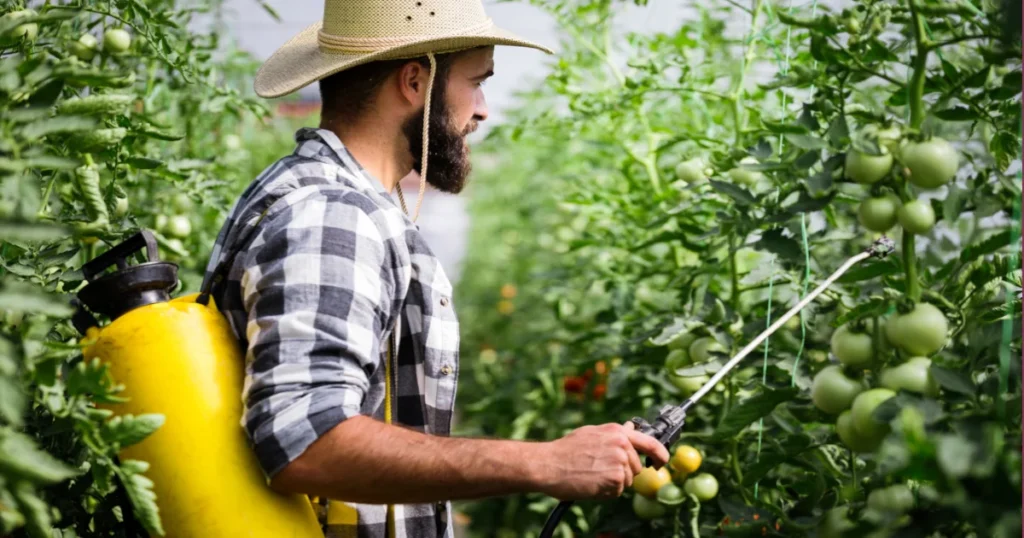
Unlike antibiotics, which are generally administered in controlled doses to individuals or groups of livestock, weedkillers are applied across vast landscapes. This creates a low-level, persistent environmental stressor for microbial communities. According to Dr. Centrón, these herbicides may have the unintended side effect of selecting for AMR among bacterial communities within the soil. When these soil-borne bacteria eventually interact with human hosts—through food consumption, water runoff, or physical contact—they arrive already equipped with the genetic defenses necessary to neutralize modern medicine.
A Chronology of Rising Resistance
To understand the gravity of these findings, it is necessary to examine the parallel timelines of antibiotic development and herbicide adoption. The mid-20th century was defined by the "Golden Age" of antibiotics, following the mass production of penicillin in the 1940s. However, by the late 1950s, the first signs of resistance began to emerge, leading to a constant race between drug developers and evolving pathogens.
In 1974, glyphosate was introduced to the commercial market. Its use skyrocketed in the 1990s with the introduction of genetically modified "Roundup Ready" crops, which allowed farmers to spray entire fields to kill weeds without harming the produce. By the early 2000s, glyphosate had become the most used herbicide in history. Concurrently, the medical community began reporting a sharp uptick in "ESKAPE" pathogens—a group of bacteria (Enterococcus faecium, Staphylococcus aureus, Klebsiella pneumoniae, Acinetobacter baumannii, Pseudomonas aeruginosa, and Enterobacter species) that are increasingly resistant to nearly all available treatments.
The study in Frontiers in Microbiology suggests these two timelines are inextricably linked. As glyphosate concentrations in the environment increased throughout the early 21st century, the selective pressure on soil bacteria intensified. By the 2010s, researchers began to notice that bacteria with the "efflux pumps" necessary to survive herbicides were the same bacteria causing outbreaks in intensive care units.
Supporting Data: The Scale of the Crisis
The statistical evidence supporting the urgency of this issue is stark. According to the World Health Organization (WHO), AMR is one of the top ten global public health threats facing humanity. The economic impact is equally devastating, with the World Bank estimating that AMR could result in $1 trillion in additional healthcare costs by 2050 and a loss of 1% to 3.8% of global gross domestic product (GDP).
In terms of herbicide volume, global glyphosate use is estimated at over 800,000 tons per year. Environmental monitoring has found glyphosate residues in groundwater, rain, and even human urine samples in urban areas far removed from agricultural centers. The Argentine study analyzed various strains of Acinetobacter baumannii, a notorious hospital pathogen often called "Iraqibacter" due to its prevalence in combat zones. The researchers found that strains exhibiting the highest levels of resistance to carbapenems—"last-resort" antibiotics—also exhibited the highest tolerance to glyphosate.
Furthermore, data from the Food and Agriculture Organization (FAO) indicates that the reliance on chemical weed control shows no signs of slowing, particularly in developing nations where regulatory oversight of herbicide application may be less stringent. This creates a global reservoir of resistant genetic material that can be transported across borders via trade and travel.
Biological Mechanisms: How Cross-Resistance Works
The scientific community has identified several biological pathways that explain how a weedkiller can foster antibiotic resistance. One of the primary mechanisms is the "efflux pump." These are protein structures on the surface of bacteria that act like microscopic bilge pumps, actively transporting toxic substances out of the cell before they can cause damage.
When a bacterium evolves or acquires the genetic instructions for an efflux pump to survive glyphosate exposure, that same pump is often capable of expelling a wide range of antibiotic molecules. This phenomenon, known as cross-resistance, means that the bacterium does not need to have ever "seen" a specific antibiotic to be resistant to it.
Another mechanism involves the Shikimate pathway, a metabolic route used by plants and many bacteria to synthesize essential amino acids. Glyphosate works by inhibiting an enzyme in this pathway. However, certain bacteria possess a version of this enzyme that is naturally resistant to glyphosate, or they develop mutations that bypass the pathway entirely. These metabolic adaptations often coincide with changes in the bacterial cell wall that make it less permeable to various chemical agents, including antibiotics.
Official Responses and the "One Health" Approach
The implications of this research have sparked calls for a "One Health" approach to regulation—a framework that recognizes the health of people is closely connected to the health of animals and our shared environment.
While the agricultural industry, represented by major chemical manufacturers, has historically maintained that glyphosate is safe when used as directed and has no direct impact on human health, environmental health advocates argue that the indirect impact via AMR is a catastrophic oversight. Industry spokespeople often point to the fact that the Shikimate pathway does not exist in humans, which has been the basis for glyphosate’s safety profile for decades. However, the new findings highlight that the impact on the human microbiome and environmental bacteria is a separate and significant risk.
Regulatory bodies such as the European Food Safety Authority (EFSA) and the U.S. Environmental Protection Agency (EPA) are under increasing pressure to incorporate microbial resistance data into their periodic re-evaluations of herbicide safety. In light of the Frontiers in Microbiology study, some public health experts are calling for a "resistance tax" or stricter quotas on herbicide use to preserve the efficacy of the global antibiotic supply.
Broader Impact and Global Health Implications
The discovery that weedkillers contribute to AMR has profound implications for how we manage both agriculture and public health. If herbicides are indeed "priming" bacteria for resistance, then current strategies that focus solely on hospital hygiene and antibiotic stewardship are incomplete.
In hospital settings, the presence of glyphosate-tolerant bacteria complicates sterilization efforts. If these pathogens are already adapted to harsh chemical environments, standard disinfectants may also lose their potency, leading to more persistent biofilms on medical equipment and surfaces.
In the agricultural sector, the findings may accelerate the shift toward Integrated Weed Management (IWM), which emphasizes non-chemical methods such as crop rotation, cover cropping, and mechanical weeding. Reducing the chemical load in the environment is no longer just a matter of ecological preservation; it is a matter of medical necessity.
The study also raises equity concerns. Developing nations, which often serve as the "breadbaskets" for the world, utilize vast quantities of herbicides but frequently have less robust healthcare infrastructure to manage the resulting multidrug-resistant infections. This creates a cycle where agricultural practices in the Global South may contribute to health crises that those same regions are least equipped to handle.
Conclusion: A Necessary Shift in Perspective
The research led by Dr. Daniela Centrón serves as a critical wake-up call for the scientific community and policymakers alike. It confirms that the boundaries between the farm and the hospital are porous, and that the chemical choices made in the pursuit of high crop yields have direct consequences for the treatment of pneumonia, sepsis, and surgical infections.
As the death toll from AMR continues to climb, the need for a holistic understanding of resistance drivers is paramount. Addressing the "unintended side effect" of weedkillers on bacterial communities is a daunting task that requires cooperation between environmental scientists, agriculturalists, and medical professionals. Without a concerted effort to limit the environmental selection of resistant traits, the world risks entering a "post-antibiotic era" where even minor infections become life-threatening, and the medical advancements of the last century are undone by the very chemicals used to sustain our food systems.
The path forward will require rigorous new testing protocols for agricultural chemicals, a reimagining of global farming practices, and a steadfast commitment to protecting the microscopic foundations of human health. The evidence is clear: to save our antibiotics, we must look closely at what we are putting into our soil.