







The global proliferation of microplastics—synthetic polymer particles measuring less than five millimeters in diameter—has transitioned from a niche environmental concern to a full-scale ecological and public health emergency. Recent scientific inquiries have confirmed that these persistent pollutants have infiltrated every corner of the planet, from the pristine heights of the Pyrenees mountains to the deepest trenches of the world’s oceans. As of 2026, the scientific community is grappling with the reality that microplastics are no longer just an external environmental hazard but are now a permanent fixture within the biological systems of humans and wildlife alike.
The scale of this contamination was underscored by a landmark study that identified the highest levels of microplastic ever recorded on the seafloor. This discovery shattered the long-held public perception that plastic pollution was primarily a surface-level phenomenon characterized by floating "garbage patches." Instead, researchers have revealed a complex underwater transport system where deep-sea currents act as conveyor belts, depositing massive quantities of plastic fibers and fragments into seafloor "hotspots."
The Seafloor Discovery: A Paradigm Shift in Marine Science
In 2020, a team of researchers led by the University of Manchester, in collaboration with the National Oceanography Centre in the United Kingdom, the University of Bremen in Germany, and IFREMER in France, published findings that fundamentally altered the understanding of plastic distribution. By analyzing sediment samples from the Tyrrhenian Sea, part of the Mediterranean Sea, the team found up to 1.9 million plastic pieces in a layer only one centimeter thick, covering just one square meter.

Ian Kane, the lead author of the study and a prominent researcher at the University of Manchester, noted the disparity between public awareness and scientific reality. "Almost everybody has heard of the infamous ocean ‘garbage patches’ of floating plastic, but we were shocked at the high concentrations of microplastics we found in the deep-seafloor," Kane stated. The study demonstrated that these microplastics are not merely drifting aimlessly; they are being concentrated by powerful bottom currents into specific areas, often the same regions where deep-sea sponges and corals thrive, creating a direct pathway for ingestion by marine life.
This research highlighted that the visible plastic on the ocean surface represents only about 1% of the total plastic estimated to be in the ocean. The remaining 99% is thought to reside in the deep ocean, either suspended in the water column or settled on the seabed, where its long-term impacts on the benthic ecosystem remain largely unknown.
Chronology of the Microplastic Crisis
To understand the current state of contamination, it is essential to trace the trajectory of plastic production and the subsequent recognition of its environmental fallout:
- 1907: The invention of Bakelite marks the beginning of the synthetic plastic era.
- 1950s: Mass production of plastics begins, following World War II, leading to a "throwaway culture."
- 1970s: The first reports of plastic pellets and fragments in the Sargasso Sea are published in scientific journals, though they receive little mainstream attention.
- 1997: Captain Charles Moore discovers the Great Pacific Garbage Patch, bringing international media attention to the issue of marine debris.
- 2004: Dr. Richard Thompson of Plymouth University coins the term "microplastics" to describe the microscopic fragments accumulating in marine environments.
- 2015: The United States passes the Microbead-Free Waters Act, banning plastic microbeads in rinse-off cosmetics, a move soon followed by other nations.
- 2020: The University of Manchester study identifies record-breaking microplastic concentrations on the seafloor, shifting the focus from the surface to the deep ocean.
- 2022: Microplastics are detected in human blood and deep lung tissue for the first time, sparking intensive medical research into human health impacts.
- 2024-2026: Global negotiations continue for a legally binding United Nations treaty to end plastic pollution, focusing on the entire lifecycle of plastics.
Supporting Data: The Magnitude of Infiltration
The sheer volume of plastic entering the environment is staggering. According to a 2021 study published in the journal MDPI, it is estimated that 8 million tonnes of plastics enter the seas and oceans each year. This is equivalent to dumping one garbage truck full of plastic into the ocean every minute.
The sources of these pollutants are diverse. Primary microplastics are those intentionally manufactured for specific uses, such as industrial abrasives or "nurdles" (the raw pellets used in plastic manufacturing). Secondary microplastics, which are far more prevalent, result from the fragmentation of larger plastic items due to weathering, UV radiation, and mechanical friction.
Key data points regarding the prevalence of microplastics include:
- Atmospheric Transport: Research has shown that microplastics can be carried by wind currents for thousands of miles. In some urban areas, it is estimated that several hundred microplastic particles fall on every square meter of land every day.
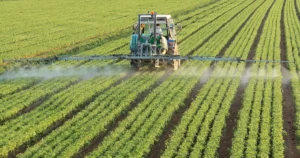
- Terrestrial Impact: Agricultural lands may contain more microplastic than the oceans, largely due to the use of sewage sludge as fertilizer, which contains high concentrations of fibers from synthetic clothing.
- Freshwater Systems: Major river systems, including the Yangtze, the Ganges, and the Mississippi, act as the primary conduits for plastic waste, transporting urban runoff and industrial discharge into the marine environment.
- Tire Wear: One of the largest contributors to microplastic pollution is the abrasion of vehicle tires. A single car tire can lose up to 4 kilograms of plastic-containing dust over its lifespan, which is then washed into waterways.
Biological Impact and Food Chain Infiltration
The infiltration of microplastics into the food chain begins at the most fundamental levels of the ecosystem. In the marine environment, zooplankton, the tiny organisms that form the base of the oceanic food web, have been observed ingesting microplastic fibers. Because these organisms cannot digest the plastic, it remains in their systems, leading to a process known as trophic transfer.
As smaller organisms are consumed by larger predators—such as fish, crustaceans, and cephalopods—the concentration of microplastics and associated chemical additives can increase, a phenomenon known as biomagnification. By the time these plastics reach apex predators, including humans, the cumulative load can be significant.
Beyond the physical presence of the plastic itself, microplastics act as "chemical sponges." Their hydrophobic surfaces attract and concentrate Persistent Organic Pollutants (POPs) from the surrounding water, such as PCBs and DDT. Furthermore, plastics are manufactured with a suite of additives, including phthalates, bisphenols (BPA), and flame retardants, many of which are known endocrine disruptors. When ingested, these chemicals can leach out of the plastic and into the tissues of the host organism, potentially causing reproductive failure, developmental delays, and metabolic disorders.
Human Health Implications: A Growing Concern
The detection of microplastics in human blood, lungs, placenta, and even breast milk has transformed the issue from an environmental concern to a medical priority. While the long-term health effects are still being studied, preliminary research suggests several areas of high risk.
The presence of foreign particles in the lungs and bloodstream can trigger chronic inflammation, a precursor to various diseases, including cancer and cardiovascular conditions. There is also significant concern regarding the "Trojan Horse" effect, where microplastics carry pathogens or toxic chemicals into the body’s most sensitive systems.
In 2022, a study by the Vrije Universiteit Amsterdam found microplastic particles in 80% of the blood samples tested. The most common types found were PET (used in beverage bottles), polystyrene (used for food packaging), and polyethylene (used in carrier bags). This evidence suggests that humans are regularly ingesting and inhaling plastic through food, water, and the air.
Official Responses and Policy Frameworks
The international community has begun to respond to the microplastic threat with increasing urgency. The United Nations Environment Assembly (UNEA) has initiated a series of negotiations aimed at creating a global plastics treaty. This treaty seeks to address the full lifecycle of plastic, including production, design, and waste management.
National governments have also implemented localized measures. Several countries have banned single-use plastics, such as straws and cutlery, and have tightened regulations on wastewater treatment plants to improve the filtration of synthetic fibers. However, experts argue that current infrastructure is ill-equipped to handle the scale of the problem. Most standard wastewater treatment facilities are only capable of removing 90% to 99% of microplastics; while this sounds high, the sheer volume of water processed means that millions of particles are still discharged into the environment daily.
Industry reactions have been mixed. While some corporations have committed to "circular economy" models and increased the use of recycled materials, others have lobbied against stringent production caps, citing the economic importance of the petrochemical industry.
Analysis of Implications: The Long-Term Outlook
The microplastic crisis represents a unique challenge because, unlike traditional chemical spills, plastic is virtually indestructible on a human timescale. It does not "go away"; it only breaks down into smaller and smaller pieces. This means that even if all plastic production were to cease tomorrow, the levels of microplastics in the environment would continue to rise for decades as existing debris continues to fragment.
The economic implications are also profound. The degradation of marine ecosystems threatens global fisheries, which provide a primary protein source for billions of people and support millions of jobs. Furthermore, the potential healthcare costs associated with plastic-related illnesses could eventually place a massive burden on global economies.
To mitigate this crisis, a multi-faceted approach is required. This includes:
- Source Reduction: Drastically reducing the production of non-essential plastics and transitioning to truly biodegradable alternatives.
- Technological Innovation: Developing advanced filtration systems for washing machines and wastewater treatment plants to capture fibers at the source.
- Global Standardization: Establishing uniform methods for measuring and reporting microplastic concentrations to facilitate international cooperation.
- Public Education: Increasing awareness about the sources of microplastics, such as synthetic clothing and tire wear, to drive consumer behavior changes.
The discovery of record-breaking plastic concentrations on the seafloor serves as a stark reminder of the "out of sight, out of mind" mentality that has characterized the plastic era. As research continues to uncover the depth and breadth of this contamination, the necessity for radical shifts in production, consumption, and waste management becomes undeniable. The health of the global food chain and the biological integrity of future generations may depend on the actions taken within this decade to curb the invisible tide of microplastics.