









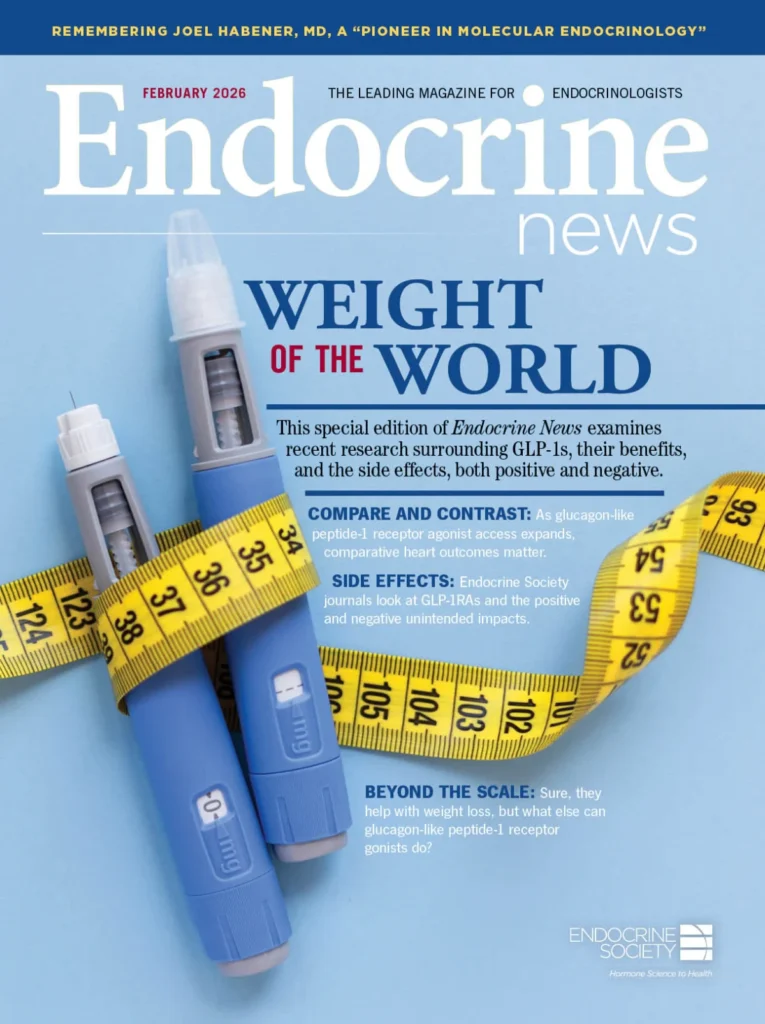
The clinical landscape for metabolic health underwent a significant transformation in late 2025 as new data emerged regarding the cardiovascular impacts of glucagon-like peptide-1 receptor agonists (GLP-1RAs). Once viewed primarily through the lens of glycemic control and, more recently, as potent tools for weight loss, these agents are now being scrutinized for their ability to alter the trajectory of heart disease and mortality. Two landmark studies published in late 2025 have provided the medical community with a more nuanced understanding of how different drugs within this class perform when compared head-to-head, suggesting that the era of "one-size-fits-all" prescribing for type 2 diabetes and obesity is coming to an end.
As federal policy changes in the United States and abroad begin to lower the financial barriers to these medications, the demand for comparative efficacy data has reached a critical point. While the benefits of GLP-1RAs on Major Cardiovascular Adverse Events (MACE) have been established in placebo-controlled trials over the last decade, the latest research seeks to distinguish between individual agents. These findings are particularly relevant as clinicians navigate drug shortages, the introduction of generic alternatives, and the arrival of multi-receptor agonists like tirzepatide.
A Decadal Shift in Metabolic Pharmacology
To understand the significance of the 2025 findings, it is necessary to trace the chronology of GLP-1RA development. The class began with exenatide, a twice-daily injectable approved in 2005, which paved the way for longer-acting molecules like liraglutide (daily) and eventually semaglutide and dulaglutide (weekly). In 2008, the U.S. Food and Drug Administration (FDA) mandated that all new diabetes medications undergo rigorous cardiovascular outcome trials (CVOTs) to ensure they did not increase the risk of heart attacks or strokes.

What began as a safety requirement inadvertently revealed a therapeutic breakthrough: several GLP-1RAs did not just meet safety standards but actively reduced the risk of cardiovascular death. By 2020, the focus shifted toward dual-agonist therapies, leading to the development of tirzepatide, which targets both the GLP-1 receptor and the glucose-dependent insulinotropic polypeptide (GIP) receptor. The 2025 data represents the culmination of this evolution, moving from "safety-proven" to "comparative-superiority" research.
The SURPASS-CVOT Trial: Tirzepatide Versus Dulaglutide
One of the most anticipated datasets of the year came from the SURPASS-CVOT trial, published in the New England Journal of Medicine in December 2025. Led by Dr. Stephen J. Nicholls of Monash University, the study was a massive undertaking, involving 13,165 participants across a double-blind, noninferiority trial that began in 2020. The objective was to determine if the dual GIP/GLP-1 agonist tirzepatide could outperform the established selective GLP-1RA dulaglutide in high-risk patients with type 2 diabetes.
The trial randomized 6,586 patients to tirzepatide and 6,579 to dulaglutide, following them for a median of four years. The primary endpoint was the time to the first occurrence of a MACE, defined as cardiovascular death, nonfatal myocardial infarction, or nonfatal stroke. The results confirmed that tirzepatide was noninferior to dulaglutide in preventing these major events. However, the secondary data painted a more complex picture. Tirzepatide demonstrated a superior profile in "extended MACE," which included coronary revascularization procedures.
More strikingly, tirzepatide was associated with a lower rate of all-cause mortality compared to dulaglutide. Dr. Nicholls noted that the death benefit appeared to involve a reduction in non-cardiovascular deaths, potentially linked to a decrease in fatal infections—a phenomenon previously hinted at in earlier metabolic studies. While tirzepatide led to more gastrointestinal side effects, the overall discontinuation rates remained comparable to dulaglutide, suggesting that the dual-agonist’s metabolic benefits (superior weight loss and A1c reduction) may outweigh the transient discomfort for many patients.
Comparative Effectiveness in Moderate-Risk Populations
While the SURPASS-CVOT trial focused on high-risk individuals, a second major study published in Diabetes Research and Clinical Practice shifted the focus to adults with "moderate" cardiovascular risk. This study, led by Dr. Stacey M. Sklepinski and Dr. Rozalina G. McCoy, utilized a "target trial emulation" design to compare four distinct GLP-1RAs: dulaglutide, exenatide, liraglutide, and semaglutide.
The research team analyzed data from over 80,000 patients who initiated these therapies between 2019 and 2021. The results indicated that semaglutide and liraglutide were the most effective in this cohort. Semaglutide was associated with a significantly lower risk of MACE, all-cause mortality, and acute stroke when compared to dulaglutide. Liraglutide also showed a lower risk of MACE and all-cause mortality compared to dulaglutide, a finding that surprised some researchers given that liraglutide is a daily injection and often considered an older generation of the drug class.
The researchers hypothesized that the differences might stem from receptor-binding kinetics. Semaglutide, for instance, has a 94% homology to native GLP-1 and a half-life of approximately one week, allowing for sustained signaling that may provide more robust anti-inflammatory and anti-atherosclerotic effects than agents with shorter half-lives or different structural configurations.
Mechanism of Action: Beyond Glucose Lowering
The recurring question among endocrinologists and cardiologists is why these drugs are so effective at protecting the heart. The 2025 studies suggest that the benefit is not derived solely from weight loss or blood sugar control. Experts point to several direct cardiovascular effects:
- Endothelial Function: GLP-1RAs have been shown to improve the health of the lining of blood vessels, reducing arterial stiffness.
- Systemic Inflammation: These drugs lead to a measurable reduction in inflammatory cytokines, which play a major role in the progression of atherosclerosis.
- Blood Pressure and Lipids: Modest improvements in systolic blood pressure and triglyceride levels contribute to a healthier overall cardiovascular profile.
- Direct Myocardial Protection: Emerging evidence suggests that GLP-1 receptors in the heart may play a role in protecting cardiac tissue during ischemic events.
Dr. Nicholls emphasized that more research is needed to untangle these factors. He highlighted ongoing placebo-controlled trials of tirzepatide in patients with cardiovascular disease without type 2 diabetes as the next frontier in understanding the drug’s inherent cardiac properties.
Economic and Policy Implications
The release of this data coincides with a period of intense scrutiny regarding drug pricing and accessibility. In late 2025, several GLP-1RAs were targeted for price negotiations under new federal health policies, and the first generic versions of liraglutide began entering the market.
Dr. McCoy and Dr. Sklepinski pointed out that for years, clinicians and patients often chose an agent based on what their insurance formulary covered rather than what the evidence suggested was most effective. "Payors make formulary decisions based, in large part, on manufacturer rebates and contract negotiations," they noted. With the 2025 findings, there is now a stronger evidence-based argument for prioritizing semaglutide or liraglutide in certain populations, potentially forcing insurers to reconsider their coverage tiers.
Furthermore, the "real-world" nature of these studies addresses the issue of treatment "contamination." In randomized controlled trials, patients in the placebo group often start taking other beneficial medications (like SGLT2 inhibitors) during the study, which can mask the true effectiveness of the drug being tested. The 2025 emulation study helped clarify that even older drugs like exenatide may be more effective than previously thought when these variables are accounted for.
The Future of Metabolic-Cardiovascular Therapy
Looking forward, the medical community is turning its attention to combination therapies. A significant area of interest is the concurrent use of GLP-1RAs and sodium-glucose cotransporter 2 inhibitors (SGLT2is). Both classes reduce cardiovascular risk but through different mechanisms—GLP-1RAs primarily through anti-atherosclerotic pathways and SGLT2is through hemodynamic changes and heart failure prevention.
The 2025 studies found no significant difference between GLP-1RAs in terms of heart failure hospitalizations, suggesting that for patients whose primary risk is heart failure rather than stroke or heart attack, the choice of GLP-1RA may be less critical, or that an SGLT2i might be the more appropriate primary intervention.
Future research will also explore the impact of these drugs on conditions that often cluster with diabetes and heart disease, such as Metabolic Dysfunction-Associated Steatotic Liver Disease (MASLD), sleep apnea, and chronic kidney disease. As oral formulations of these drugs become more widely available and doses are optimized, the goal will be to move toward a highly personalized approach to metabolic health.
Conclusion: A New Standard of Care
The findings from late 2025 solidify GLP-1RAs and dual agonists like tirzepatide as foundational therapies in the management of type 2 diabetes and cardiovascular risk. The SURPASS-CVOT trial proved that tirzepatide is a formidable competitor to selective GLP-1RAs, offering superior metabolic control and potential mortality benefits. Simultaneously, the comparative effectiveness research by Sklepinski and McCoy provided a roadmap for choosing between semaglutide, liraglutide, and others in moderate-risk patients.
As these medications become more affordable and accessible, the challenge for the medical community will shift from proving efficacy to ensuring equitable implementation. Reducing administrative hurdles and addressing the high costs of these therapies remain the final barriers to a new era where cardiovascular death in diabetic patients is significantly less common. The 2025 data serves as both a confirmation of how far the field has come and a guide for the work that remains.