






The Endocrine Society has officially named five distinguished scientists as the winners of the 2026 Early Investigator Awards, a prestigious honor designed to cultivate the next generation of leadership in the field of endocrinology. These awards, which serve as a cornerstone of the Society’s commitment to scientific advancement, recognize the extraordinary contributions and potential of early-career researchers whose work addresses some of the most pressing health challenges of the modern era. The 2026 cohort—comprising Sreekant Avula, Emily Hilz, Parisien La Salle, Jagriti Upadhyay, and Qilin Zhang—represents a diverse spectrum of endocrine research, ranging from metabolic disorders and reproductive health to molecular signaling and neuroendocrinology.
Established to provide both financial support and professional visibility, the Early Investigator Awards are a critical mechanism for ensuring the sustainability of the endocrine research pipeline. In an era where federal funding for junior scientists is increasingly competitive, these awards offer a vital boost to researchers who are transitioning from mentored roles to independent faculty positions. Each recipient will receive a $1,500 monetary prize, complimentary registration for the ENDO 2026 annual meeting, and a one-year complimentary membership to the Endocrine Society. Furthermore, the winners will be granted the opportunity to present their findings at ENDO 2026, providing them with a global platform to share their insights with the world’s leading experts in hormonal science.
The Strategic Importance of Early-Career Support in Endocrinology
The selection of the 2026 awardees comes at a time when the field of endocrinology is undergoing a period of rapid evolution. As the global prevalence of metabolic diseases such as diabetes and obesity continues to rise, and as the scientific community gains a deeper understanding of the role of endocrine-disrupting chemicals in environmental health, the need for innovative research has never been more urgent. By identifying and supporting high-potential investigators early in their careers, the Endocrine Society aims to foster the breakthroughs necessary to improve patient outcomes and public health policy.
Endocrinology is a discipline that bridges the gap between basic molecular biology and clinical practice. The research conducted by this year’s awardees spans this entire continuum. From laboratory-based studies on cellular pathways to clinical investigations involving patient populations, the work of Avula, Hilz, La Salle, Upadhyay, and Zhang exemplifies the multifaceted nature of the field. The Society’s decision to recognize these five individuals reflects a rigorous peer-review process that evaluates candidates based on the novelty of their research, the impact of their published work, and their perceived trajectory as future leaders in the scientific community.
Profiles of the 2026 Early Investigator Award Recipients
The five recipients selected for the 2026 honors have each demonstrated a unique capacity for scientific inquiry and a commitment to advancing the understanding of hormonal systems.
Sreekant Avula has been recognized for his contributions to the study of pediatric endocrinology and thyroid function. His research often focuses on the long-term metabolic consequences of endocrine imbalances in childhood, a critical area given the rising rates of metabolic syndrome in younger populations. By investigating the nuances of hormonal signaling during developmental windows, Avula’s work provides essential data for optimizing clinical interventions in pediatric care.
Emily Hilz brings a focus on neuroendocrinology, exploring the intricate relationship between the brain and the endocrine system. Her research delves into how hormonal fluctuations influence cognitive function and behavioral health. This intersection is increasingly recognized as a key component of holistic healthcare, particularly in understanding how stress-related hormones impact neurological resilience and psychiatric conditions.
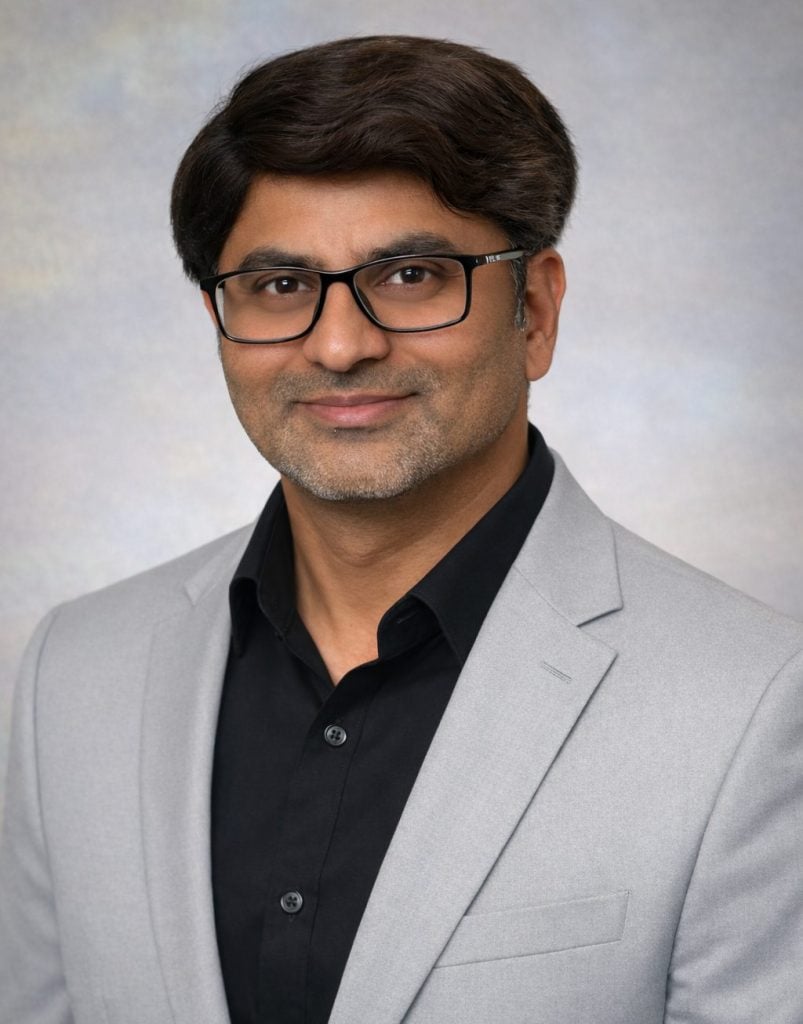
Parisien La Salle specializes in the molecular mechanisms of endocrine signaling. His work is characterized by its technical precision in mapping how hormones interact with specific cellular receptors to trigger physiological responses. This fundamental research is the bedrock upon which new pharmacological treatments are built, offering hope for more targeted therapies for disorders such as osteoporosis and hormonal cancers.
Jagriti Upadhyay is focused on the global crisis of metabolic health, specifically the pathophysiology of obesity and type 2 diabetes. Her research investigates the adipose tissue as an active endocrine organ, examining how inflammatory markers and adipokines contribute to systemic insulin resistance. In the context of a worldwide obesity epidemic, Upadhyay’s efforts to identify new biomarkers for metabolic risk are highly significant.
Qilin Zhang explores the frontiers of reproductive endocrinology and the impact of environmental factors on fertility. Her research addresses how external stressors, including lifestyle factors and environmental pollutants, alter the delicate balance of reproductive hormones. As fertility rates decline in many parts of the industrialized world, Zhang’s work provides a scientific basis for both clinical counseling and environmental advocacy.
A Tradition of Excellence: The History and Evolution of the Awards
The Early Investigator Awards were established as part of the Endocrine Society’s broader mission to support professional development at every stage of a scientist’s career. Since its founding in 1916, the Society has recognized that the transition from a post-doctoral fellow to a principal investigator is one of the most challenging periods in a researcher’s life. The "valley of death" in research funding—the gap between initial training and the attainment of major independent grants—can often stifle promising careers.

To combat this, the Society structured these awards to provide more than just financial assistance. The inclusion of free membership and a presentation slot at the ENDO conference is a strategic move to integrate these researchers into the Society’s professional network. Historically, previous winners of the Early Investigator Awards have gone on to hold prestigious positions at major academic institutions, serve on editorial boards of leading journals, and receive significant funding from organizations such as the National Institutes of Health (NIH) and the European Research Council (ERC).
Chronology of the 2026 Award Cycle and Upcoming Milestones
The path to the 2026 awards began nearly a year prior, with the opening of the application period. Candidates are typically required to submit a comprehensive dossier including their curriculum vitae, a summary of their research accomplishments, and letters of recommendation from established mentors in the field.
Following the announcement of the winners, the timeline for the 2026 cohort includes several key milestones:
- Late 2025: Awardees will begin coordinating with the Society’s program committee to finalize their presentation topics for the annual meeting.
- January 2026: Official commencement of the one-year complimentary membership, granting access to the Society’s high-impact journals, including The Journal of Clinical Endocrinology & Metabolism and Endocrinology.
- Spring 2026: The awardees will be featured in a series of profiles across the Society’s digital platforms and the Endocrine News magazine, highlighting their specific research findings for a broader audience.
- June 2026: The formal presentation of the awards will take place at the ENDO 2026 conference. This event serves as the culmination of the award cycle, where the recipients are introduced to the global endocrine community during a dedicated plenary or awards session.
Broader Impact and Scientific Implications
The recognition of these five investigators has implications that extend far beyond their individual careers. By highlighting research in areas like neuroendocrinology and metabolic health, the Endocrine Society is signaling its priorities for the future of the field. This signal is often picked up by funding agencies and academic departments, which may lead to increased resources being allocated to these specific sub-disciplines.

Furthermore, the diversity of the 2026 awardees—in terms of their research focus and institutional affiliations—underscores the global nature of endocrine science. Hormonal disorders do not respect national borders, and the collaborative spirit fostered by the Endocrine Society ensures that insights gained in one part of the world can be applied globally. The award-winning research of this cohort will likely contribute to updated clinical guidelines and the development of new diagnostic tools that will benefit patients worldwide.
From a policy perspective, the work of investigators like Qilin Zhang and Jagriti Upadhyay provides the empirical evidence needed to advocate for public health initiatives. Whether it is regulating endocrine-disrupting chemicals or implementing community-based metabolic health programs, the data generated by early-career investigators is essential for evidence-based governance.
Official Recognition and Community Response
While formal statements from the winners are typically reserved for the ENDO conference stage, the broader endocrine community has already begun to react to the announcement. Leaders within the Society have noted that the 2026 applicants were among the most competitive in the program’s history, reflecting a high standard of academic excellence in current fellowship and junior faculty programs.
"The caliber of research presented by this year’s Early Investigator Award recipients is truly remarkable," noted a representative of the Society’s Awards Committee in an internal summary. "These individuals are not just participants in their respective fields; they are actively pushing the boundaries of what we know about human physiology and disease. Supporting them now is an investment in the breakthroughs of tomorrow."

The Society also encourages other early-career members to view these awards as a benchmark for professional achievement. By publicizing the accomplishments of Avula, Hilz, La Salle, Upadhyay, and Zhang, the Society provides a roadmap for success for current PhD students and medical residents who are considering a career in endocrine research.
Looking Toward ENDO 2026
As the scientific community prepares for ENDO 2026, the inclusion of the Early Investigator Award presentations is expected to be a highlight of the program. These sessions often attract significant interest from both basic scientists and clinicians, as they provide a glimpse into the future of the discipline. The $1,500 award, while a modest sum in the context of large-scale research budgets, serves as an important "seed" that can help cover travel costs or preliminary data collection for future grant applications.
For those interested in the application process for future cycles, the Endocrine Society maintains a dedicated portal providing details on eligibility and submission requirements. The program remains open to those who have recently completed their advanced degrees or clinical training and are demonstrating significant promise in the field.
In conclusion, the announcement of Sreekant Avula, Emily Hilz, Parisien La Salle, Jagriti Upadhyay, and Qilin Zhang as the 2026 Early Investigator Award winners is a testament to the enduring vitality of endocrine research. Their work promises to address the complex hormonal challenges of the 21st century, ensuring that the Endocrine Society remains at the forefront of medical and scientific progress. The global endocrine community looks forward to their presentations in 2026 and to the many contributions they will undoubtedly make to the field in the decades to come.