








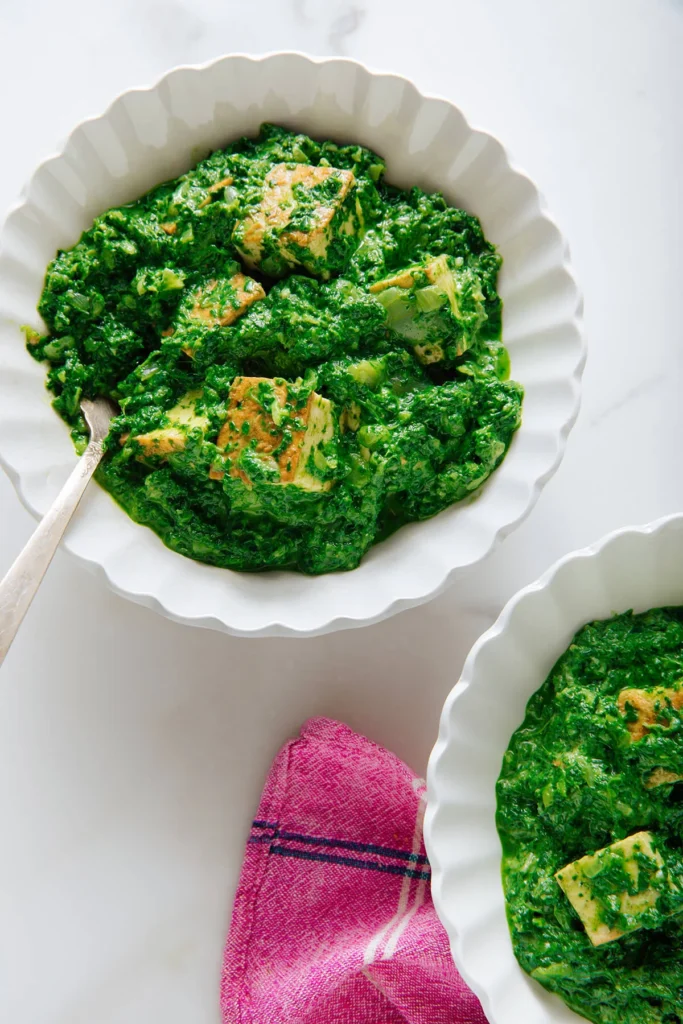
The culinary landscape has been significantly enriched with the introduction of a meticulously developed, streamlined recipe for Palak Paneer, a cherished vegetarian dish originating from India’s northern Punjab region. This new rendition, brought forth by acclaimed culinary expert Kathryne Taylor of Cookie and Kate, aims to demystify the preparation of this restaurant favorite, enabling home cooks to create a flavorful, authentic version in approximately 45 minutes. The recipe’s debut addresses a growing consumer demand for accessible ethnic cuisine and highlights a conscious approach to ingredient sourcing, particularly concerning produce quality and pesticide residues.
The Enduring Appeal of Palak Paneer

Palak Paneer, meaning "spinach and cheese," stands as a cornerstone of North Indian cuisine, celebrated for its rich, vibrant green spinach gravy and tender cubes of paneer, an Indian cottage cheese. Its status as a vegetarian comfort food is well-established, offering a harmonious blend of creamy texture, subtle spices, and the earthy freshness of spinach. The dish is a testament to the versatility of Indian culinary traditions, often served with warm naan bread or fluffy basmati rice, forming a complete and satisfying meal. While widely available in Indian restaurants globally, the intricacies of its preparation have often deterred home cooks from attempting it from scratch.
A Rigorous Development Process for Home Cooks
Kathryne Taylor’s motivation to develop a homemade Palak Paneer recipe stemmed from both personal preference and a desire for greater control over ingredients. A self-professed devotee of the dish, Taylor embarked on a rigorous recipe development journey, spurred by her pregnancy and a heightened awareness of food safety, specifically concerning pesticide residues on common produce. This concern led her to prioritize the use of organic spinach, a choice underscored by data from the Environmental Working Group (EWG). The EWG’s "Dirty Dozen" list frequently highlights spinach as a vegetable with higher pesticide residues by weight compared to other produce, prompting many consumers to seek organic alternatives or more transparent sourcing.

The recipe development was an intensive process, involving "no less than six times" of iterative testing and refinement. This methodical approach aimed to achieve two critical objectives: maximizing flavor depth and streamlining the preparation process. The result is a recipe that promises robust taste profiles typical of traditional Palak Paneer, yet is engineered for efficiency, reducing the typical cooking time significantly to just under an hour. This focus on both culinary integrity and practical accessibility reflects a broader trend in modern cooking, where enthusiasts seek authentic flavors without requiring extensive time commitments.
Key Innovations and Ingredient Considerations
The newly unveiled Palak Paneer recipe introduces several thoughtful adaptations and offers flexible ingredient options designed to cater to diverse preferences and availability.

1. Addressing Spinach Quality and Choice:
The recipe emphasizes the use of fresh spinach, noting its "lively flavor." However, it also acknowledges the practicality and nutritional value of frozen spinach, providing guidance on proper storage to avoid freezer burn and ensure optimal taste. The initial impetus for the recipe—concerns over pesticide residues—serves as a crucial backdrop, encouraging home cooks to consider organic spinach or carefully sourced conventional options. This highlights an increasing consumer consciousness about the journey of food from farm to table.
2. Paneer: The Heart of the Dish:
Paneer, a non-melting fresh cheese, is central to the dish. The recipe provides flexibility regarding the quantity of paneer, accommodating common package sizes ranging from 8 to 12 ounces. This practical consideration ensures that cooks can utilize whatever is available in their local grocery stores, with the understanding that a larger quantity will yield a "very cheesy dish," a welcome prospect for many enthusiasts. The preparation of paneer, often involving a light baking process, contributes to its tender texture and slight crust, enhancing the overall sensory experience.
3. Fat Choice: Tradition Meets Modernity:
Traditionally, Palak Paneer is prepared with ghee, a clarified butter renowned for its distinct nutty and caramel notes, which imparts a unique depth of flavor. Recognizing that ghee may not be a pantry staple for every home cook, the recipe thoughtfully offers alternatives such as olive oil or avocado oil. While these oils may not contribute the same nuanced flavor profile as ghee, the recipe assures that they will not be detectable in the finished dish, maintaining the integrity of the primary flavors while offering a more accessible option. This flexibility is key to broadening the recipe’s appeal.

4. Dairy Emulsification: Yogurt vs. Cream:
The choice of dairy—Greek yogurt or heavy cream—presents a significant point of differentiation in the recipe. Greek yogurt introduces a "tang that makes the dish taste more lively," adding a subtle acidity that can brighten the overall flavor profile. However, its use requires a specific technique: tempering the yogurt before incorporation to prevent curdling. The recipe includes clear instructions for this simple but crucial step, ensuring a smooth, cohesive gravy. Conversely, heavy cream offers a richer, more mellow taste, smoothing out other flavors. Its high-fat content negates the need for tempering, simplifying the process for those prioritizing ease or a more indulgent texture. This choice allows cooks to tailor the dish to their preferred richness and flavor balance.
The Broader Impact: Demystifying Indian Cuisine and Promoting Conscious Cooking
This new Palak Paneer recipe holds significant implications beyond the individual kitchen. By simplifying a traditionally complex dish, it contributes to the ongoing democratization of global cuisines, making authentic flavors accessible to a wider audience of home cooks. This trend is vital for cultural exchange and culinary exploration, encouraging individuals to experiment with diverse ingredients and cooking methods.

Furthermore, the emphasis on ingredient quality, particularly the discussion surrounding organic spinach and pesticide residues, aligns with a growing consumer movement towards conscious eating. As awareness about food safety, environmental impact, and personal health continues to rise, recipes that integrate these considerations become increasingly valuable. By explicitly referencing the EWG and encouraging informed choices, the recipe promotes a healthier, more sustainable approach to home cooking.
The efficiency of the 45-minute preparation time also addresses a common barrier to home cooking: lack of time. In an era of busy schedules, quick yet flavorful recipes are highly sought after. This Palak Paneer offering proves that authentic, wholesome meals can be achieved without sacrificing hours in the kitchen, making it an attractive option for weeknight dinners or impromptu gatherings.
Palak Paneer vs. Saag Paneer: A Clarification

An important distinction clarified within the recipe’s context is that between Palak Paneer and Saag Paneer. "Palak" specifically refers to spinach, hence Palak Paneer is exclusively a spinach-based dish. "Saag," on the other hand, is a broader term encompassing various leafy greens, including mustard greens, kale, or a combination thereof. This recipe can be easily adapted to create a "Saag Paneer" by substituting other leafy greens for spinach, with frozen kale cited as a successful alternative. This adaptability further enhances the recipe’s utility and encourages culinary experimentation.
Serving Suggestions for a Complete Indian Feast
To fully appreciate the culinary experience of Palak Paneer, traditional accompaniments are highly recommended. Warm naan, a leavened flatbread typically baked in a tandoor oven, is an ideal choice for scooping up the rich gravy. Alternatively, fluffy basmati rice, known for its aromatic fragrance and long grains, provides a comforting base.

For those wishing to create a more expansive Indian meal, the Palak Paneer can be complemented by a variety of dishes. A hearty lentil preparation such as Dal Makhani or Dal Tadka would offer contrasting textures and flavors. A refreshing Raita, a yogurt-based side dish often flavored with cucumber or mint, provides a cooling counterpoint to the spices. Appetizers like crispy Samosas or a vibrant Mango Chutney could further enhance the dining experience, creating a diverse and authentic Indian spread.
Expert Endorsement and Continued Culinary Exploration
The culmination of rigorous testing and thoughtful ingredient selection has resulted in a Palak Paneer recipe that promises both authenticity and accessibility. Inspired in part by the culinary insights of notable chefs like Aarti Sequeira and Anita Jaisinghani, this homemade version stands as a testament to the power of dedicated recipe development. The enthusiastic reception from those who have already tried the recipe underscores its success in delivering maximum flavor in a streamlined format.

As consumers continue to seek both culinary adventure and practical solutions in their kitchens, recipes like this Palak Paneer will play an increasingly vital role. They not only bring global flavors to the home dining table but also empower individuals to make informed choices about the food they consume, fostering a more mindful and enjoyable cooking experience.