


Addressing the Zucchini Dilemma: A Culinary Challenge Overcome
For many home cooks and even professional chefs, zucchini presents a unique set of challenges. Its high water content, typically around 95%, makes it notoriously difficult to achieve a desirable texture when cooked. Common outcomes include a watery, flaccid consistency or an unpleasant "squeaky" mouthfeel, leading many to avoid cooked zucchini altogether on restaurant menus or in their own meal planning. Traditional methods, such as roasting, often fail to adequately evaporate this internal moisture before the exterior begins to char, resulting in an interior that remains undesirably soft or even mushy. This prevalent issue has historically limited zucchini’s potential as a star side dish, relegating it to less prominent roles in stews, gratins, or raw applications.
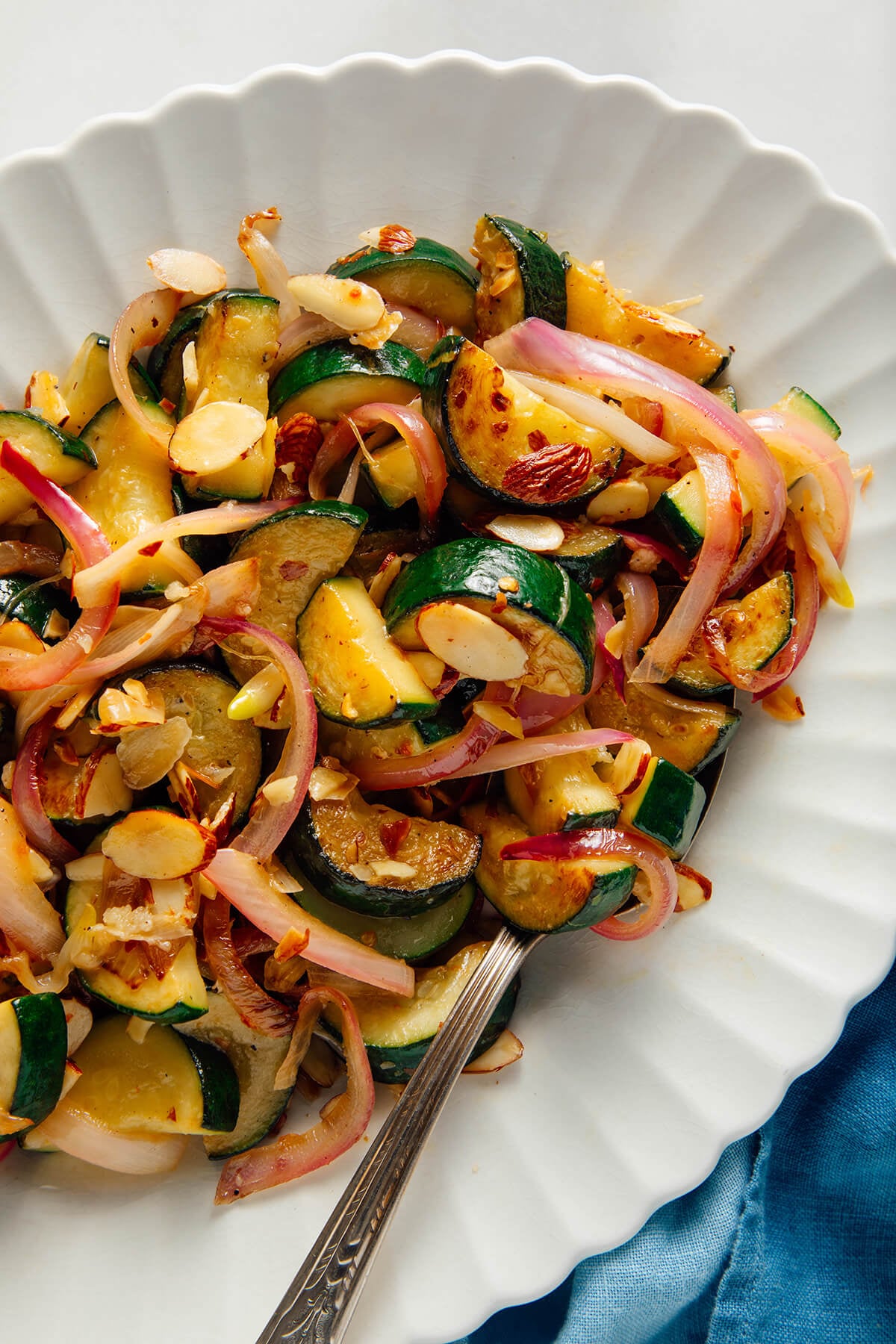
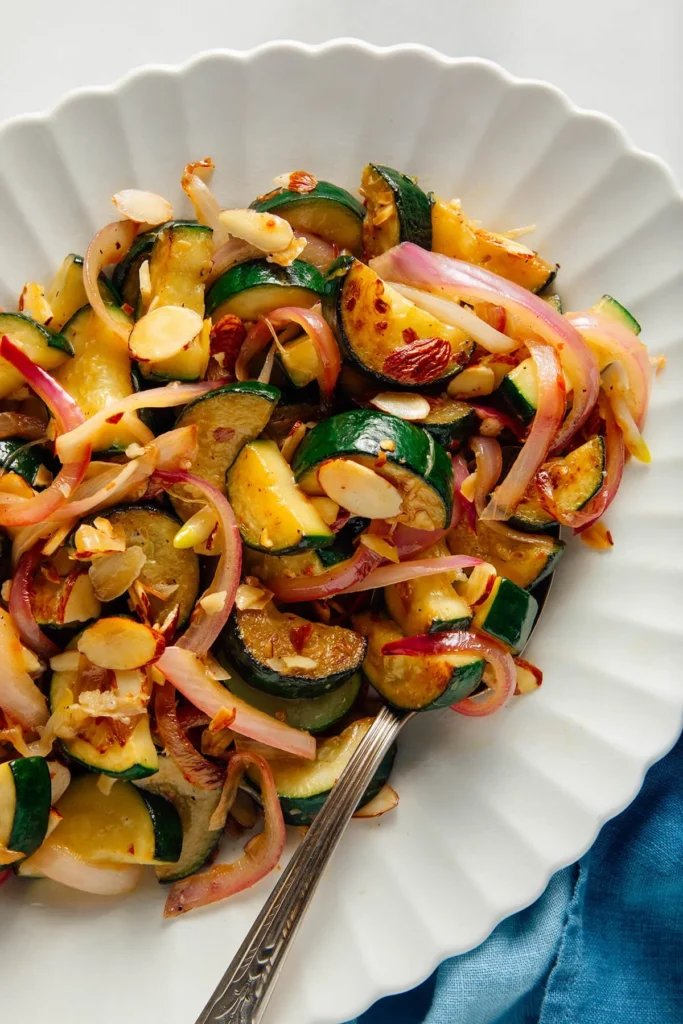
However, the method championed by Taylor directly confronts this "zucchini dilemma." By focusing on strategic cutting, controlled heat application, and specific pan management, the recipe aims to caramelize the exterior of the zucchini pieces while achieving a tender-crisp interior. This delicate balance, crucial for an enjoyable vegetable dish, transforms what many consider a bland or problematic ingredient into a flavorful and texturally appealing component of any meal. The successful execution of this technique represents a significant culinary refinement, offering a blueprint for maximizing zucchini’s inherent qualities rather than battling its structural composition.

The Genesis of a Culinary Innovation: From Inspiration to Perfection
The origin of this lauded zucchini preparation traces back to a casual summer gathering in St. Louis, where Taylor and her partner were introduced to the concept by their friend, Erika. The initial dish, served alongside pasta and grilled fare on a back porch, left a lasting impression, prompting Taylor to seek out the recipe. The flavors and textures immediately resonated, reminding her of another beloved vegetable side, green beans amandine—a classic French preparation featuring green beans tossed with toasted almonds and lemon. This connection proved pivotal, suggesting a pathway to adapting a time-honored technique to a new vegetable.
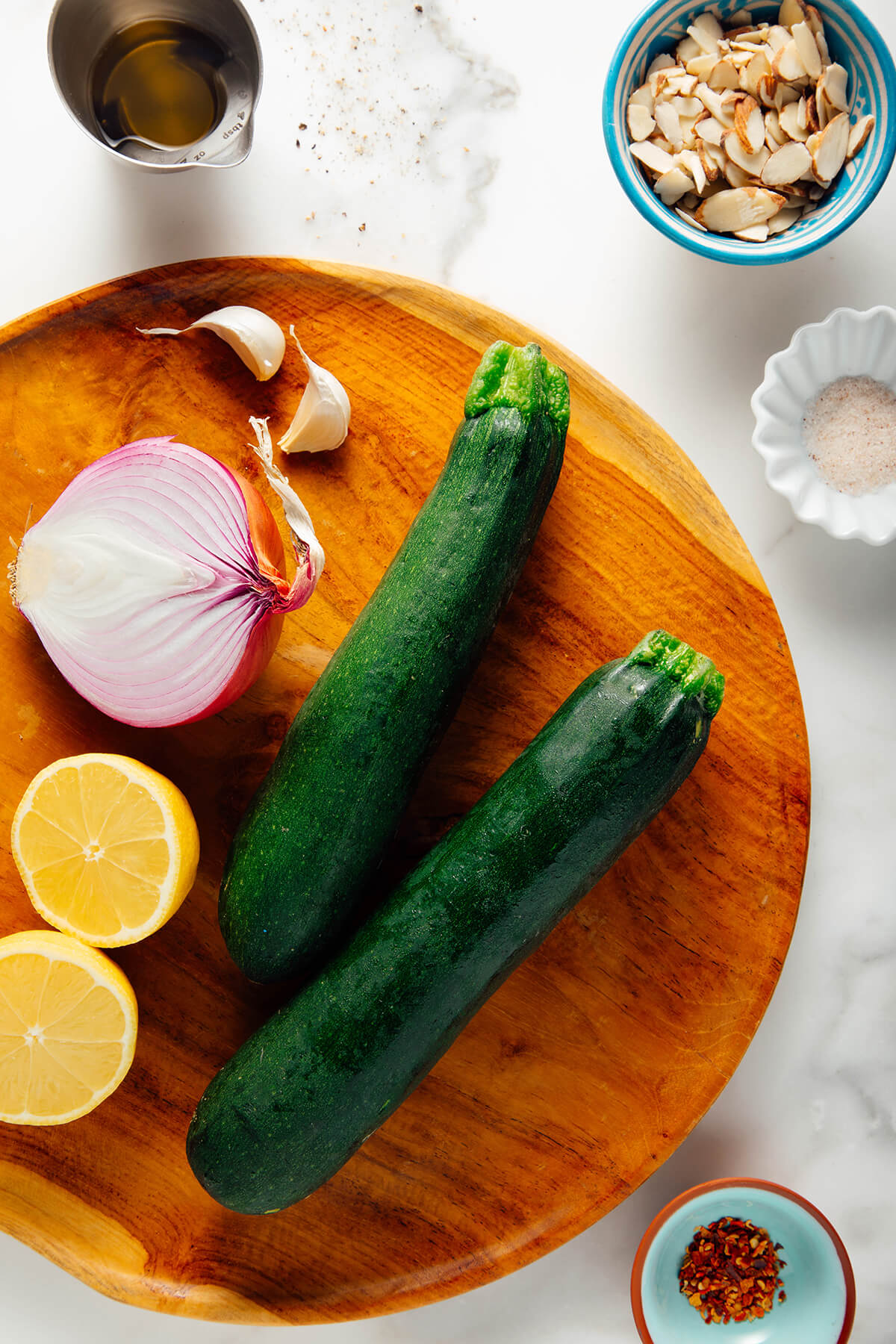
The process of developing and perfecting the recipe for sautéed zucchini was not merely a replication but an iterative refinement. Taylor undertook rigorous testing to optimize each step, particularly the cooking method itself. Her experimentation focused on addressing the common pitfalls associated with zucchini preparation. This included evaluating various cutting dimensions, exploring different cooking fats, and critically assessing the impact of pre-salting—a widely recommended but often controversial step in zucchini recipes. The goal was to develop a method that consistently yielded browned, tender zucchini, free from the undesirable characteristics of its poorly prepared counterparts. The result is a testament to meticulous culinary development, transforming a simple home-cooked inspiration into a widely shareable, perfected technique.
Deconstructing the Method: A Scientific Approach to Sautéing Zucchini
The success of this particular sautéed zucchini recipe lies in its adherence to several key culinary principles, each meticulously optimized to achieve the desired texture and flavor.
-
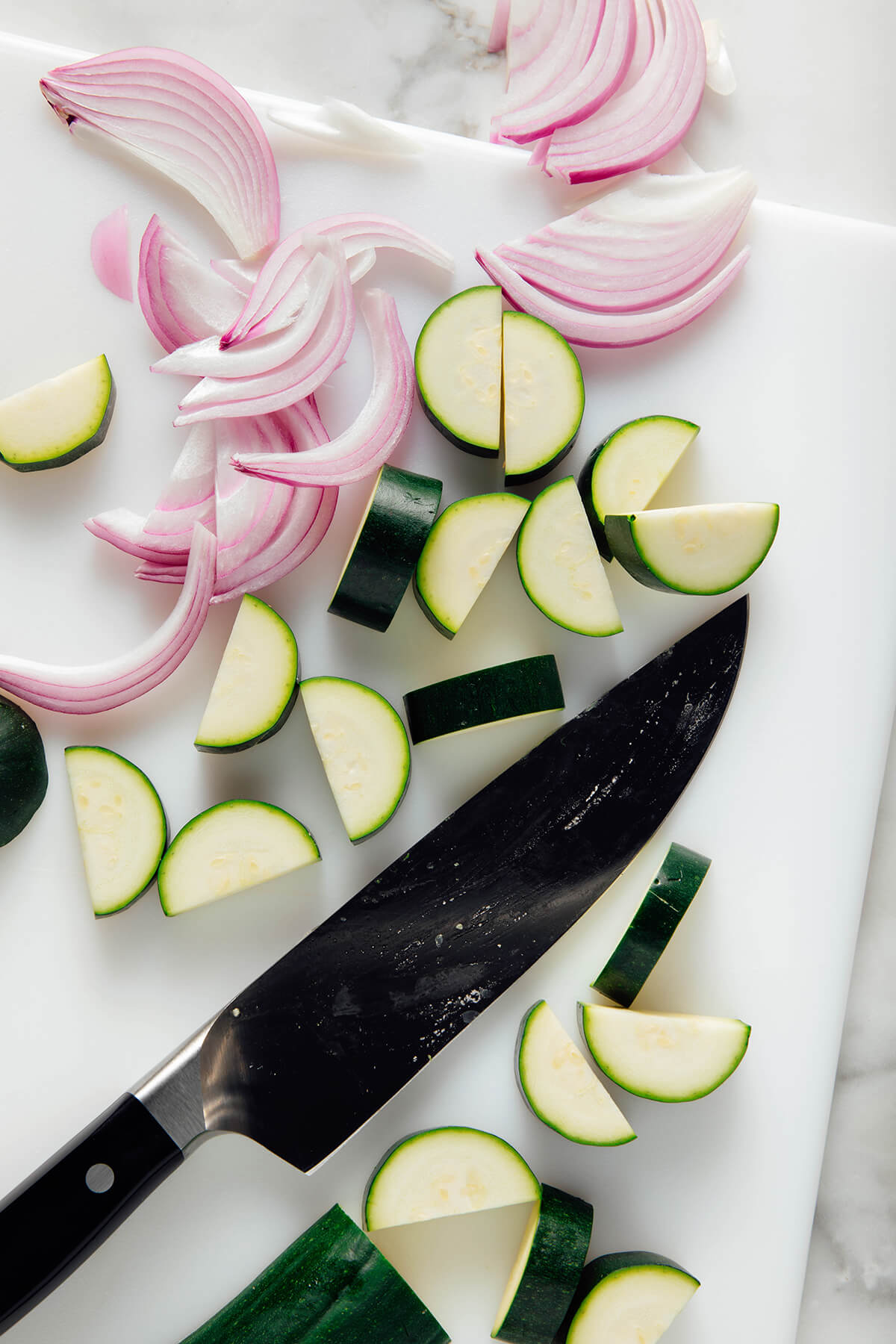
Optimal Cut for Browning and Texture: The recipe specifies cutting zucchini into 1/2-inch thick chunks. This dimension is crucial for several reasons. Thicker pieces provide sufficient structural integrity, preventing them from collapsing into mush during cooking. More importantly, they offer an adequate surface area to make direct contact with the hot pan, facilitating the Maillard reaction—the complex chemical process responsible for browning and the development of rich, savory flavors. If the pieces were cut too thin, they would quickly overcook internally before achieving proper caramelization, leading to a limp, unappetizing result. Conversely, overly thick pieces would require longer cooking times, potentially steaming rather than browning, or remaining raw in the center.
-
Debunking the Pre-Salting Myth: A common recommendation in many zucchini recipes is to pre-salt the vegetable and let it sit to draw out excess moisture, thereby preventing sogginess. However, Taylor’s testing revealed this step to be largely unnecessary and potentially detrimental. While salting does indeed draw out water via osmosis, it often leaves the zucchini overly salty, even after rinsing, or introduces an additional, time-consuming step that yields negligible improvement in final texture. As corroborated by culinary resources like The Kitchn, modern cooking techniques and proper heat management can effectively address moisture concerns without the need for pre-salting. By cooking the zucchini "as-is" in a hot pan, the moisture is released and evaporated quickly, allowing for direct browning without excessive salt absorption.
-
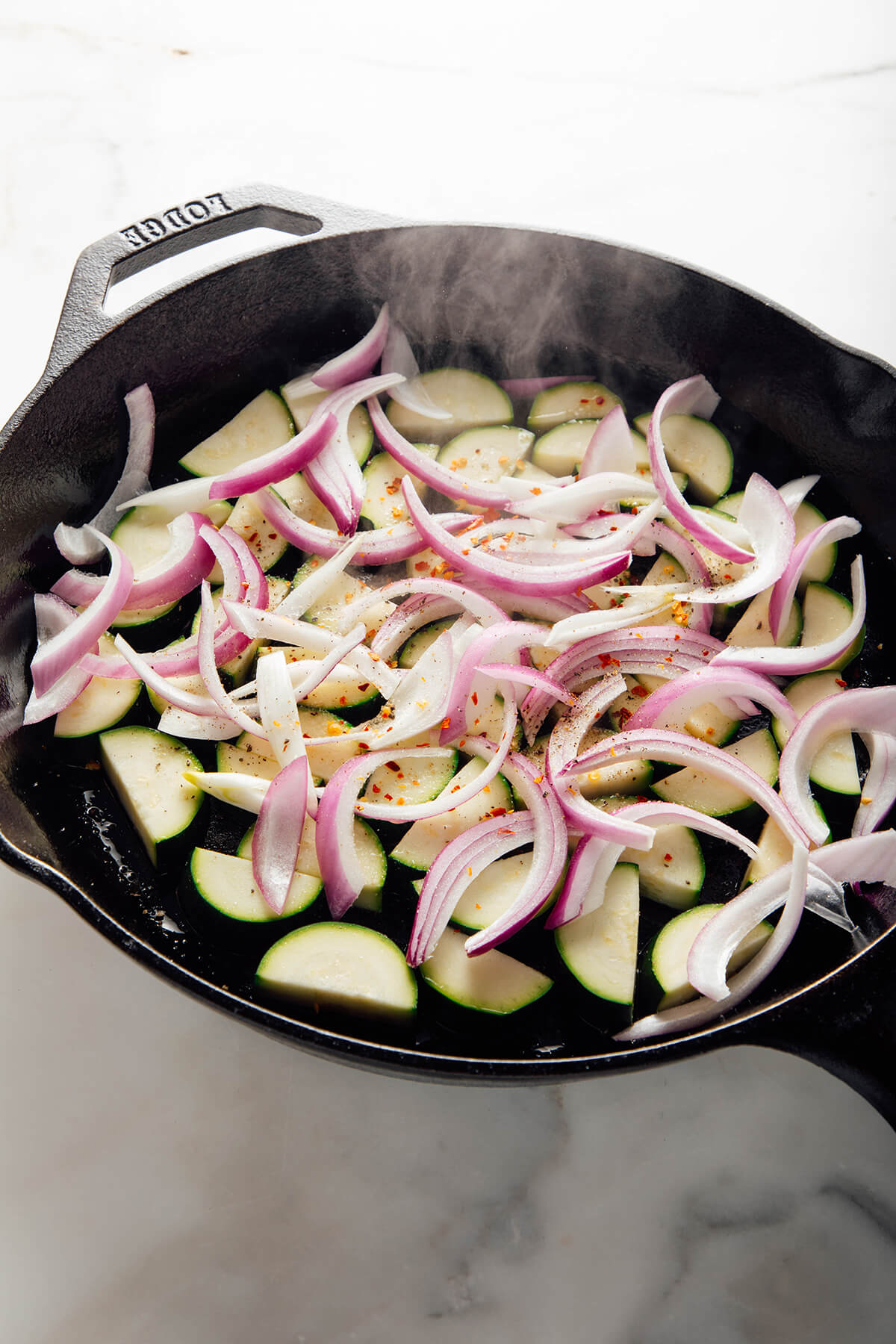
Strategic Pan Management and Heat Control: The choice of cookware and the management of heat are paramount. A large, 12-inch pan is recommended for a pound of zucchini, ensuring that the pieces are not overcrowded. Overcrowding is a critical error in sautéing, as it lowers the pan’s temperature and traps steam, causing vegetables to steam rather than brown. The objective is for the zucchini to be in direct contact with the hot surface to achieve caramelization.
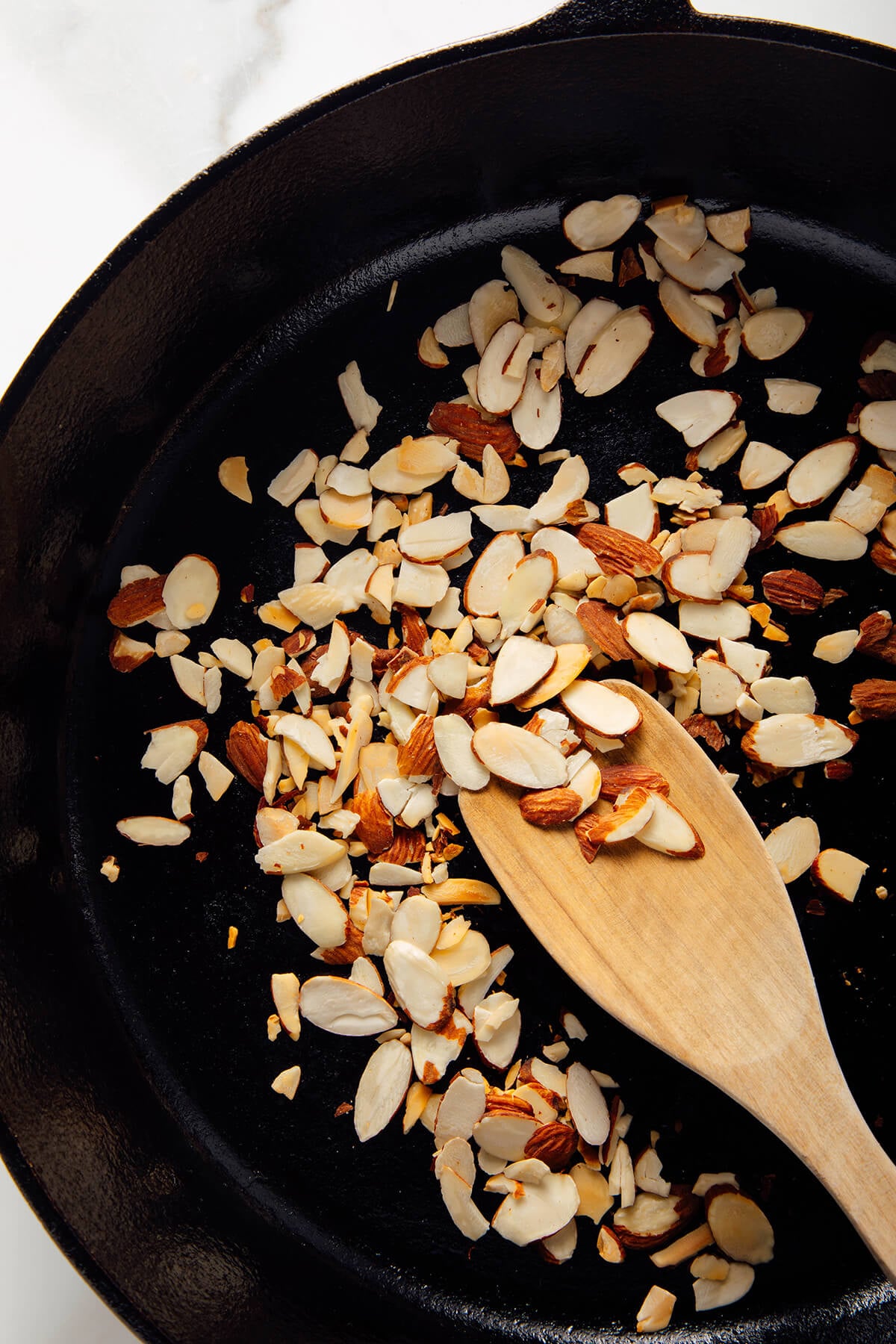
- Toasting Nuts First: If using almonds, toasting them in the pan first serves a dual purpose: it develops their nutty flavor and ensures the pan is adequately preheated for the zucchini. This maximizes efficiency and ensures consistent heat from the outset.
- Oil Splatter Precaution: Zucchini, being rich in water, will release moisture upon hitting a hot, oiled pan, leading to oil splatters. Using a spatula, tongs, or a large spoon to carefully add the zucchini is a practical safety measure.
- Controlled Stirring: Unlike constant stirring, which prevents browning, the recipe advises an initial two-minute undisturbed cook, followed by stirring only every minute or two. This deliberate approach allows the zucchini surfaces to develop a deep golden-brown crust, indicative of the Maillard reaction, before being turned to brown on another side. This careful balance between heat exposure and movement is key to achieving a uniformly browned and tender product.
-
Flavor Integration: A Harmonious Profile: Beyond the perfected cooking technique, the recipe’s success is amplified by its thoughtful flavor profile. Thinly sliced red onion caramelizes alongside the zucchini, adding a subtle sweetness and depth. Toasted sliced almonds introduce a delightful crunch and nutty aroma, reminiscent of the "amandine" style. Fresh garlic, added at the appropriate stage, infuses the dish with its aromatic warmth, while a final squeeze of lemon juice provides a crucial bright acidity that cuts through the richness and enhances the overall vibrancy of the dish. This combination of sweet, savory, nutty, aromatic, and tart elements creates a complex yet balanced flavor experience that transforms zucchini from a bland vegetable into a captivating side.
Nutritional Profile and Dietary Adaptability
Beyond its culinary appeal, this sautéed zucchini dish offers significant nutritional benefits and caters to a wide array of dietary preferences. Zucchini itself is a powerhouse of essential nutrients, including Vitamin C, Vitamin A (especially in its skin), potassium, and dietary fiber. It is remarkably low in calories, making it an excellent choice for weight management and healthy eating. The cooking method, which emphasizes sautéing with minimal oil (as opposed to deep-frying), helps to preserve these nutrients while keeping the dish light.
The recipe is inherently accommodating for various dietary needs:
- Dairy-Free: Contains no dairy products.
- Gluten-Free: All ingredients are naturally gluten-free.
- Soy-Free: No soy products are used.
- Vegan: The recipe is entirely plant-based, making it suitable for vegan and vegetarian diets.
These attributes make the sautéed zucchini a highly inclusive dish, appealing to a broad demographic of health-conscious individuals and those with specific dietary restrictions. The focus on fresh, whole ingredients further aligns with contemporary trends towards clean eating and plant-forward meals.
Summer Culinary Impact and Versatility
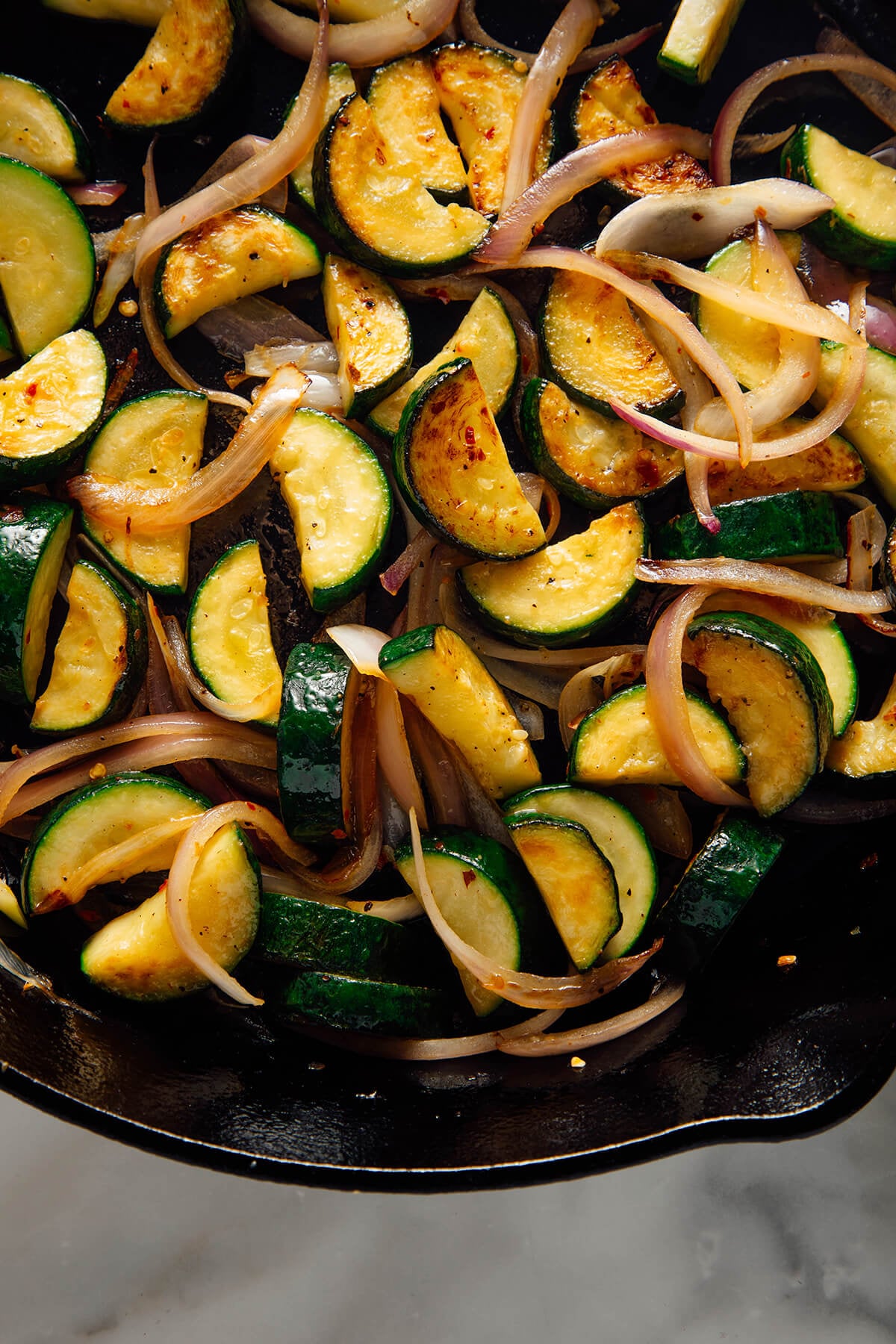
This refined sautéed zucchini is positioned as the quintessential summertime side dish. Its light and flavorful nature makes it ideal for warmer months, providing a refreshing counterpoint to heavier main courses. The preparation time, approximately 10 minutes, is remarkably short, making it a convenient option for busy weeknights and a practical choice when trying to avoid overheating the kitchen during hot weather.
The dish’s flavor profile, with its fresh garlic, lemon, and caramelized notes, naturally complements other seasonal produce such as ripe tomatoes, sweet corn, and fragrant basil. This makes it an excellent addition to summer potlucks, barbecues, and al fresco dining experiences. Its Mediterranean-style influences ensure it pairs harmoniously with a variety of grilled meats, fish, or plant-based proteins, as well as pasta dishes. The ability of the dish to reheat well further extends its utility, allowing for meal prepping and enjoyment over several days without compromising quality. This versatility ensures its relevance across diverse culinary contexts and meal planning scenarios throughout the summer and early fall harvest seasons.
Broader Implications for Home Cooking and Food Appreciation
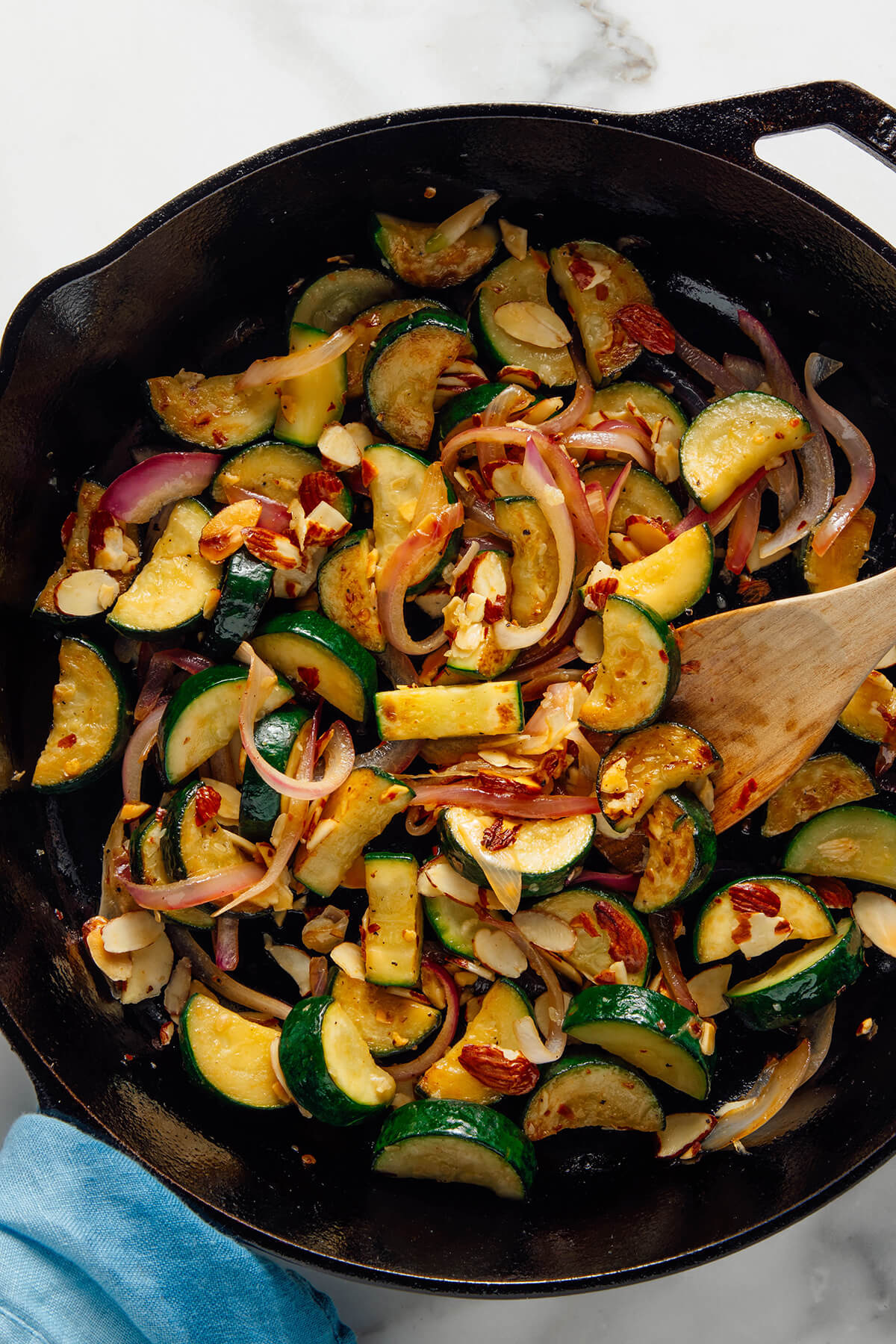
The widespread adoption of this perfected zucchini sautéing technique holds broader implications for home cooking and our appreciation of common vegetables. By demystifying the preparation of a notoriously tricky ingredient, the recipe empowers home cooks to approach zucchini with confidence, potentially leading to increased consumption of this nutritious vegetable. This could contribute to healthier diets and a reduction in food waste, as more home cooks find enjoyable ways to utilize abundant summer squash.
Moreover, the detailed explanation of why certain techniques work—such as the optimal cut size, the importance of pan temperature, and the role of controlled stirring—fosters a deeper understanding of culinary science among enthusiasts. It encourages a more analytical and experimental approach to cooking, moving beyond mere recipe following to a genuine mastery of ingredients and methods. This shift can elevate the overall quality of home-cooked meals and cultivate a greater appreciation for the nuanced art of vegetable preparation. The invitation for readers to share their experiences in the comments section further solidifies this approach, creating a community of practice where culinary knowledge is shared and refined, contributing to a collective elevation of cooking skills.
In conclusion, Kathryne Taylor’s "ultimate zucchini side dish" is more than just a recipe; it is a meticulously developed culinary solution that addresses a long-standing challenge in home cooking. Through its precise method, thoughtful flavor profile, and inherent versatility, it transforms zucchini from a potentially problematic ingredient into a celebrated, vibrant, and consistently delicious component of summer meals. This innovation promises to become a staple for many, proving that with the right technique, even the most challenging vegetables can achieve culinary perfection.