







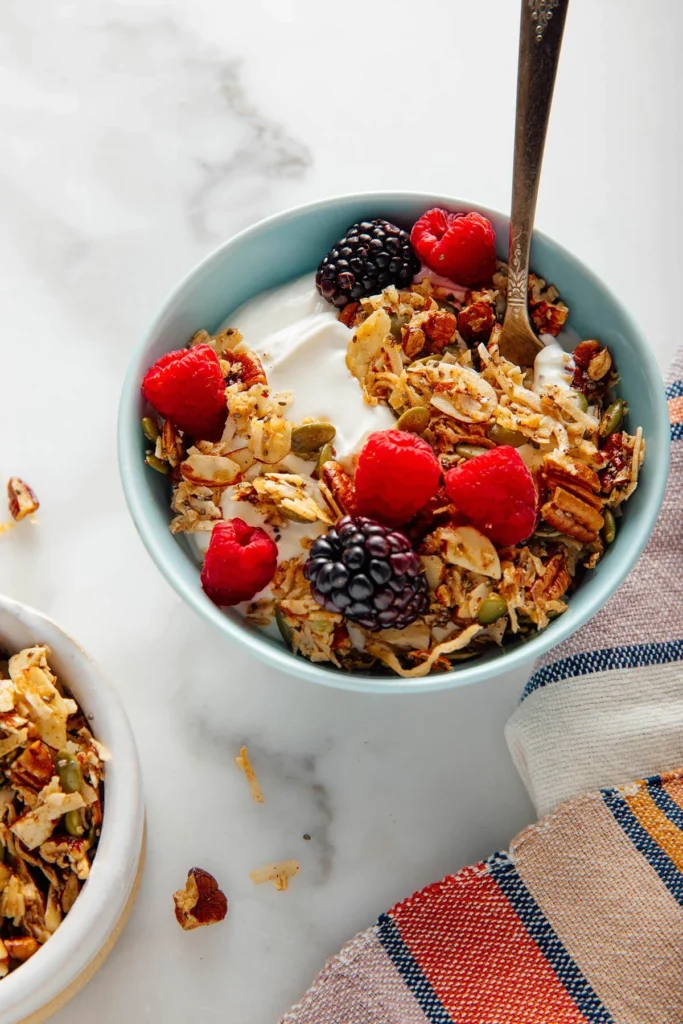
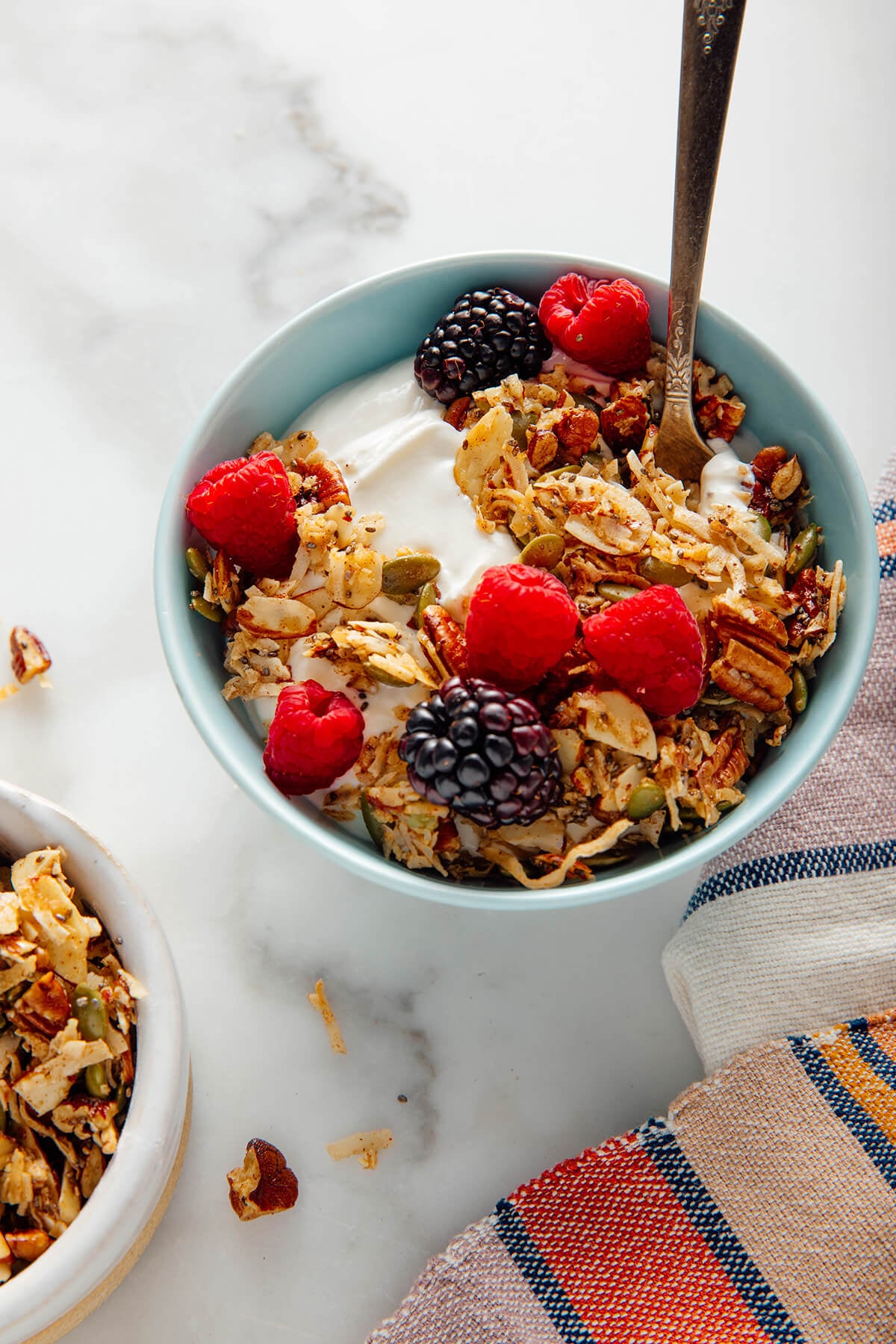
Grain-free granola has emerged as a significant dietary innovation, offering a nutrient-dense alternative to traditional oat-based varieties and catering to a growing segment of health-conscious consumers. This distinct category of granola, characterized by its reliance on nuts, seeds, and coconut, provides a sweet, nutty crunch that has become an irresistible staple for many seeking specific dietary modifications. Its appeal extends beyond mere preference, addressing critical health needs such as blood sugar management for conditions like gestational diabetes and aligning with popular dietary philosophies including Paleo, Ketogenic, and gluten-free lifestyles. The widespread adoption of such alternatives underscores a broader shift in consumer awareness towards personalized nutrition and functional foods.
The concept of grain-free granola initially presented a paradox to many, accustomed to granola’s foundational ingredient: oats. However, its development was often driven by necessity, particularly for individuals navigating specific health challenges. One prominent example is gestational diabetes, a condition affecting approximately 2% to 10% of pregnancies in the United States annually, according to the Centers for Disease Control and Prevention (CDC). This temporary form of diabetes requires meticulous blood sugar management through diet and, in some cases, medication, to ensure the health of both mother and baby. For pregnant individuals facing this diagnosis, dietary modifications become paramount, often involving a reduction in carbohydrate intake to stabilize glucose levels. It was within this context that the practicality and benefits of grain-free options became strikingly clear, transforming once perplexing concepts into essential dietary tools.
The journey to popularize grain-free granola has been significantly influenced by pioneering work in nutritional science and dietary education. Dietitians such as Lily Nichols, author of "Real Food for Pregnancy," have championed low-carbohydrate and nutrient-dense approaches for managing gestational diabetes and promoting optimal prenatal health. Nichols’ research and practical guidelines have provided a robust framework for understanding how diet impacts maternal and fetal well-being, particularly in relation to blood sugar control. Her emphasis on whole, unprocessed foods, healthy fats, and adequate protein, while carefully managing carbohydrate sources, directly supports the inclusion of foods like grain-free granola. This professional endorsement lends significant credibility to the movement, moving it beyond a niche trend to a medically relevant dietary strategy. The adaptation of foundational recipes, as seen in the evolution of this particular grain-free granola from Nichols’ original, exemplifies how expert guidance is translated into accessible, enjoyable food options for everyday consumption.
Beyond specific medical conditions, the broader landscape of dietary trends has fueled the demand for grain-free products. The rise of ancestral eating patterns like the Paleo diet, which eschews grains, legumes, and dairy, and the increasingly popular Ketogenic diet, which severely restricts carbohydrates to induce ketosis, have cultivated a substantial consumer base actively seeking grain-free alternatives. Similarly, the growing awareness of gluten sensitivity and celiac disease has led to a widespread demand for gluten-free products, often overlapping with grain-free categories. While oats are naturally gluten-free, cross-contamination risks and the desire for diverse dietary profiles still drive many towards completely oat-free options. The market for gluten-free foods alone was valued at over $6 billion in 2022 and is projected to grow significantly, indicating a strong consumer appetite for specialized dietary products. Grain-free granola effectively taps into these multiple, overlapping dietary needs, offering a versatile and palatable solution.
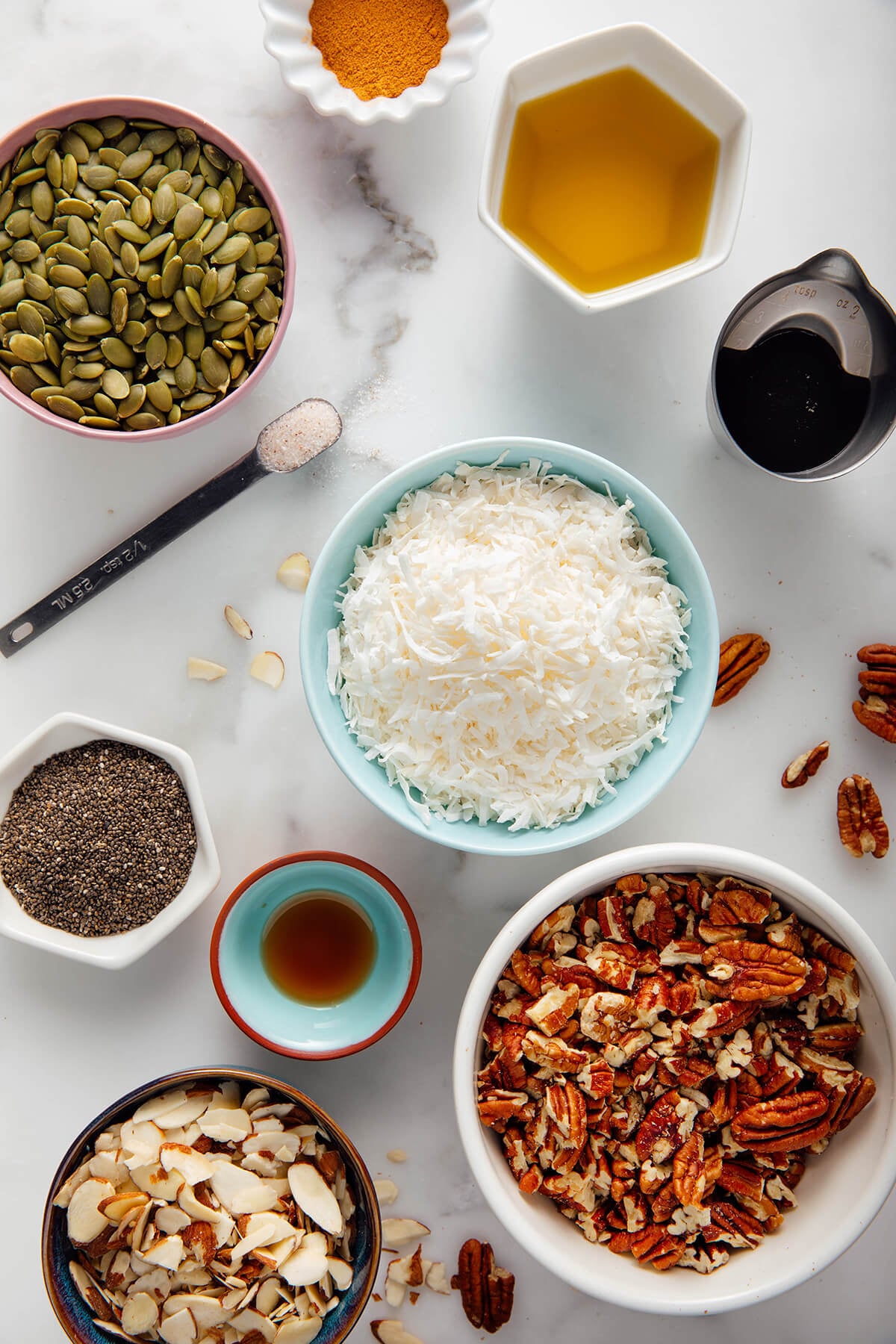
The nutritional advantages of grain-free granola are substantial, stemming from its core ingredients. Typically composed of various nuts, seeds, and shredded coconut, bound by natural sweeteners like maple syrup or honey and healthy fats such such as coconut oil, this granola is a powerhouse of essential nutrients. Nuts like almonds, pecans, and walnuts are rich in monounsaturated and polyunsaturated fats, fiber, vitamin E, magnesium, and antioxidants. For instance, almonds are particularly noted for their role in heart health and blood sugar regulation, while walnuts are an excellent source of omega-3 fatty acids. Seeds, including chia, flax, and pepitas (pumpkin seeds), further augment the nutritional profile. Chia seeds are renowned for their high fiber content and omega-3s, contributing to satiety and digestive health. Flax seeds offer lignans, which have antioxidant and phytoestrogen properties, alongside their fiber and omega-3 benefits. Pepitas provide zinc, magnesium, and plant-based protein. Coconut, in its shredded form, adds healthy medium-chain triglycerides (MCTs), which are easily digestible and provide a quick source of energy, alongside dietary fiber. This combination creates a snack that is not only satisfying but also contributes significantly to daily nutrient intake, promoting stable energy levels and satiety compared to higher-carbohydrate alternatives.
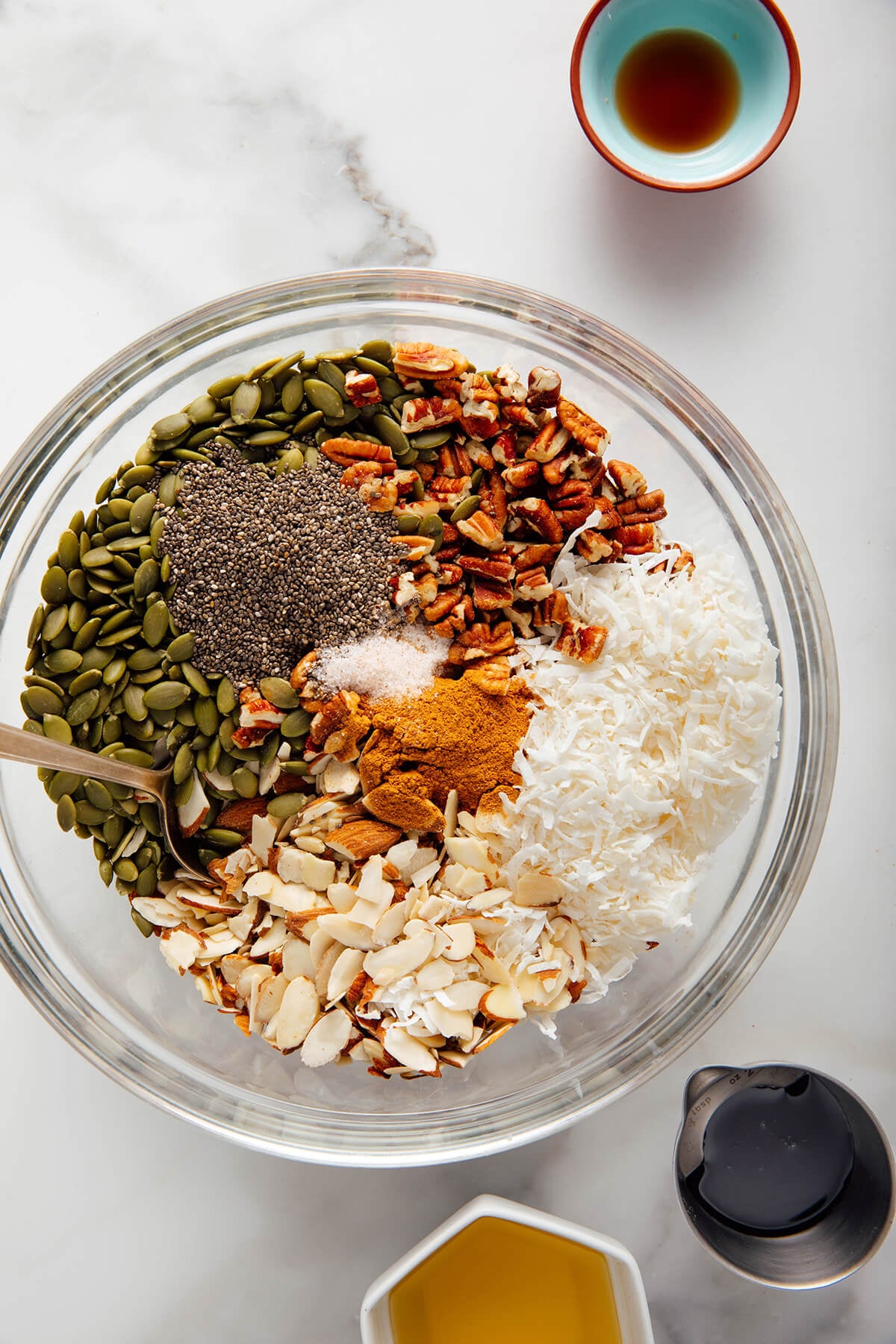
The adaptability of grain-free granola recipes is another key factor in its widespread appeal and utility. The fundamental structure allows for extensive customization, empowering consumers to tailor the product to their pantry availability, taste preferences, and specific nutritional goals. For example, the choice of nuts is highly flexible; one can swap pecans for walnuts, or introduce cashews, provided larger nuts are chopped to ensure even baking and texture. The amount and type of coconut can also be adjusted: those averse to coconut can replace it with additional nuts or seeds, while coconut enthusiasts can increase its proportion, potentially up to three cups, by reducing other components. The preference for finely shredded coconut over larger flakes is often cited for its superior, lighter texture. Optional additions like chia or flax seeds serve not only as flavor enhancers but also as significant nutritional boosters, offering extra fiber and omega-3 fatty acids. While chia seeds contribute a more noticeable visual and textural element, flax seeds tend to integrate more subtly. Even flavorings are open to interpretation; cinnamon can be omitted for a purer nutty taste or swapped for seasonal spice blends like pumpkin spice, allowing the granola to adapt to various culinary contexts and times of the year. This high degree of customizability ensures that the grain-free granola can remain a fresh and appealing option for diverse palates and dietary requirements.
Preparation of grain-free granola is generally straightforward, emphasizing quality ingredients and precise baking techniques to achieve the desired crisp texture and flavor. Recipe tips frequently highlight the importance of using fresh nuts and seeds, as rancid ingredients can significantly compromise the final taste. Pre-chopped nuts, such as pecans, can simplify the preparation process, reducing the need for extensive knife work. The mixture, typically coated with a blend of natural sweetener and healthy fat, is spread evenly on a baking sheet. Crucially, allowing the granola to cool completely on the baking sheet after baking is often recommended to promote the formation of desirable clusters, enhancing its appeal and crunch. This process ensures that the healthy fats solidify, binding the ingredients together into convenient, bite-sized pieces.
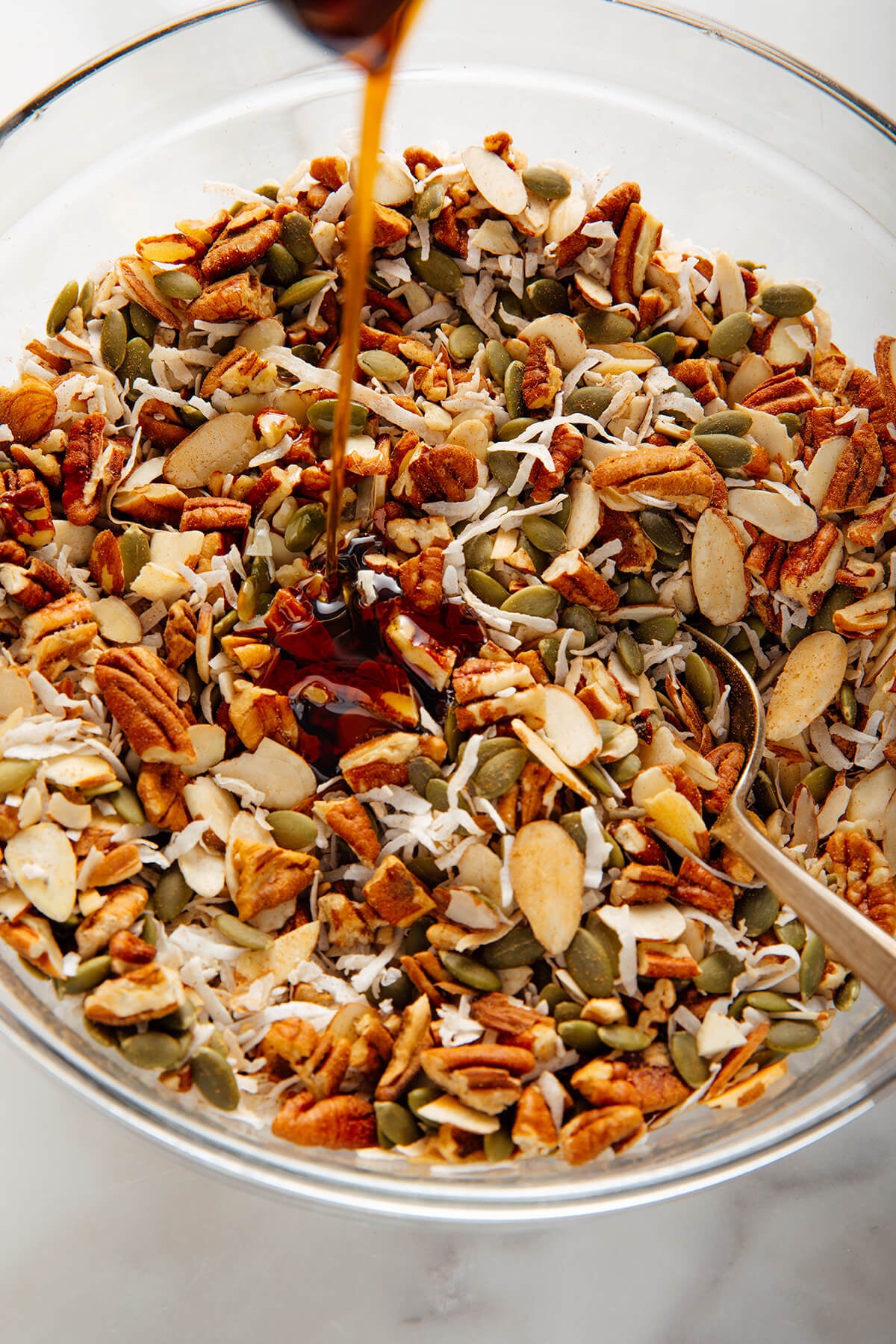
The applications for grain-free granola extend far beyond a simple breakfast cereal. Its versatility makes it an excellent addition to a variety of meals and snacks, adding a significant dose of nutty texture and flavor. It is a natural pairing for dairy or non-dairy yogurts, such as Greek yogurt, providing a boost of plant-based protein and fiber that complements the creamy texture. It can also be sprinkled over smoothie bowls, adding crunch and depth to fruit and vegetable blends. For a quick and nutritious snack, a handful of grain-free granola can be enjoyed on its own. Furthermore, it can be incorporated into baked goods, used as a topping for fruit crumbles or crisps, or even added to salads for an unexpected textural element. Its robust flavor profile also makes it suitable for more creative culinary uses, highlighting its role as a flexible ingredient in a health-conscious kitchen.
From a market perspective, the sustained growth in demand for specialized dietary products signals a maturing understanding among consumers about the link between diet and health. According to market research reports, the global healthy snacks market, which includes products like grain-free granola, is projected to reach over $100 billion by 2027, growing at a compound annual growth rate (CAGR) of approximately 5-7%. This growth is driven by increasing health awareness, rising prevalence of diet-related diseases, and a willingness to pay a premium for products perceived as healthier or aligned with specific dietary regimens. The development of grain-free granola illustrates how food manufacturers and home cooks alike are responding to these evolving consumer demands, creating products that are not only nutritious but also delicious and satisfying. The ability to make it nut-free by substituting additional pepitas or sunflower seeds further broadens its market appeal to individuals with nut allergies, demonstrating an inclusive approach to specialized food development. Similarly, the option to make it vegan by choosing maple syrup over honey caters to plant-based diets, reflecting the diverse ethical and dietary choices of modern consumers.
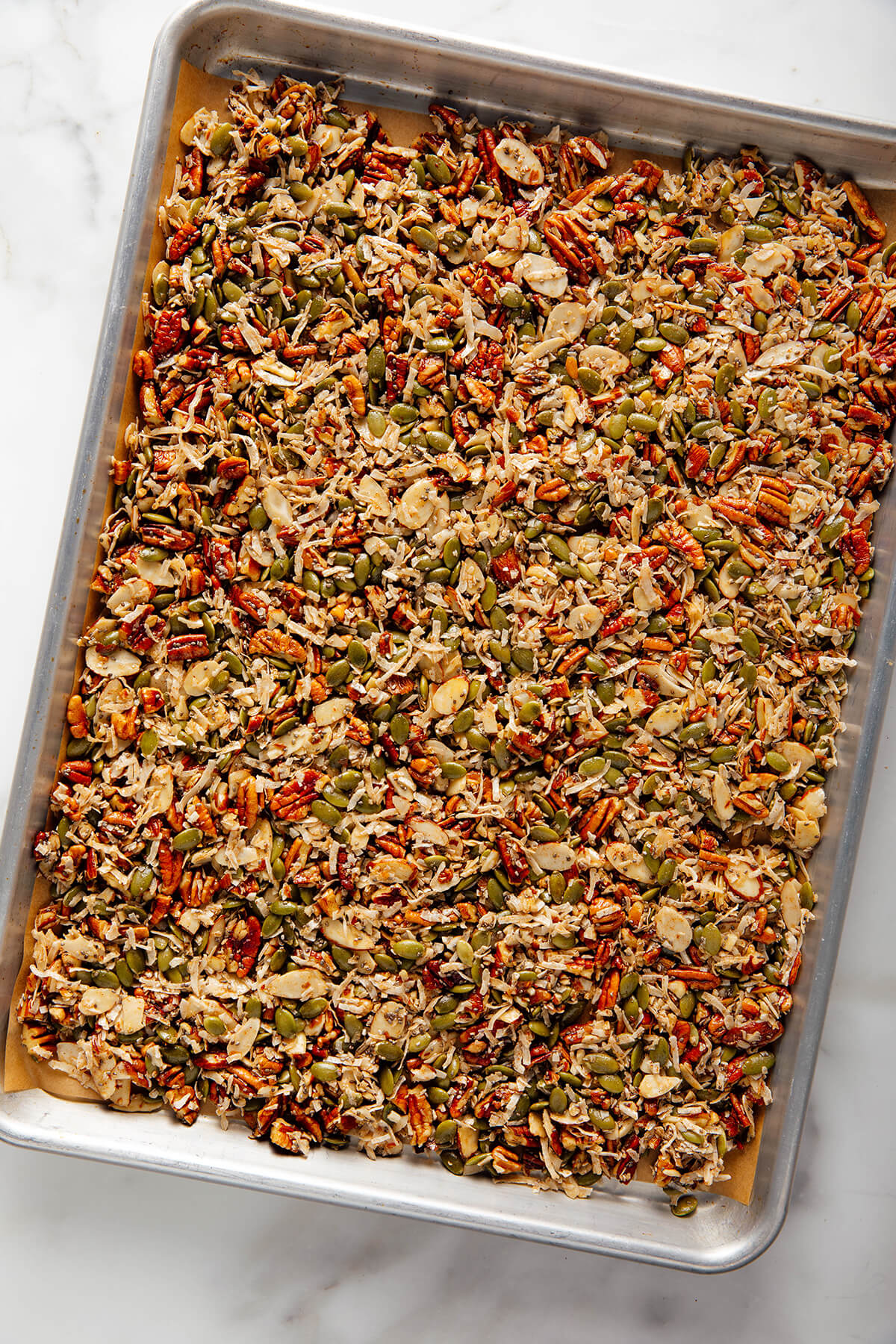
In conclusion, grain-free granola represents more than just a culinary trend; it signifies a pivotal shift in how individuals approach dietary management and healthy eating. Originating from specific health needs like gestational diabetes management, and propelled by broader dietary movements such as Paleo and Ketogenic lifestyles, this innovative food product has cemented its place as a versatile and nutritious staple. Supported by expert nutritional guidance and adaptable to a wide array of personal preferences and dietary restrictions, grain-free granola exemplifies the ongoing evolution of the food industry to meet sophisticated consumer demands. Its continued popularity underscores a future where specialized, nutrient-dense, and customizable food options will play an increasingly central role in promoting well-being and culinary enjoyment.