








In the realm of dietary strategies for weight management, particularly for those targeting abdominal fat, the role of protein-rich foods is consistently emphasized by nutrition experts. While cheese is often perceived as a caloric indulgence, a Board Certified Sports Dietitian highlights specific varieties that can be effectively integrated into a weight loss plan due to their high protein content and ability to foster satiety. Tara Collingwood, MS, RDN, CSSD, LD/N, ACSM-CPT, and co-author of the Flat Belly Cookbook for Dummies, asserts that while no single food is a magic bullet for belly fat reduction, strategic inclusion of certain cheeses can significantly contribute to overall fat loss objectives. Her professional guidance centers on selections that are not only rich in protein but also amenable to portion control, key factors in managing caloric intake and preserving muscle mass, both critical for a healthy metabolism and successful weight reduction. This comprehensive analysis delves into the seven cheeses recommended by Collingwood, exploring their nutritional attributes, mechanisms of action in promoting fullness, and practical applications within a balanced diet.
The Pivotal Role of Protein in Weight Management and Satiety
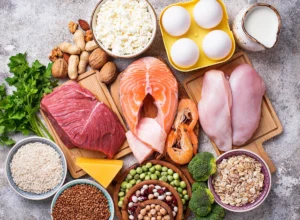
Understanding why certain cheeses are beneficial for weight loss begins with appreciating the fundamental role of protein in human nutrition and metabolism. Protein is a macronutrient essential for building and repairing tissues, producing enzymes and hormones, and supporting immune function. Beyond these vital roles, protein exerts a profound impact on satiety, the feeling of fullness and satisfaction after eating, which is crucial for controlling appetite and reducing overall caloric intake. Studies consistently show that high-protein diets lead to greater satiety compared to diets lower in protein, helping individuals feel fuller for longer and subsequently consume fewer calories throughout the day. This effect is attributed to several mechanisms, including the slower digestion of protein, its impact on gut hormones (like GLP-1 and cholecystokinin), and its higher thermic effect of food (TEF). The TEF refers to the energy expended by the body to digest, absorb, and metabolize nutrients; protein has a significantly higher TEF (20-30%) compared to carbohydrates (5-10%) and fats (0-3%), meaning more calories are burned during its processing.

Furthermore, protein is indispensable for muscle maintenance, especially during periods of caloric restriction. When the body is in a calorie deficit, it can catabolize muscle tissue for energy, which is counterproductive to weight loss goals as muscle mass is a primary driver of metabolic rate. Preserving lean muscle mass ensures a more efficient metabolism, which is vital for sustained fat loss. For individuals aiming to reduce abdominal fat, a diet rich in protein, combined with regular physical activity, supports both fat loss and muscle retention, creating a more favorable body composition.

Addressing Abdominal Fat: A Dietary Imperative
Belly fat, specifically visceral fat that surrounds organs, is not merely a cosmetic concern but a significant health risk associated with metabolic syndrome, type 2 diabetes, heart disease, and certain cancers. While targeted fat loss from a specific body area is not biologically possible—fat loss occurs systemically—dietary choices play a critical role in reducing overall body fat, including abdominal fat. A balanced diet emphasizing whole foods, controlled portion sizes, and adequate protein intake is paramount. Collingwood’s approach integrates cheese not as a standalone solution but as a valuable component within such a comprehensive dietary framework. The selection of cheeses that are inherently portion-friendly and protein-dense directly supports the dual objectives of appetite control and metabolic health, offering a palatable and practical strategy for those on a weight loss journey.
The Seven Recommended Cheeses for Fat Loss
Here are the specific protein-rich cheeses identified by Tara Collingwood, elaborated with their nutritional benefits and practical dietary applications:
1. Cottage Cheese: A Protein Powerhouse
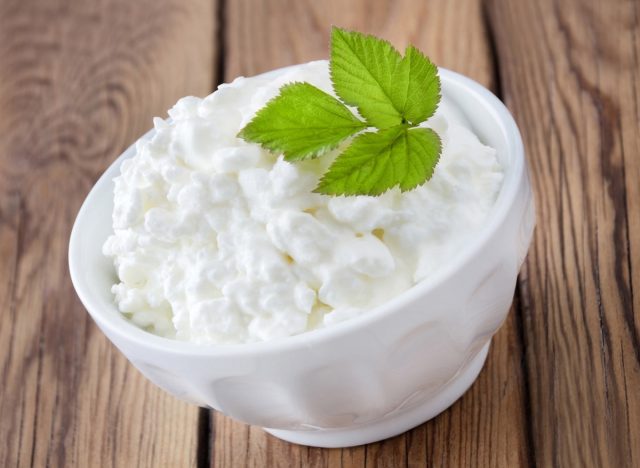
Cottage cheese stands out as one of the highest-protein cheeses, making it a foundational recommendation for individuals focused on muscle growth and sustained fullness. This fresh cheese is derived from curdled milk, and its unique texture and mild flavor make it incredibly versatile. A standard half-cup serving of low-fat cottage cheese can provide approximately 12-14 grams of protein, often with fewer than 100 calories and minimal fat. The protein in cottage cheese is predominantly casein, a slow-digesting protein that releases amino acids gradually, providing a prolonged sense of satiety and continuous support for muscle protein synthesis, particularly beneficial during overnight fasting or between meals.
Collingwood emphasizes, "Maintaining muscle is important for metabolism, especially when you’re trying to lose abdominal fat. Low-fat or full-fat can work depending on portions and preferences." The flexibility to choose between low-fat and full-fat versions allows individuals to align their intake with their specific caloric and fat goals, ensuring that even the full-fat option can be accommodated with mindful portioning. Cottage cheese can be enjoyed as a simple snack, a breakfast component with fruit, or a savory addition to salads and vegetable dishes. Its creamy texture also makes it a good base for dips or as a healthy alternative to sour cream.
2. Greek-Style Feta: Flavor-Packed Portion Control
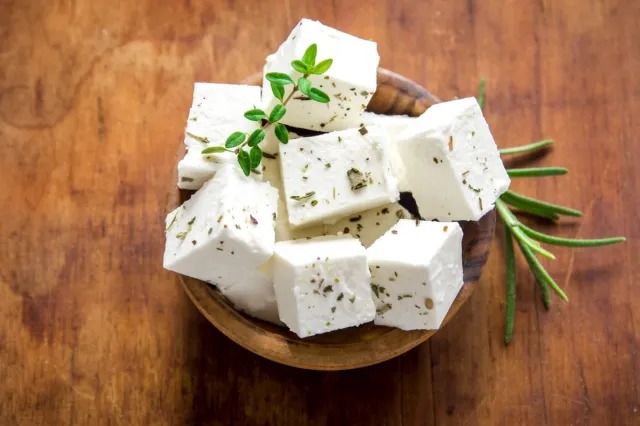
Greek-style feta cheese, renowned for its distinct salty and tangy flavor, offers another excellent option for weight management dueably to its inherent ability to promote portion control. Made traditionally from sheep’s or goat’s milk, feta typically contains around 4-6 grams of protein per ounce (28 grams), along with a moderate amount of fat and calories. Its intense flavor profile means that a small amount can significantly enhance a dish without adding excessive calories.
"Feta has a strong flavor, so a little goes a long way," Collingwood notes. "That makes it easier to control portions while still adding satisfaction to meals. Great crumbled over salads or roasted vegetables." This characteristic is particularly valuable in a weight loss context, where maximizing flavor with minimal caloric impact is key. The satisfaction derived from its potent taste can curb cravings for larger quantities of less nutrient-dense foods. Feta’s versatility extends to Mediterranean-inspired dishes, omelets, and as a savory garnish for soups, offering a burst of flavor and a protein boost.
3. Part-Skim Mozzarella: Low-Calorie, High-Calcium
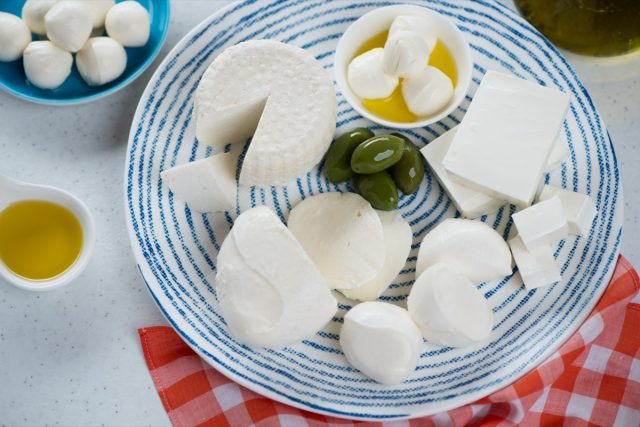
Part-skim mozzarella is a highly accessible and popular cheese that aligns well with weight loss objectives due to its relatively low-calorie count, coupled with significant protein and calcium content. A typical ounce of part-skim mozzarella provides approximately 7-8 grams of protein, around 70-80 calories, and a good dose of calcium, a mineral vital for bone health and potentially implicated in fat metabolism. The "part-skim" designation indicates a reduced fat content compared to its whole-milk counterpart, making it a leaner choice.
Collingwood highlights its ease of portion management: "Mozzarella is relatively low in calories and provides protein and calcium, nutrients that support body composition when included in a balanced diet. String cheese portions make this especially easy to manage." The availability of mozzarella in convenient forms like string cheese is a practical advantage, offering pre-portioned snacks that prevent overconsumption. It melts beautifully, making it a staple for pizzas, sandwiches, and baked dishes, while fresh mozzarella balls are perfect for Caprese salads or as a simple snack with tomatoes and basil.
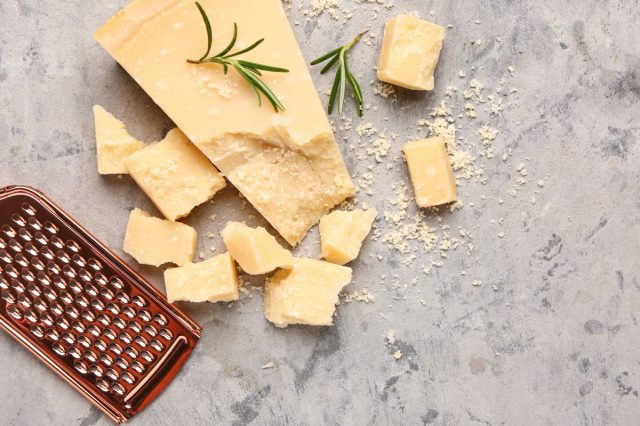
4. Parmesan: Hard Cheese with Intense Umami
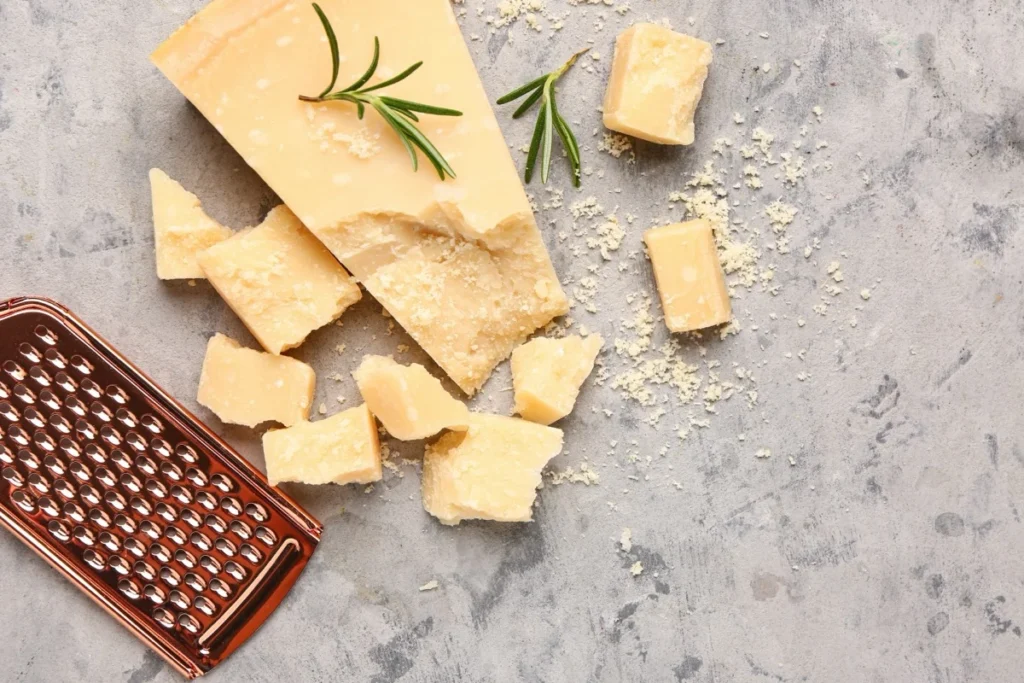
Parmesan, a hard, granular Italian cheese, is celebrated for its rich, savory umami flavor and its impressive protein density. As an aged cheese, Parmesan undergoes a process that concentrates its flavors and nutrients. An ounce of grated Parmesan can deliver approximately 10-11 grams of protein, with around 110-120 calories and moderate fat. Its robust flavor means that only a small quantity is needed to impart significant taste, making it an excellent tool for enhancing dishes without calorie overload.
Collingwood explains, "Hard cheeses like Parmesan are flavorful and protein-dense, meaning you can use small amounts and still feel satisfied. A tablespoon or two adds big flavor without many calories." This makes Parmesan an ideal finishing touch for pasta dishes, risottos, roasted vegetables, and salads. Its ability to add depth and satisfaction with minimal serving size is a strategic benefit for individuals aiming for caloric control. Furthermore, hard cheeses like Parmesan are naturally low in lactose, making them a suitable option for some individuals with lactose sensitivity.
5. Swiss Cheese: Sodium-Conscious Protein
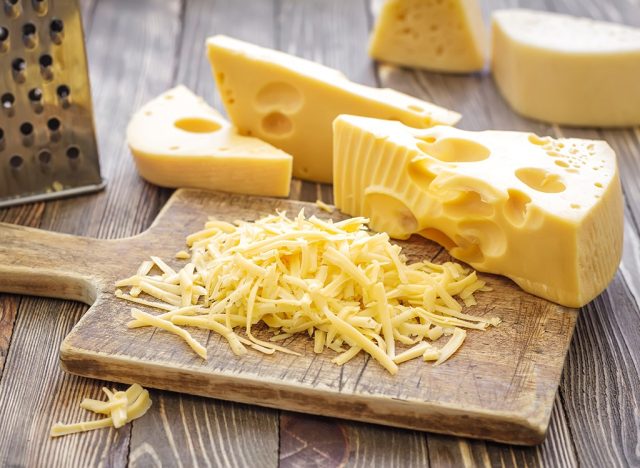
Swiss cheese, recognizable by its distinctive holes (eyes), presents another solid option for those managing weight, particularly for individuals mindful of sodium intake. This semi-hard cheese typically offers around 7-8 grams of protein per ounce, with approximately 100-110 calories and a moderate fat content. One of its notable advantages is its relatively lower sodium content compared to many other cheeses, which can be beneficial for managing fluid retention and blood pressure.
"Swiss cheese offers protein with less sodium than many other cheeses, which can be helpful for people watching their bloating or water retention," says Collingwood. Its mild, nutty flavor makes it a versatile ingredient. She suggests it "pairs well with whole-grain bread or fruit." Swiss cheese is a classic choice for sandwiches, especially hot sandwiches, and can be melted over lean proteins or added to omelets. Its lower sodium profile provides a distinct advantage for individuals following specific dietary guidelines for heart health or fluid balance.
6. Ricotta (Part-Skim): Versatility in Sweet and Savory
Part-skim ricotta, a soft, creamy Italian cheese traditionally made from the whey left over from other cheese production, is praised for its versatility in both sweet and savory applications, making it easier to integrate into a calorie-controlled diet. Part-skim ricotta typically provides about 3-4 grams of protein per quarter-cup serving, with approximately 80-90 calories and reduced fat. It also delivers a good amount of calcium, contributing to bone health.
Collingwood is a fan, stating it "provides protein and calcium and works well in both sweet and savory dishes, making it easier to stick with a calorie-controlled plan." This adaptability is crucial for dietary adherence, as it prevents monotony and allows for varied meal planning. "Try it with berries or herbs and vegetables," she advises. Ricotta can be spread on whole-grain toast, used as a filling for lasagna or stuffed shells, or even blended into smoothies for a protein boost. Its creamy texture and mild flavor make it an excellent base for healthy desserts when paired with natural sweeteners and fruit, or for savory spreads when mixed with herbs and spices.
7. Goat Cheese: Tangy and Digestible
Goat cheese, also known as chèvre, completes the list with its distinct tangy and often earthy flavor profile. This soft, fresh cheese is made from goat’s milk and typically contains around 5-6 grams of protein per ounce, with varying calorie and fat content depending on the specific variety and moisture level. Beyond its unique taste, some individuals find goat cheese easier to digest than cheeses made from cow’s milk, which can be a significant benefit for those with sensitivities.
Collingwood notes, "Goat cheese is rich and tangy, which helps with portion control, and some people find it easier to digest than cow’s milk cheeses. A little adds creaminess to salads and bowls." Similar to feta, its robust flavor ensures that a small amount goes a long way in imparting satisfaction and enhancing a dish. Its creaminess and tang make it an excellent addition to salads, particularly those with strong greens or roasted root vegetables. It can also be spread on crackers, used in tarts, or crumbled over warm grain bowls, offering a sophisticated flavor and a protein contribution to meals.
Integrating Cheese into a Holistic Weight Loss Strategy
While these protein-rich cheeses offer distinct advantages for individuals pursuing fat loss, particularly belly fat, it is crucial to understand that their efficacy is maximized when integrated into a comprehensive, balanced dietary and lifestyle strategy. No single food or food group operates in isolation. The overall caloric intake, macronutrient distribution, and micronutrient adequacy of the diet remain paramount. Portion control, even with these recommended cheeses, is non-negotiable. Even nutrient-dense foods can contribute to a caloric surplus if consumed in excessive quantities.
Furthermore, successful weight management extends beyond diet to include regular physical activity, adequate sleep, and stress management. Incorporating strength training helps to build and preserve muscle mass, complementing the protein intake from these cheeses. Consistent cardiovascular exercise further contributes to caloric expenditure and overall metabolic health.
In conclusion, the expert guidance from Tara Collingwood demystifies the role of cheese in a weight loss diet. By focusing on protein-rich, portion-friendly varieties, individuals can enjoy the flavor and nutritional benefits of cheese while actively working towards their fat loss goals. These seven cheeses – cottage cheese, Greek-style feta, part-skim mozzarella, Parmesan, Swiss, part-skim ricotta, and goat cheese – offer diverse flavors and textures, providing palatable options that support satiety, muscle maintenance, and ultimately, sustainable progress in reducing overall body fat, including the stubborn belly fat. The emphasis remains on mindful consumption, balanced dietary planning, and an active lifestyle for optimal health outcomes.