

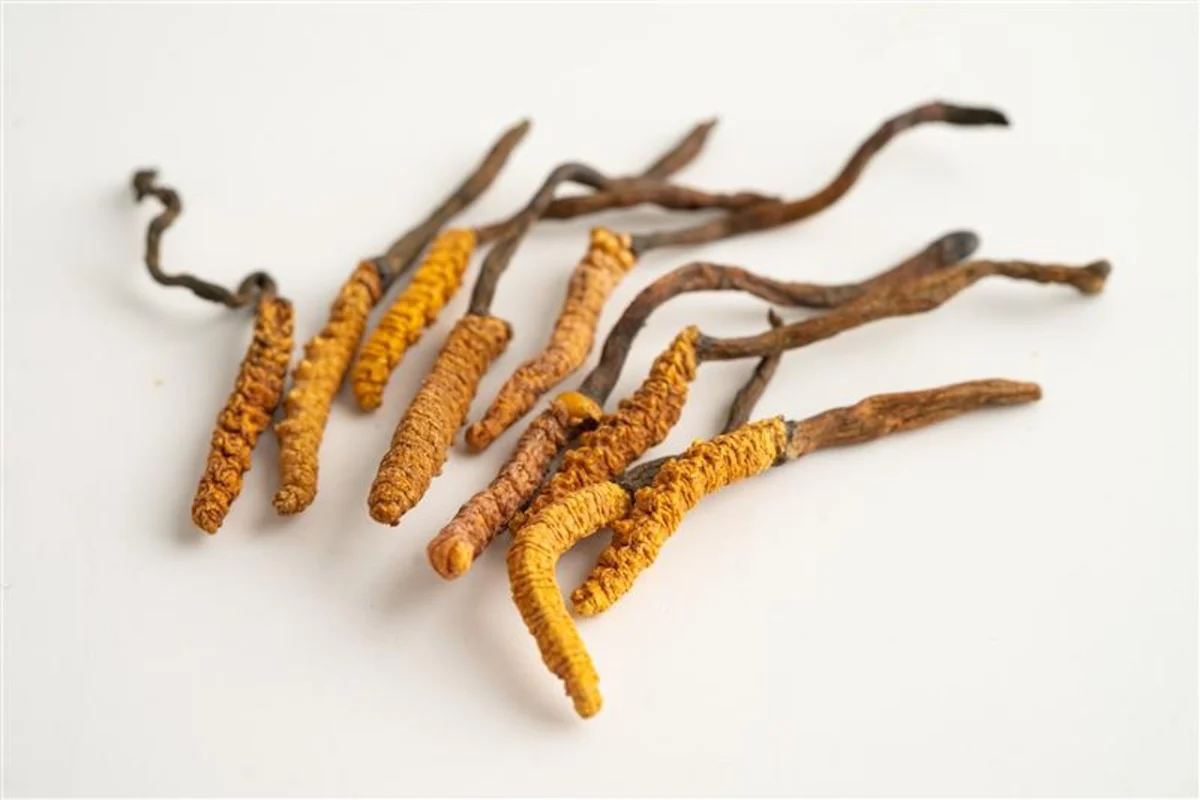
A recent study conducted in Thailand has uncovered significant issues of adulteration and misrepresentation within the cordyceps supplement market, prompting experts to call for enhanced product verification measures, particularly for the U.S. domestic market. The research, published in the esteemed journal BMC Complementary Medicines and Therapies, highlights critical quality control challenges that could have far-reaching implications for consumer trust and product integrity globally.
The Cordyceps Conundrum: Understanding the Fungus and its Market Appeal
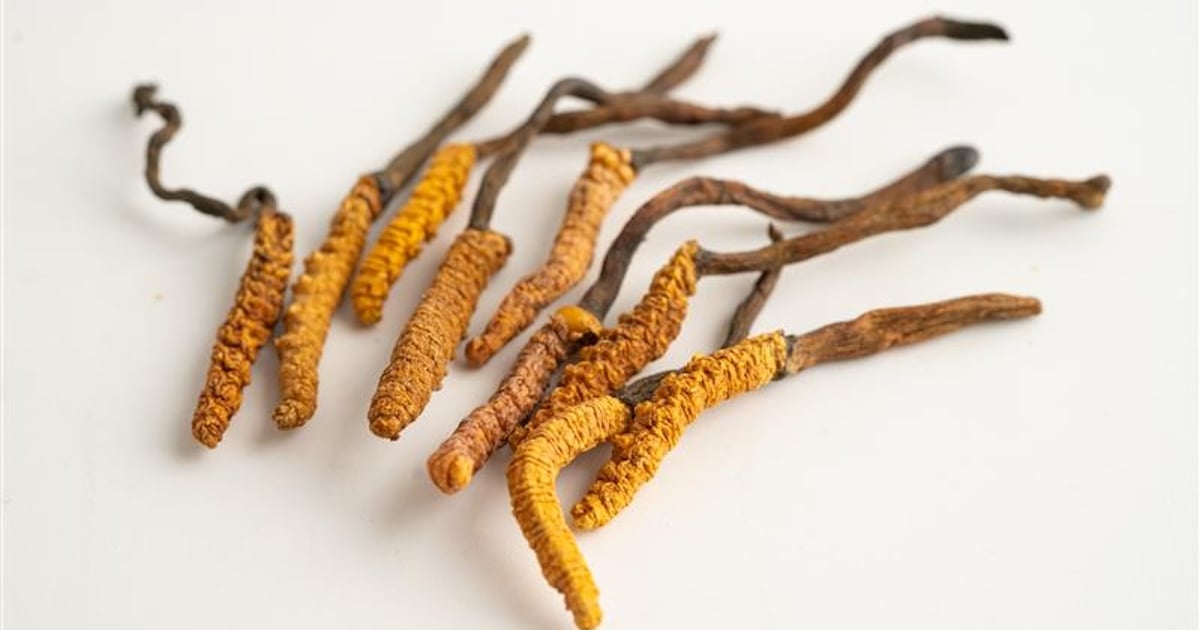
Cordyceps, a genus of parasitic fungi, has garnered considerable attention in both traditional medicine and the modern supplement industry. The most historically significant species, Cordyceps sinensis (now scientifically classified as Ophiocordyceps sinensis), is renowned for its unique life cycle. It invades the bodies of caterpillars, consuming their internal tissues before emerging as a slender fruiting body. This parasitic relationship and its distinctive morphology have led to its harvesting by hand in the remote, high-altitude meadows of the eastern Himalayas. The arduous nature of this collection process, coupled with the dispersed distribution of the fungus, makes true wildcrafted C. sinensis an exceptionally rare and expensive ingredient.
Historically, C. sinensis has been a staple in traditional Chinese medicine, where it was utilized to address various ailments, including kidney disease. However, its popularity surged dramatically over the past decade, fueled by claims of aphrodisiac properties and the potential to enhance male sexual performance. This heightened demand, coupled with the scarcity and high cost of C. sinensis, has created fertile ground for market manipulation and the introduction of less expensive alternatives.
Another species, Cordyceps militaris, has emerged as a commercially viable substitute. This fungus shares some chemical similarities with C. sinensis and, crucially, is amenable to cultivation. This allows for large-scale production at a significantly lower cost, making it an attractive option for supplement manufacturers seeking to meet market demand without the prohibitive expense of wildcrafted C. sinensis.
Thai Study Methodology and Findings
The study, conducted by researchers affiliated with a Thai university, aimed to comprehensively assess the quality of cordyceps supplements available online in Thailand and to scrutinize the marketing claims associated with these products. Between 2023 and early 2024, the research team procured 65 distinct products marketed as cordyceps supplements from various online retailers operating within Thailand.
The analytical approach involved several key stages. Firstly, each sample underwent thin-layer chromatography (TLC) to identify and quantify the presence of two critical chemical markers: adenosine and cordycepin. The relative concentrations of these compounds are known to differ between C. sinensis and C. militaris, providing a basis for species differentiation.
For products presented in powder form, researchers employed microscopy to visually distinguish between the morphological characteristics of C. sinensis and C. militaris. This microscopic examination served as a complementary method to the chemical analysis.
A significant aspect of the study involved testing for adulteration with corticosteroids, a class of potent anti-inflammatory drugs that are not permitted in dietary supplements. The inclusion of such pharmaceuticals can lead to serious health risks for consumers.
The findings of the study were stark and concerning. More than half of the analyzed products, precisely 33 out of 65, were found to have substituted the more expensive C. sinensis with the cheaper C. militaris. This widespread misrepresentation means that a substantial portion of consumers were likely not receiving the ingredient they believed they were purchasing.
Furthermore, the investigation revealed the presence of undeclared corticosteroids in four of the tested products. This discovery underscores a serious breach of regulatory standards and poses a direct threat to consumer safety.
The study also examined the regulatory compliance of the sampled products within the Thai market. In Thailand, dietary supplements are required to be registered with the government prior to sale. The researchers identified seven unregistered products among their purchases, indicating a breakdown in oversight. Moreover, despite the general prohibition against marketing supplements for disease treatment, the study found numerous instances of such claims being made in the online marketing materials associated with the tested cordyceps products, mirroring a prevalent issue observed in other markets, including the United States.
Implications for the U.S. Market and Industry Best Practices
The revelations from the Thai study are not isolated to Southeast Asia; they carry significant weight and serve as a critical warning for the U.S. dietary supplement industry. Quality experts emphasize that these findings should act as a catalyst for a re-evaluation of sourcing, manufacturing, and verification processes for cordyceps and other botanically derived ingredients.
Larisa Pavlick, founder of Haven GMP, a consulting firm specializing in regulatory compliance and quality assurance, commented on the implications. "Cordyceps sinensis is one of the more unique ingredients I’ve encountered in my career," Pavlick stated. "However, due to its unique nature and the high demand, there is a significant opportunity for adulteration and substitution. This study in Thailand unfortunately illustrates an ongoing problem that we’ve seen persist within the supplement industry."
Pavlick, who previously served as an FDA inspector, highlighted a fundamental deficiency in many current dietary supplement Good Manufacturing Practices (GMP) systems. "This study reinforces what many of us in regulatory and quality control have long recognized as an industry deficiency since 2009: specifications remain one of the most significant gaps in dietary supplement GMP systems," she explained. "When over half of the products are falsified, that’s not simply a labeling issue. It’s a failure to establish and verify identity under 21 CFR 111.70, which mandates establishing specifications for identity, purity, strength, composition, and potential contaminants, and 111.75, which requires verification of those specifications."
The American Herbal Products Association (AHPA), a leading trade association for the herbal products industry, plays a crucial role in establishing industry standards and nomenclature. AHPA’s "Herbs of Commerce," the industry’s authoritative reference work for botanical ingredient names, acknowledges that C. sinensis, C. militaris, and a third species, Paecilomyces hepiali, can all be legitimately marketed under the umbrella term "cordyceps." However, AHPA mandates that when C. militaris or P. hepiali are used, their specific species name must be clearly declared on product labels. The Thai study suggests a widespread disregard for such labeling requirements.
Addressing Adulteration and Enhancing Verification Methods
The issue of adulteration in cordyceps products extends beyond simple species substitution. The Botanical Adulterants Prevention Program (BAPP), a collaborative initiative focused on identifying and preventing botanical adulteration, published a specific bulletin on cordyceps in 2024. While some forms of adulteration, such as the assembly of visually similar but botanically incorrect materials to mimic whole cordyceps (the caterpillar body with its fruiting body), are less prevalent in the U.S. market, they do exist, particularly in niche markets like Chinatowns across North America.
A more pertinent concern for the domestic supplement trade involves cultivated cordyceps ingredients that are intentionally blended with undeclared amounts of biomass. This often means the inclusion of the carbohydrate substrate, such as brown rice, on which the fungus was grown, alongside the fungal components (fruiting bodies and/or mycelium). This practice artificially inflates the weight and volume of the ingredient, potentially misleading manufacturers and consumers about the actual concentration of active cordyceps.
BAPP also provides guidance on laboratory testing methodologies for various botanicals. However, a comprehensive, industry-wide consensus on the optimal testing methods for cordyceps identification is still evolving. In the interim, advancements in analytical chemistry and genetic identification are offering promising solutions.
New chemical analysis methods, such as gas chromatography-mass spectrometry (GC-MS), are being developed. Developers of a recent GC-MS method claim it to be both cost-effective and straightforward for cordyceps identification.
Recognizing the need for robust identification tools, particularly in the absence of universally adopted chemical standards, companies specializing in plant genetics have stepped in. LeafWorks, a company initially focused on cannabis genetics, has expanded its expertise to offer DNA-based testing solutions for fungal products. According to co-founder Eleanor Kuntz, Ph.D., LeafWorks has developed the first suite of "Functional Fungal ID" tests designed for natural product identity verification. "Our DNA technology can identify fungal species and can differentiate between C. sinensis and C. militaris," Kuntz stated, emphasizing the precision and reliability of their genetic assays across various product matrices.
Regulatory Landscape and Future Outlook
The Thai study’s recommendations for increased post-market surveillance and stricter enforcement of labeling requirements by regulatory bodies are echoed by quality assurance professionals in the U.S. The U.S. Food and Drug Administration (FDA) oversees dietary supplements under the Dietary Supplement Health and Education Act of 1994 (DSHEA). While DSHEA mandates that manufacturers ensure the safety and accurate labeling of their products, the regulatory framework for supplements differs significantly from that of pharmaceuticals, with the FDA having a more reactive role in enforcement.
The findings from Thailand serve as a critical impetus for the FDA and the supplement industry to collaborate on strengthening regulatory oversight and industry self-regulation. The widespread substitution of C. militaris for C. sinensis highlights a need for more sophisticated analytical tools and mandatory verification protocols at various stages of the supply chain. The presence of undeclared corticosteroids is a grave concern that necessitates more rigorous testing for pharmaceutical adulterants.
Industry stakeholders, including ingredient suppliers, manufacturers, and retailers, must prioritize establishing and enforcing stringent specifications for all raw materials. This includes investing in validated analytical methods, conducting thorough supplier audits, and implementing robust quality control procedures throughout the manufacturing process. Transparency in labeling, clearly identifying the specific species of cordyceps used, is paramount to empowering consumers to make informed purchasing decisions.
The long-term implications of such widespread adulteration can erode consumer confidence in the entire dietary supplement market. By proactively addressing these quality control challenges, embracing advanced verification technologies, and fostering a culture of transparency and accountability, the U.S. supplement industry can work towards safeguarding consumer health and maintaining its credibility. The Thai study, while focused on a specific market, offers a universal lesson: the integrity of the supply chain is paramount, and robust scientific validation is indispensable in ensuring that consumers receive the products they expect and deserve.
