








The supplement industry continues its dynamic evolution, marked by scientific breakthroughs and the introduction of novel products. This edition of Supplement Shorts delves into critical findings regarding the potency of oregano oil supplements, alongside emerging innovations in synbiotics, peptide-based formulations, and the growing influence of mushroom-derived ingredients. These developments underscore the ongoing quest for efficacy and consumer trust within the rapidly expanding nutraceutical market.
NOW Foods Study Highlights Discrepancies in Oregano Oil Supplement Potency
A significant investigation by NOW Foods, a prominent player in the dietary supplement sector, has brought to light substantial inconsistencies in the labeling and actual potency of oregano oil supplements available on the market. The study, conducted in collaboration with Eurofins Scientific, a leading global laboratory network, examined 35 different oregano oil supplements, including NOW Foods’ own product. These supplements were procured from Amazon in February 2026, a timeframe that allows for an examination of market offerings prior to recent regulatory pushes for enhanced transparency.

The core of the study focused on carvacrol, identified as the primary active compound responsible for the therapeutic properties attributed to oregano oil. Carvacrol is a monoterpenoid phenol known for its potent antimicrobial and antioxidant characteristics, making it a key indicator of supplement quality and efficacy. The testing revealed a concerning trend: out of the 35 products analyzed, only 14 were found to meet their stated label claims for carvacrol content. A more substantial portion, 15 supplements, contained less than 8% of the carvacrol amount declared on their packaging. Even more alarming, six of the tested products exhibited no detectable levels of carvacrol whatsoever, suggesting either significant mislabeling, degradation, or the absence of genuine oregano oil as a primary ingredient.
Katie Banaszewski, Senior Director of Quality at NOW Foods, emphasized the critical role of rigorous scientific methodology in ensuring product integrity. "NOW’s in-house analytical testing paired with Eurofins’ independent verification underscores the importance of scientifically valid methods," Banaszewski stated. This collaborative approach, she noted, provides a robust framework for assessing product quality and validating manufacturer claims. The findings from this study are particularly relevant given the increasing consumer reliance on online marketplaces for supplement purchases.
The timing of this investigation also coincides with heightened regulatory scrutiny and marketplace policies aimed at improving product authenticity. On March 31, 2026, a deadline was established by major online retailers, including Amazon, requiring sellers to ensure that their product listings accurately reflect the claims made on product packaging and labels. Non-compliant listings were subject to removal, a measure designed to protect consumers from misleading or fraudulent products.
An examination of the products under scrutiny suggested a potential commonality in their manufacturing processes. The press release accompanying the study indicated that many of the tested supplements appeared to be produced by the same contract manufacturer. This observation raises questions about the accountability within the contract manufacturing sphere and the diligence of quality control measures implemented by such facilities.

"Even when manufactured by a contract manufacturer, the responsibility of providing safe, quality products lies equally with everyone in the supply chain," the press release from NOW Foods reiterated. This statement highlights a shared responsibility that extends from ingredient sourcing and manufacturing to distribution and retail. The implications of this finding are far-reaching, suggesting that the issue of inconsistent product quality may stem from a systemic problem rather than isolated incidents.
NOW Foods has committed to continuing its efforts in monitoring and testing products sold on major online platforms. "NOW will continue to purchase and test products sold on major online platforms and publicly share the results to encourage higher quality standards across the supplement industry," Banaszewski affirmed. This proactive stance aims to foster greater transparency and accountability within the supplement market, ultimately benefiting consumers by promoting the availability of genuine and effective products.
Clinical Currents and Emerging Scientific Innovations
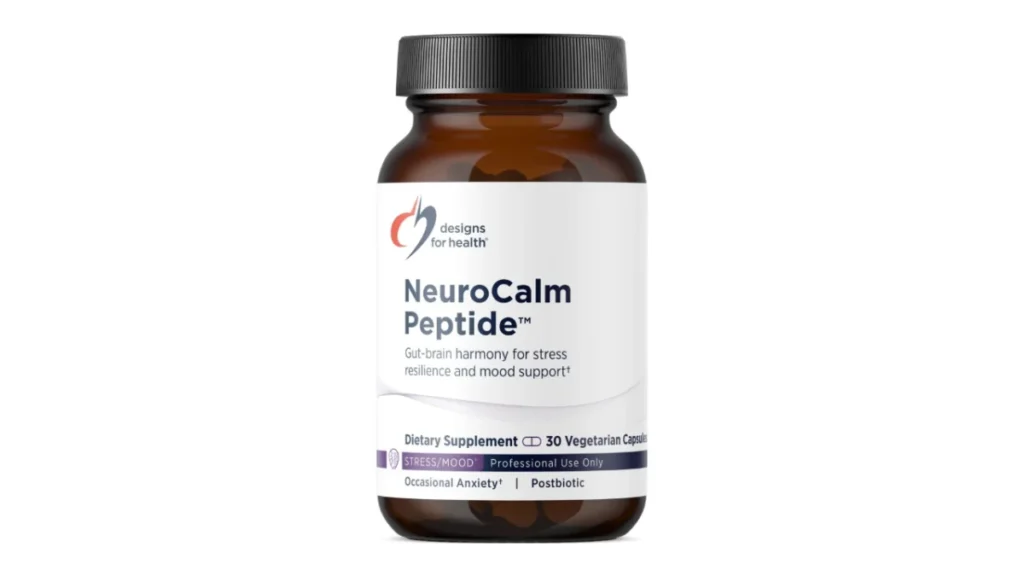
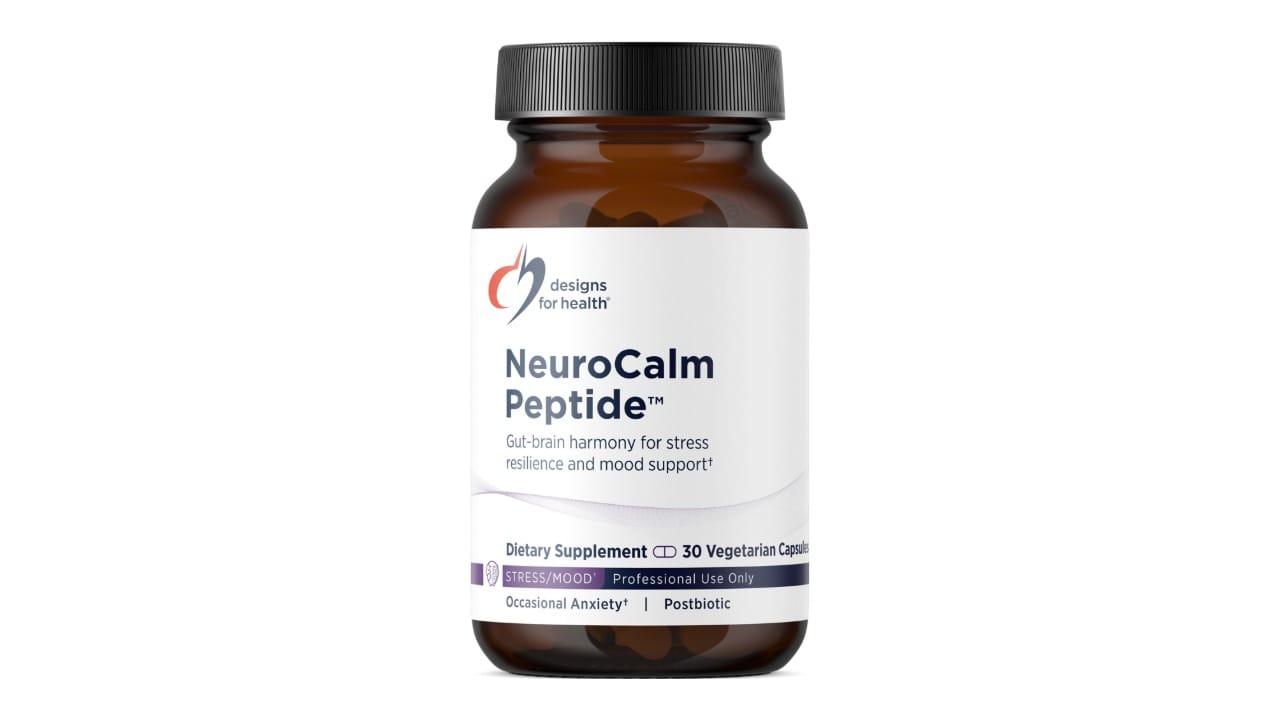
Beyond the quality concerns, the supplement industry continues to be a fertile ground for scientific innovation. Research into the gut-brain axis is gaining momentum, with a particular focus on its implications for mood, sleep, and stress management. One such development is the introduction of NeuroCalm Peptide by Designs for Health. This innovative product leverages the intricate connection between the gut microbiome and neurological function.
The gut-brain axis is a bidirectional communication network that influences a wide range of physiological and psychological processes. Emerging research suggests that modulating the gut microbiota through specific dietary interventions or supplements can have profound effects on mental well-being. NeuroCalm Peptide aims to capitalize on this understanding by utilizing peptides, which are short chains of amino acids, believed to play a role in neurotransmitter synthesis and signaling. By targeting the gut-brain axis, this supplement seeks to offer a holistic approach to supporting mood stability, improving sleep quality, and mitigating the effects of stress. The specific mechanisms by which peptides interact with the gut microbiome and subsequently influence the brain are areas of ongoing scientific exploration, but early indications point towards their potential in modulating inflammation, enhancing neurotransmitter production, and improving the integrity of the gut barrier.
In parallel, advancements in the field of synbiotics are showing promise for addressing complex health issues such as food allergies. Synbiotics, a combination of probiotics (beneficial live microorganisms) and prebiotics (non-digestible fibers that feed probiotics), are designed to work synergistically to promote a healthier gut environment. Emerging research indicates that a balanced gut microbiome is crucial for immune system regulation, and dysbiosis (an imbalance in gut bacteria) is increasingly linked to the development and severity of allergies.
Recent studies have explored specific synbiotic formulations that aim to modulate the immune response, potentially desensitizing the body to allergens and reducing inflammatory reactions. These interventions often involve introducing specific strains of bacteria known to enhance immune tolerance, coupled with prebiotics that support their colonization and activity within the gut. While still an evolving area of research, the potential for synbiotics to offer a novel therapeutic avenue for managing food allergies represents a significant step forward in personalized nutrition and gut health.
New Product Launches and Ingredient Trends
The market is also witnessing a surge in finished product launches incorporating cutting-edge ingredients, reflecting both scientific progress and evolving consumer demand. The integration of peptides and mushrooms into dietary supplements signifies a growing trend towards sophisticated, science-backed formulations.
Peptides, as exemplified by NeuroCalm Peptide, are gaining traction not only for their potential role in cognitive function but also for their applications in muscle recovery, skin health, and immune support. Their small molecular size allows for potentially enhanced absorption and bioavailability compared to larger protein molecules, making them an attractive ingredient for targeted health benefits. The development of specific bioactive peptides, derived from various sources including dairy, soy, and even synthetic origins, is a rapidly advancing field within the nutraceutical industry.
The inclusion of mushrooms in supplements continues to expand beyond traditional medicinal varieties like reishi and cordyceps. A wider array of functional mushrooms, including lion’s mane, chaga, and turkey tail, are being incorporated into formulations for their diverse purported benefits, such as cognitive enhancement, immune modulation, and antioxidant support. The complex bioactive compounds found in mushrooms, including beta-glucans, ergothioneine, and various antioxidants, are the subject of ongoing research aimed at unlocking their full therapeutic potential. The increasing consumer awareness of the health benefits associated with these fungal allies is driving demand and innovation in this category.
Industry Outlook and Regulatory Landscape
The dual focus on ensuring product quality and fostering scientific innovation is shaping the future of the supplement industry. The NOW Foods study on oregano oil serves as a critical reminder of the persistent challenges in maintaining consistent product standards across a vast and often opaque supply chain. The deadline imposed by online retailers for accurate product labeling is a positive step towards enhancing consumer confidence and encouraging greater accountability among manufacturers and sellers.
The broader implications of these developments are significant. For consumers, increased transparency and validated product claims translate into greater trust and more informed purchasing decisions. For the industry, it necessitates a commitment to robust quality control, scientific validation, and ethical marketing practices. The continued investment in research and development, particularly in areas like the gut-brain axis, synbiotics, peptides, and functional mushrooms, signals a move towards more sophisticated and targeted nutritional interventions.
The interplay between scientific discovery, product innovation, and regulatory oversight will continue to define the trajectory of the supplement industry. As consumers become more discerning and scientific understanding deepens, the demand for evidence-based, high-quality supplements is expected to grow, driving further advancements and solidifying the role of nutraceuticals in promoting holistic health and well-being. The journey from raw ingredient to finished product is complex, and ongoing efforts to ensure purity, potency, and efficacy are paramount to realizing the full potential of these health-promoting compounds.