







The global dietary supplement market, a sector projected to reach a staggering $300 billion by 2027 according to Grand View Research, is experiencing a profound metamorphosis. Faced with an increasingly saturated landscape where traditional formulations and ingredient variety alone are no longer sufficient differentiators, brands are strategically pivoting. The emphasis is shifting from mere efficacy to a holistic consumer experience, driven by innovative branding, compelling storytelling, and crucially, the adoption of novel delivery systems. This evolution signifies a departure from the conventional pill and capsule formats, ushering in an era of creative, sensory-driven, and consumer-centric wellness solutions designed to seamlessly integrate into the fabric of modern life.
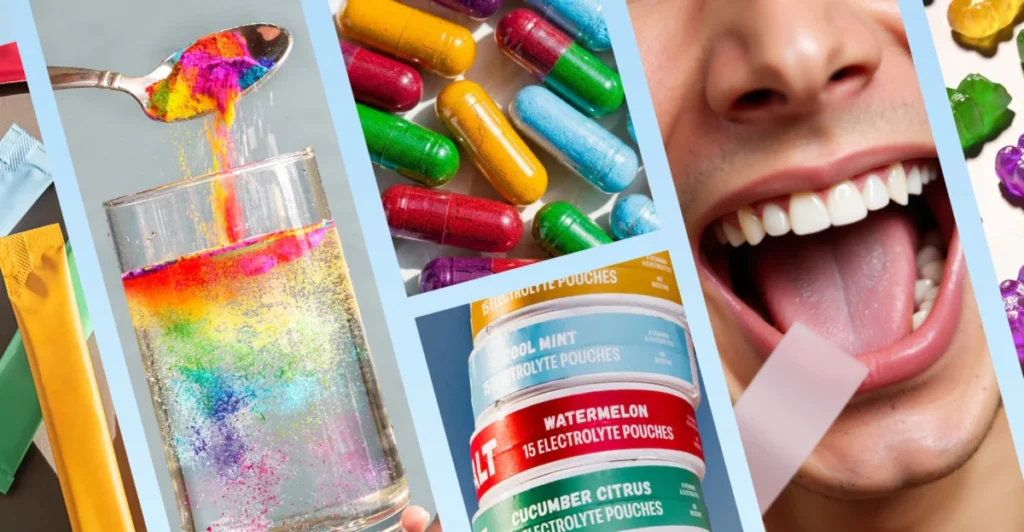
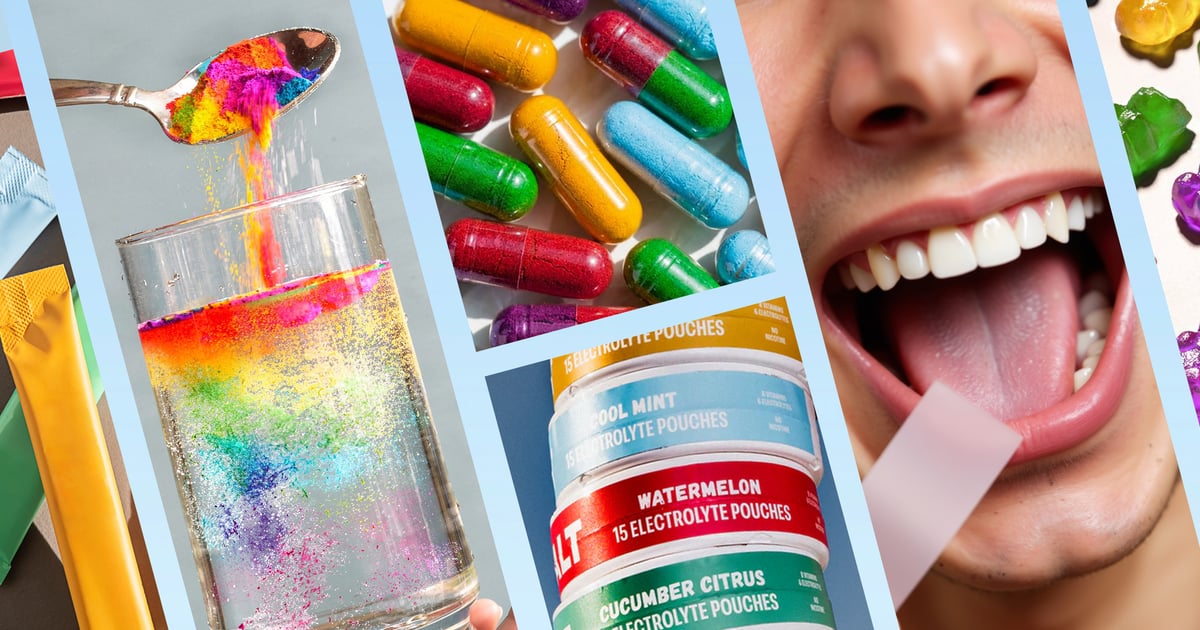
The burgeoning demand for supplements that transcend basic functionality is reshaping product development. Consumers are no longer content with simply ingesting a supplement; they seek an experience that is not only effective but also enjoyable, aesthetically pleasing, and deeply aligned with their evolving personal values. This paradigm shift is evident in the emergence of a diverse array of innovative delivery formats. Dissolvable strips that melt on the tongue, transdermal patches offering sustained release, sophisticated functional mocktails that double as sophisticated beverages, and even scented capsules designed to engage the olfactory senses are just a few examples of this transformative trend. These products are meticulously crafted for portability, ease of use, and an overall pleasurable consumption ritual, making wellness a more accessible and appealing aspect of daily routines.
This strategic reorientation is a direct response to market dynamics. For years, supplement brands primarily competed on the perceived potency of "hero ingredients" and the allure of "cleaner labels." While these factors remain relevant, the sheer volume of competitors has rendered them insufficient for carving out a distinct market position. The current imperative is to disrupt the established norms by rethinking not only what goes into a supplement but, more importantly, how it is delivered to the consumer. This necessitates a deeper understanding of consumer behavior and preferences, moving beyond a purely utilitarian approach to one that embraces sensory engagement and lifestyle integration.

The Evolving Landscape of Supplement Delivery
The traditional dominance of pills and capsules, long the bedrock of the supplement industry, is being challenged by formats that offer distinct advantages in terms of convenience, absorption, and consumer appeal. Gummies, for instance, have surged in popularity, leveraging their familiar and enjoyable texture to make nutrient intake feel more like a treat than a chore. Functional beverages, from fortified waters to complex mocktails, offer a sophisticated way to consume supplements, aligning with the growing trend towards functional foods and beverages that provide health benefits alongside hydration and taste.
However, the innovation doesn’t stop at edible or drinkable formats. The introduction of dissolvable oral strips represents a significant leap in portability and discretion. These thin films, often infused with vitamins, minerals, or other active compounds, dissolve rapidly in the mouth, bypassing the digestive system for potentially faster absorption and eliminating the need for water. Transdermal patches, another innovative delivery method, are gaining traction for their ability to provide a steady, controlled release of active ingredients over an extended period. This approach is particularly beneficial for compounds that require consistent levels in the bloodstream or for individuals who struggle with regular oral supplementation.
The reimagining of even the most traditional formats, such as capsules, is also a testament to this drive for innovation. Brands are exploring ways to enhance the capsule experience through sensory elements. This could involve encapsulating ingredients in a way that releases a subtle aroma upon opening, or developing capsules with unique textures or colors that make them more visually appealing and engaging. Such developments underscore a fundamental understanding that consumer perception and enjoyment play a critical role in adherence and overall brand loyalty.
Navigating the "New Format Frontier"
The shift towards novel delivery systems is not merely about novelty; it is rooted in a deeper understanding of bioavailability and consumer-centricity. The concept of bioavailability – the degree and rate at which an administered dose of an unchanged drug or active substance is absorbed into the body – has become a critical battleground. While "bioavailability" is often touted as a key selling point, the science behind it is complex, and the absence of standardized measurement makes claims easily manipulated. For a product to genuinely deliver on its advertised benefits, the dosage and form of the active ingredient must match what was evaluated in clinical trials. This places a significant onus on manufacturers to ensure scientific rigor and transparency in their formulation and delivery system design.
The surge in popularity of formats like gummies and functional foods and beverages can be directly attributed to their inherent sensory appeal. These formats tap into established consumption habits and preferences, making the integration of supplements into daily life feel natural and even desirable. Yet, despite this rising tide of innovative options, capsules continue to hold their ground as the most widely used delivery system. This enduring preference speaks to their established trust, perceived efficacy, and the ability of manufacturers to consistently produce them at scale. The challenge and opportunity for forward-thinking brands lie in bridging this gap – leveraging the established trust of capsules while infusing them with the engaging, on-trend experiences that modern consumers crave.
A Deeper Dive into Product Disruption
The "recipe peak," as it were, refers to the point where relying solely on ingredient lists and marketing buzzwords for differentiation has become insufficient. Grace Bryan, in her analysis, contends that the saturated market demands a more fundamental re-evaluation of product strategy, particularly concerning delivery formats. This necessitates a move beyond simply listing benefits to demonstrating them through innovative and consumer-friendly means.
The process of developing these new formats begins with the meticulous selection of deliverable ingredients. Devon Gholam emphasizes that this is a complex undertaking that requires careful consideration of safety, quality, efficacy, and compatibility with the chosen product format. Each active ingredient presents unique challenges and opportunities in terms of absorption, stability, and sensory integration. A thorough vetting process ensures that the chosen ingredients not only meet regulatory standards but also perform optimally within the innovative delivery system, ultimately translating into tangible health benefits for the consumer.
Reimagining the Capsule: A Case Study in Innovation
While gummies and beverages may capture immediate attention, the humble capsule is far from obsolete. Zain Saiyed highlights three key avenues through which brands are reimagining capsule design, transforming them from utilitarian containers into engaging and on-trend experiences. This includes exploring novel capsule materials that offer enhanced dissolution rates or controlled release profiles, incorporating subtle sensory elements like unique textures or colors, and leveraging capsule technology to deliver complex combinations of ingredients in a single, easy-to-swallow unit. These advancements demonstrate that even the most established delivery systems can be revitalized through a focus on user experience and modern aesthetic sensibilities.
Industry Reactions and Future Implications
The shift in the supplement market is not happening in a vacuum. Industry analysts and key players are closely observing these trends. Christine Kapperman, in her viewpoint, underscores the consumer’s evolving expectations, stating that "Today’s consumers demand more than just functionality – they want supplements that fit seamlessly into their routines while delivering a touch of excitement." This sentiment is echoed by many in the industry who recognize that the future of successful supplement brands lies in their ability to create products that resonate on an emotional and experiential level, not just a physiological one.
The implications of this market evolution are far-reaching. For consumers, it promises a more enjoyable and integrated approach to health and wellness. For brands, it presents an opportunity to forge deeper connections with their customer base by offering products that are not only effective but also aspirational and lifestyle-aligned. However, this innovation also brings challenges. Ensuring the efficacy and safety of novel delivery systems requires rigorous scientific validation and adherence to evolving regulatory frameworks. The industry must strike a delicate balance between embracing creativity and maintaining scientific integrity to build and sustain consumer trust.
Looking Ahead: A Data-Driven Approach to Innovation
The success of these new formats will ultimately be measured by their ability to deliver on their promises and meet consumer expectations. Data on consumer adoption, product adherence rates, and reported efficacy will be crucial in guiding future innovation. Companies that invest in robust research and development, prioritize transparency, and actively engage with consumer feedback will be best positioned to thrive in this dynamic and exciting new era of the supplement industry. The journey from the traditional pill to the experiential wellness solution is well underway, promising a future where health and enjoyment are inextricably linked.