







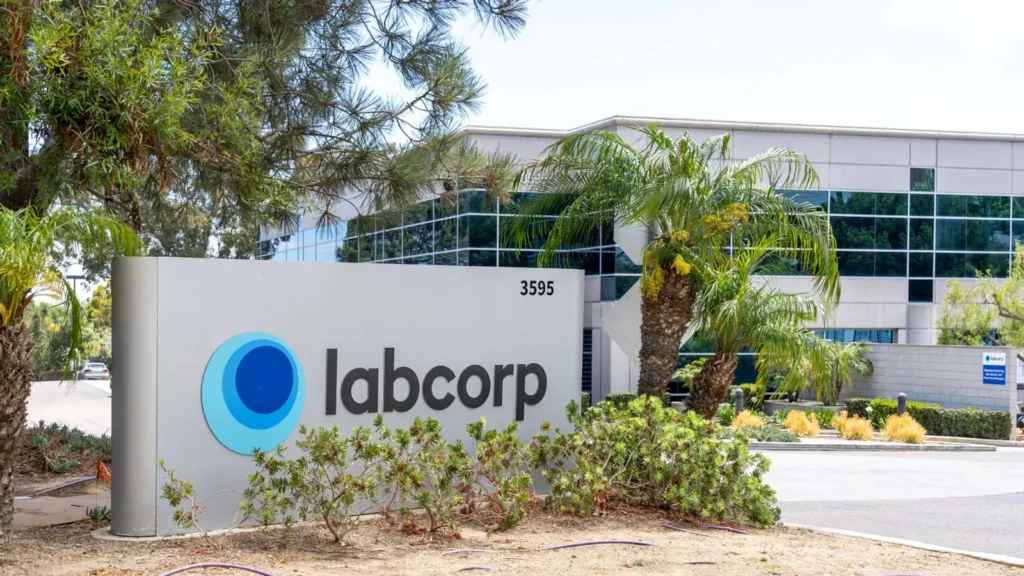
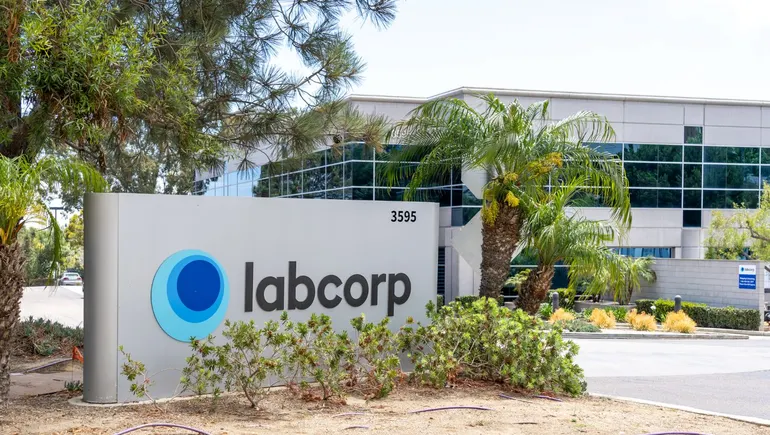
Labcorp, a global leader of innovative and comprehensive laboratory services, has entered into a definitive agreement to acquire the prenatal testing assets of Myriad Genetics for $210 million in an all-cash transaction. This strategic acquisition, which includes several of the industry’s most recognizable brands in maternal-fetal medicine, marks a significant expansion of Labcorp’s specialty testing capabilities. The deal encompasses Myriad’s suite of prenatal screenings, including the Prequel non-invasive prenatal test (NIPT), the Foresight carrier screen, the FirstGene prenatal screen, and the SneakPeek early gender DNA test. By integrating these assets, Labcorp aims to solidify its position in the rapidly evolving women’s health market, leveraging its massive logistical infrastructure to revitalize products that have recently faced commercial headwinds.
Strategic Integration and the Specialty Testing Pivot
The acquisition of Myriad’s prenatal business is the latest move in Labcorp’s broader corporate strategy to pivot toward high-growth, high-margin specialty testing. During a recent investor day, Bryan Vaughn, Labcorp’s Diagnostic President, highlighted that the company’s specialty testing franchise currently represents approximately $2 billion in annual revenue and is growing at three times the rate of the overall diagnostic market.
For Labcorp, the Myriad assets represent more than just additional volume; they offer a sophisticated technological bridge to obstetricians and gynecologists across the United States. The integration of the Foresight and Prequel brands allows Labcorp to offer a more comprehensive continuum of care, from pre-conception carrier screening to early-gestation fetal health assessments. Analysts from Evercore noted that the fit between these assets and Labcorp’s existing laboratory network is "highly reasonable," suggesting that Labcorp can use its extensive sales force to cross-sell these premium tests to a broader provider base than Myriad could reach independently.

Detailed Breakdown of the Acquired Prenatal Assets
The portfolio Labcorp is acquiring consists of four distinct pillars of prenatal and pre-conception diagnostics:
- Foresight Carrier Screen: This test is designed for prospective parents to determine if they are carriers of genetic conditions that could be passed on to their children, such as cystic fibrosis, spinal muscular atrophy, and fragile X syndrome. It screens for over 175 serious inheritable conditions.
- Prequel Non-Invasive Prenatal Test (NIPT): Utilizing cell-free DNA (cfDNA) technology, Prequel assesses the risk of fetal chromosomal abnormalities, such as Down syndrome (Trisomy 21), Edwards syndrome (Trisomy 18), and Patau syndrome (Trisomy 13), as early as the tenth week of pregnancy.
- FirstGene Prenatal Screen: A comprehensive single-workflow test that combines NIPT with carrier screening and fetal sex determination, providing a streamlined experience for both clinicians and patients.
- SneakPeek Early Gender DNA Test: A consumer-facing product that allows expectant parents to learn the predicted fetal sex as early as six weeks into pregnancy with over 99% accuracy.
By controlling these brands, Labcorp gains a foothold in both the clinical provider-ordered market and the growing direct-to-consumer diagnostic space, the latter of which has seen increased demand as patients seek more autonomy in their healthcare journeys.
Contextualizing Myriad’s Exit from the Prenatal Space
The decision by Myriad Genetics to divest its prenatal business comes after a period of financial volatility for the unit. In the first half of the current fiscal year, Myriad reported that sales of its prenatal tests fell by 16% year-over-year, totaling $81.7 million. During an earnings call in July, Myriad executives attributed this decline to a combination of "elevated payer friction," administrative hurdles in reimbursement, and intense competition from specialized rivals.
Myriad’s departure from this segment allows the company to refocus its resources on its core competencies: oncology and pharmacogenomics. For years, Myriad was synonymous with hereditary cancer testing, particularly the BRCA1 and BRCA2 genes. However, as the prenatal market became increasingly crowded with nimble competitors like Natera and BillionToOne, Myriad struggled to maintain the necessary margins. By selling the unit to Labcorp, Myriad receives a significant cash infusion of $210 million—a figure that TD Cowen analysts described as being "well ahead" of investor expectations—while offloading a business line that required heavy capital investment to remain competitive.
Market Dynamics and Competitive Pressure
The women’s health diagnostic market has become a battlefield for market share, particularly in the NIPT space. Companies like Natera have seen explosive growth by focusing exclusively on high-performance cfDNA testing and building deep relationships with maternal-fetal medicine specialists. Similarly, BillionToOne has emerged as a disruptive force with its molecular counting technology.
Industry analysts suggest that Labcorp’s primary challenge will be reversing the market share erosion these competitors have caused. However, Labcorp possesses a "moat" that smaller diagnostic firms lack: a massive, integrated network that includes thousands of patient service centers and deep-rooted contracts with national insurance payers. Evercore analysts predict that through better cost management and the integration of these tests into Labcorp’s existing logistics, the company can nearly double the adjusted operating margins for these assets. Projections suggest margins could rise from approximately 9% in fiscal 2027 to 14% in 2028, eventually reaching 17.5% once full integration is achieved.
Financial Analysis of the Transaction
The $210 million purchase price represents a strategic valuation that balances the current underperformance of the assets with their long-term potential under a larger umbrella. According to data from Evercore, Labcorp is paying roughly 1.3 times the expected first-year revenue for the Myriad assets. This is notably more conservative than the 2.9 times revenue multiple Labcorp paid in its recent deal to acquire assets from BioReference Health.
This valuation reflects the "fixer-upper" nature of the Myriad prenatal business. Labcorp is betting that the volume declines seen under Myriad were not a result of poor test quality, but rather a result of an inefficient sales structure and sub-optimal payer relations. By moving these tests into the Labcorp ecosystem, the company can eliminate the "payer friction" Myriad cited, as Labcorp’s billing departments are among the most robust in the healthcare industry.

A Timeline of Labcorp’s Recent Acquisitions
The Myriad deal is not an isolated event but part of an aggressive M&A streak by Labcorp designed to consolidate the diagnostic landscape. The following timeline illustrates Labcorp’s recent efforts to expand its footprint:
- June 2023: Labcorp completes the spin-off of its clinical development business, Fortrea, allowing the company to focus exclusively on laboratory services.
- Early 2024: Labcorp enters into several regional laboratory management agreements with health systems to expand its geographic reach.
- August 2024: Labcorp announces the acquisition of select assets from BioReference Health, including its clinical diagnostics and reproductive health businesses in certain regions, for approximately $237 million.
- September 2024: The announcement of the $210 million deal for Myriad Genetics’ prenatal assets.
This series of acquisitions demonstrates Labcorp’s intent to act as the primary consolidator in a fragmented diagnostic market, particularly as smaller or less diversified players struggle with rising labor costs and fluctuating reimbursement rates under the Protecting Access to Medicare Act (PAMA).
Broader Implications for the Diagnostic Industry
The consolidation of prenatal testing into the hands of a few large players like Labcorp and Quest Diagnostics has significant implications for the healthcare ecosystem. On one hand, it can lead to greater standardization of testing and improved access for patients through Labcorp’s vast network. On the other hand, some industry observers express concern that reduced competition could eventually lead to less innovation in the NIPT space.
However, for now, the move is seen as a win for clinical providers. Physicians often prefer "one-stop-shop" laboratory partners who can handle everything from routine blood work to advanced genetic screening. By adding FirstGene and Prequel to its menu, Labcorp becomes a more attractive partner for large OB-GYN practices that want to minimize the number of different labs they interact with daily.
Future Outlook and Conclusion
As Labcorp moves toward closing the Myriad transaction, the focus will shift to execution. The company must successfully transition Myriad’s existing customer base without service interruptions while simultaneously training its national sales force on the technical nuances of the Foresight and Prequel platforms.
The acquisition serves as a clear signal that Labcorp views women’s health as a cornerstone of its future growth. With the maternal age in developed nations continuing to rise, the demand for sophisticated prenatal screening is expected to remain on an upward trajectory. By acquiring established brands at a reasonable revenue multiple, Labcorp has positioned itself to capture this demand more efficiently than almost any other player in the diagnostic industry. If the projected margin expansions come to fruition, the $210 million investment could prove to be one of the most accretive deals in Labcorp’s recent history, reinforcing the company’s role as a dominant force in the high-stakes world of specialty diagnostics.