






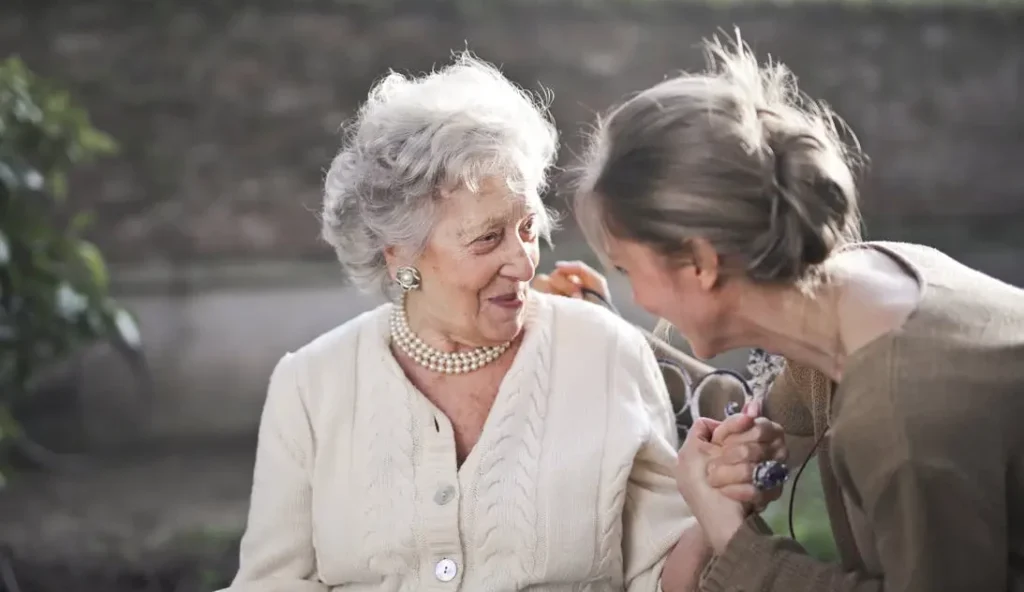
The intersection of ancestral wisdom and modern optimization has birthed a new cultural phenomenon among Generation Z known as "nonnamaxxing." This trend, which gained significant traction in early 2026, involves the deliberate adoption of the lifestyle habits, dietary patterns, and social behaviors characteristic of elderly Italian grandmothers, or nonne. While the term follows the linguistic pattern of "everything-maxxing" trends popular on social media platforms—where users seek to "optimize" every aspect of their lives from sleep to aesthetics—nonnamaxxing distinguishes itself by focusing on the proven longevity metrics found in the world’s "Blue Zones." As younger generations face rising rates of chronic illness and mental health challenges, the shift toward the traditional, slow-paced lifestyle of Sardinia and rural Italy represents a radical departure from the high-tech biohacking movements of previous years.
The Evolution of Longevity Trends: From Biohacking to Ancestral Wisdom
The emergence of nonnamaxxing marks a specific point in the chronology of Gen Z wellness culture. To understand its rise, one must look at the preceding five years of health trends. In the early 2020s, the "Grandmacore" aesthetic popularized a visual appreciation for knitting, gardening, and vintage floral patterns. However, by 2024, the focus shifted toward "longevity hacking," driven by high-profile tech entrepreneurs who utilized expensive supplements, blood transfusions, and rigorous biometric monitoring to reverse aging.
By mid-2025, a counter-movement began to form. Critics of high-tech biohacking argued that the pursuit of immortality had become too clinical, expensive, and stressful—ironically potentially shortening lifespans through cortisol elevation. In late 2025, social media influencers began documenting their visits to Sardinia, Italy, one of the original five Blue Zones identified by researcher Dan Buettner. These influencers observed that the oldest living people on Earth did not use wearable sleep trackers or personalized supplement stacks; instead, they lived according to a set of traditional principles. By April 2026, these observations coalesced into the "nonnamaxxing" movement, which prioritizes low-tech, high-impact lifestyle changes rooted in Mediterranean tradition.

The Scientific Foundation: Blue Zones and the Sardinian Model
The primary inspiration for nonnamaxxing is the province of Nuoro and the mountainous region of Ogliastra in Sardinia. These areas boast one of the highest concentrations of centenarians in the world. Gerontologists have identified several key factors that contribute to this longevity, which practitioners of nonnamaxxing now attempt to replicate in modern urban environments.
Data from the Blue Zones research indicates that the "Power 9"—the nine common denominators among the world’s longest-lived populations—are central to the nonnamaxxing philosophy. These include moving naturally, having a sense of purpose (known as plan de vida or ikigai), and putting family first. In Sardinia, the "M2" (Mediterranean-Mediterranean) diet is a cornerstone of this longevity. Unlike the commercialized version of the Mediterranean diet, the Sardinian version is heavily plant-based, featuring sourdough bread, garden vegetables, olive oil, and small amounts of pecorino cheese and wine.
Statistically, the results of these lifestyle choices are profound. According to data from the Italian National Institute of Statistics (ISTAT), Italy has one of the highest life expectancies in the European Union, at approximately 83.5 years. In specific Blue Zone pockets, the ratio of centenarians is nearly ten times higher per capita than in the United States. Gen Z’s adoption of these habits is an attempt to close the gap between modern life expectancy and biological potential.
Core Pillars of the Nonnamaxxing Movement
Nonnamaxxing is not merely an aesthetic choice; it is a holistic lifestyle protocol. Adherents focus on four primary pillars: functional movement, nutritional authenticity, social integration, and cognitive engagement.
Functional Movement Over Gym Culture
Rather than engaging in high-intensity interval training (HIIT) or heavy weightlifting, nonnamaxxing promotes "natural movement." This includes walking as a primary mode of transportation, gardening, and manual household tasks. In Sardinia, the steep terrain of mountain villages ensures that residents engage in low-intensity incline walking daily. Gen Z practitioners are replicating this by opting for "walking meetings," choosing stairs over elevators, and engaging in "slow fitness" that prioritizes mobility and joint health over muscle hypertrophy.
Nutritional Authenticity and Slow Food
The dietary aspect of nonnamaxxing involves a rejection of ultra-processed foods (UPFs) in favor of "from-scratch" cooking. This includes making pasta by hand, fermenting vegetables, and sourcing local, seasonal produce. The focus is on the quality of ingredients—specifically the polyphenols in extra virgin olive oil and the complex carbohydrates in sourdough. According to a 2025 report by the Global Wellness Institute, sales of home-milling equipment and traditional Italian cooking tools increased by 22% as young consumers moved away from pre-packaged "health foods."
Social Architecture and "Getting in Everyone’s Business"
Perhaps the most distinctive feature of nonnamaxxing is its emphasis on social cohesion. In traditional Italian culture, the nonna is the central figure of the family and community. She is deeply involved in the lives of her neighbors and relatives. Modern research into the "loneliness epidemic" suggests that social isolation is as detrimental to health as smoking 15 cigarettes a day. Nonnamaxxing encourages young people to build tight-knit "moais" (social circles), prioritize multi-generational living or frequent contact with elders, and engage in the local community—even if that means the occasional "gossip" or over-involvement in communal affairs, which serves as a form of social bonding and cognitive stimulation.
Economic and Market Implications
The shift toward nonnamaxxing is beginning to influence global markets. The "Silver Economy," traditionally focused on products for the elderly, is seeing an unexpected influx of younger consumers. There has been a recorded uptick in the purchase of high-quality linens, durable kitchenware, and traditional footwear designed for walking rather than athletic performance.
Furthermore, the food and beverage industry is feeling the impact. Traditional Italian exports, such as DOP-certified olive oils and regional wines like Cannonau (which is high in antioxidants), have seen a surge in demand among consumers aged 18 to 30. Market analysts suggest that this trend reflects a broader move toward "slow consumption," where quality and longevity of the product are valued over fast-fashion or quick-fix solutions.
Expert Analysis and Official Responses
Public health experts have reacted to the nonnamaxxing trend with cautious optimism. Dr. Marco Valenti, a sociologist specializing in Mediterranean aging, notes that "the brilliance of this movement is its accessibility. Unlike the biohacking trends of the past, which required expensive equipment and memberships, nonnamaxxing is essentially free. It democratizes longevity."
However, some nutritionists warn against a superficial adoption of the trend. "Simply wearing a flowery dress and eating pasta is not enough," says nutritionist Sarah Jenkins. "The Sardinian model works because of a combination of low caloric density, high physical activity, and a lack of chronic stress. If you are ‘nonnamaxxing’ while still working 60 hours a week in a high-stress corporate job, the benefits will be significantly diminished."
Governmental bodies in Italy have also taken note. The Italian Ministry of Culture recently launched an initiative to document the oral histories of centenarians in Blue Zones, partially in response to the global interest generated by Gen Z. There is a growing recognition that the "Italian lifestyle" is a valuable cultural export that provides a roadmap for sustainable living in the 21st century.
Broader Impact on Mental Health and Urban Planning
Beyond physical health, nonnamaxxing is being lauded for its mental health benefits. The focus on the present moment, manual labor (such as kneading dough), and community interaction provides a psychological buffer against the digital fatigue prevalent in Gen Z. The movement advocates for "digital minimalism," encouraging users to put down their phones in favor of face-to-face interaction and "analog" hobbies.
Urban planners are also observing the trend with interest. The demand for "walkable cities" and communal green spaces aligns with the nonnamaxxing requirement for natural movement and social gathering spots. In cities like New York and London, "community gardens" and "intergenerational housing" projects are gaining political support as young people seek environments that facilitate the Blue Zone lifestyle.
Conclusion: The Future of Longevity
As of April 2026, nonnamaxxing shows no signs of slowing down. It represents a pivot in the cultural zeitgeist—from a world obsessed with the future and technological salvation to one that finds value in the proven patterns of the past. While the name may be a product of internet slang, the underlying principles of the movement are supported by decades of demographic and biological research.
Whether Gen Z will actually live to be 100 remains to be seen, but the adoption of nonnamaxxing suggests a generation that is increasingly skeptical of modern shortcuts to health. By looking to the Italian grandmother as the ultimate model of optimization, they are choosing a path to longevity that is defined not by what they can buy, but by how they live, eat, and relate to one another. In the pursuit of immortality, the most effective tool may not be a laboratory-grade supplement, but a simple wooden spoon and a commitment to the community.