










The dietary landscape of the 21st century has undergone a significant transformation, shifting from the low-fat craze of the 1990s to a sophisticated understanding of macronutrient ratios. At the center of this evolution is protein, the essential macronutrient responsible for muscle synthesis, hormonal regulation, and metabolic efficiency. For athletes, bodybuilders, and health-conscious individuals, the challenge has transitioned from simply consuming enough protein to finding high-quality, low-carbohydrate sources that provide variety and sustainability. Registered dietitians now emphasize that a successful nutritional strategy must balance physiological requirements with culinary diversity to ensure long-term compliance and health.
The Biological Necessity of Protein-Dense Nutrition
Protein serves as the primary building block for human tissue, but its utility extends far beyond the repair of skeletal muscle. It is fundamental in the production of enzymes and hormones that regulate everything from digestion to mood. One of the most significant advantages of a high-protein diet is the Thermic Effect of Food (TEF). Scientific data indicates that protein possesses a higher TEF than fats or carbohydrates, meaning the body expends more energy—roughly 20% to 30% of the calories consumed—just to process and metabolize the nutrient. This metabolic "tax" makes protein a critical tool for those seeking to reduce body fat without sacrificing lean mass.
Furthermore, protein’s impact on satiety is well-documented in clinical literature. High-protein meals stimulate the release of satiety hormones like peptide YY (PYY) and glucagon-like peptide-1 (GLP-1), while simultaneously suppressing ghrelin, the "hunger hormone." This dual action helps individuals manage caloric intake more effectively than diets dominated by simple carbohydrates, which often lead to insulin spikes followed by rapid hunger.

A Chronology of Protein-Centric Dietary Trends
The prioritization of high-protein, low-carb intake is not a new phenomenon, but its application has evolved. In the 1970s, the Atkins Diet popularized the restriction of carbohydrates, though it was often criticized for an over-reliance on saturated fats. By the 1990s and early 2000s, the "Zone" and "South Beach" diets introduced a more nuanced approach, emphasizing lean proteins.
In the last decade, the rise of the Paleo and Ketogenic movements further refined the public’s understanding of "clean" protein sources. Today, the consensus among sports nutritionists and registered dietitians has landed on "flexible dieting" or "macro-tracking." This approach acknowledges that while the 0.8 to 1.25 grams of protein per pound of body weight remains the gold standard for active individuals, the sources of that protein must be varied to prevent micronutrient deficiencies and "palate fatigue."
The Top 20 High-Protein, Low-Carbohydrate Food Sources
To achieve a balanced nutritional profile, experts recommend rotating through various protein sources. The following twenty foods represent the most efficient options for those seeking high protein density with minimal carbohydrate interference.
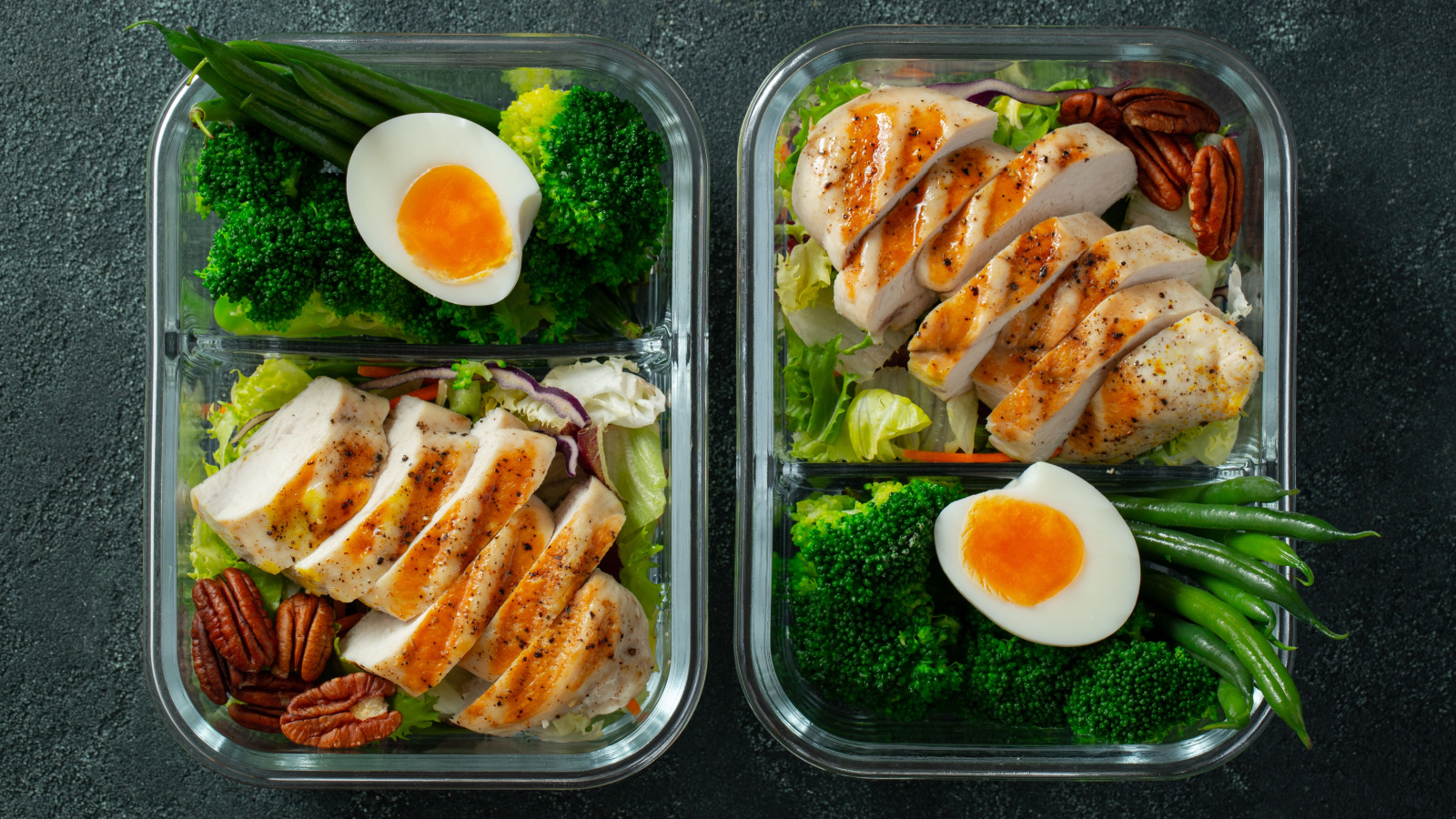
1. Whole Eggs
Often referred to as the "gold standard" for protein quality, eggs provide a complete amino acid profile alongside healthy fats and choline. Their versatility allows for inclusion in breakfasts, salads, and portable snacks.
2. Egg Whites
For those seeking to maximize protein while strictly limiting fat and calorie intake, liquid or fresh egg whites are an essential tool. They are frequently used to add volume to meals without altering flavor profiles significantly.
3. Salmon
Rich in omega-3 fatty acids, salmon supports cardiovascular health and reduces inflammation. A standard 6-ounce serving provides approximately 34 grams of protein with zero carbohydrates.
4. Sardines
These small, nutrient-dense fish offer a sustainable source of protein, calcium, and vitamin D. Often sold canned in water or oil, they serve as a convenient option for maintaining high protein intake on the go.
5. Tuna
Whether fresh or canned, tuna is one of the leanest protein sources available. It is particularly favored by athletes during "cutting" phases due to its extremely high protein-to-calorie ratio.
6. Shrimp
Shrimp is a low-calorie shellfish that offers significant volume. It is an excellent source of selenium and vitamin B12, making it a staple for weight-management diets.
7. Pork Chops
Modern agriculture has produced leaner cuts of pork than in previous decades. A center-cut pork chop is comparable to chicken breast in its leanness while providing a different flavor profile and essential B vitamins.

8. Pork Shoulder
While higher in fat than chops, pork shoulder is a robust protein source ideal for slow-cooking and meal prepping. It provides a moderate-fat option for those on ketogenic or maintenance diets.
9. Ham
Cured ham offers a lean, pre-cooked protein option. However, dietitians advise monitoring sodium levels, as processed varieties can contribute to water retention.
10. Sirloin Steak
Sirloin is a premier lean red meat. It provides highly bioavailable heme iron and zinc, which are critical for energy metabolism and immune function.
11. Strip Steak
Similar to sirloin, the strip steak (or New York strip) offers a balance of tenderness and lean protein, making it a favorite for grilled entrees.
12. Ribeye Steak
For those requiring higher caloric intake or following a high-fat, low-carb protocol, ribeye provides significant marbling. The fat content enhances satiety and provides fat-soluble vitamins.
13. Lean Ground Beef (95/5)
Ground beef is a versatile staple for meal prepping. Choosing a 95% lean variety ensures high protein delivery without the excessive saturated fat found in standard 80/20 blends.
14. Beef Liver
Historically a staple of bodybuilding diets, beef liver is perhaps the most nutrient-dense food on this list. It is an unparalleled source of Vitamin A and copper, though its strong flavor profile remains polarizing.

15. Cottage Cheese
Cottage cheese is a slow-digesting dairy protein containing high levels of casein. It is often consumed before sleep to provide a steady release of amino acids throughout the night.
16. Greek Yogurt
By straining the whey, Greek yogurt achieves a much higher protein concentration than traditional yogurt. Consumers should opt for plain varieties to avoid the hidden sugars found in flavored versions.
17. Chicken Breast
The quintessential "fitness food," chicken breast is prized for its versatility and low fat content. It serves as a blank canvas for various spices and cooking methods.
18. Chicken Thighs
Chicken thighs offer a moister alternative to the breast. While they contain more fat, they also provide higher levels of iron and zinc.
19. Whey Protein Powder
As a fast-digesting supplement, whey protein is ideal for post-workout recovery. It allows for the rapid delivery of leucine, the primary trigger for muscle protein synthesis.
20. Casein Protein Powder
Casein forms a "gel" in the stomach, leading to slower digestion. This makes it an excellent tool for appetite control and sustained nitrogen balance.
Quantitative Analysis of Daily Requirements
The application of these food sources requires a structured approach to caloric and macronutrient distribution. For a 200-pound (90.7 kg) athlete, a typical high-performance target is 1.25 grams of protein per pound. This results in a daily goal of 250 grams of protein.
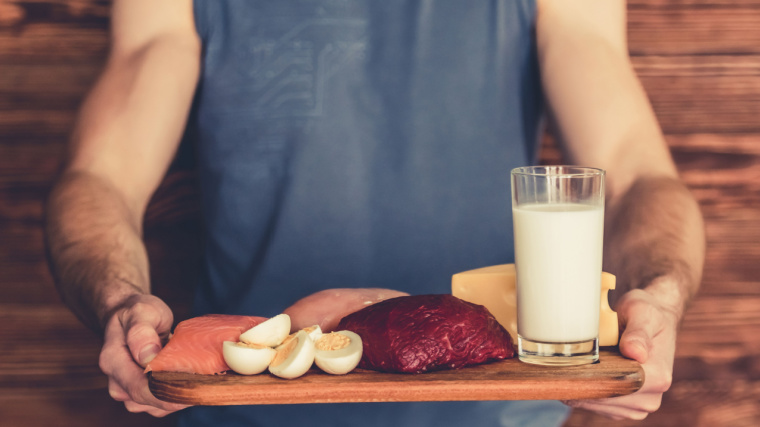
In a 3,500-calorie "bulking" or maintenance phase, this protein intake accounts for approximately 1,000 calories. The remaining 2,500 calories are typically split between fats and carbohydrates based on the individual’s insulin sensitivity and training intensity. Data suggests that even on "low-carb" days, maintaining high protein intake prevents the body from entering a catabolic state where it breaks down muscle tissue for energy.
Industry Implications and Market Trends
The shift toward high-protein, low-carb living has had a profound impact on the global food industry. The protein supplement market, valued at approximately $20 billion in 2023, is projected to grow significantly as "mainstream" consumers adopt the habits previously reserved for elite athletes.
Major food manufacturers have responded by reformulating products—introducing high-protein breads, pastas made from lentils or chickpeas, and "zero-sugar" Greek yogurts. This "protein-ification" of the grocery store reflects a broader societal move toward metabolic health and the prevention of sarcopenia (age-related muscle loss) in an aging population.
Practical Implementation and Expert Recommendations
Registered dietitians emphasize that while the 20 foods listed above are excellent choices, the method of preparation is equally important. Frying proteins in seed oils or smothering them in sugary sauces can quickly negate the benefits of a low-carb approach. Instead, experts recommend grilling, roasting, air-frying, or poaching.
The transition to a high-protein, low-carb lifestyle should be viewed as a long-term strategy rather than a short-term "fix." By rotating through diverse sources—from nutrient-dense organ meats and fatty fish to lean poultry and convenient dairy—individuals can support their physiological goals while maintaining a high quality of life. The integration of these foods, backed by a calculated understanding of caloric needs, provides the most reliable path toward optimized body composition and sustained athletic performance.