








The culinary landscape continues to evolve, driven by a growing awareness of dietary needs and health optimization. Among the recent innovations gaining traction is grain-free granola, a distinctive alternative to its traditional oat-based counterpart. This particular rendition, characterized by its sweet, nutty crunch, has found a dedicated following, particularly among individuals navigating specific health challenges, such as gestational diabetes, or those adhering to gluten-free and low-carbohydrate dietary protocols. The development of such recipes underscores a broader trend in food innovation: creating satisfying and accessible options that cater to diverse nutritional requirements without compromising on taste or texture.
The Evolution of Granola and Dietary Shifts
Granola, as a breakfast and snack staple, boasts a rich history dating back to the late 19th century. Originally conceived as a health food by Dr. James Caleb Jackson in 1863, under the name "Granula," it was a coarse, baked grain product intended to be soaked before consumption. Later, John Harvey Kellogg, of corn flakes fame, developed his own version, "Granola," in the 1870s. The product truly soared in popularity during the 1960s and 70s counterculture movement, aligning with a renewed interest in natural foods and wholesome living. Traditionally, granola has been made from rolled oats, nuts, seeds, and a sweetener, baked until crisp. It has been lauded for its fiber content and energy-boosting properties.
However, the 21st century has brought forth a more nuanced understanding of nutrition and individual dietary responses. The rise of gluten-free diets, initially driven by the diagnosis of celiac disease—an autoimmune disorder affecting approximately 1% of the global population—has expanded to include those with non-celiac gluten sensitivity, a condition estimated to affect up to 6% of individuals. Concurrently, low-carbohydrate and ketogenic diets have gained significant traction, advocated for their potential benefits in weight management, blood sugar control, and other metabolic health markers. These dietary shifts have naturally led consumers and food developers to seek alternatives for beloved staples, including granola, that traditionally rely on grains. The grain-free movement, therefore, represents not a rejection of all grains but a targeted approach to diet based on specific health goals or sensitivities, pushing the boundaries of traditional recipes.
Addressing Specific Health Needs: The Case of Gestational Diabetes
The impetus for many dietary innovations often stems from personal health journeys. In the context of this grain-free granola, the development was significantly influenced by the necessity of managing blood sugar levels during pregnancy due to gestational diabetes. Gestational diabetes mellitus (GDM) is a condition in which women without previously diagnosed diabetes develop high blood glucose levels during pregnancy. According to the Centers for Disease Control and Prevention (CDC), GDM affects 2% to 10% of pregnancies annually in the United States, with similar prevalence rates observed globally. Managing GDM is crucial for both maternal and fetal health, as uncontrolled blood sugar can lead to complications such as pre-eclampsia, preterm birth, and macrosomia (larger than average baby size), as well as increasing the mother’s risk of developing type 2 diabetes later in life.
Dietary modification is a cornerstone of GDM management, often requiring a carb-conscious approach to stabilize blood glucose. This means carefully monitoring carbohydrate intake and opting for foods with a lower glycemic index. For individuals accustomed to oat-based granolas, which are relatively high in carbohydrates, finding satisfying and blood-sugar-friendly breakfast and snack options can be challenging. The inspiration for this particular grain-free granola version emerged from the work of dietitian Lily Nichols, RDN, CDE, a leading voice in prenatal nutrition. Her book, "Real Food for Pregnancy," advocates for a nutrient-dense, lower-carbohydrate approach to prenatal nutrition, emphasizing whole foods and mindful eating to support optimal maternal and fetal health, particularly for those managing GDM. Nichols’s work highlights the importance of incorporating healthy fats, proteins, and nutrient-rich non-starchy vegetables and fruits, while moderating carbohydrate intake from sources like grains. This philosophical framework directly informed the adaptation of a grain-free granola recipe, offering a practical and palatable solution for maintaining dietary adherence during a critical period.
Market Trends and Nutritional Science
The growing demand for specialized dietary products, including grain-free options, is reflected in market trends. The global gluten-free market size was valued at USD 6.47 billion in 2022 and is projected to grow significantly, driven by rising health consciousness and increased diagnoses of celiac disease and gluten sensitivity. Similarly, the market for low-carb and ketogenic products is expanding rapidly, with consumers actively seeking foods that align with these dietary philosophies. Grain-free granola falls squarely within this burgeoning sector, appealing to a broad demographic beyond those with specific medical conditions.
From a nutritional standpoint, grain-free granola often relies on a base of nuts, seeds, and coconut, which offer distinct advantages. Nuts and seeds are powerhouses of nutrition, rich in healthy monounsaturated and polyunsaturated fats, plant-based protein, dietary fiber, vitamins (such as vitamin E and B vitamins), and minerals (including magnesium, zinc, and selenium). For instance, almonds provide vitamin E and magnesium, pecans offer antioxidants, and pumpkin seeds (pepitas) are a good source of iron and zinc. Coconut contributes healthy medium-chain triglycerides (MCTs), known for their potential metabolic benefits. This composition typically results in a granola that is higher in healthy fats and protein, and lower in net carbohydrates compared to traditional oat-based versions. While oats offer soluble fiber (beta-glucan) known for cholesterol-lowering properties, nuts and seeds provide a different spectrum of fiber and micronutrients, contributing to satiety and stable blood sugar levels, which is particularly beneficial for managing conditions like GDM. The minimal sweetening, often achieved with natural sugars like maple syrup or honey, further enhances its appeal for those monitoring sugar intake.
Crafting the Grain-Free Alternative: A Culinary Approach
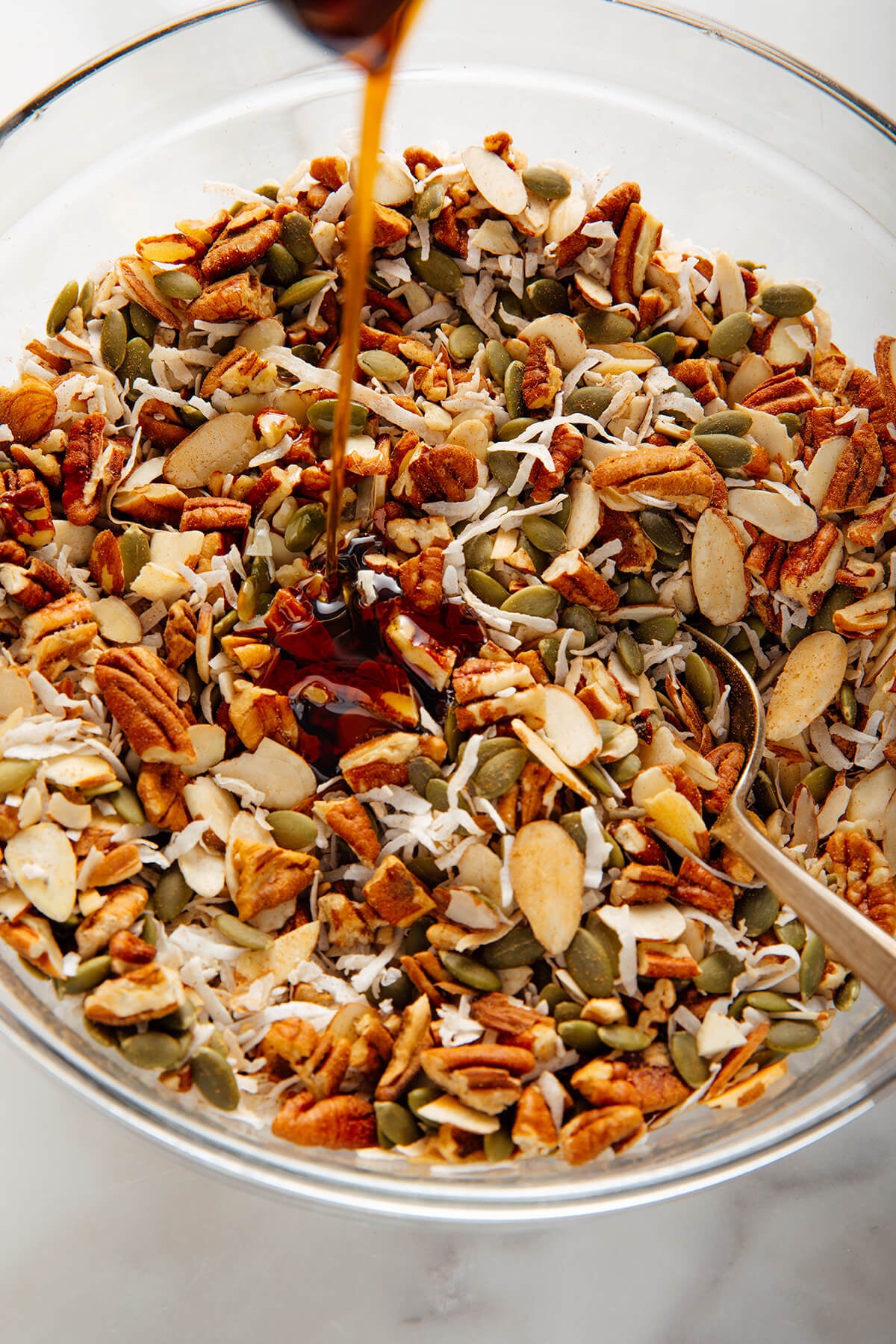
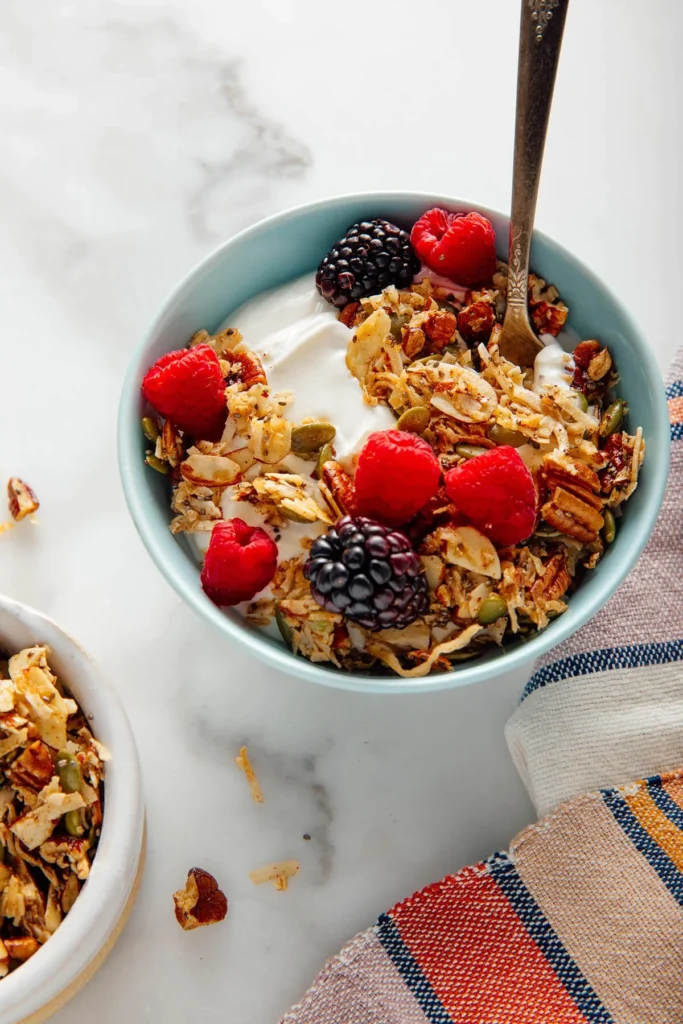
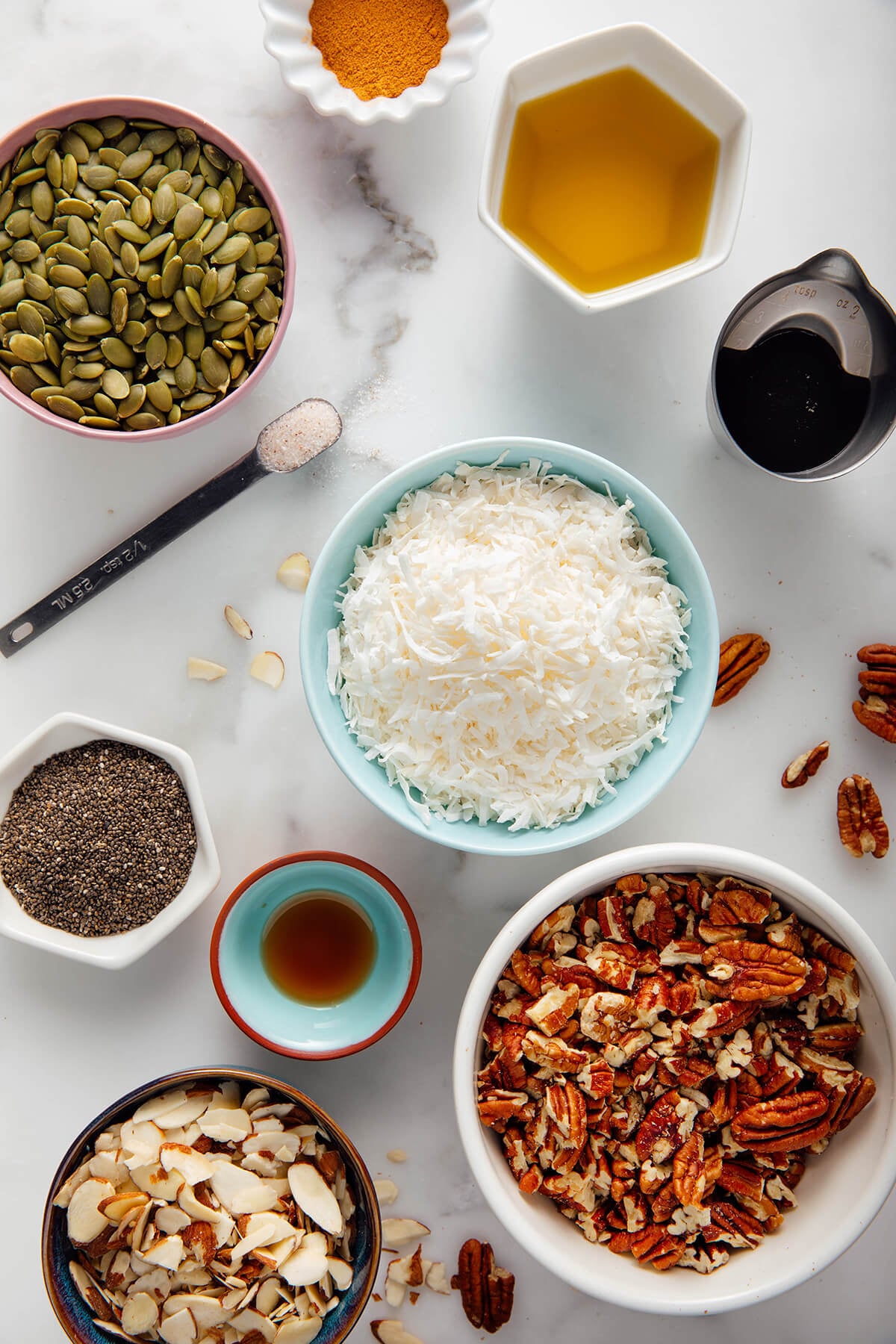
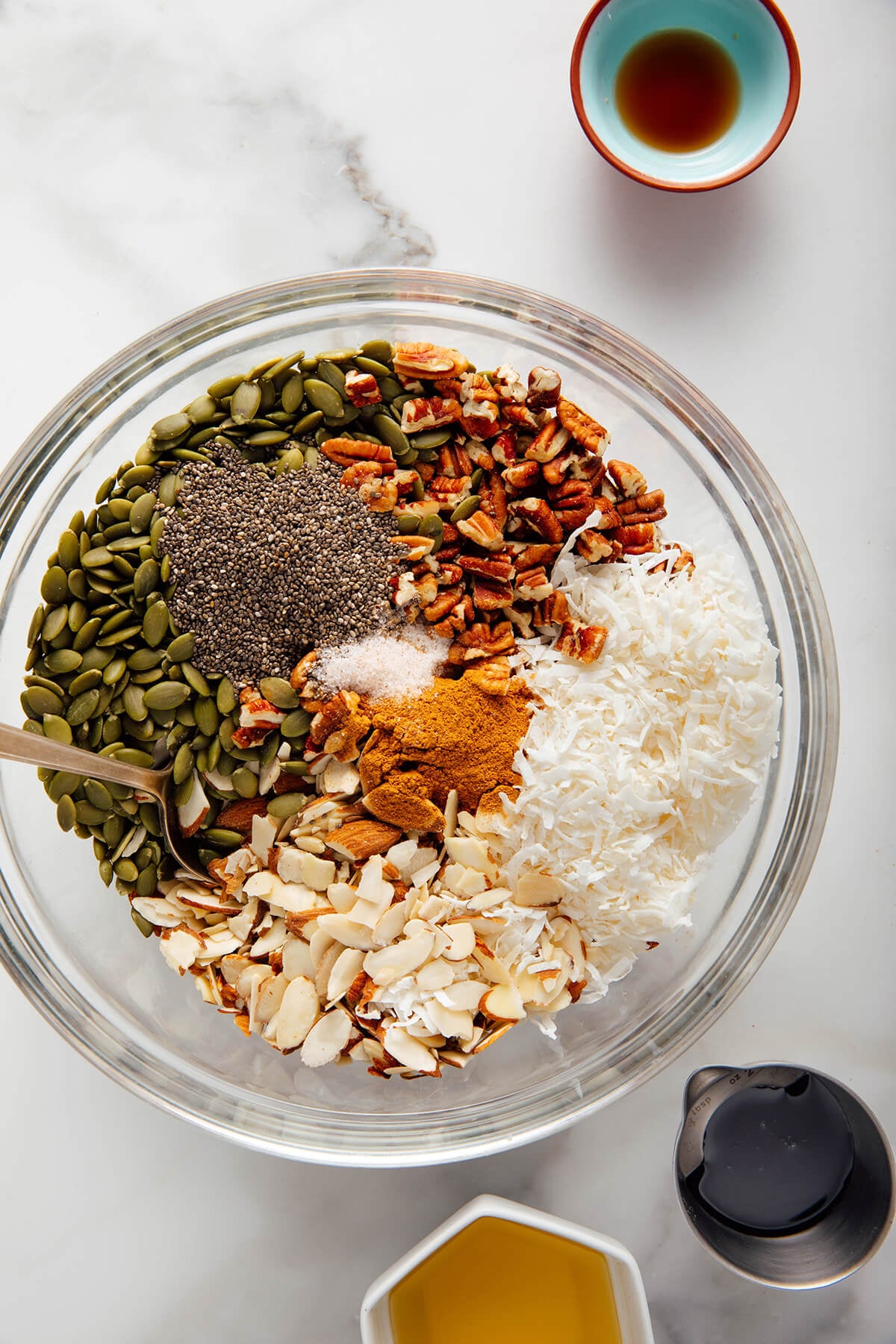
The creation of a successful grain-free granola is a testament to culinary adaptability and ingredient understanding. Unlike traditional recipes where oats provide the bulk and structural integrity, this alternative relies on a carefully selected blend of nuts, seeds, and shredded coconut to achieve a similar satisfying crunch and texture. Common nut options include almonds (sliced or chopped), pecans, and walnuts, which contribute distinct flavors and textures. Seeds such as pepitas (pumpkin seeds), sunflower seeds, chia seeds, and flax seeds add nutritional density, fiber, and textural interest. The choice between finely shredded coconut and larger flakes can significantly impact the final texture, with finer shreds often yielding a lighter, more integrated result.
The adaptability of this recipe is a key feature. Consumers can customize their granola based on pantry availability, personal preferences, or specific dietary needs. For instance, individuals with nut allergies can substitute nuts entirely with additional seeds like pepitas or sunflower seeds, creating a nut-free version. Similarly, the amount of coconut can be adjusted or replaced, offering flexibility for those who are less fond of its flavor. Optional additions like chia or flax seeds not only boost the nutritional profile with omega-3 fatty acids and fiber but also subtly alter the texture, with chia seeds providing a more noticeable presence. Flavor enhancements, such as cinnamon, can be omitted for a purer nutty profile or swapped for seasonal spice blends like pumpkin spice for an autumnal twist. The method of preparation, often involving a gentle baking process, is designed to achieve optimal crispness and cluster formation, a coveted characteristic of any good granola, by allowing it to cool completely on the baking sheet.
Versatility and Integration into Daily Diets
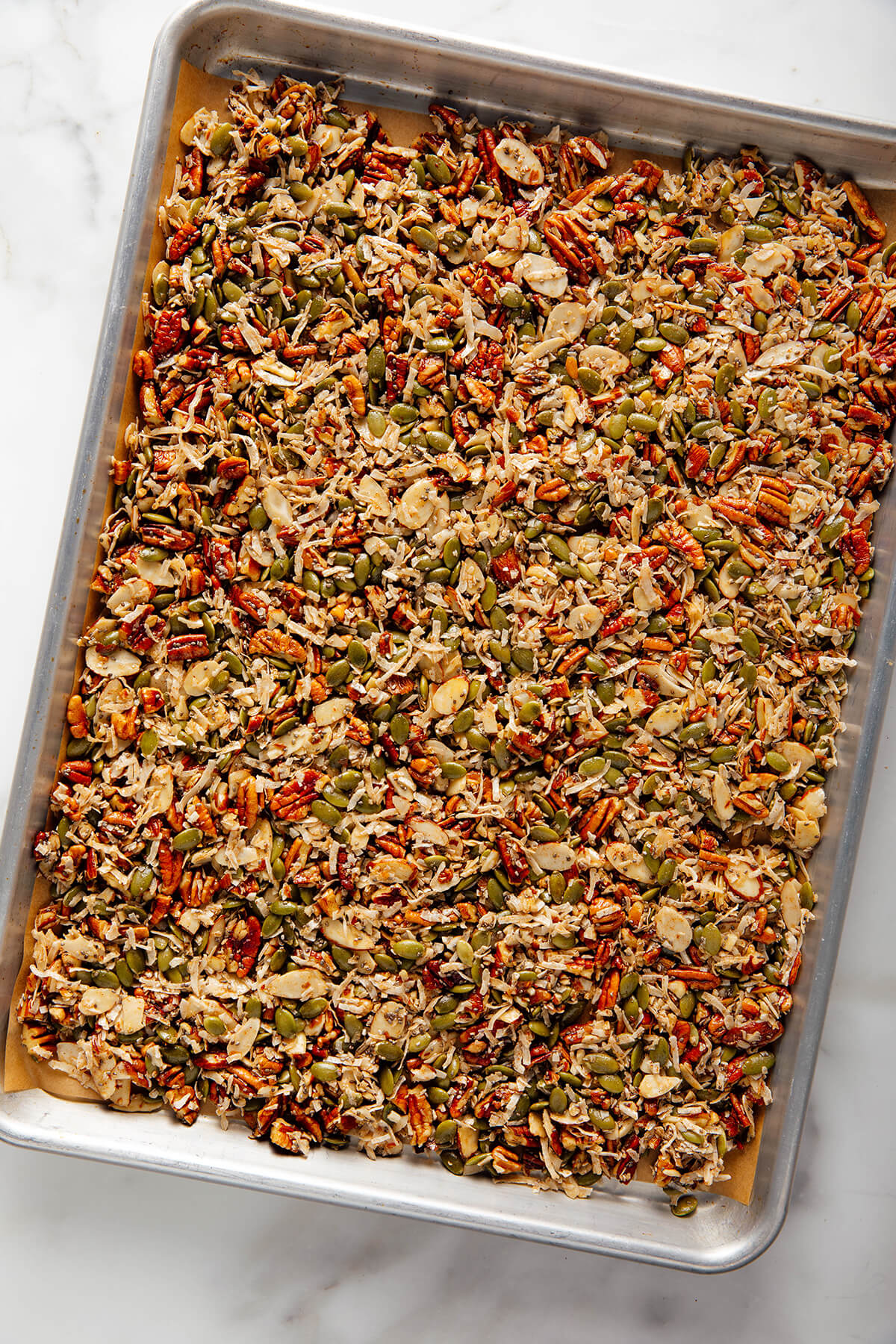
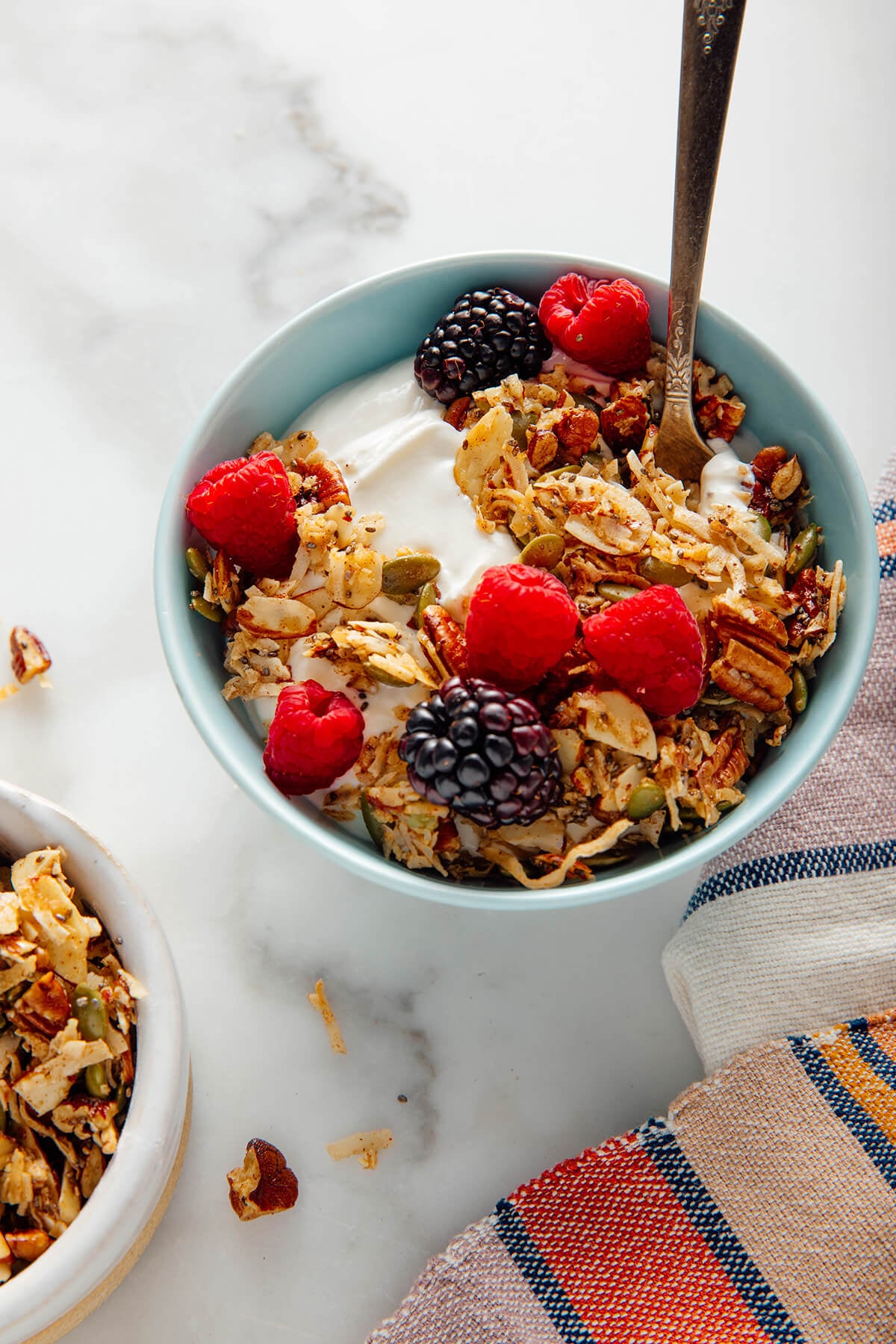
The utility of grain-free granola extends far beyond a singular breakfast item. Its versatility makes it an excellent addition to a variety of meals and snacks, enhancing both flavor and nutritional content. A few spoonfuls can transform a plain bowl of Greek yogurt, adding a significant dose of nutty texture, healthy fats, and plant-based protein, which aids in satiety and blood sugar control. It can be sprinkled over fresh fruit for a balanced snack, providing a satisfying crunch to complement the fruit’s sweetness. Beyond breakfast, it serves as an ideal topping for smoothie bowls, adding depth and substance. For those seeking a quick energy boost, it functions perfectly as a standalone snack, offering a more wholesome alternative to processed options.
The ease of incorporating this granola into diverse dietary patterns highlights its value. For individuals managing gestational diabetes, it offers a delicious and compliant way to enjoy a "cereal-like" experience without the carbohydrate load of traditional cereals. For those following gluten-free or low-carb diets, it provides a convenient and flavorful option that aligns with their dietary restrictions. The ability to prepare a batch and store it for weeks makes it a practical kitchen staple, reducing the need for constant meal preparation and supporting consistent adherence to dietary goals. This aspect of convenience, combined with its nutritional benefits and appealing taste, solidifies its role as a functional and enjoyable component of a health-conscious diet.
Expert Perspectives on Dietary Innovations
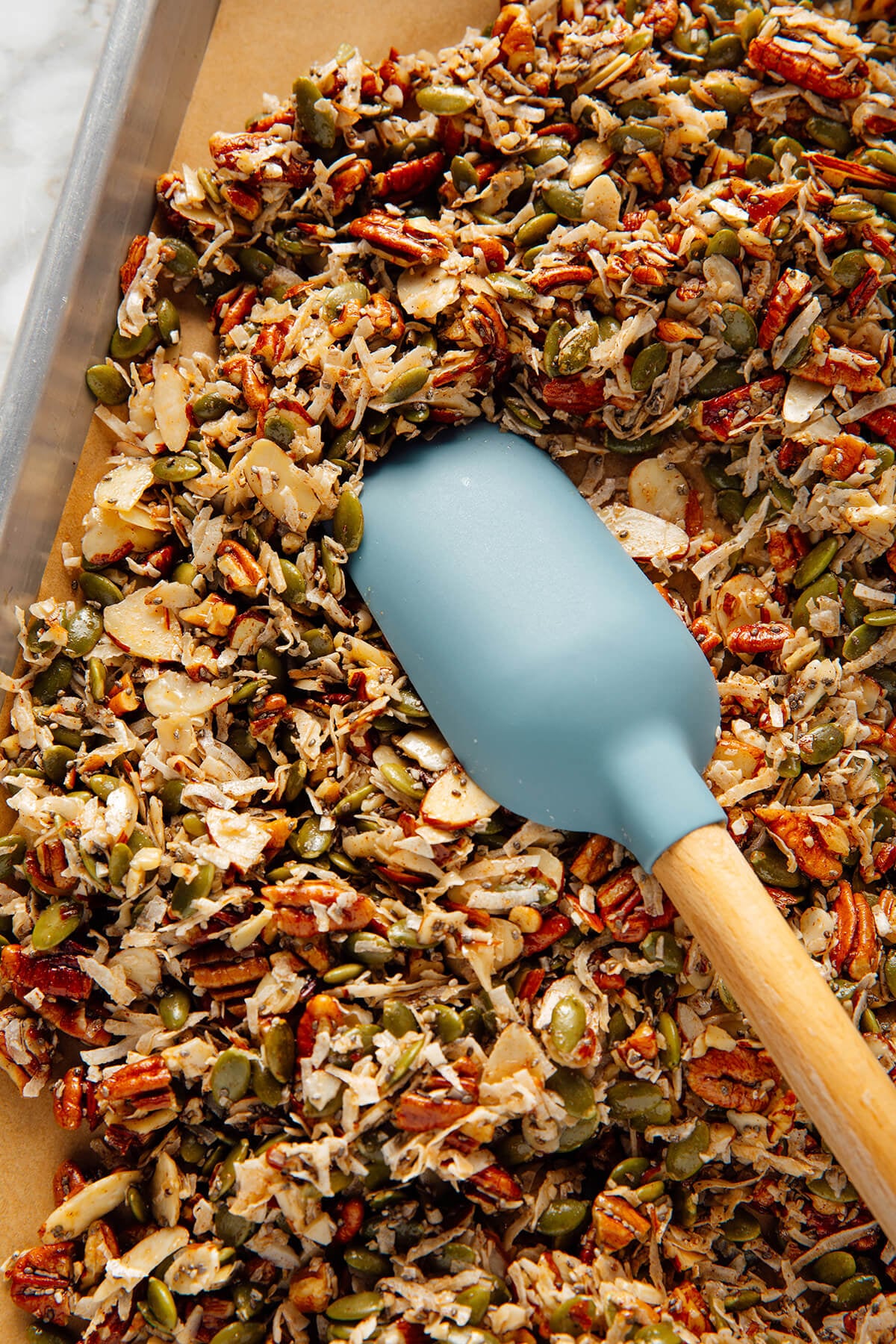
From the perspective of nutrition experts, the emergence of well-formulated grain-free products like this granola is a positive development. Dietitians frequently emphasize the importance of individualized nutrition and the need for diverse, nutrient-dense food options to support various health conditions and preferences. According to a generalized expert opinion, "Recipes that offer delicious and adaptable alternatives to traditional staples are invaluable. They empower individuals to adhere to necessary dietary modifications, whether for medical reasons like gestational diabetes or for personal health optimization, without feeling deprived. The focus on whole foods, healthy fats, and controlled sweetness in grain-free options aligns well with current nutritional recommendations for metabolic health."
Food industry analysts also observe that consumer demand for transparency, clean labels, and functional foods is driving innovation. Products that cater to specific dietary needs while delivering on taste and quality are increasingly successful. The trend points towards a future where customized food solutions become more commonplace, reflecting a deeper understanding of the interplay between diet and individual well-being. The proliferation of online recipe resources, spearheaded by food bloggers and culinary enthusiasts, plays a crucial role in disseminating these innovations and making specialized diets more accessible and enjoyable for the general public.
Implications for Public Health and Consumer Choice
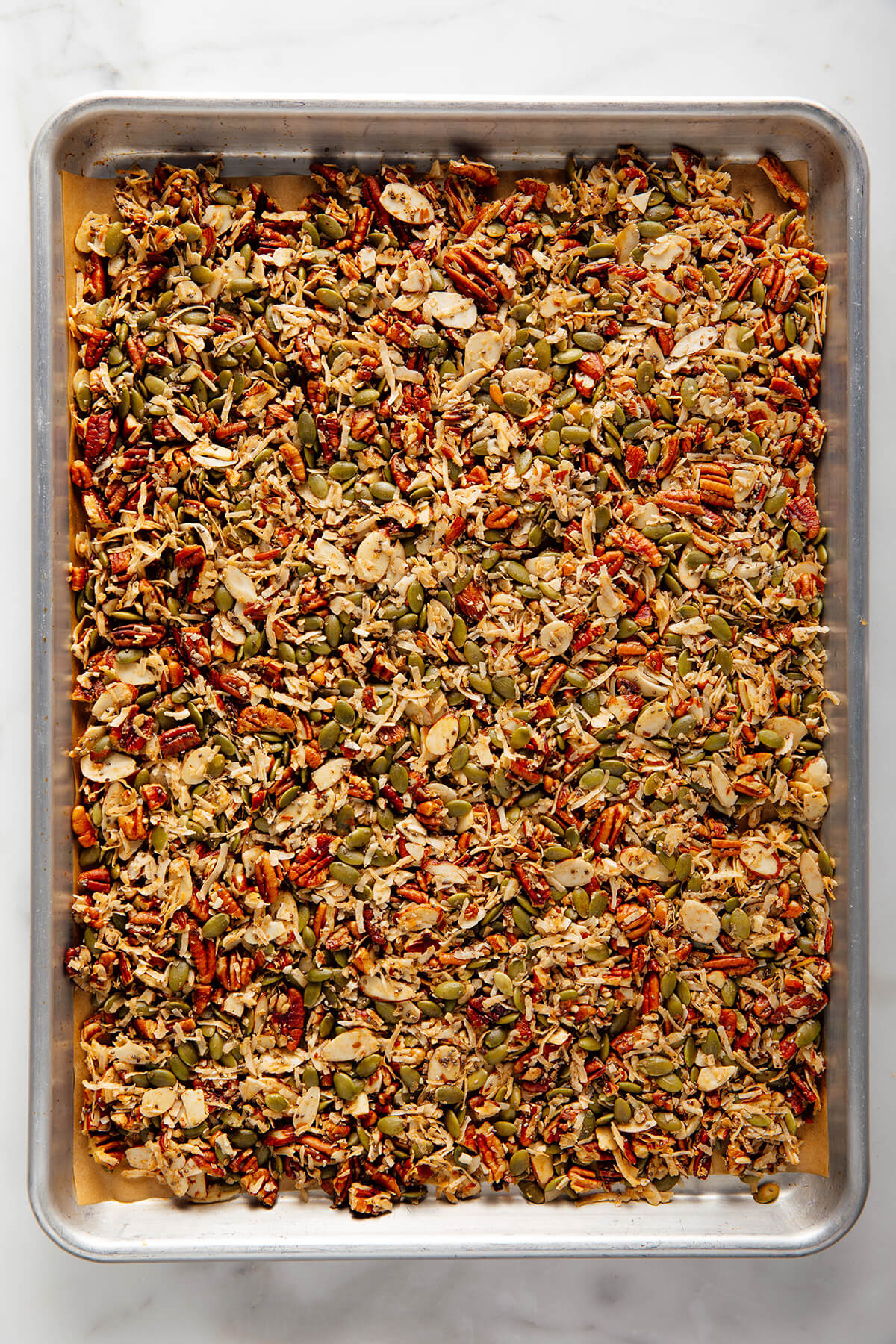
The widespread adoption and development of grain-free alternatives like this granola carry significant implications for public health and consumer choice. On one hand, it highlights a growing public awareness and proactive approach to managing health through diet. Consumers are increasingly seeking out foods that are not only tasty but also align with specific health goals, be it blood sugar management, inflammation reduction, or weight control. This demand, in turn, spurs food manufacturers and small-batch producers to innovate, leading to a broader array of specialized products available in the market.
Furthermore, the accessibility of such recipes through online platforms fosters a sense of empowerment among individuals. Instead of relying solely on commercially produced, often more expensive, specialty foods, consumers can learn to prepare their own customized versions at home. This not only offers cost savings but also provides greater control over ingredients, ensuring freshness and adherence to personal dietary standards. For vulnerable populations, such as pregnant women managing gestational diabetes, having delicious, compliant, and easily prepared food options can significantly reduce stress and improve adherence to critical dietary guidelines, ultimately contributing to better health outcomes for both mother and child. The grain-free granola, therefore, stands as more than just a recipe; it is a symbol of a dynamic food culture that continually adapts to meet evolving health needs and preferences, promoting a more informed and flexible approach to eating.