


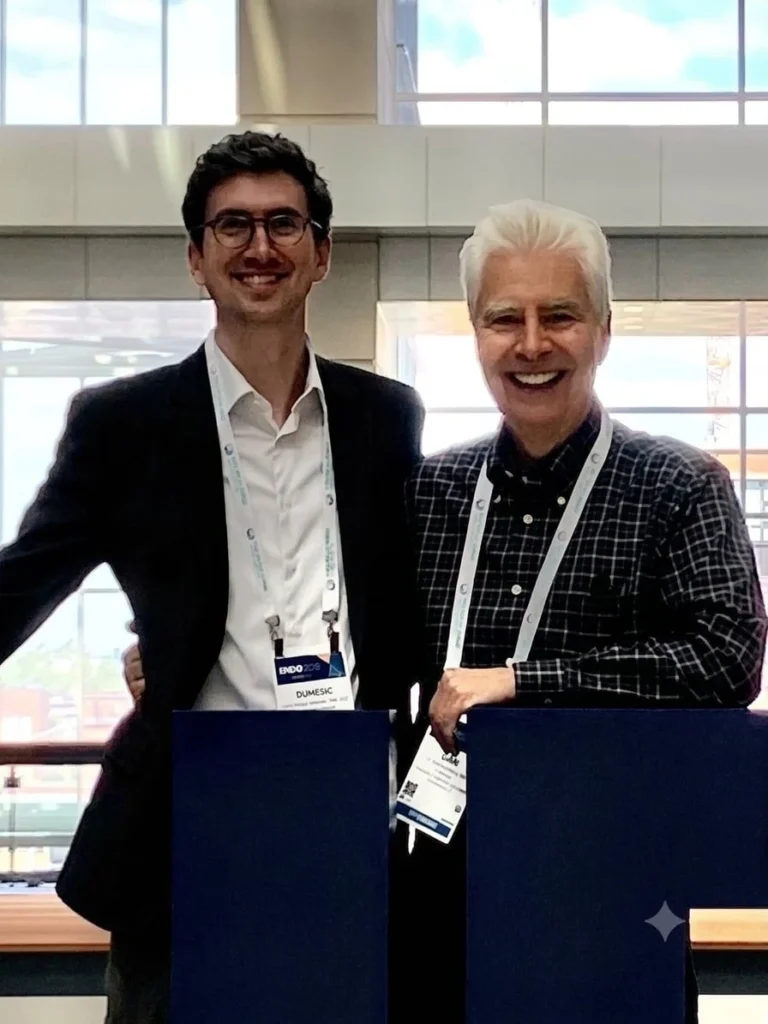
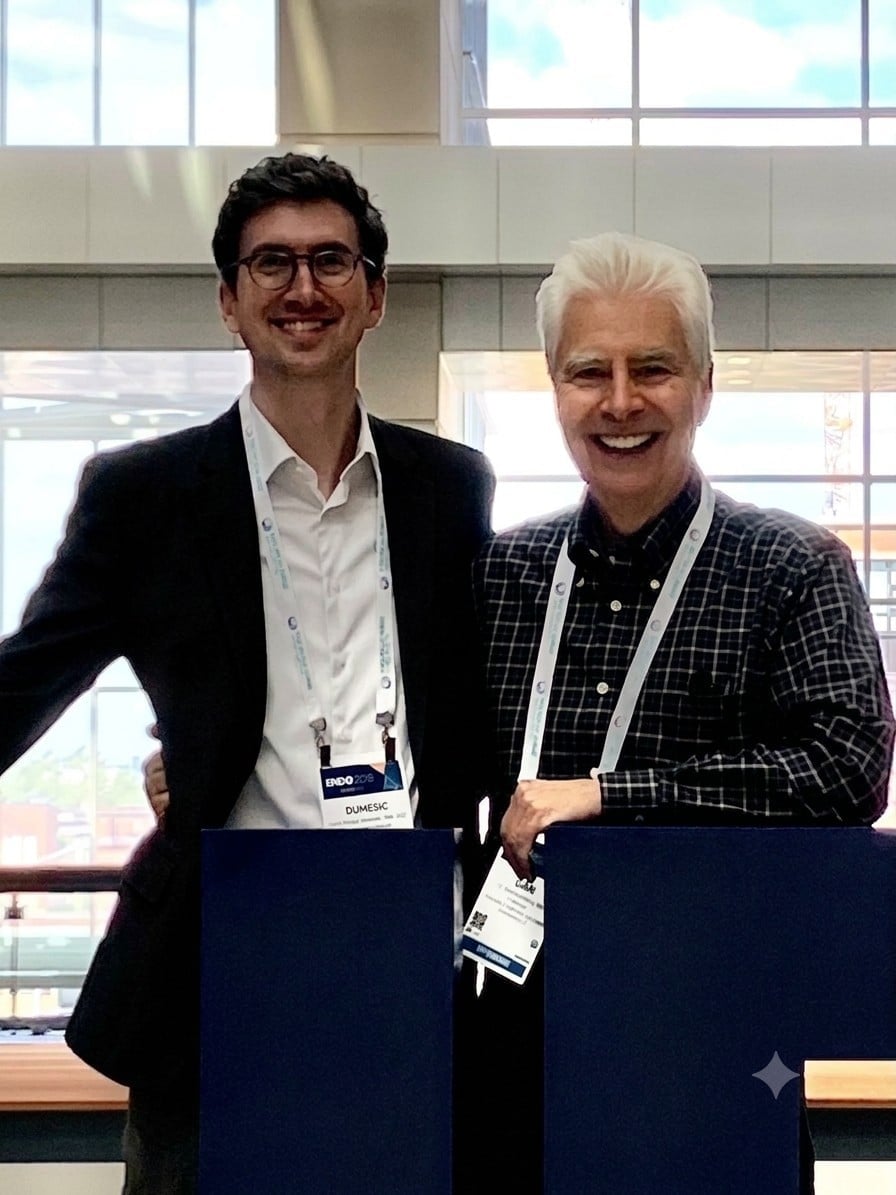
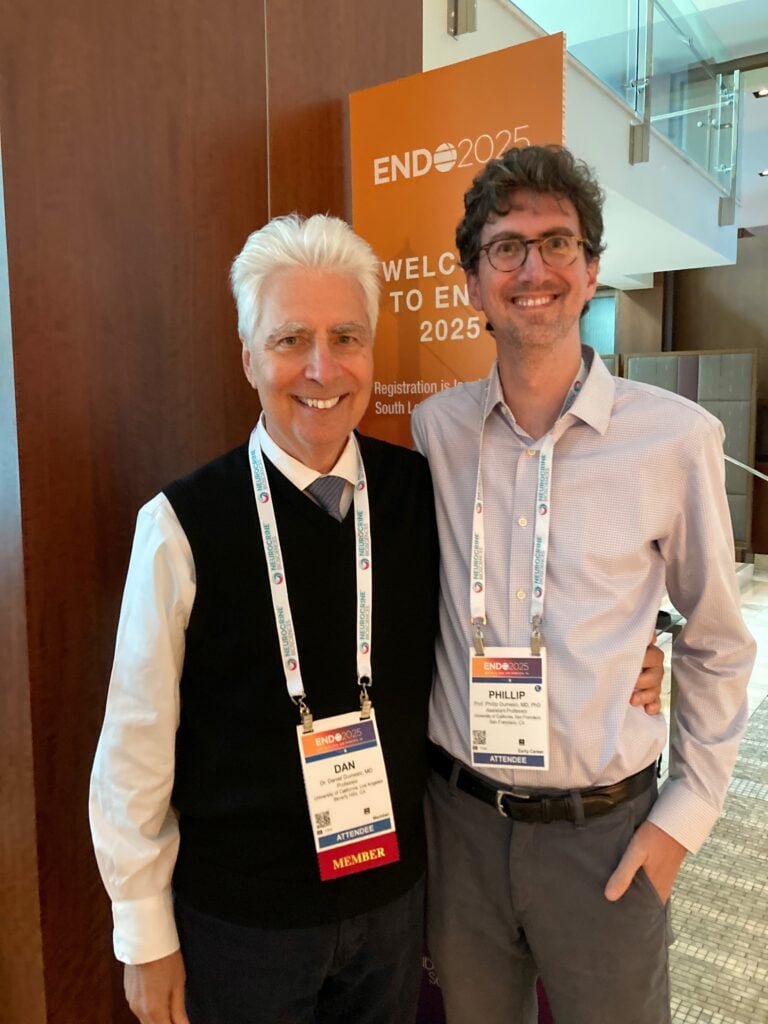
The upcoming ENDO 2026 conference represents a rare intersection of family legacy and scientific convergence as Dr. Daniel Dumesic of the University of California, Los Angeles (UCLA) and his son, Dr. Phillip Dumesic of the University of California, San Francisco (UCSF), prepare to present research that, while independent, forms a cohesive narrative on metabolic health. This professional synchronization highlights a broader trend in endocrinology where clinical observation and high-level molecular biology are increasingly integrated to solve complex systemic disorders. The Dumesic duo, though operating from different institutions and research perspectives, finds a common scientific "home" in the study of the adipocyte, the fat cell that serves as a critical regulator of human metabolism.
The Evolution of a Medical Misnomer: From PCOS to PMOS
Just days prior to the public announcement of their collaborative dialogue, a major shift occurred in the field of reproductive endocrinology. By international consensus, the condition long known as Polycystic Ovary Syndrome (PCOS) was officially renamed Polyendocrine Metabolic Ovarian Syndrome (PMOS). This change, published in The Lancet, seeks to rectify a century-old misnomer that has often led to clinical confusion and patient misunderstanding.
The history of the condition’s nomenclature reflects the steady progression of medical technology and understanding. In the 1930s, it was identified as Stein-Leventhal syndrome, focused primarily on the physical appearance of the ovaries. Later, it became known as PCOS, and in certain academic circles, hyperandrogenic chronic anovulation. Dr. Daniel Dumesic, a global expert in the field, notes that while the name has evolved to reflect the multisystemic nature of the disorder, the underlying physiology remains a constant challenge for one in eight women globally.

The transition to PMOS is significant because it acknowledges that the "cysts" often described are not pathological cysts but rather small follicles arrested in development. More importantly, the new name emphasizes the "metabolic" and "polyendocrine" aspects of the disorder. PMOS is characterized by a complex interplay of male hormone overproduction, menstrual irregularity, and significant long-term risks, including type 2 diabetes, cardiovascular disease, metabolic syndrome, and hepatic steatosis (fatty liver).
Evolutionary Adaptations and Modern Pathologies
Dr. Daniel Dumesic’s recent contributions to the field involve a radical reframing of PMOS through the lens of evolutionary biology. In research published in Endocrinology in late 2025, Dumesic and his collaborators—including evolutionary biologist Bernard Crespi and long-time partners Vasantha Padmanabhan and David Abbott—posited that PMOS is not a "defect" in the traditional sense, but an evolutionary adaptation that has become maladaptive in the modern world.
According to this perspective, the traits associated with PMOS—insulin resistance, hyperandrogenism, and the preferential accumulation of abdominal fat—provided a survival advantage to ancestral women facing intermittent food scarcity and high physical demands. These traits ensured that glucose remained available for brain function and that fat stores were efficiently managed during lean times. In ancient environments, these women likely possessed superior physical endurance for foraging and hunting, a theory supported by the high prevalence of PMOS traits among modern elite female athletes.
However, the "market integration" of the 21st century—defined by sedentary lifestyles and the abundance of energy-dense, processed foods—has turned these survival mechanisms into a liability. Data from subsistence societies, such as the Turkana pastoralists in Tanzania, show that when these populations transition to Westernized lifestyles, the rates of metabolic disease skyrocket. For women with a genetic predisposition to PMOS, this environmental shift triggers a cascade of metabolic dysfunction that was once suppressed by high levels of physical activity and caloric restriction.
Molecular Underpinnings: The Role of the Adipocyte
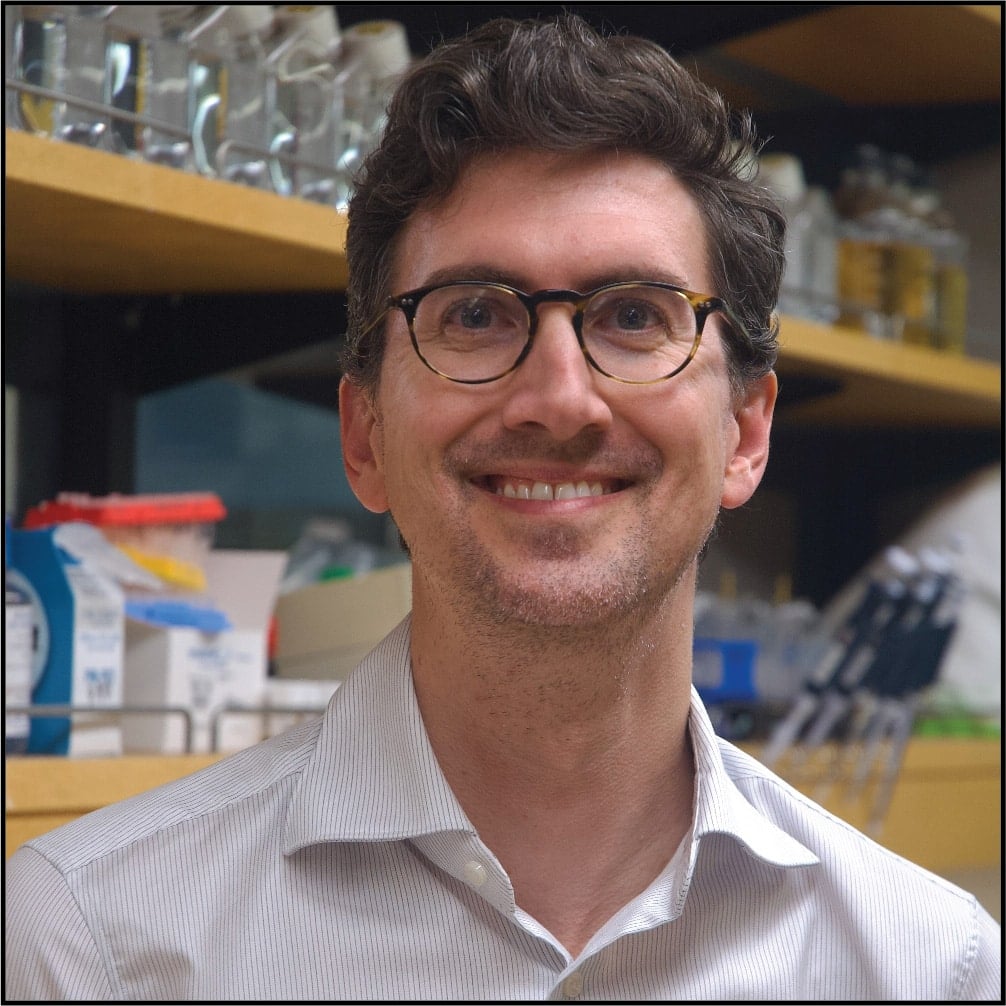
While the elder Dumesic focuses on the systemic and evolutionary aspects of the syndrome, Dr. Phillip Dumesic approaches the problem from the "reductionist" side of molecular biology. After a distinguished academic journey through Stanford and UCSF, and a pivotal postdoctoral fellowship in the laboratory of Bruce Spiegelman at Harvard Medical School, Phillip established his own lab at the UCSF Diabetes Center in 2024.
Phillip’s work focuses on gene expression and the molecular "decision-making" processes within cells. His research investigates how cells determine whether to store chemical energy as fat or burn it for heat and movement. This is where the father and son’s work converges: the adipocyte.
Collaborative studies involving UCLA scientist Gregorio Chazenbalk have demonstrated that adipose stem cells in women with PMOS show accelerated lipid accumulation. This process appears to be androgen-dependent. When patients were treated with the anti-androgen flutamide, the accelerated fat accumulation was partially reversed. This finding provides a cellular mechanism for the clinical observation that women with PMOS are biologically predisposed to rapid weight gain, making it much harder for them to lose weight once metabolic dysfunction has set in.
Supporting Data: The Rising Stakes of Metabolic Risk
The clinical necessity for the Dumesics’ research is underscored by sobering longitudinal data. A 17-year prospective study published in Diabetes highlighted the severe trajectory of untreated metabolic syndrome in this population. The study found that the age-standardized prevalence of type 2 diabetes among women with the syndrome was 39.3%, compared to a mere 5.8% in the general female population of the same age.
This nearly seven-fold increase in risk is closely tied to baseline Body Mass Index (BMI) and fasting glucose levels. The research suggests that the metabolic subtype of PMOS—characterized by lower levels of high-density lipoprotein (HDL) and higher levels of triglycerides and insulin—carries the highest risk for downstream complications. This data supports Dr. Daniel Dumesic’s long-standing advocacy for preventative intervention, particularly in pediatric and adolescent populations, before the "metabolic acceleration" of adulthood takes hold.
Chronology of a Scientific Legacy
The professional journey of the Dumesic family serves as a timeline for the evolution of endocrinology itself:
- 1989: Dr. Daniel Dumesic presents one of his earliest abstracts at the Endocrine Society, beginning a decades-long tenure as a leader in reproductive health.
- 2006: Phillip Dumesic graduates from Stanford, initially focusing on cancer biology and MAP kinase signaling.
- 2012: Major longitudinal studies confirm the 7x higher risk of diabetes in PCOS/PMOS patients, shifting the field’s focus toward metabolic management.
- 2024: Dr. Phillip Dumesic returns to UCSF to open his laboratory, bringing expertise in RNA interference, chromatin regulation, and mitochondrial biogenesis to the study of metabolism.
- 2025: Publication of "The Endocrinological Basis for Polycystic Ovary Syndrome: An Evolutionary Perspective," providing a new theoretical framework for the disorder.
- 2026: The Dumesics are featured at ENDO 2026, with Phillip co-chairing a symposium honoring the late Dr. David Mangelsdorf, a pioneer in orphan nuclear receptors.
Official Responses and Broader Implications
The Endocrine Society has emphasized that the work of researchers like the Dumesics is vital for the future of "personalized" or "precision" medicine. By understanding the epigenetic changes that occur in utero—where a pregnant woman with PMOS may pass on metabolic alterations to her female fetus—doctors can begin to break the intergenerational cycle of the disease.
Phillip Dumesic’s role at ENDO 2026 also highlights the importance of basic science. By co-chairing the symposium for the late David Mangelsdorf, Phillip is championing the study of cellular signaling pathways that may one day lead to new drug targets for metabolic disorders and cancer-associated cachexia (muscle wasting).

The broader impact of this research extends beyond a single syndrome. It challenges the medical community to view chronic conditions not just as collections of symptoms, but as complex interactions between our evolutionary past and our industrial present. As Dr. Phillip Dumesic noted, the goal is to integrate the reductionist view of the single cell with the systemic view of the entire human body.
The Future of Preventative Endocrinology
As the Dumesic laboratory at UCSF grows, incorporating junior specialists, PhD students, and medical fellows, the focus remains on "getting the name out there"—not just the Dumesic name, but the name of the science that bridges gaps between disciplines.
For Dr. Daniel Dumesic, the presence of his son in the field is a source of both personal pride and scientific optimism. He views the transition of his work to the next generation not merely as a metaphorical handoff of a baton, but as a literal expansion of the tools available to fight metabolic disease. With Phillip’s expertise in gene regulation and Daniel’s deep clinical insights into PMOS, the "throughline" of their work promises to offer new hope for millions of women worldwide.
The Dumesic story, as showcased at ENDO 2026, serves as a reminder that the most profound scientific breakthroughs often happen at the intersection of different perspectives—whether they are separated by institutional walls or by the space between a father’s study and a son’s laboratory. By focusing on the adipocyte, they are uncovering the molecular secrets of an ancient survival mechanism that now dictates the health of the modern world.