





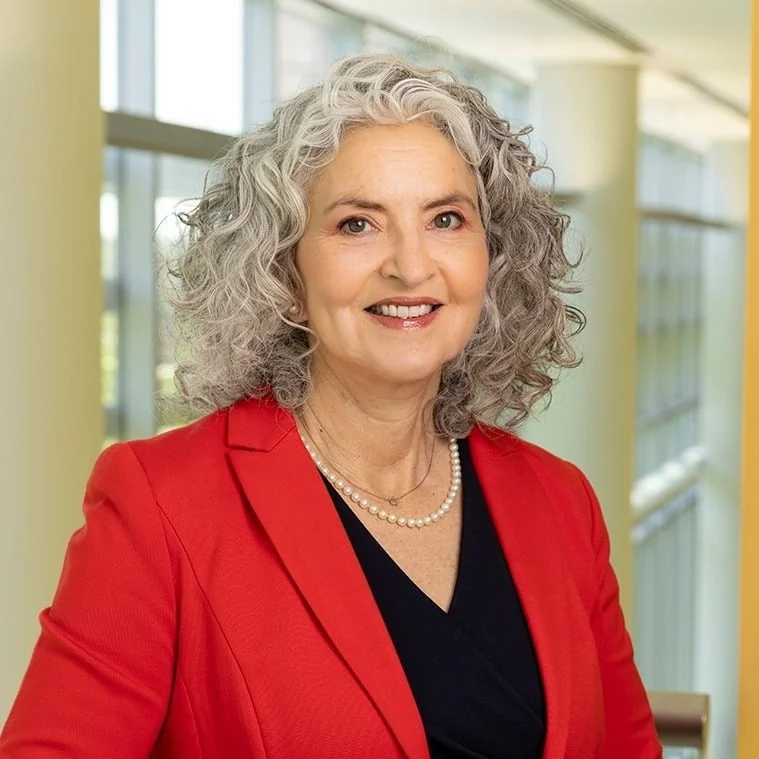
The Endocrine Society, the world’s oldest and largest organization devoted to hormone research and the clinical practice of endocrinology, has officially announced the appointment of Nanette Santoro, MD, as its President for the 2026–2027 term. Dr. Santoro, a distinguished physician-scientist currently serving as the E. Stewart Taylor Chair of Obstetrics & Gynecology at the University of Colorado School of Medicine, is slated to take office in June 2026 during the Society’s annual meeting, ENDO, in Chicago. She will succeed Carol Lange, PhD, continuing a lineage of leadership dedicated to advancing the understanding of complex hormonal systems and their impact on global health.
The selection of Dr. Santoro marks a significant milestone for the Society, as she brings decades of expertise in reproductive endocrinology, particularly in the study of the menopausal transition and premature ovarian insufficiency. Her appointment comes at a critical juncture for the medical specialty, which faces a growing demand for services amid a shifting healthcare landscape and a projected shortage of specialized practitioners.
A Dual Path: From Creative Writing to Medical Pioneer
Dr. Santoro’s journey into the upper echelons of academic medicine began with a choice between two seemingly disparate worlds: the arts and the sciences. At age 16, Santoro was already a recognized talent in creative writing, having received the Joyce Carol Oates Award for a short story during her high school years. However, the drive to provide tangible benefits to mankind led her to consider a career in medicine.

As a prospective first-generation college graduate, Santoro was acutely aware of the financial implications of higher education. To mitigate the burden on her family, she sought out an accelerated path, eventually enrolling in a prestigious six-year BS/MD program at Rensselaer Polytechnic Institute (RPI) and Albany Medical College. This decision effectively "fast-tracked" her entry into the medical profession, allowing her to balance her intellectual curiosity with practical considerations of efficiency and service.
Reflecting on her early career, Santoro noted that her backup plan was always to return to her first love. "I loved writing, so I applied to the six-year program, and I decided I was going to try to become a professional writer and a novelist, or I was going to be a doctor," she recalled. "If I didn’t get into medical school, then I was just going to go into writing." Her acceptance into the medical program set the stage for a career that would eventually redefine how the medical community views women’s hormonal health.
Formative Training and the "Greatest Field"
During her residency at Beth Israel Medical Center, Santoro encountered a pivotal influence in Dr. Nelly Szlachter, a reproductive endocrinologist trained at New York University. Szlachter’s enthusiasm for the specialty was infectious, describing reproductive endocrinology as "the greatest field." This mentorship steered Santoro toward a fellowship at Massachusetts General Hospital (MGH) within the Reproductive Endocrine Unit.
The period at MGH was one of intense scientific discovery. The early 1980s and 90s were transformative years for endocrinology, particularly regarding the understanding of Gonadotropin-Releasing Hormone (GnRH). Scientists were just beginning to map the pulsatile nature of GnRH secretion, a discovery that unlocked new treatments for infertility and hormonal disorders. Santoro describes this era as a time when "the science was fantastic" and "all new, exciting knowledge" was surfacing daily. It was here that she transitioned from a clinical focus to a deep engagement with biomedical research, learning the rigors of the "research enterprise" that would define her future contributions.
The "Big Finding" in Perimenopause Research
Perhaps the most significant contribution of Dr. Santoro’s research career involves her work on the perimenopausal transition. Before her interventions, the hormonal shifts occurring in the years leading up to menopause were poorly understood and often characterized as a simple, linear decline in estrogen.
Under the guidance of Robert W. Rebar, MD, former executive director of the American Society for Reproductive Medicine, Santoro began a meticulous analysis of hormone levels in perimenopausal women. Utilizing urinary assays for daily sampling—a labor-intensive process—Santoro and her team discovered that hormone levels were not steadily declining but were instead wildly erratic.
"I’ve never seen anything like this," Santoro remarked upon seeing the initial data. The results showed hormone spikes and drops that defied the established models of the time. After repeating the tests multiple times to ensure accuracy, she realized she had uncovered a fundamental truth about the aging female reproductive system. This "big finding" challenged existing clinical protocols and paved the way for more nuanced approaches to managing menopausal symptoms and understanding the long-term health implications of these fluctuations.
Leadership and Service within the Endocrine Society
Dr. Santoro’s relationship with the Endocrine Society spans the entirety of her professional life. Having joined as a fellow, she has described the organization as her "first home" and the primary forum for her most rigorous research. Over the years, she has held numerous high-level roles, including:
- Vice President of Clinical Science: Overseeing the integration of research into clinical practice.
- Author of Clinical Practice Guidelines: Contributing to two essential guidelines regarding women’s reproductive health.
- Chair of the Scientific Statement on Bioidentical Hormones: Leading the Society’s effort to provide evidence-based clarity on a controversial area of hormone therapy.
- Mentorship: Receiving the 2016 Laureate Award for Outstanding Mentorship, recognizing her commitment to developing the next generation of scientists.
Her elevation to the presidency is seen as a natural progression of her long-term service. As the E. Stewart Taylor Chair at the University of Colorado since 2010, she has already demonstrated an ability to lead large, complex departments while maintaining a robust research portfolio and a clinical practice.
The Mentorship Pipeline and Interdisciplinary Collaboration
One of the central pillars of Dr. Santoro’s platform is the revitalization of the endocrinology "pipeline." There is currently a significant disparity between the number of patients requiring endocrine care—driven by rising rates of diabetes, obesity, and thyroid disorders—and the number of new doctors entering the field.
Santoro’s approach to this crisis is rooted in mentorship. She currently serves as a mentor for the Building Interdisciplinary Research Careers in Women’s Health (BIRCWH) program, an NIH K12-funded initiative. Her mentorship extends beyond her own specialty, reaching junior faculty in psychology, epidemiology, and physiology.
"Even though a lot of the change seems adverse, there’s always opportunity," Santoro stated. She emphasizes that the field is "vital" and "fascinating," touching on nearly every aspect of human health. By mentoring across disciplines, she aims to break down the silos of medical research, ensuring that the "voice" of endocrinology is heard in broader scientific conversations.
Chronology of Key Milestones
To understand the trajectory of Dr. Santoro’s leadership, it is helpful to view her career milestones in chronological order:
- 1970s: Awarded the Joyce Carol Oates Award; enters the accelerated BS/MD program at RPI/Albany Medical College.
- Early 1980s: Completes residency at Beth Israel Medical Center and begins fellowship at Massachusetts General Hospital.
- 1990s: Conducts groundbreaking research on the erratic hormonal patterns of perimenopause, shifting the paradigm of women’s health research.
- 2010: Appointed E. Stewart Taylor Chair of Obstetrics & Gynecology at the University of Colorado School of Medicine.
- 2016: Honored with the Endocrine Society’s Laureate Award for Outstanding Mentorship.
- 2024: Named President-elect of the Endocrine Society.
- June 2026: Scheduled to take office as President at the ENDO conference in Chicago.
Supporting Data: The State of the Endocrinology Workforce
The challenges Dr. Santoro will face during her presidency are underscored by current data regarding the endocrinology workforce. According to reports from the Association of American Medical Colleges (AAMC) and the Endocrine Society’s own workforce studies:
- Specialist Shortage: There is a projected shortage of approximately 1,500 adult endocrinologists in the United States by 2030, even as the prevalence of endocrine-related chronic diseases increases.
- Gender Shift: While the field was historically male-dominated, a majority of current endocrine fellows are women, necessitating a shift in professional support structures and career development models.
- Research Funding: NIH funding for endocrine-related research has faced stagnation in real-dollar terms over the last decade, making advocacy for federal research budgets a top priority for the Society’s leadership.
Advocacy and the Future of the Society
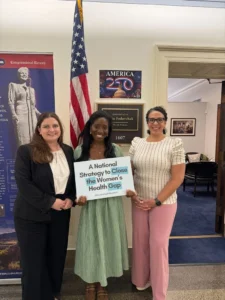
As Santoro prepares to take the helm, she is focusing on a robust advocacy agenda. She believes that the Society must be proactive in demonstrating the "essentiality" of endocrinology to policymakers and the public.
"I foresee a lot of advocacy that’s really necessary to keep endocrinology in the game here, to make its presence known how important endocrine conditions are," she said. This includes advocating for fair reimbursement rates for endocrine consultations, which often involve complex, time-intensive management of chronic conditions, and ensuring that endocrine researchers have the resources needed to pursue innovative therapies.
Furthermore, Santoro aims to address the "clog in the pipeline" by making the specialty more attractive to medical students. This involves highlighting the intellectual satisfaction of the field and the profound impact endocrinologists have on patient quality of life.
Broader Impact and Clinical Implications
The transition to Dr. Santoro’s presidency is expected to bring a renewed focus on women’s health within the broader endocrine community. Her background as an OB/GYN and a reproductive endocrinologist allows her to bridge the gap between women’s primary reproductive care and the systemic hormonal issues managed by general endocrinologists.
Her presidency will likely see a push for more integrated clinical guidelines that account for the intersection of reproductive hormones with metabolic health, bone density, and cardiovascular risk. As the medical community moves toward personalized medicine, Santoro’s research into the "erratic patterns" of hormones serves as a reminder that standardized, one-size-fits-all treatments are often insufficient for the complexities of the human endocrine system.
In June 2026, when the gavel passes from Carol Lange to Nanette Santoro in Chicago, the Endocrine Society will be led by a woman who has spent her life "drilling down onto something small and learning as much as humanly possible." For the thousands of members of the Society and the millions of patients they serve, her tenure promises a focus on scientific rigor, compassionate mentorship, and a tireless defense of a field she considers the "greatest."