

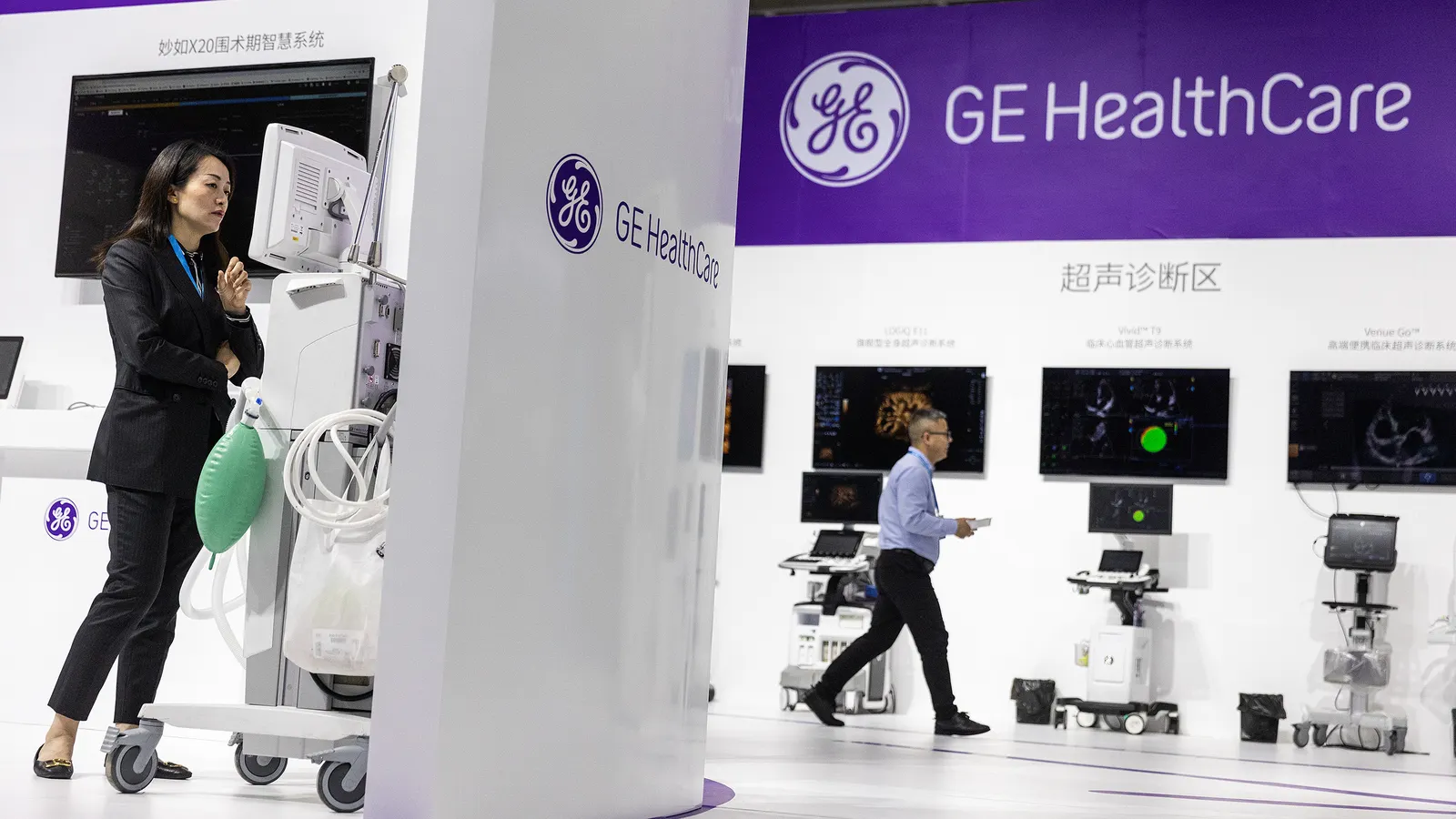
Catholic Health, a leading healthcare provider based in New York, has entered into a comprehensive, 10-year strategic partnership with GE HealthCare to modernize its medical technology infrastructure and enhance clinical outcomes across its network. This long-term "Care Alliance" is designed to provide Catholic Health’s clinical teams—specifically those in cardiology, oncology, neurology, and women’s health—with state-of-the-art diagnostic tools and artificial intelligence (AI) capabilities. The collaboration aims to streamline workflows, reduce the time between diagnosis and treatment, and improve patient access to advanced care in both hospital and ambulatory settings.
By moving away from traditional, transactional equipment purchasing models, the two organizations are adopting a deeply integrated approach that combines technology procurement with operational consulting and on-site clinical expertise. This deal marks a significant milestone for Catholic Health as it seeks to maintain its competitive edge in the highly saturated New York metropolitan healthcare market, while simultaneously providing GE HealthCare with another major foothold for its burgeoning Care Alliance business model.
Comprehensive Modernization of Diagnostic Imaging
At the heart of the agreement is a massive overhaul of Catholic Health’s imaging capabilities. The partnership focuses heavily on integrating AI-driven technologies into daily clinical practice. In the oncology sector, Catholic Health will install new imaging systems equipped with on-device AI designed to assist radiologists in identifying anomalies with greater precision and speed. These systems are expected to play a critical role in the early detection of various cancers, where timely intervention is often the most significant factor in patient survival rates.
Furthermore, Catholic Health plans to expand its nuclear medicine capabilities at two of its primary hospital locations. Nuclear medicine, which uses small amounts of radioactive materials to diagnose and treat diseases, is becoming increasingly vital for complex oncology and cardiology cases. The expansion will allow for more sophisticated PET/CT and SPECT/CT imaging, providing clinicians with detailed molecular-level insights into a patient’s condition.
The modernization effort extends beyond the walls of the hospital. A major component of the strategy involves shifting diagnostic capabilities to the point of care. GE HealthCare will deploy hundreds of advanced ultrasound systems across the Catholic Health network. These portable and handheld units are intended to provide clinicians with immediate diagnostic information at the patient’s bedside, reducing the need for patients to be transported to dedicated imaging departments. This shift is particularly beneficial in emergency and intensive care settings, where every minute saved can influence clinical outcomes.
Strategic Focus on Women’s Health and Maternal Care
The alliance places a high priority on advancing women’s health services, particularly in the realms of breast imaging and maternal-infant care. Within the first few months of the partnership, Catholic Health will begin the installation of contrast-enhanced mammography (CEM) equipment. This technology provides a more detailed view of breast tissue than traditional mammography, making it an invaluable tool for patients with dense breast tissue or those at higher risk for breast cancer. By improving the clarity of these scans, the health system aims to reduce the number of "false positives" and decrease the time required to move from an initial screening to a definitive biopsy or treatment plan.
In the maternity ward, the partnership will introduce upgraded monitoring technologies for maternal-infant care. These systems are designed to provide continuous, real-time data on the health of both mother and child during labor and delivery. As healthcare providers across the United States face increasing pressure to improve maternal health outcomes, the integration of advanced monitoring tools is seen as a vital step in identifying potential complications before they become life-threatening.
The Embedded Scientist: Bridging the Gap Between Industry and Clinic
A unique and highly publicized feature of this deal is the placement of an embedded cardiovascular scientist from GE HealthCare directly within Catholic Health’s clinical environment. This specialist will work side-by-side with Catholic Health’s physicians and technicians, serving as a direct conduit between the frontline providers and GE HealthCare’s research and development teams.
The goal of this role is to ensure that the technology being deployed is being used to its maximum potential and to gather real-world clinical insights that can inform future software updates and hardware designs. By having a scientist on the ground, Catholic Health can tailor its technology roadmap to the specific needs of its patient population, ensuring that equipment decisions are driven by clinical data rather than just administrative cycles. This level of collaboration is rare in the MedTech industry and represents a shift toward "co-creation" between manufacturers and providers.
Financial Architecture and the "Care Alliance" Model
The 10-year agreement is structured to provide Catholic Health with significant capital savings and financial predictability. Traditional healthcare procurement often involves large, lumpy capital expenditures that can strain a hospital’s balance sheet. In contrast, GE HealthCare’s Care Alliance model utilizes what the company describes as "unitary payments and accelerators." This structure allows the health system to spread the cost of equipment and services over the life of the contract, effectively turning a capital expense into a more manageable operating expense.
This financial model also includes built-in "accelerators" designed to speed up the adoption of new technologies as they become available. Rather than waiting for a machine to reach the end of its physical life, Catholic Health will have a structured pathway to upgrade to the latest software and hardware iterations. This ensures that the health system does not suffer from "technology obsolescence," a common problem for large organizations that purchase equipment outright.
GE HealthCare CEO Peter Arduini has previously highlighted the success of these long-term alliances. During an earnings call in early 2025, Arduini noted that a similar 7-year partnership with Sutter Health was valued at approximately $1 billion. While the specific dollar amount of the Catholic Health deal has not been publicly disclosed, the 10-year duration and the breadth of the technology being deployed suggest a substantial financial commitment from both parties.
Contextualizing the Deal within the MedTech Landscape
The partnership with Catholic Health is the latest in a series of high-profile "Care Alliances" secured by GE HealthCare. In recent years, the company has signed a 14-year agreement with UC San Diego Health and a 10-year collaboration with OSF HealthCare. These deals reflect a broader trend in the medical technology industry, where vendors are evolving from simple equipment suppliers into long-term strategic partners.

This shift is driven by several factors:
- Complexity of Technology: As AI and digital connectivity become standard in medical devices, hospitals require more support to manage and integrate these systems into their IT infrastructures.
- Workforce Challenges: Many health systems are struggling with clinician burnout and staffing shortages. AI-enabled tools and streamlined workflows are marketed as a way to "do more with less."
- Consolidation of Care: As health systems grow through mergers and acquisitions, they seek to standardize their technology across multiple sites to ensure a consistent quality of care and to simplify maintenance.
For GE HealthCare, these long-term contracts provide a steady, predictable revenue stream and create a "moat" around their customer base, making it more difficult for competitors like Siemens Healthineers or Philips to gain a foothold within those systems.
Chronology of GE HealthCare’s Strategic Alliances
To understand the significance of the Catholic Health deal, it is helpful to view it within the timeline of GE HealthCare’s recent corporate history. Following its spin-off from General Electric in early 2023, GE HealthCare has aggressively pursued a strategy centered on "Precision Care."
- January 2023: GE HealthCare begins trading as an independent company, emphasizing a focus on AI and digital health.
- Late 2023: The company signs a 14-year pact with UC San Diego Health, focusing on advanced imaging and cloud-based data management.
- February 2024: GE HealthCare announces a 10-year strategic care alliance with OSF HealthCare and Pointcore, Inc., aimed at improving clinical and operational efficiency across Illinois and Michigan.
- Early 2025: CEO Peter Arduini confirms the $1 billion valuation of the Sutter Health partnership, signaling the massive scale of these Care Alliances.
- Late 2025: The Catholic Health deal is finalized, marking a major expansion of the model into the New York market.
Broader Implications for Patient Care in New York
For the residents of Long Island and the greater New York area served by Catholic Health, the implications of this deal are practical and immediate. The expansion of ambulatory and outpatient imaging means that patients may no longer need to visit a major hospital hub for advanced cardiac or neurological scans. Instead, these services will be available at more convenient community-based sites.
The integration of AI also promises to reduce the "anxiety gap"—the time a patient spends waiting for test results. By automating certain parts of the image analysis process, radiologists can prioritize urgent cases and deliver results to referring physicians faster than was previously possible.
As Catholic Health and GE HealthCare begin the implementation phase of this 10-year journey, the healthcare industry will be watching closely. The success of this alliance will likely serve as a blueprint for other regional health systems looking to navigate the complexities of modern medical technology while maintaining financial stability. If the partnership delivers on its promise of capital savings and improved clinical outcomes, it will further solidify the "Care Alliance" as the new standard for MedTech procurement in the 21st century.
