

In an era where health and longevity are paramount, the conventional wisdom surrounding late-night eating is undergoing a significant re-evaluation, particularly for individuals over the age of 55. Far from being a dietary taboo, dietitians are now emphasizing that carefully chosen bedtime snacks can serve as a powerful tool in supporting metabolism, maintaining muscle mass, and facilitating weight management in this demographic. This shift in perspective is rooted in a deeper understanding of age-related physiological changes and the critical role of nutrition in mitigating their impact.
The Evolving Landscape of Health After 55: Understanding the Challenges
As individuals progress beyond 55, the human body undergoes several natural transformations that directly influence metabolic health and body composition. One of the most significant is sarcopenia, the progressive loss of muscle mass, strength, and function that typically begins in middle age and accelerates with advancing years. Studies indicate that adults can lose 3-8% of their muscle mass per decade after age 30, with this rate increasing after 60. This decline in lean muscle mass has profound implications for metabolism, as muscle tissue is metabolically active, burning more calories at rest than fat tissue. Consequently, sarcopenia contributes to a slower resting metabolic rate, making weight management more challenging.
Alongside muscle loss, hormonal shifts and reduced physical activity often lead to increased insulin resistance and blood sugar fluctuations. These imbalances can disrupt sleep patterns, increase cravings, and further complicate weight control. A 2017 study published in Diabetes Care highlighted that older adults are more susceptible to both hyperglycemia and hypoglycemia, emphasizing the need for dietary strategies that promote stable blood glucose levels. Sleep quality also tends to decline with age, and fragmented or insufficient sleep has been consistently linked to adverse metabolic outcomes, including increased ghrelin (hunger hormone) and decreased leptin (satiety hormone), driving overeating and weight gain.

Tara Collingwood, MS, RDN, CSSD, LD/N, ACSM-CPT, a Board Certified Sports Dietitian and co-author of the Flat Belly Cookbook for Dummies, underscores these challenges: "After 55, muscle loss and blood sugar fluctuations can make weight management harder. A protein and fiber-rich bedtime snack supports muscle maintenance, better sleep, and appetite control, all of which contribute to fat loss over time." She clarifies that no food magically "burns fat overnight," but the right nocturnal nutrition strategically influences key physiological processes—muscle repair, metabolic efficiency, blood sugar regulation, and sleep quality—all of which are integral to sustainable fat loss.
The Scientific Rationale: Why Bedtime Snacks Matter
The concept of "fasting" overnight is often perceived as beneficial for weight loss. However, for older adults, an extended overnight fast without adequate nutrient intake can be counterproductive. During sleep, the body remains metabolically active, engaging in repair and regeneration processes. Muscle protein synthesis, in particular, requires a continuous supply of amino acids. Providing a source of protein before bed can extend the anabolic window, promoting muscle repair and growth, thereby counteracting sarcopenia and supporting a healthier metabolism.
Furthermore, a balanced snack comprising protein and fiber can help stabilize blood glucose levels throughout the night. This prevents sharp drops that can trigger cortisol release, disrupting sleep and potentially leading to morning hunger and poor food choices. The fiber component also contributes to satiety, reducing the likelihood of late-night cravings or restless sleep due to hunger. The strategic timing of nutrients, therefore, is not just about avoiding guilt, but about actively optimizing bodily functions during a crucial period of recovery.
Expert-Recommended Bedtime Snacks for Optimal Health After 55
Drawing on extensive nutritional science and clinical experience, dietitians like Collingwood recommend specific snacks designed to deliver a potent combination of protein and fiber, along with other beneficial micronutrients. These choices are tailored to support the unique metabolic and physiological needs of individuals over 55.
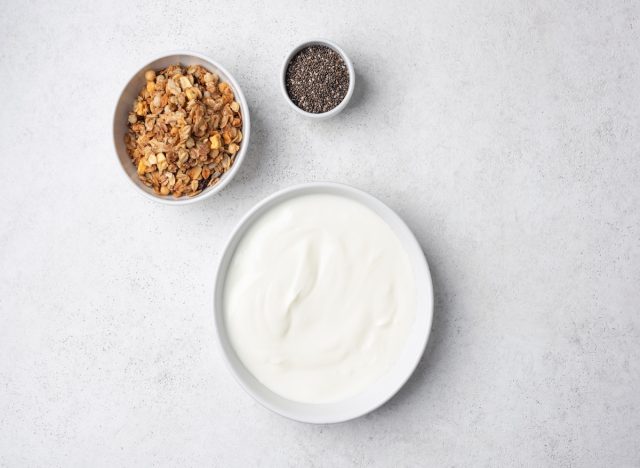
1. Greek Yogurt with Chia or Flax Seeds
This combination is frequently cited for its robust nutritional profile. Greek yogurt is renowned for its high protein content, significantly exceeding that of regular yogurt. It provides both whey protein, which is rapidly absorbed, and casein protein, which digests slowly, offering a sustained release of amino acids throughout the night. This extended amino acid availability is crucial for overnight muscle protein synthesis, helping to combat sarcopenia. Muscle, being more metabolically active than fat, is a key driver of overall metabolism, making its preservation vital for weight management.
The addition of chia or flax seeds elevates this snack’s benefits. These seeds are powerhouses of dietary fiber, both soluble and insoluble. Soluble fiber helps to slow down digestion and the absorption of glucose, leading to a more stable blood sugar profile throughout the night. This stability is critical for preventing nocturnal hypoglycemia, which can disrupt sleep and trigger morning hunger. Insoluble fiber aids digestive health. Moreover, both chia and flax seeds are excellent sources of omega-3 fatty acids, particularly alpha-linolenic acid (ALA), which possess anti-inflammatory properties and contribute to overall cardiovascular health. Collingwood emphasizes, "Greek yogurt provides protein that supports muscle maintenance overnight, which is important because muscle plays a key role in metabolism as we age. Adding chia or flax brings fiber, which helps stabilize blood sugar while you sleep. This combo supports satiety and prevents late-night hunger."
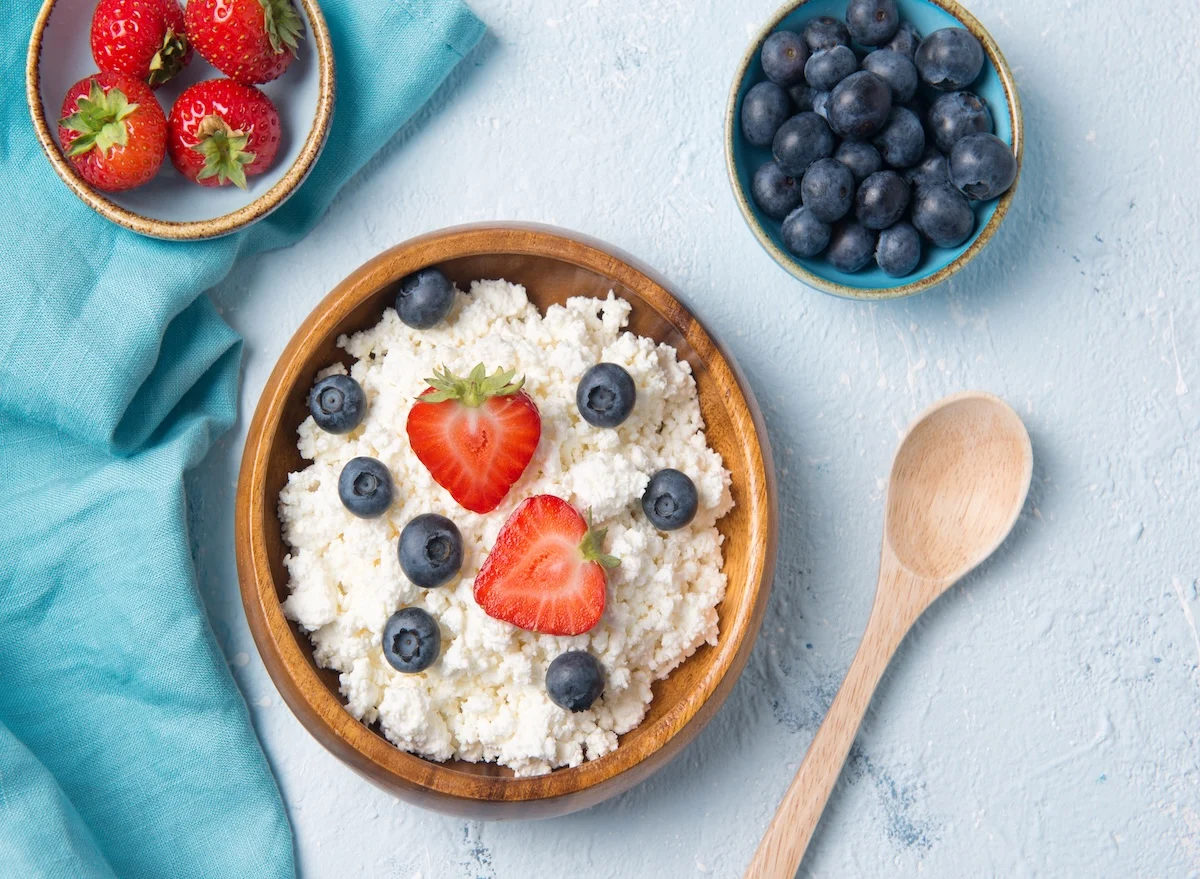
2. Cottage Cheese with Berries
Cottage cheese stands out as another exceptional protein source for a bedtime snack, primarily due to its high casein content. As a slow-digesting protein, casein forms a gel in the stomach, releasing amino acids gradually over several hours. This prolonged delivery of protein is ideal for muscle repair and maintenance during the overnight fasting period, making it particularly valuable for older adults striving to preserve lean mass. Research published in the British Journal of Nutrition has shown that consuming casein protein before bed can significantly enhance muscle protein synthesis in older men.
Pairing cottage cheese with berries introduces a wealth of fiber, vitamins, and antioxidants without the burden of excessive sugar. Berries, such as blueberries, raspberries, and strawberries, are low in glycemic index, meaning they have a minimal impact on blood sugar levels. Their high antioxidant content helps combat oxidative stress, which is linked to aging and various chronic diseases. "Cottage cheese is rich in slow-digesting protein, which can support overnight muscle repair. That matters later in life, when preserving lean mass helps support fat loss over time. Berries add fiber and antioxidants without excess sugar," explains Collingwood. This combination supports satiety and contributes to steady blood sugar, both crucial for metabolic health.
3. A Small Protein Smoothie
For those who prefer a liquid snack or find chewing challenging late at night, a small protein smoothie offers a convenient and highly effective alternative. The base of the smoothie typically includes protein powder (whey, casein, soy, or pea protein) mixed with milk or a plant-based alternative like soy milk. These liquids not only provide additional protein and essential nutrients like calcium and Vitamin D but also contribute to the smooth, easily digestible texture.
Incorporating fiber-rich ingredients such as a handful of spinach, half a banana, or a small portion of berries further enhances the smoothie’s benefits. Spinach adds vitamins and minerals with minimal calories, while bananas provide potassium and some complex carbohydrates. The key is to keep the smoothie light and not overly caloric, ensuring it aids sleep rather than hinders it with excessive energy. "A light smoothie with protein powder, milk or soy milk, and fiber-rich ingredients can support muscle recovery overnight without feeling heavy before bed. This works well for people who don’t want to chew late at night," Collingwood advises. This option provides a rapid influx of amino acids from whey (if used) followed by a slower release from casein (if milk is used) or plant proteins, optimizing muscle repair.
4. Apple Slices with Nut Butter
This classic pairing provides a harmonious blend of fiber, healthy fats, and a moderate amount of protein. Apples are an excellent source of dietary fiber, particularly pectin, which is a soluble fiber known for its ability to promote satiety and help regulate blood sugar by slowing glucose absorption. Pectin also supports gut health, which is increasingly recognized as a vital component of overall metabolic well-being.
Nut butter, such as almond, peanut, or cashew butter, contributes healthy monounsaturated and polyunsaturated fats, which are essential for heart health and can further enhance satiety. The protein content in nut butter, while not as high as in dairy, complements the fiber from the apple to create a balanced snack that helps prevent significant nighttime blood sugar dips. These dips can disrupt sleep and trigger hunger hormones, leading to poor food choices the following day. "Fiber from fruit paired with protein and healthy fats helps prevent nighttime blood sugar dips that can disrupt sleep and lead to next-day cravings. Sleep quality and blood sugar stability are key to weight management," Collingwood states. The combination ensures a steady release of energy and nutrients, fostering better sleep and sustained satiety.
5. Handful of Nuts with a Protein Source
Nuts are nutritional powerhouses, packed with healthy fats, fiber, vitamins, and minerals. A handful of nuts—such as almonds, walnuts, or pistachios—provides a good source of healthy fats that promote satiety and slow digestion. Walnuts, in particular, are rich in omega-3 fatty acids, which have anti-inflammatory benefits, while almonds offer vitamin E and magnesium. However, nuts alone might not provide sufficient protein to maximize overnight muscle support for older adults.

Therefore, pairing nuts with an additional protein source is recommended to create a more balanced and effective bedtime snack. This could be a small glass of milk (dairy or soy), a spoonful of cottage cheese, or even a few slices of lean turkey breast. The added protein ensures a more comprehensive amino acid profile for muscle repair and contributes to greater satiety. "Nuts provide healthy fats and some fiber, but pairing them with a protein source like yogurt or milk helps keep the snack balanced and more filling. Portion control matters here, small but satisfying," advises Collingwood. This strategic pairing ensures a synergistic effect, delivering sustained energy, stable blood sugar, and essential building blocks for muscle maintenance.
Broader Implications and a Holistic Approach to Healthy Aging
The integration of strategic bedtime snacking into the dietary regimen of individuals over 55 extends beyond mere weight control. It represents a proactive approach to managing the multifaceted challenges of aging. By actively combating sarcopenia, stabilizing blood sugar, and promoting restorative sleep, these dietary choices contribute to a higher quality of life, reduced risk of chronic diseases such as type 2 diabetes and cardiovascular disease, and enhanced functional independence.
Regular physical activity, particularly resistance training, remains an indispensable partner to these nutritional strategies, as exercise stimulates muscle protein synthesis, making the dietary protein even more effective. Hydration, stress management, and regular medical check-ups also form crucial pillars of a holistic healthy aging plan.
In conclusion, the message from dietitians is clear: late-night snacking, when approached with informed choices, can be a valuable ally in the quest for optimal health after 55. By prioritizing protein and fiber in these crucial pre-sleep hours, individuals can effectively support their metabolism, preserve vital muscle mass, regulate blood sugar, and ultimately foster a healthier, more vibrant aging process. This nuanced understanding of nutrition empowers older adults to take control of their health, proving that sometimes, the best defense against age-related decline begins with a thoughtful snack before bed.
