

Snacking, often misconstrued as an impediment to weight loss, can in fact be a powerful ally in achieving health objectives, particularly for individuals navigating the physiological shifts that accompany aging. Rather than merely adding superfluous calories, strategically chosen snacks can serve as vital opportunities to augment protein intake, deliver essential nutrients, and effectively satiate hunger, thereby preventing overeating at subsequent meals. For those over the age of 60, where maintaining muscle mass, supporting metabolic function, and managing body composition become increasingly pertinent, the selection of appropriate snacks is paramount.
To provide clarity and evidence-based recommendations, leading experts in nutrition have outlined specific snack choices designed to address these unique needs. Tara Collingwood, MS, RDN, CSSD, LD/N, ACSM-CPT, a Board Certified Sports Dietitian and co-author of the acclaimed Flat Belly Cookbook for Dummies, emphasizes the transformative potential of mindful snacking. Her insights underscore that by focusing on nutrient-dense options, individuals can not only curb cravings but also actively contribute to fat loss, muscle preservation, and a healthy metabolism, even without an intense exercise regimen.
The Evolving Nutritional Landscape After 60
As individuals progress beyond their sixth decade, several physiological changes begin to influence nutritional requirements and metabolic function. Sarcopenia, the age-related loss of muscle mass and strength, becomes a significant concern, directly impacting metabolism, physical independence, and overall quality of life. Basal metabolic rate (BMR) tends to decline due to this muscle loss and reduced physical activity, meaning fewer calories are burned at rest. Hormonal shifts can also influence fat distribution, often leading to an increase in visceral fat around the abdomen, commonly referred to as "belly pooch." Furthermore, nutrient absorption efficiency may decrease, necessitating a greater focus on nutrient density in the diet.
Against this backdrop, strategic snacking emerges as a critical tool. Unlike haphazard consumption of highly processed, calorie-dense, and nutrient-poor options, intelligent snacking focuses on choices that deliver a potent combination of protein, fiber, and healthy fats. These macronutrients are fundamental in promoting satiety, stabilizing blood sugar levels, and providing the building blocks for muscle repair and synthesis.
Expert-Endorsed Snacking Principles for Optimal Aging

Collingwood’s recommendations are rooted in principles that prioritize these key nutritional components. "Protein becomes especially important as we age to help preserve muscle," she states, highlighting its role in counteracting sarcopenia. Fiber, another cornerstone, aids in digestion, promotes gut health, and significantly contributes to feelings of fullness, helping to manage overall caloric intake. Healthy fats, often misunderstood, are crucial for hormone production, nutrient absorption, and sustained energy without sharp blood sugar spikes.
By integrating these elements into daily snacking, individuals over 60 can create a consistent supply of nutrients that supports their body’s changing demands. This proactive approach to nutrition helps in maintaining a healthy weight, reducing the accumulation of visceral fat, and fostering a robust metabolism that can better adapt to the challenges of aging.
Four Daily Snacks for Enhanced Health After Sixty
Collingwood meticulously curates four snack options that are both palatable and profoundly beneficial for those aiming to optimize their health markers.
1. Greek Yogurt with Berries
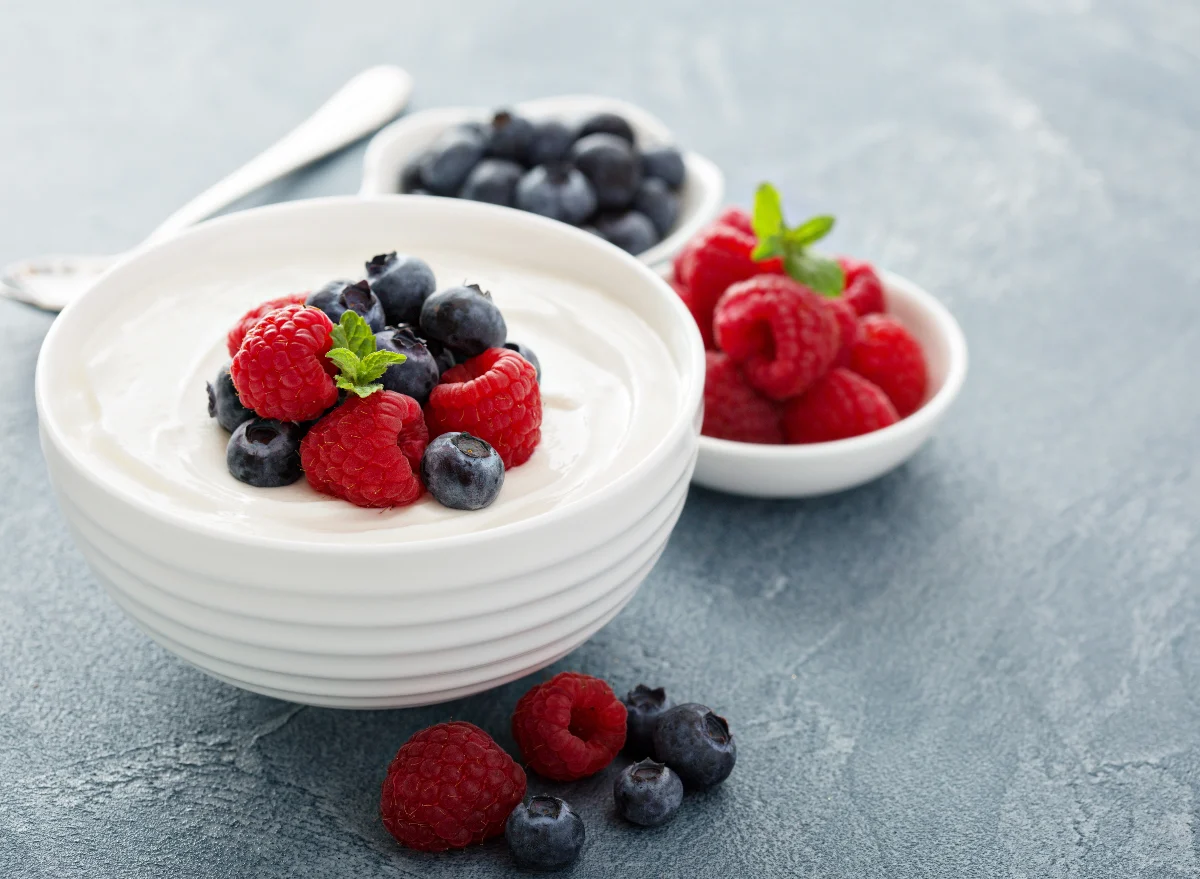
This combination stands out as a top recommendation for its exceptional nutritional profile. Greek yogurt, particularly the plain, unsweetened variety, is a powerhouse of protein. A typical 5.3-ounce serving can provide 15-20 grams of protein, significantly contributing to the higher protein requirements for older adults, which are often cited as 1.0-1.2 grams per kilogram of body weight daily to prevent muscle loss. The high protein content not only supports muscle synthesis but also has a high thermic effect, meaning the body expends more energy to digest it, further aiding in metabolic function and fat loss.
Paired with berries—such as blueberries, raspberries, or strawberries—this snack transforms into a rich source of dietary fiber and potent antioxidants. Berries contribute approximately 3-8 grams of fiber per cup, which helps regulate digestion, maintain stable blood sugar levels, and prolong satiety. The antioxidants, like anthocyanins, found abundantly in berries, combat oxidative stress and inflammation, factors often implicated in age-related diseases and metabolic dysfunction.
Collingwood elaborates, "Adding berries adds fiber, which helps keep hunger at bay longer. This combo supports muscle health, digestion, and steady energy." The creamy texture of yogurt combined with the natural sweetness and slight tartness of berries offers a satisfying experience that can easily replace less healthy dessert options. For added nutritional value, a sprinkle of chia or flax seeds can boost fiber and omega-3 fatty acid content.
2. Harvest Snaps with Hummus or Cottage Cheese
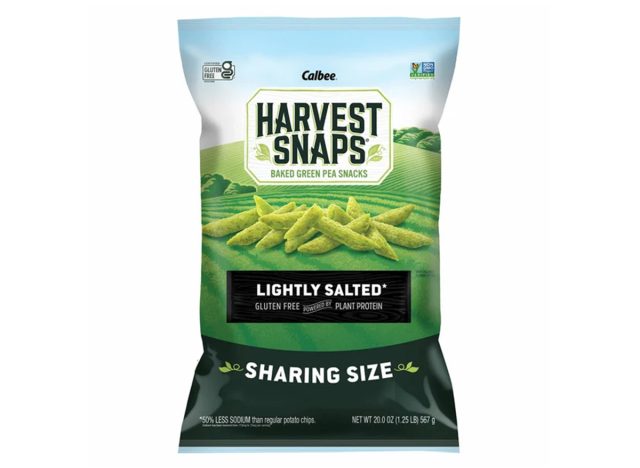
For those who crave a savory crunch, Harvest Snaps, particularly the lightly salted variety, offer an excellent alternative to conventional high-fat, low-nutrient chips. These snacks, made from real vegetables like green peas or lentils, naturally provide a respectable 4 grams of fiber and 5 grams of plant-based protein per serving. This fiber and protein matrix is crucial for sustained energy release and appetite control.
The genius of this snack lies in its pairing. Dipping Harvest Snaps into hummus or cottage cheese dramatically elevates its protein content and overall nutritional density. Hummus, made from chickpeas, tahini, lemon juice, and olive oil, contributes additional fiber, healthy fats, and plant-based protein. Cottage cheese, on the other hand, is renowned for its high casein protein content, a slow-digesting protein that provides a sustained release of amino acids, which is particularly beneficial for muscle repair and preventing muscle breakdown, especially overnight or between meals.
"The crunch satisfies cravings, while protein and fiber work together to promote fullness," Collingwood notes. This snack addresses the psychological desire for salty, crunchy foods while delivering substantial nutritional benefits, making it an ideal choice for managing cravings and supporting body composition goals. It also offers versatility, allowing individuals to choose between a plant-based dip like hummus or a dairy-based option like cottage cheese based on dietary preferences.
3. Apple Slices with Peanut or Almond Butter
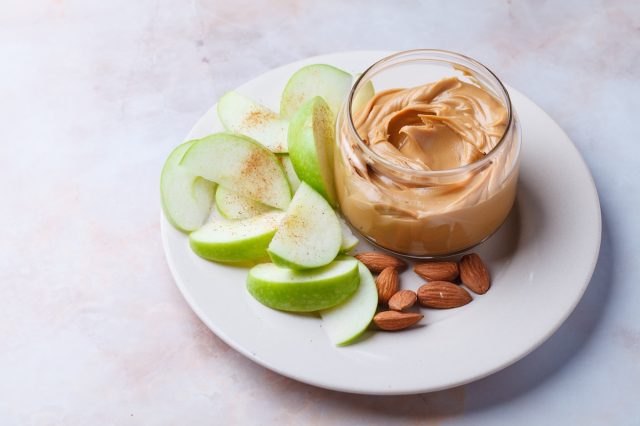
This classic combination exemplifies simplicity and nutritional efficacy. Apples are a superb source of dietary fiber, particularly pectin, which is known for its ability to regulate blood sugar, lower cholesterol, and promote gut health. A medium apple typically provides around 4-5 grams of fiber. The natural sugars in apples offer a quick energy boost, but when combined with nut butter, this energy release is moderated.
Peanut or almond butter introduces a significant amount of protein and healthy monounsaturated and polyunsaturated fats. A two-tablespoon serving of nut butter can provide approximately 7-8 grams of protein and 16 grams of healthy fats. These fats are essential for satiety, reducing inflammation, and supporting cardiovascular health. The combination of fiber, protein, and fat creates a synergistic effect that ensures prolonged fullness and stable blood glucose levels.
"Fiber from fruit plus protein and fat from nut butter is a classic combination that works especially well after 50, when blood sugar stability and satiety really matter," Collingwood explains. "This snack is portable, satisfying, and easy to adjust for appetite." The portability makes it an excellent option for busy individuals or those needing a quick, healthy snack on the go. Furthermore, the act of chewing the apple and the creamy texture of the nut butter contribute to a satisfying sensory experience, making it a highly enjoyable snack.
4. Smoothie with Protein and Fiber
For those who prefer a liquid snack or require a quick, nutrient-dense option, a well-constructed smoothie is invaluable. The customizable nature of smoothies allows for a highly tailored approach to individual nutritional needs and taste preferences. The core components for a health-optimizing smoothie for individuals over 60 include a protein source, fiber-rich ingredients, and healthy liquids.
A scoop of protein powder (whey, casein, soy, pea, or rice protein) forms the foundation, ensuring a substantial protein boost, often ranging from 20-30 grams per serving. Berries, as mentioned previously, are excellent for fiber and antioxidants. Other fiber-rich additions can include chia seeds, flax seeds, or spinach, which blend seamlessly into the drink without altering the taste significantly. Chia and flax seeds are particularly beneficial for their omega-3 fatty acid content and soluble fiber, which forms a gel-like substance in the digestive tract, further promoting satiety.
Collingwood advises, "A small smoothie with protein powder, berries, and chia or flax offers both protein and fiber in a convenient form. You can customize the type of protein you prefer and drink it at your desk or on the go." The ease of consumption makes it an ideal option for those with reduced appetite, difficulty chewing, or simply a need for a quick nutritional top-up. Smoothies can also be prepared in advance, stored, and consumed when needed, offering unparalleled convenience.
Broader Implications and Holistic Health Integration
While these specific snack recommendations are potent tools, their effectiveness is maximized when integrated into a broader lifestyle that emphasizes overall nutritional balance and mindful living. Strategic snacking is not merely about choosing the right foods but also about cultivating healthy eating habits.
Portion Control and Mindful Eating: Even healthy snacks can contribute to excess calorie intake if portions are not managed. For older adults, understanding appropriate serving sizes for nut butters, yogurt, and other dense foods is crucial. Mindful eating—paying attention to hunger and fullness cues, savoring flavors, and eating without distractions—can enhance the psychological satisfaction derived from snacks and prevent overconsumption.
Hydration: Often overlooked, adequate hydration is fundamental to metabolic health, nutrient transport, and overall well-being. Water intake should complement healthy snacking, aiding digestion and potentially reducing false hunger signals.
Complementary to Physical Activity: While the article highlights snacks that can "shrink belly pooch without exercise," it is important to clarify that these dietary strategies support body composition goals. Any level of physical activity, from gentle walks to strength training, will synergistically enhance the benefits of these snacks, particularly in building and maintaining muscle mass and boosting metabolism. The snacks provide the necessary fuel and building blocks for an active lifestyle, even if that activity is moderate.
Regular Meal Patterns: Snacking should complement, not replace, balanced main meals. A consistent pattern of nutrient-rich meals and snacks ensures a steady supply of energy and prevents extreme hunger that can lead to poor food choices.
Consultation with Healthcare Professionals: Individuals with specific health conditions, dietary restrictions, or those taking medications should always consult with a registered dietitian or healthcare provider before making significant changes to their diet. Personalized advice can ensure that snacking strategies are safe and effective for their unique circumstances.
In conclusion, for individuals over 60, embracing strategic snacking as a deliberate component of their daily diet is a powerful pathway to improved health. By prioritizing protein, fiber, and healthy fats, as exemplified by Tara Collingwood’s expert recommendations, it is entirely possible to support fat loss, preserve vital muscle mass, and optimize metabolic function. These simple yet profound dietary adjustments can lead to greater energy, enhanced vitality, and a sustained quality of life, demonstrating that age is no barrier to achieving significant health and wellness goals through informed nutritional choices.
