








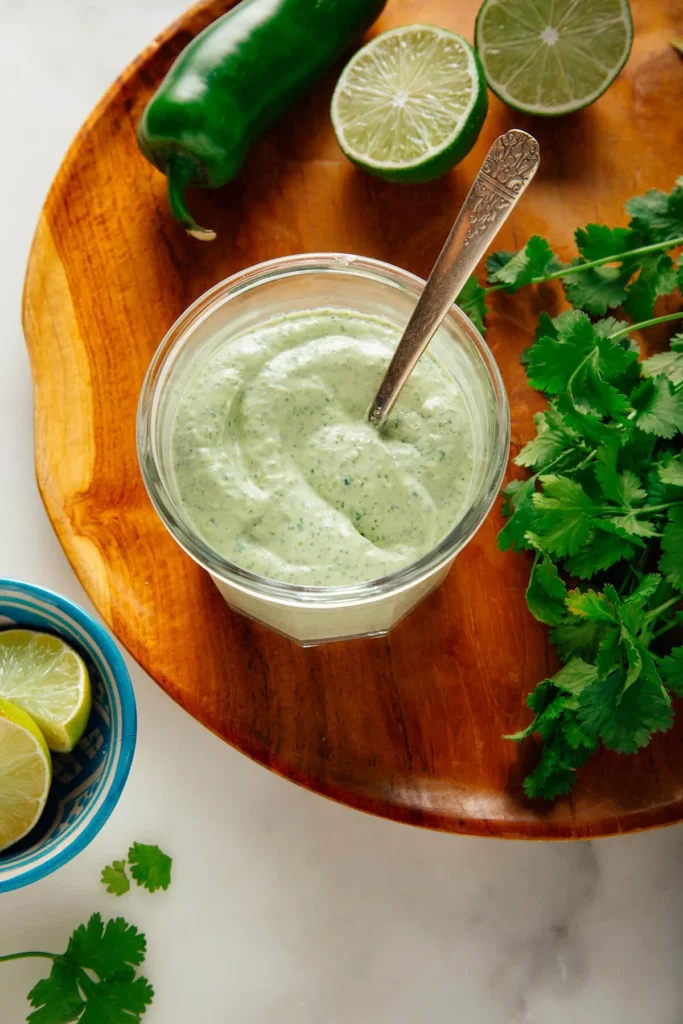
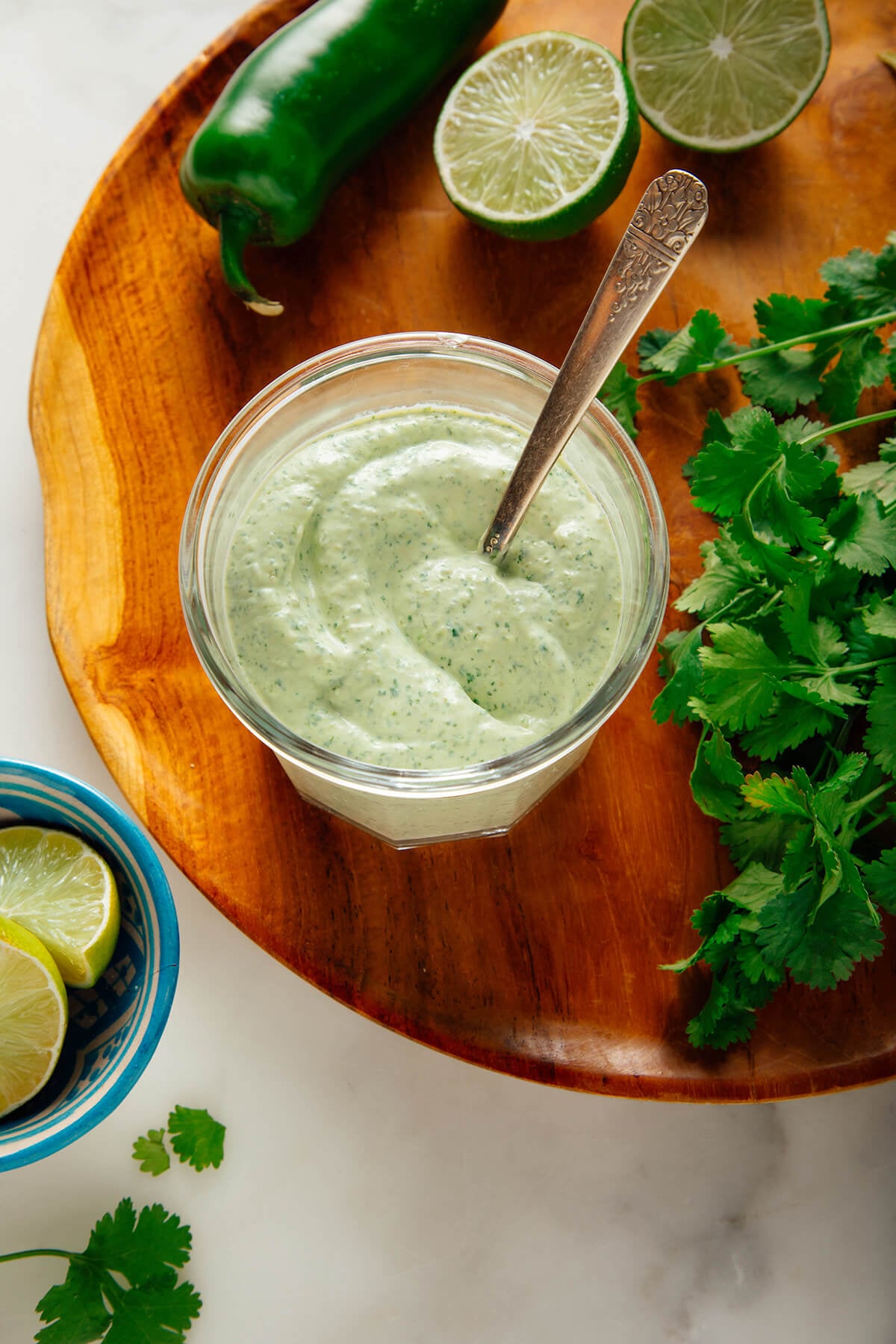
In an era where the lines between restaurant dining and home cooking increasingly blur, a notable culinary achievement has emerged: the successful reverse-engineering of Chipotle’s popular cilantro lime sauce. This creamy, fresh, and subtly spicy condiment, which has rapidly gained traction among patrons, is now within reach for home cooks thanks to the diligent efforts of food blogger and cookbook author Kathryne Taylor. Her meticulous process, involving detailed ingredient analysis and rigorous side-by-side taste-testing, has yielded a homemade version that not only rivals the original but, by her own account, surpasses it in flavor and quality. This development highlights a growing trend among food enthusiasts to deconstruct and recreate beloved fast-casual staples, empowering individuals to bring restaurant-quality experiences into their own kitchens.
Chipotle Mexican Grill has long held a unique position in the fast-casual dining landscape, celebrated for its commitment to fresh, customizable ingredients and its transparent approach to food preparation. Unlike traditional fast-food establishments, Chipotle emphasizes locally sourced produce where possible and avoids artificial flavors, colors, and preservatives. This philosophy resonates deeply with a demographic increasingly concerned with health, sustainability, and the provenance of their food. The introduction of new menu items, such as the cilantro lime sauce, often generates significant customer interest, driving engagement and reinforcing the brand’s reputation for innovation within its core offerings. For many, Chipotle transcends a mere quick meal, becoming a go-to for convenient yet seemingly wholesome options. The author, who admits to frequenting the chain, exemplifies this loyalty, using it as inspiration for her own culinary endeavors. The desire to replicate these popular components at home stems from a blend of culinary curiosity, a preference for scratch-made meals, and the practical benefits of controlling ingredients and cost.
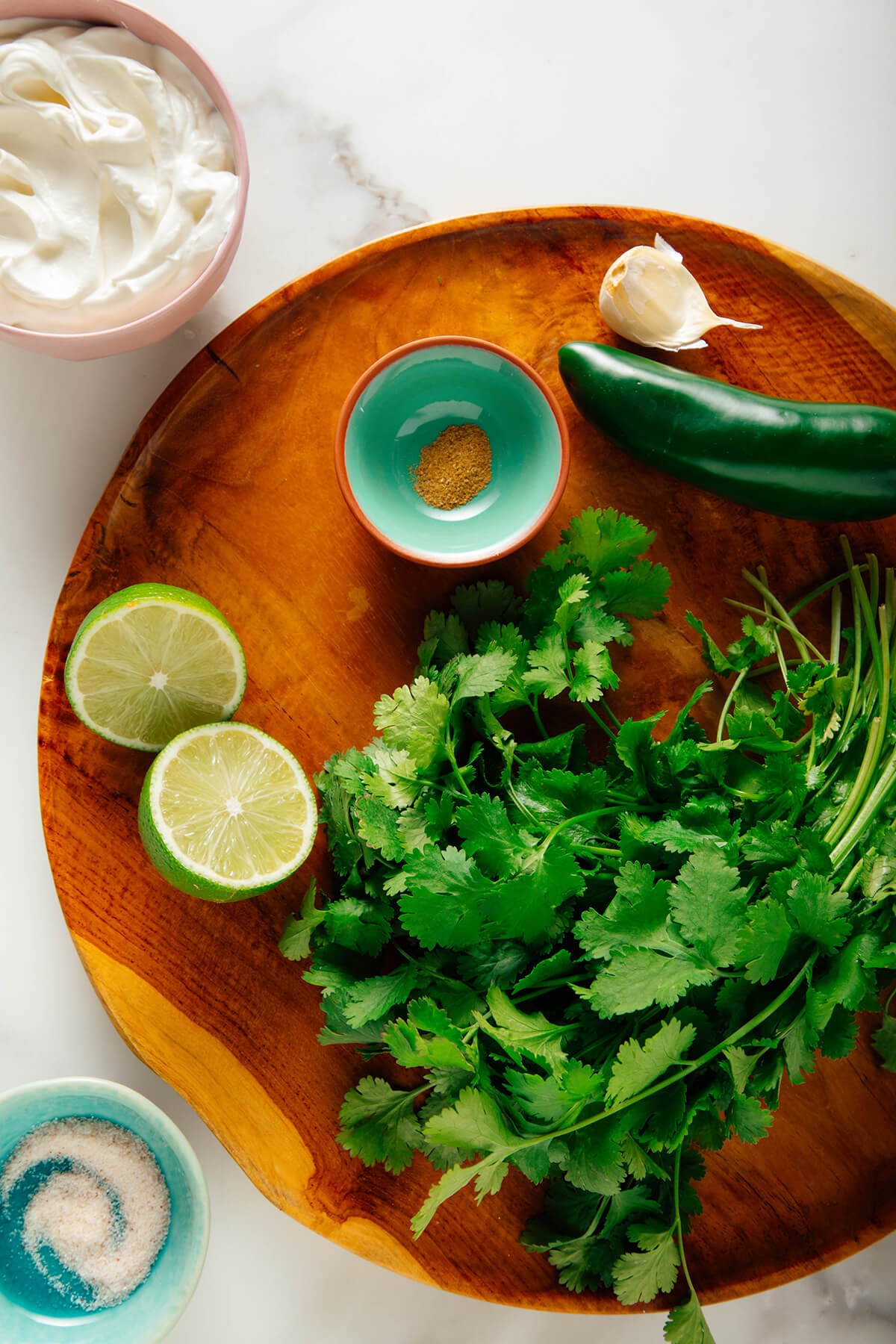
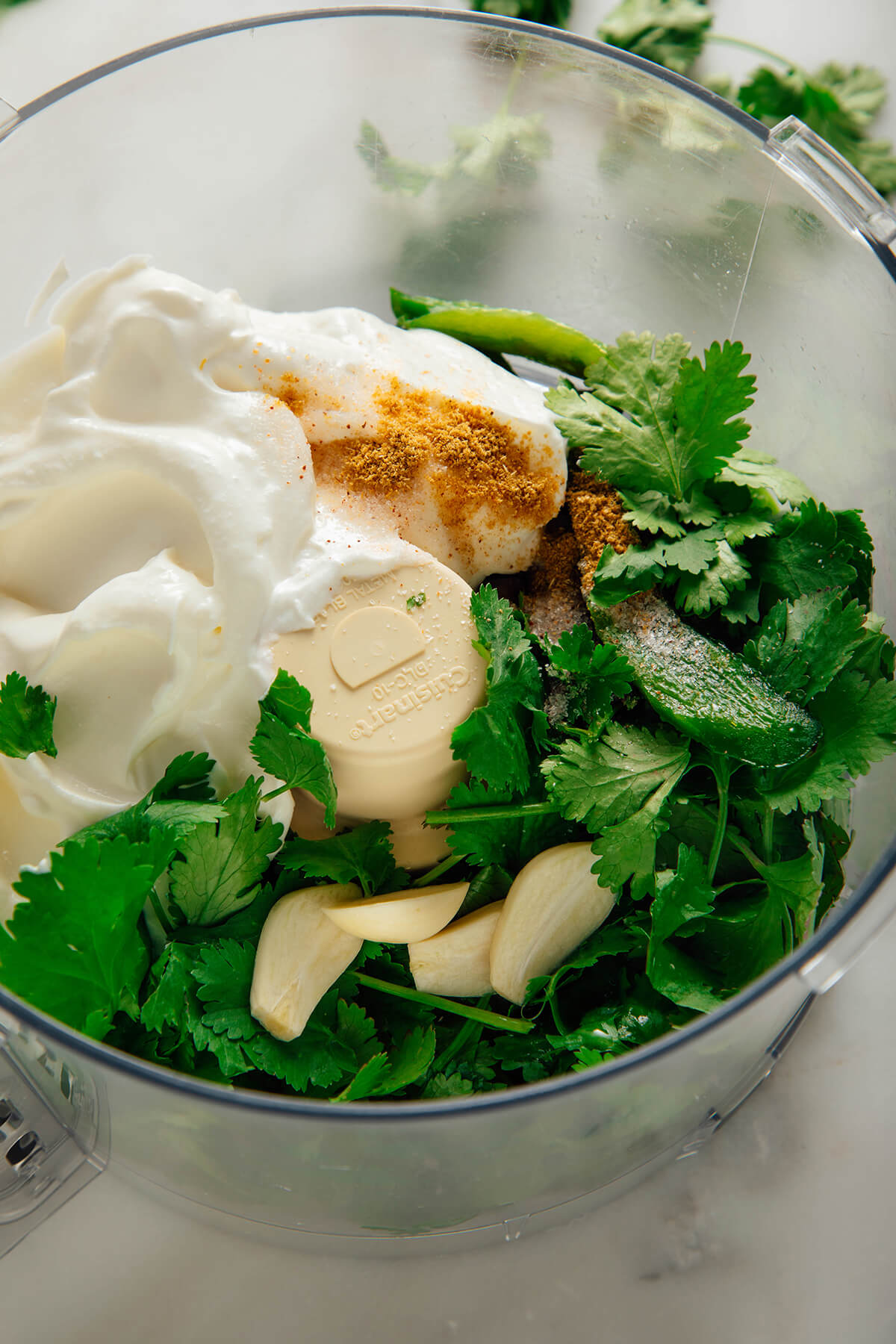
The journey to recreate a proprietary sauce is often akin to culinary detective work. Taylor’s method began with a thorough examination of Chipotle’s publicly available ingredient list, a critical first step in any reverse-engineering project. This list provides the foundational elements, but the true challenge lies in deciphering the precise proportions and preparation techniques that contribute to the sauce’s distinctive character. In this case, the key components were identified as cilantro, lime, Mexican spices (specifically cumin in Taylor’s interpretation), sour cream, and crucially, roasted jalapeños. The iterative process involved blending these ingredients in various ratios, tasting each iteration against the original sauce from Chipotle. This empirical approach, driven by sensory evaluation, is paramount to achieving an authentic replication. Taylor’s assertion that her version is "hard to tell the difference, but I like mine better" speaks to the potential for home cooks to not only match but potentially enhance commercial recipes through fresh ingredients and personalized adjustments. This pursuit reflects a broader movement where informed consumers are less content with off-the-shelf solutions and more inclined to craft their culinary experiences from scratch.

Deconstructing the Flavor: The Role of Each Ingredient
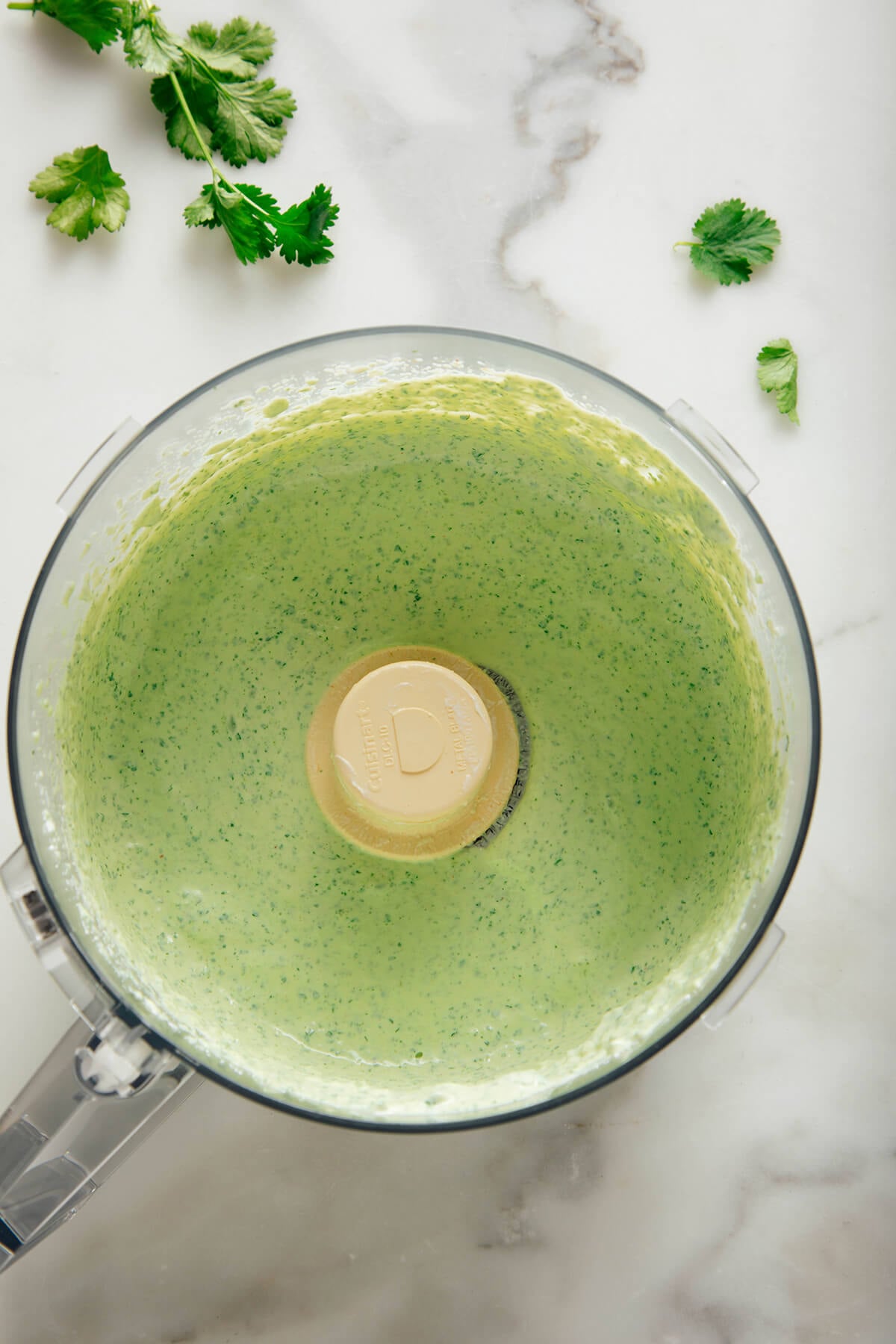
The success of Taylor’s cilantro lime sauce lies in the harmonious interplay of its core ingredients, each contributing a distinct layer to the overall flavor profile.
- Cilantro: This herb is the undisputed star, providing a bright, herbaceous, and slightly peppery note that is quintessential to many Mexican and Tex-Mex dishes. Its freshness cuts through richness and adds an aromatic complexity. While cilantro is polarizing for some due to a genetic predisposition that makes it taste like soap, for its aficionados, it is irreplaceable.
- Lime: Fresh lime juice is crucial for acidity, which brightens the sauce, balances the creamy sour cream, and enhances the flavors of the other ingredients. The citrus tang provides a refreshing counterpoint, making the sauce vibrant and invigorating.
- Sour Cream: As the base, sour cream delivers a rich, tangy creaminess that gives the sauce its luxurious texture and mouthfeel. It mellows the heat from the jalapeños and acts as a binding agent for all the flavors. Its lactic tang is a hallmark of many creamy Mexican sauces.
- Cumin: Identified by Taylor as the primary "Mexican spice" in Chipotle’s formulation, cumin provides an earthy, warm, and slightly smoky depth. It grounds the brighter notes of cilantro and lime, adding a layer of savory complexity that is characteristic of authentic Mexican cuisine.
- Roasted Jalapeños: These peppers are central to the sauce’s characteristic "somewhat spicy" profile and its unique flavor complexity. The roasting process is a critical step that transforms the raw pepper, mellowing its harsh capsaicin heat while developing richer, sweeter, and smoky notes through the Maillard reaction.
The Art and Science of Charring Jalapeños
The inclusion of charred jalapeños is a distinguishing feature of Chipotle’s sauce, contributing significantly to its depth of flavor and smoother texture. Charring is a culinary technique that involves exposing the pepper to high heat, causing its skin to blacken and blister. This process achieves several desirable outcomes:
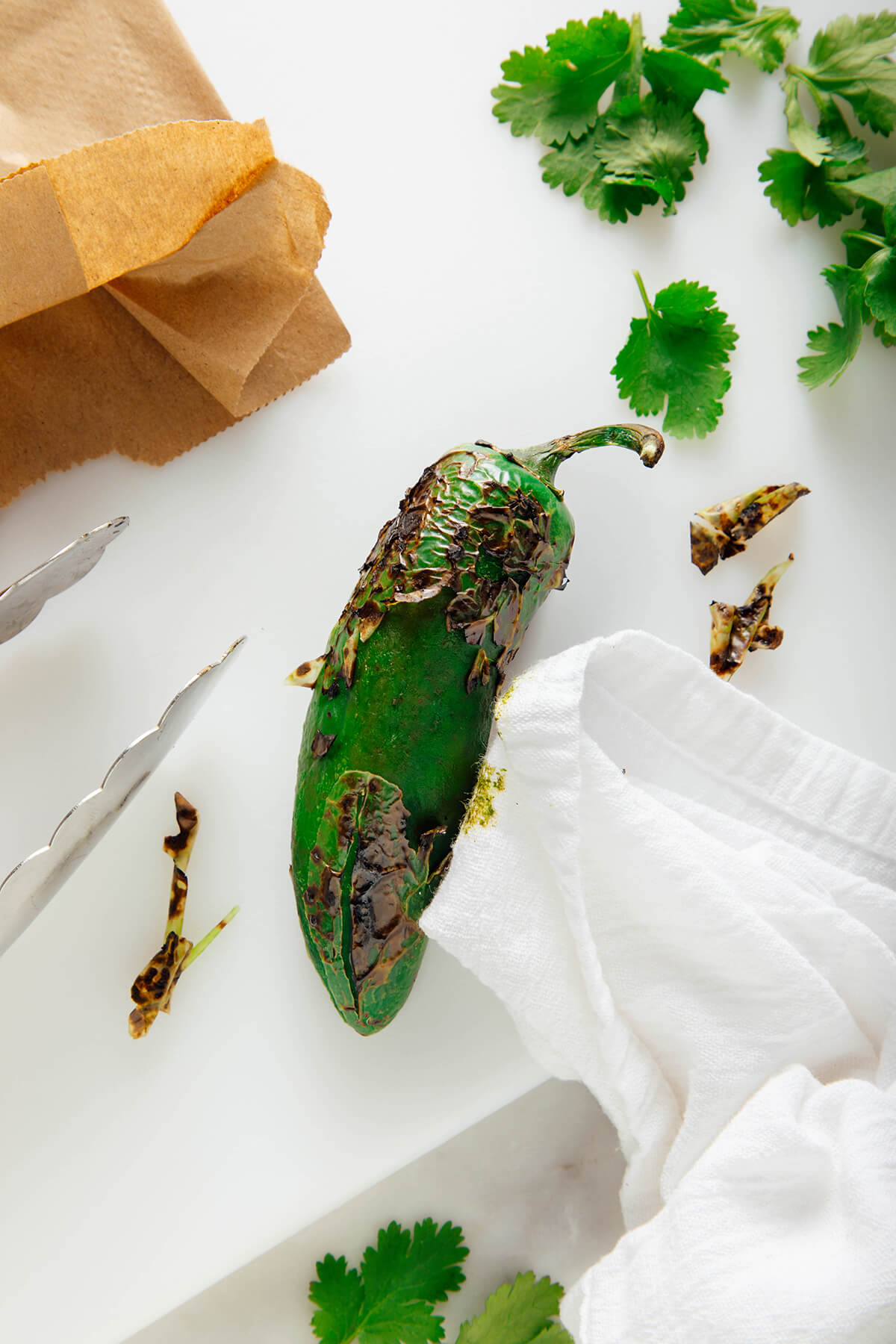
- Mellowing Heat: The intense heat of the flame breaks down some of the capsaicin, the compound responsible for a jalapeño’s spiciness. This results in a milder, more nuanced heat than that of a raw jalapeño.
- Increased Flavor Complexity: Charring introduces smoky, slightly sweet, and earthy notes that are absent in fresh peppers. This caramelization adds a layer of depth that elevates the entire sauce.
- Smoother Texture: The charring process softens the pepper’s skin and flesh, making it easier to blend into a uniformly smooth sauce, preventing any fibrous bits from detracting from the mouthfeel.
Taylor provides two practical methods for achieving perfectly charred jalapeños at home, catering to different kitchen setups:
- Over a Gas Flame: This traditional method involves holding the jalapeño directly over a medium gas flame using heat-safe tongs. Rotating the pepper for 60 to 90 seconds per side ensures even blackening. This direct heat method imparts a strong smoky flavor.
- In a Skillet: For those without a gas stove, a cast iron or stainless steel skillet (non-stick is not recommended due to high heat requirements) can be used. Heating the pepper over medium-high heat until it blisters on both sides achieves a similar effect, albeit with potentially less pronounced smokiness.
Regardless of the charring method, the subsequent step of skin removal is essential. Placing the charred pepper in a small paper bag or a bowl covered with plastic wrap for approximately 10 minutes allows it to steam. This steaming loosens the blackened skin, making it easy to wipe off with a clean tea towel. Once peeled, the green flesh can be sliced and incorporated into the sauce.
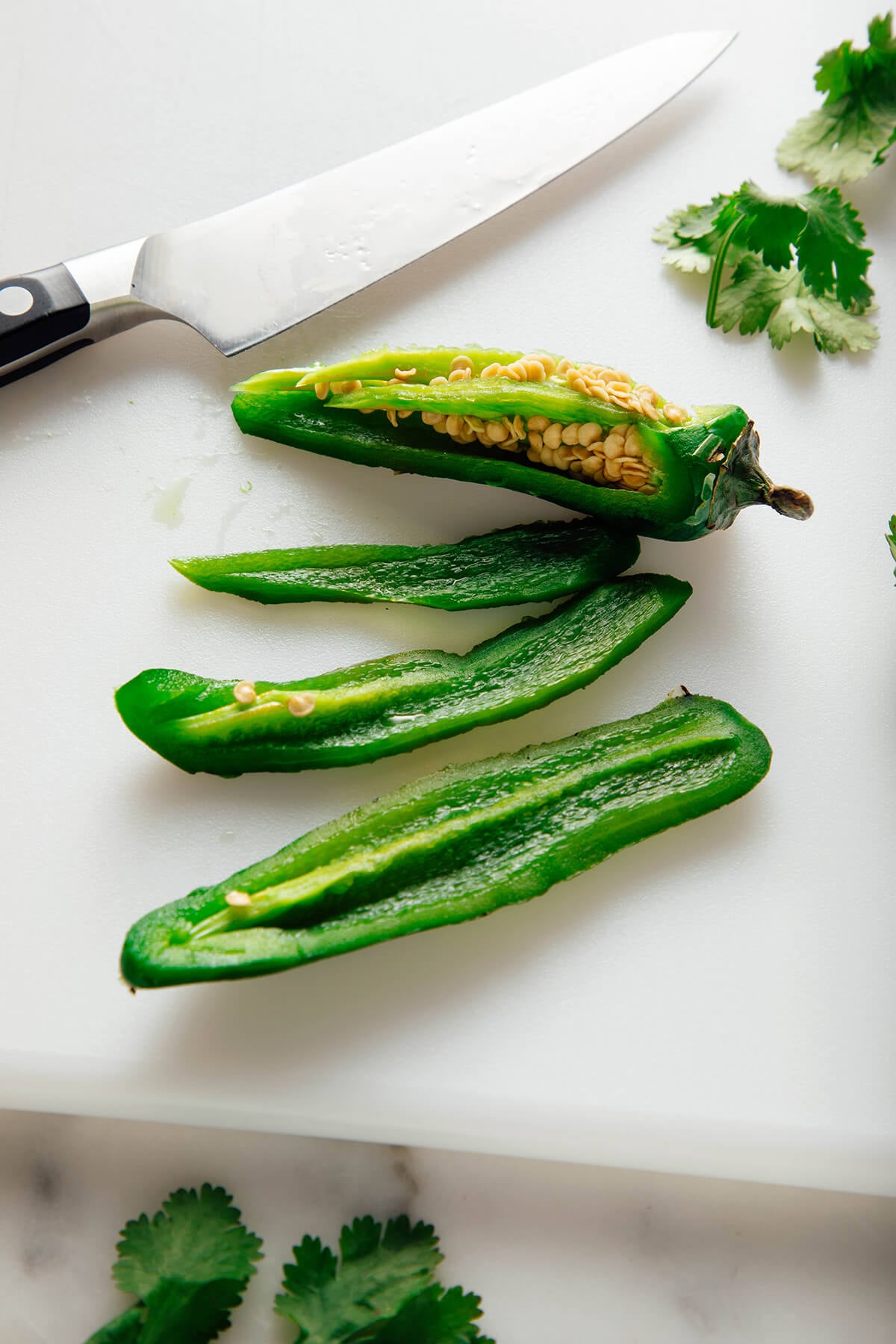
For those seeking a bolder, fresher kick, or simply a quicker preparation, Taylor notes that fresh jalapeños can be used as an alternative. However, a word of caution is advised: fresh jalapeños can be significantly spicier. Therefore, starting with half a pepper and gradually adding more to taste is recommended to achieve the desired spice level without overpowering the sauce. While omitting jalapeños entirely is an option for extreme spice sensitivity, it will fundamentally alter the sauce’s flavor profile, departing from the Chipotle inspiration.
Customization and Dietary Adaptations
A key advantage of preparing sauces at home is the ability to customize them to individual preferences and dietary needs. Taylor’s recipe inherently allows for significant spice control; by adjusting the amount of jalapeño, home cooks can tailor the heat from a gentle warmth to a more assertive kick. Furthermore, the recipe is easily adaptable for those following dairy-free or vegan diets. By substituting the traditional sour cream with a vegan sour cream alternative (which can often be made in a blender, streamlining the process), the sauce retains its creamy texture and tangy profile without animal products. This flexibility underscores the appeal of homemade versions over pre-made commercial options, which rarely offer such tailored solutions.
Versatility: Beyond the Burrito Bowl
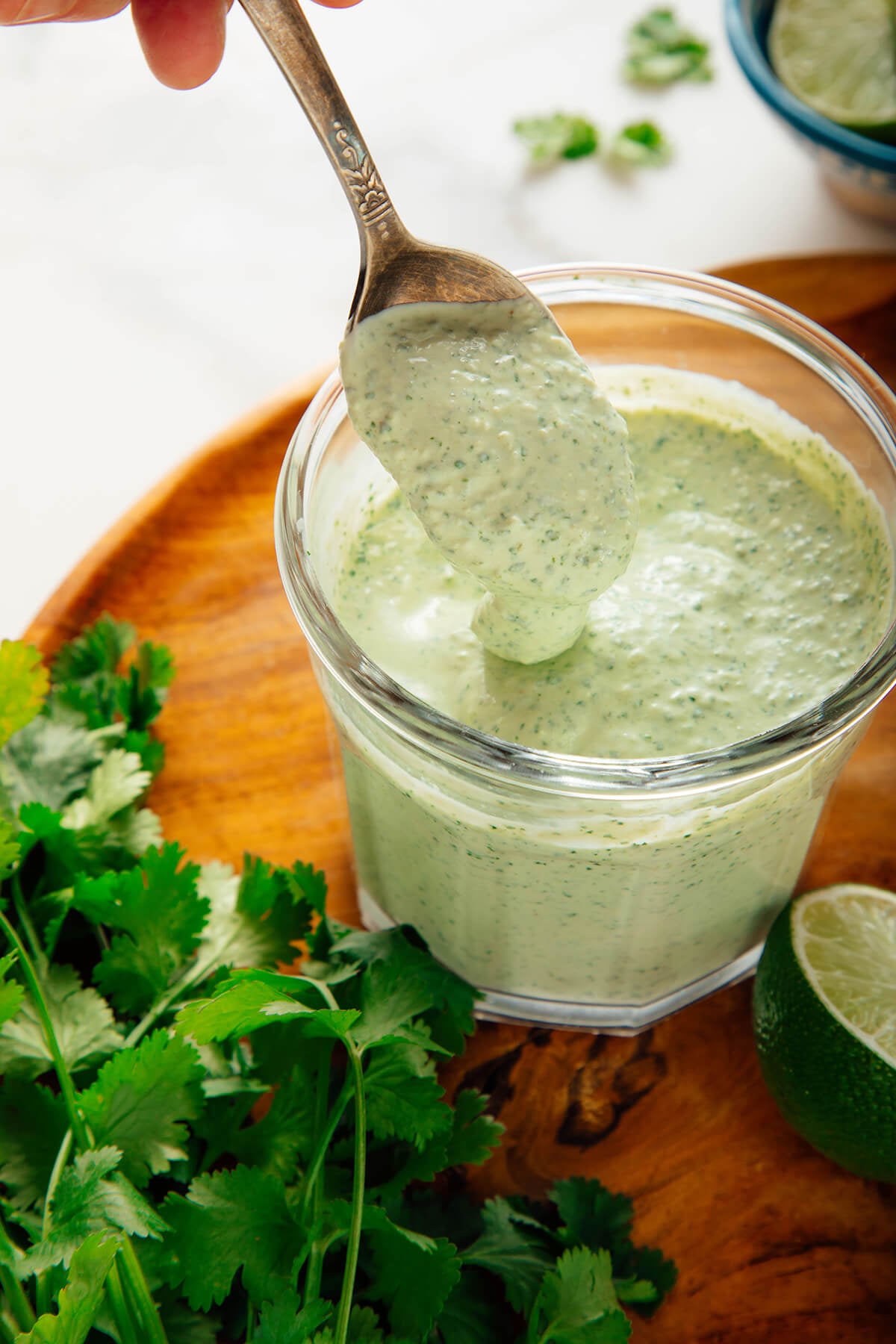
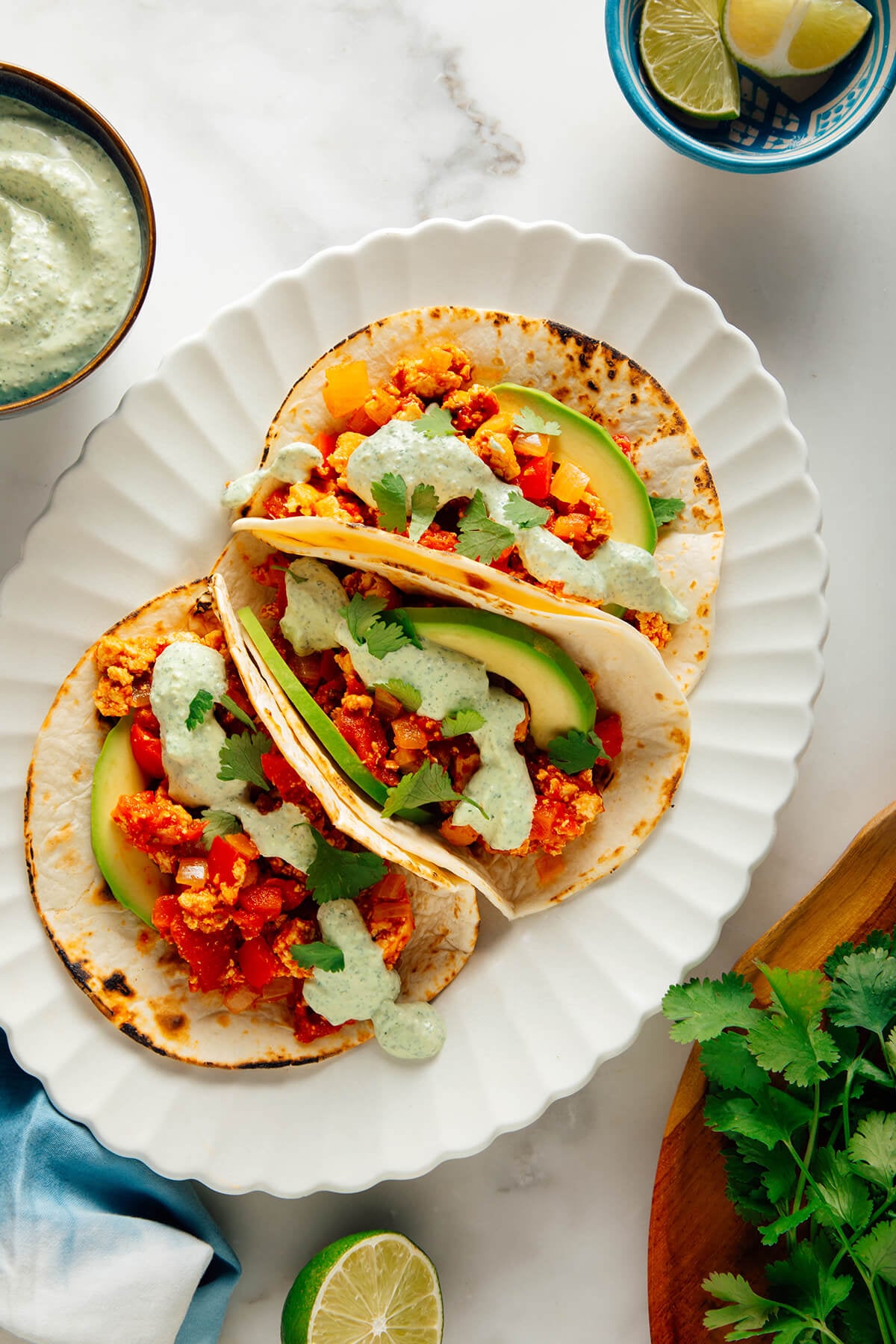
The appeal of a well-crafted sauce lies in its versatility, and Taylor’s cilantro lime creation is no exception. While explicitly designed as a stand-in for sour cream on Chipotle-style burrito bowls, its application extends far beyond. Its vibrant, creamy, and spicy notes make it an ideal accompaniment for a wide array of dishes, transforming simple meals into culinary experiences.
Common suggested pairings include:
- Mexican Staples: Drizzled generously over nachos, quesadillas, tacos (especially black bean or vegetarian options), and burritos, it elevates the flavor and texture.
- Salad Dressing: A dollop of mayonnaise can transform the sauce into a rich and tangy salad dressing, perfect for Southwestern-inspired salads or as a vibrant topping for grilled chicken or fish.
- Dipping Sauce: Its creamy consistency makes it an excellent dip for tortilla chips, crudités, or even roasted vegetables, offering a fresh alternative to traditional dips.
- Savory Accompaniment: As Taylor’s husband discovered, it functions beautifully as a "chimichurri-esque" sauce, drizzled over grilled steak or other meats, adding a bright, herbaceous counterpoint to rich proteins.
Beyond these specific suggestions, the sauce can serve as a flavorful spread for sandwiches and wraps, a marinade for chicken or fish, or a base for a more complex dressing. Its ability to act as a "flavor bomb" means that even simple grilled vegetables or grains can be transformed into exciting, restaurant-quality dishes with just a spoonful. This expansive utility makes the effort of preparing it worthwhile, ensuring it won’t be relegated to a single dish.
The Broader Implications: Home Cooking in the Digital Age
The successful reverse-engineering of Chipotle’s cilantro lime sauce by a prominent food blogger like Kathryne Taylor is indicative of several broader trends shaping the culinary landscape. Firstly, it highlights the democratizing power of the internet and food blogs. Recipes that once were proprietary or closely guarded secrets are now accessible, broken down, and shared within a global community of home cooks. This exchange of knowledge fosters creativity and empowers individuals to take greater control over their food choices.
Secondly, it underscores the growing consumer demand for transparency and quality in ingredients. As awareness about food sourcing, additives, and nutritional content increases, many are opting to prepare meals from scratch, even if inspired by restaurant favorites. This allows for personalized ingredient selection, avoidance of allergens, and control over sodium, sugar, and fat content, contributing to healthier eating habits.
Thirdly, the trend reflects an economic sensibility. Regular dining at fast-casual establishments, while convenient, can be costly over time. Recreating popular dishes at home offers a cost-effective alternative, allowing families to enjoy their favorite flavors without the recurring expense. This economic factor has become particularly salient in recent years, prompting more people to explore home cooking.
Finally, there is an inherent satisfaction in creating something delicious from raw ingredients, particularly when it rivals or surpasses a commercial product. This sense of accomplishment fosters culinary confidence and encourages further experimentation, transforming cooking from a chore into a rewarding hobby.
In conclusion, Kathryne Taylor’s reverse-engineered Chipotle cilantro lime sauce stands as a testament to the ingenuity and passion of the modern home cook. By meticulously deconstructing a popular fast-casual offering, she has provided a blueprint for others to enjoy a creamy, fresh, and spicy condiment that enhances a multitude of dishes. This endeavor not only delivers a superior culinary product but also reinforces the broader movement towards empowered, conscious, and creative home cooking in an increasingly interconnected world. The widespread adoption of such recipes continues to blur the lines between professional and amateur kitchens, enriching the culinary experiences available to everyone.