


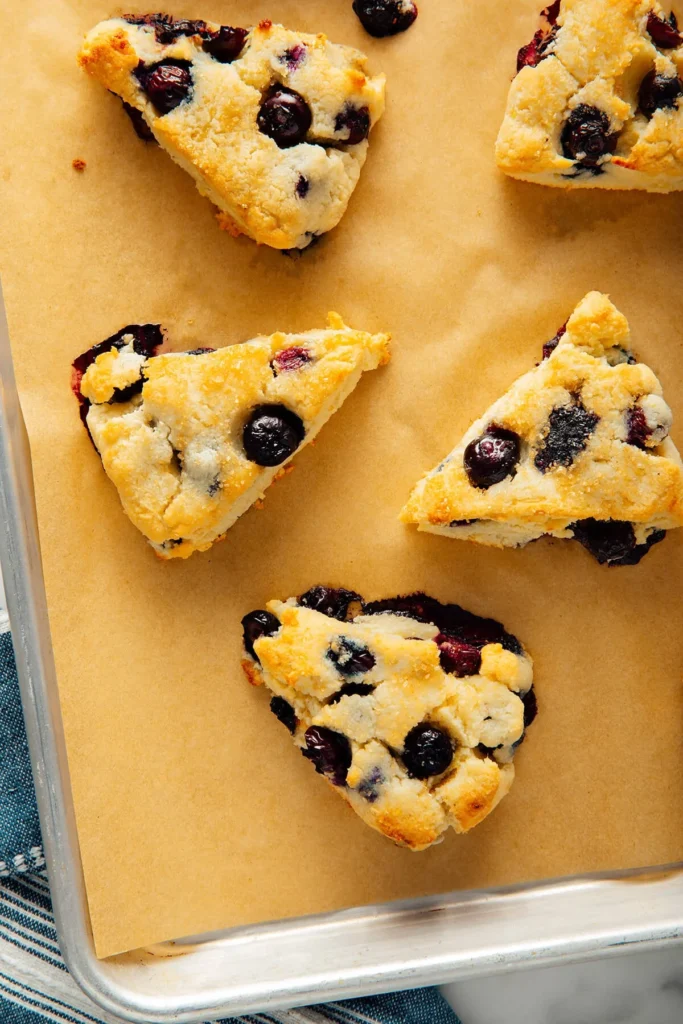
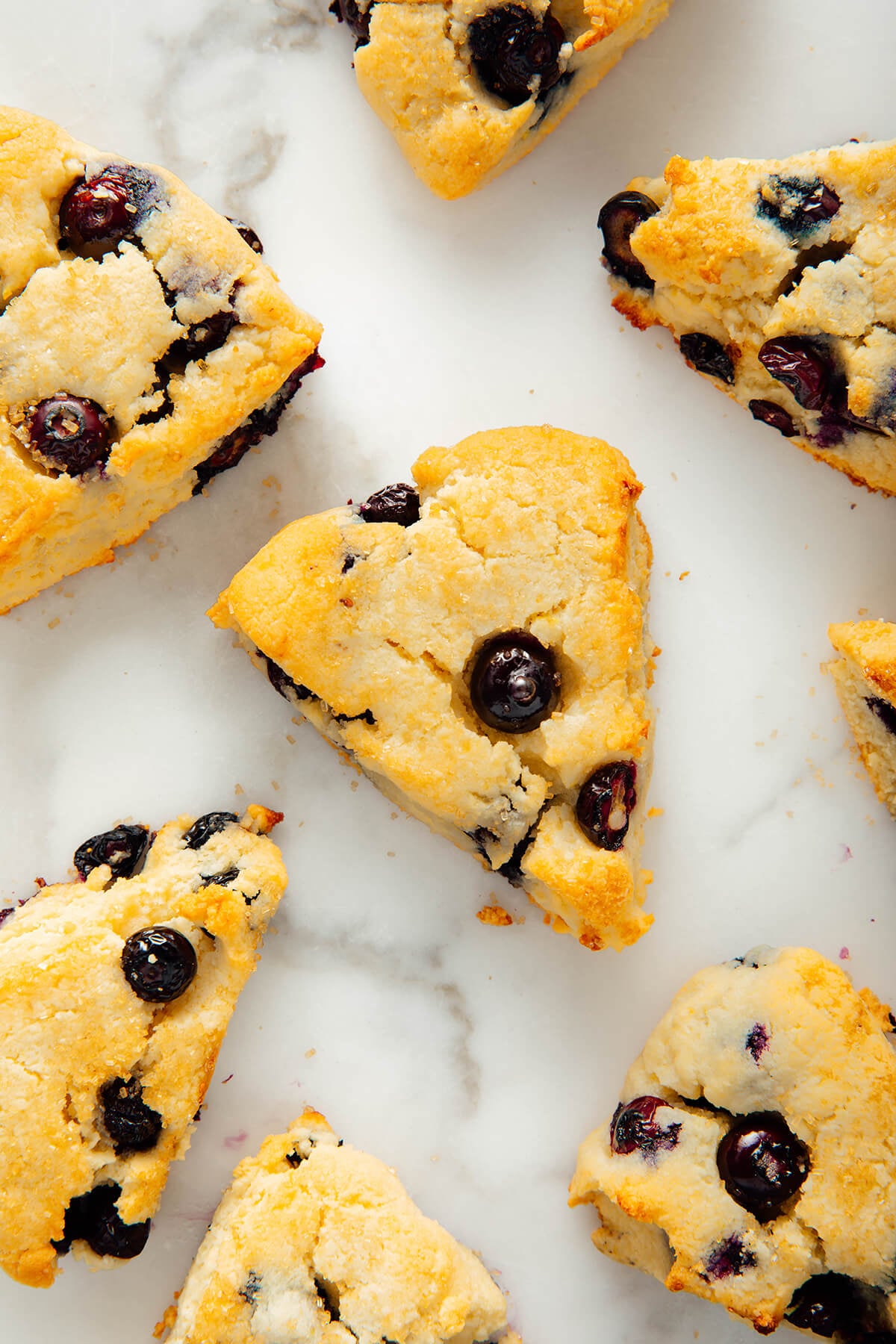
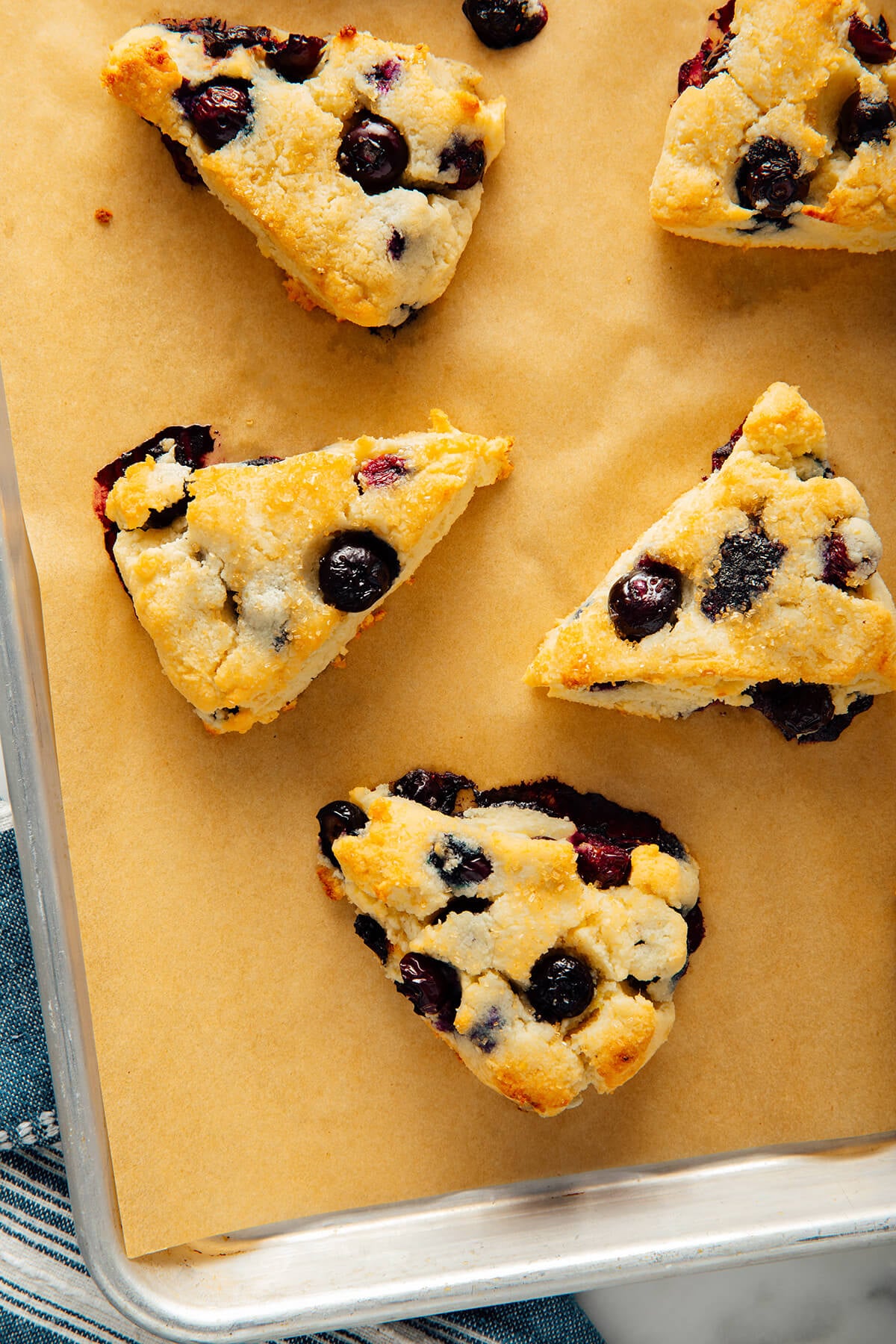
A significant development in the realm of gluten-free baking has emerged with the introduction of a meticulously crafted almond flour scone recipe, poised to elevate expectations for both gluten-intolerant consumers and general culinary enthusiasts. This innovative recipe delivers a product lauded for its perfectly tender interior, golden-brown, lightly crunchy exterior, and a rich flavor profile that transcends the typical limitations associated with alternative flours. Featuring jammy blueberries, vibrant lemon zest, and a delicate sprinkle of raw sugar, these scones are being hailed not merely as a gluten-free substitute but as a superior baked good that challenges conventional flour dominance.
The journey to perfecting this recipe, as detailed by its creator, Kathryne Taylor, was a rigorous process involving extensive experimentation and refinement. The impetus for its development stemmed directly from consumer demand, with numerous inquiries arising after the publication of her traditional wheat-flour blueberry scone recipe. Recognizing the growing popularity and versatility of almond flour, Taylor embarked on a mission to adapt the classic scone, a staple of British and American tea times, into a form accessible to a wider audience without compromising on quality or taste. This endeavor, a testament to culinary perseverance, required no fewer than seven distinct iterations to achieve the desired balance of texture, flavor, and structural integrity.
The Evolution of a Recipe: A Meticulous Development Timeline

The development of the almond flour scone recipe represents a micro-chronology within the broader trend of dietary adaptation in the food industry.
- Early 2023: Initial Concept and Consumer Feedback. Following the success of her traditional blueberry scone recipe, Kathryne Taylor noted a significant uptick in reader requests for a gluten-free version specifically utilizing almond flour. This feedback highlighted a clear market need and guided the direction of her next major culinary project.
- Spring 2023: Phase One – Structural Challenges. Initial attempts to simply substitute almond flour for wheat flour proved unsuccessful, revealing fundamental differences in the flours’ properties. Almond flour, lacking gluten, presented challenges in achieving the characteristic light, flaky texture of a scone, often resulting in a crumbly or dense product. Adjustments to liquid content, fat ratios, and leavening agents became critical.
- Summer 2023: Phase Two – Iterative Refinement and Texture Optimization. Through a series of five distinct trials, Taylor systematically adjusted ingredients. Key modifications included increasing the binding agents to compensate for the lack of gluten, recalibrating baking powder and soda for optimal rise, and carefully managing moisture levels to prevent dryness while ensuring a tender crumb. This phase also involved exploring different preparation techniques, such as the temperature of the butter and the method of incorporation.
- Late Summer 2023: Phase Three – Flavor Integration and Exterior Perfection. With the core structure largely resolved, the focus shifted to enhancing flavor and achieving the desired golden, lightly crisp exterior. This involved experimenting with lemon zest for brightness, the specific type and quantity of blueberries to prevent excessive moisture, and a raw sugar sprinkle for a textural and aesthetic finish. The sixth and seventh trials honed these elements, culminating in the final recipe.
- Autumn 2023: Validation and Broader Application. The perfected almond flour scone recipe demonstrated remarkable versatility. During its development, a variant of the scone dough was successfully adapted as a topping for a peach cobbler, underscoring its robust nature and potential beyond a standalone scone. This cross-application provided further validation of the underlying formulation’s success.
- Early 2024: Public Release and Acclaim. Upon its official release, the recipe quickly garnered positive attention from the baking community, marking a significant step forward in making high-quality gluten-free pastries accessible to home bakers.
Addressing the Gluten-Free Demand: Market Dynamics and Nutritional Advantages
The burgeoning demand for gluten-free options has fundamentally reshaped the food industry over the past decade. According to market research firm Grand View Research, the global gluten-free market size was valued at USD 6.4 billion in 2022 and is projected to expand at a compound annual growth rate (CAGR) of 9.2% from 2023 to 2030. This growth is driven by increasing diagnoses of celiac disease and gluten sensitivity, alongside a rising consumer perception of gluten-free diets as healthier, even for individuals without specific intolerances.
Within this landscape, almond flour has emerged as a frontrunner among alternative flours. Data from NielsenIQ indicates that almond flour sales have increased by over 15% year-over-year in the past three years, significantly outperforming other specialty flours. Its appeal lies in its nutritional profile: it is naturally gluten-free, low in carbohydrates, high in protein, healthy fats, and dietary fiber. A standard serving of almond flour (approximately 1/4 cup) provides about 6 grams of protein and 3 grams of fiber, alongside essential minerals like magnesium and vitamin E, offering a stark nutritional contrast to refined wheat flour.
"The shift towards almond flour in baking isn’t just a trend; it’s a reflection of evolving dietary preferences and a deeper understanding of nutrition," states Dr. Anya Sharma, a food science expert at the Institute of Culinary Innovation. "Consumers are actively seeking ingredients that support their health goals without sacrificing flavor or experience. This almond flour scone recipe perfectly encapsulates that demand, offering a product that is both indulgent and nutritionally superior to many traditional counterparts."
Expert Commentary and Industry Implications
The successful development of such a high-quality almond flour scone carries significant implications for the wider culinary and food manufacturing industries. Food critics and dietary experts alike are noting its potential to set a new benchmark.
"For years, gluten-free baked goods often faced the stigma of being inferior in texture or taste," commented renowned food critic Eleanor Vance, writing for The Culinary Observer. "This almond flour scone challenges that notion head-on. It’s not just ‘good for gluten-free’; it’s genuinely a delicious scone, period. The tender crumb, the subtle nutty undertone, the delightful crunch – it’s a masterclass in ingredient optimization."
From a manufacturing perspective, the robust nature of this recipe could pave the way for increased commercial production of almond flour-based pastries. Historically, the delicate handling and specific baking requirements of gluten-free doughs have posed challenges for large-scale operations. However, a well-tested and stable recipe like this could reduce production complexities and waste, making it more viable for bakeries and food service providers to offer premium gluten-free options.
"This recipe demonstrates that with careful formulation, the unique properties of almond flour can be harnessed to create products that appeal to a broad demographic, not just those with dietary restrictions," says Mark Jensen, CEO of Artisan Bakery Solutions, a consultancy firm specializing in commercial baking. "It signals a maturation of the gluten-free sector, moving from simply providing alternatives to actively innovating and improving upon classic recipes."
The Versatility Factor: Beyond Blueberries
A hallmark of a truly successful base recipe is its adaptability, and the almond flour scone does not disappoint. The core formulation has proven exceptionally versatile, allowing for a wide array of flavor variations that cater to diverse palates. This inherent flexibility is a key differentiator, expanding the recipe’s appeal and practical application in home kitchens and potentially commercial settings.
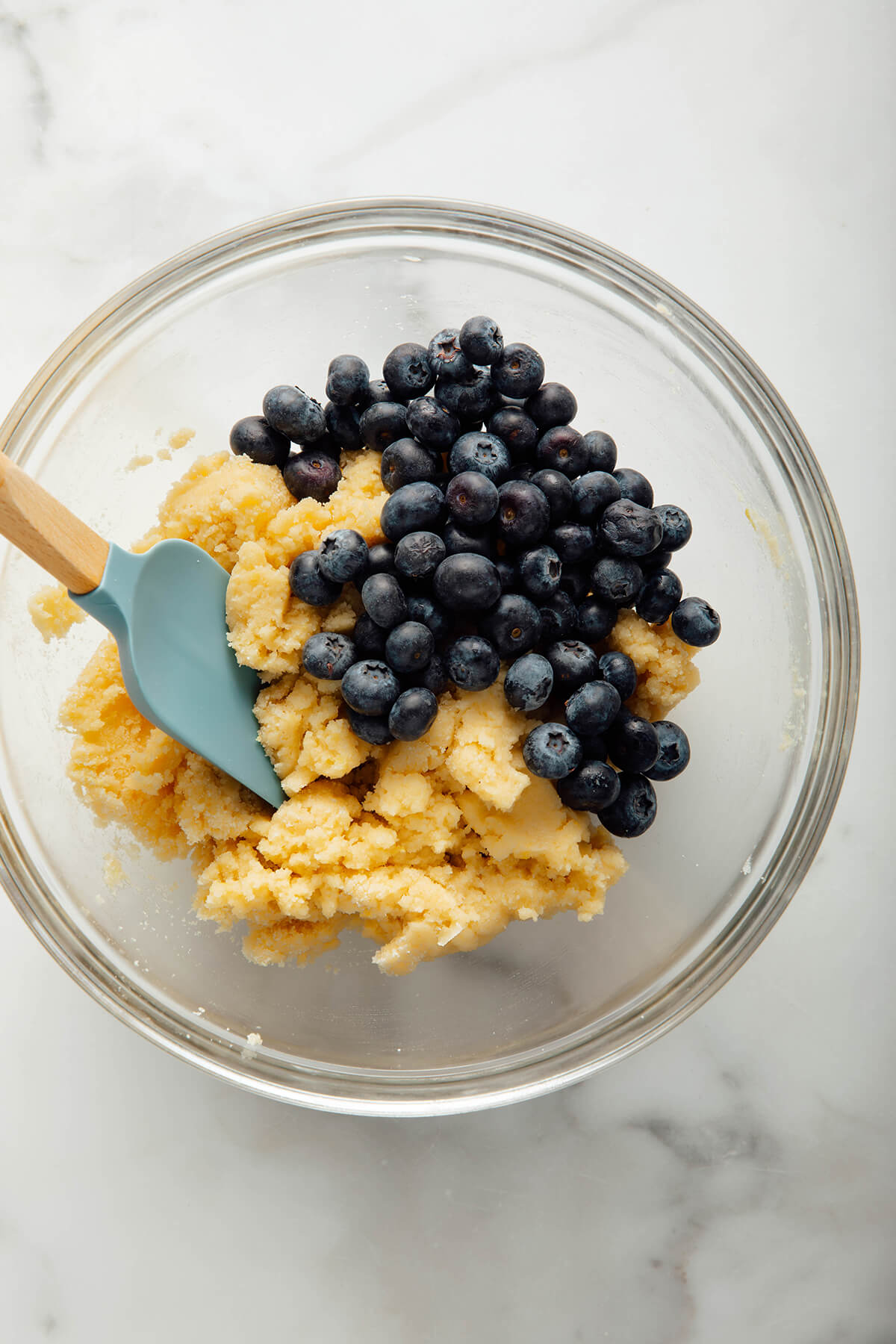
- Berry Scones: The base recipe readily accommodates other berries. Raspberries, blackberries (halved if large), or sliced strawberries can be substituted for blueberries, maintaining the scone’s moist interior and delightful fruit bursts. The lemon zest can be retained for brightness or swapped for orange zest to complement different fruit profiles. This adaptability encourages seasonal variations and personalized preferences.
- Cherry Scones: For a more distinctive flavor profile, halved and pitted cherries are an excellent addition. To enhance the natural pairing of almonds and cherries, the recipe suggests omitting the lemon zest and incorporating 1/2 teaspoon of almond extract, deepening the overall nutty and fruity notes. This variation highlights the sophisticated flavor combinations possible with almond flour.
- Chocolate Chip Scones: Catering to classic preferences, the fruit and zest can be omitted entirely in favor of up to 3/4 cup of chocolate chips. Early test batches demonstrated excellent results with a combination of 1/2 cup semi-sweet chocolate chips and 1/2 cup toasted chopped pecans, adding textural contrast and a rich, indulgent quality. This variation broadens the scone’s appeal to those seeking a more traditional, comforting pastry.
- Savory Cheddar Scones: Perhaps the most surprising and impactful variation is the savory cheddar scone. By significantly reducing the sugar to just 1 teaspoon and omitting all fruit and zest, the base dough transforms into a savory delight. Stirring in 3/4 cup of shredded sharp cheddar cheese, with an optional 3 tablespoons of chopped green onion, creates a profoundly satisfying snack or accompaniment. This savory adaptation has been particularly lauded for its robust flavor and has quickly become a favored option, demonstrating the recipe’s fundamental strength and ability to pivot across flavor spectrums.
This extensive range of flavor possibilities underscores the structural integrity and balanced foundational taste of the almond flour scone. It allows for creative exploration while ensuring consistent quality across different iterations, a crucial factor for both home bakers seeking variety and commercial entities looking to diversify their gluten-free offerings.
The Broader Impact: Towards a More Inclusive Culinary Future
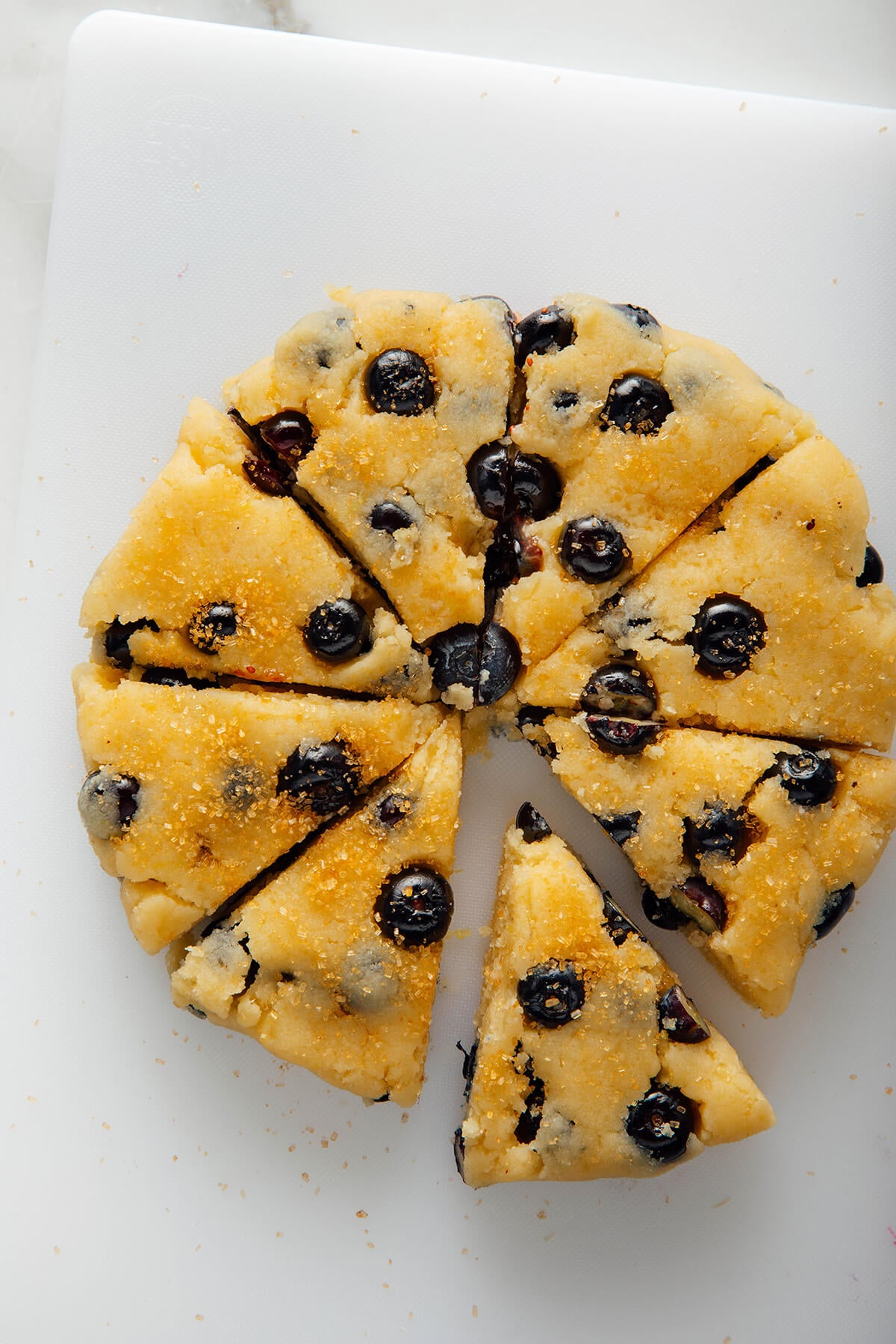
The introduction of this refined almond flour scone recipe is more than just a new addition to the baking repertoire; it signifies a broader movement towards culinary inclusivity and innovation. By demonstrating that gluten-free does not necessitate a compromise on quality, texture, or flavor, it empowers individuals with dietary restrictions to enjoy classic pastries that were once inaccessible.
Furthermore, the recipe’s emphasis on simple, wholesome, and lower-carbohydrate ingredients aligns with prevailing health and wellness trends. As consumers increasingly prioritize nutrient-dense foods, recipes that offer both indulgence and nutritional benefits are likely to gain significant traction. The use of almond flour, with its inherent health advantages, positions these scones as a forward-thinking option for conscious eaters.
The collaborative aspect of its development, driven by direct consumer feedback, also highlights a responsive and adaptive approach within the culinary content creation sphere. It underscores the importance of listening to audience needs and leveraging innovative ingredients to meet those demands.
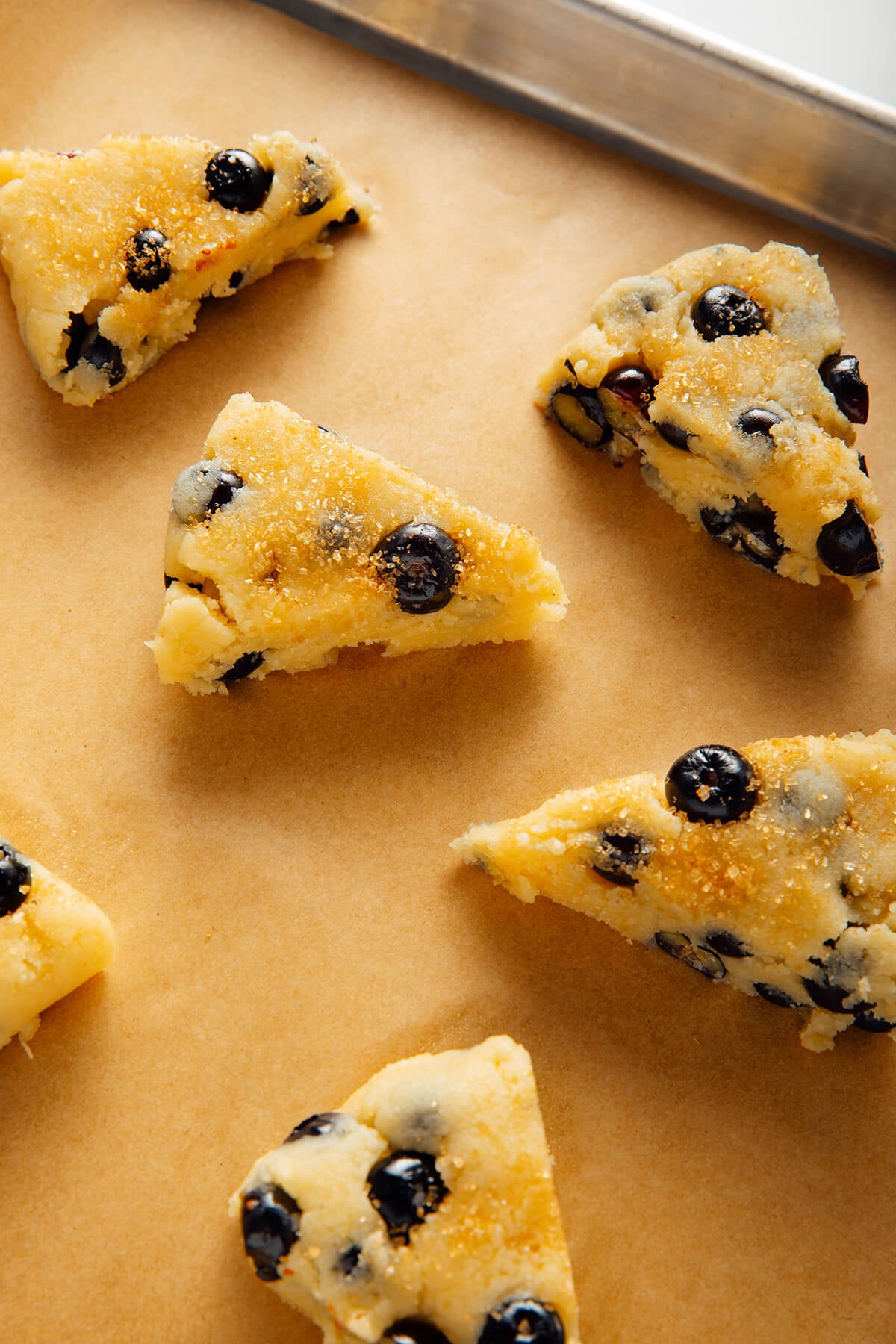
In conclusion, the almond flour scone represents a significant culinary achievement. It not only addresses the specific needs of the gluten-free community with a superior product but also sets a higher standard for baking innovation as a whole. Its successful formulation and remarkable versatility are expected to influence future recipe development, encourage broader adoption of alternative flours, and ultimately contribute to a more diverse, delicious, and inclusive global food landscape. The meticulous effort invested in its creation has resulted in a scone that truly merits its place at the forefront of modern baking.